
Guide
Can Family Visit During Medical Detox or Residential Treatment?
Joint Commission accredited · In network with most major insurance · Admissions answered 24 hours a day


Published June 28, 2026
Reviewed and updated July 29, 2026
Yes, family can visit during medical detox at many facilities, though policies vary based on clinical needs and treatment phase. At Briarwood Detox Center, we recognize that family connection plays a vital role in recovery, but the timing and structure of visits depend on medical stability, withdrawal severity, and individual treatment plans. Medical detox typically lasts 5-10 days and focuses on safely managing acute withdrawal symptoms, while residential treatment is a longer-term program that follows detox. Visitation during detox is often more restricted than in residential settings because patients are medically fragile and require intensive monitoring.
If you or someone you love needs more than detox, Briarwood Detox Center also provides drug rehab austin.
Understanding the Difference Between Medical Detox and Residential Treatment
Before exploring visitation policies, it's important to distinguish between medical detox and residential treatment. Medical detox is the first clinical phase of addiction treatment, where healthcare professionals supervise the body's elimination of drugs or alcohol while managing withdrawal symptoms with medication and 24/7 monitoring. This phase addresses the acute physical dependence.
Does your insurance cover detox in Austin?
Find out in about 2 minutes — free, confidential, no obligation.
Verify InsuranceResidential treatment, sometimes called inpatient rehab, follows detox and focuses on the psychological, behavioral, and social aspects of addiction. Patients live on-site for weeks or months, participating in therapy, group counseling, life skills training, and relapse prevention. Because residential treatment patients are medically stable and engaged in therapeutic work, visitation policies are generally more open.
Briarwood Detox Center specializes in medical detoxification services—both inpatient medically supervised detox in Austin and outpatient detox programs in San Antonio and Houston. Our clinical focus remains on withdrawal management and medical stabilization, preparing clients for the next phase of their recovery journey.
Can You Have Visitors During Medical Detox?
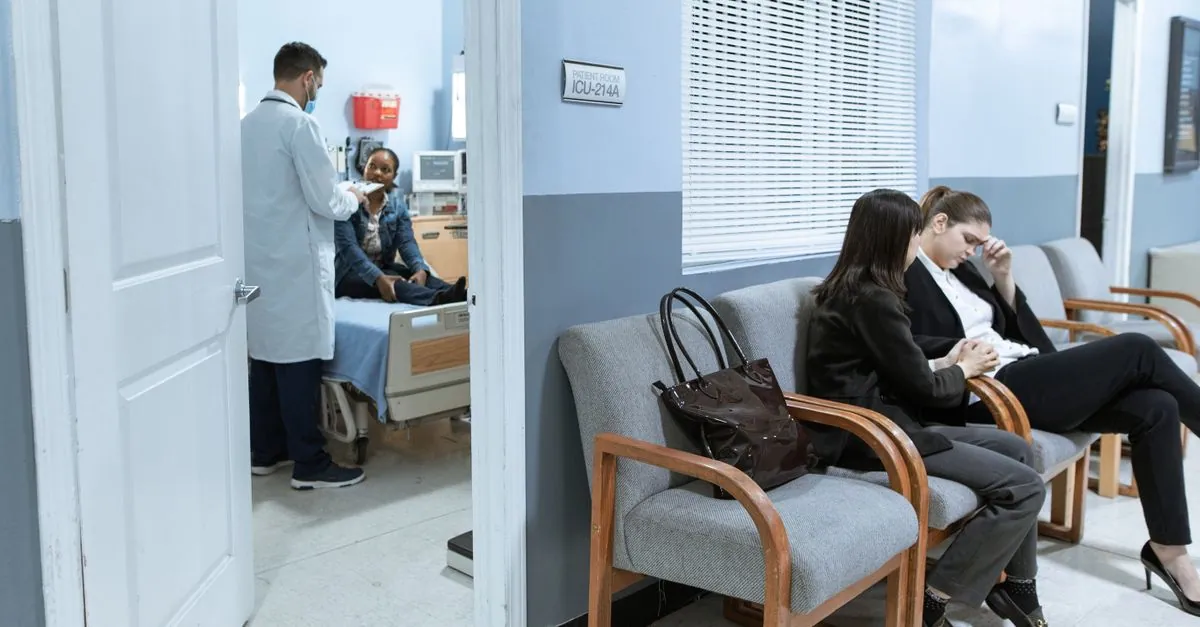
The short answer is: it depends on the facility's protocols and the patient's condition. During the early stages of medical detox, many centers limit or postpone visitation because withdrawal symptoms can be severe, unpredictable, and require constant medical attention. Patients may experience nausea, vomiting, tremors, seizures, hallucinations, or cardiovascular instability depending on the substance.
In the first 48-72 hours, clinical staff prioritize physiological stabilization. Vital signs fluctuate, medications are titrated, and the care team monitors for complications such as delirium tremens in alcohol withdrawal or respiratory depression in opioid cases. Family presence during this window can sometimes increase patient anxiety or distract from necessary medical interventions.
However, once acute symptoms begin to resolve and the patient is medically stable, many detox programs—including Briarwood Detox Center—encourage family involvement. Visits may be scheduled during specific hours, limited in duration, and conducted in designated areas to maintain a therapeutic environment for all patients.
Why Some Detox Centers Restrict Early Visitation
Restrictions on family visits during medical detox aren't arbitrary. They reflect clinical best practices designed to protect patient safety and treatment integrity. Detoxification triggers profound changes in brain chemistry, neurotransmitter levels, and stress hormone release. The central nervous system, which has adapted to chronic substance use, must recalibrate without the drug or alcohol it has come to depend on.
During this recalibration, patients are hypersensitive to stimuli. Noise, emotional conversations, and even well-meaning family interactions can overwhelm someone in acute withdrawal. Additionally, some visitors—knowingly or unknowingly—may bring contraband, undermine treatment recommendations, or trigger cravings through conversation topics or behaviors.
Detox centers also maintain strict infection control protocols, especially for patients with compromised immune systems from prolonged substance use. Limiting visitors reduces the risk of communicable illness in a vulnerable population. These restrictions aren't punitive; they create the controlled, calm environment necessary for safe withdrawal management.
When Family Involvement Becomes Part of the Treatment Plan
As patients transition from the acute withdrawal phase to medical stabilization, family can become active participants in recovery. At Briarwood Detox Center, we encourage family communication once it's clinically appropriate. This might include scheduled phone calls, virtual check-ins, or in-person visits during designated hours.
Family involvement during the later stages of medical detox serves several therapeutic purposes. It provides emotional support that reinforces the patient's commitment to sobriety. It allows clinicians to educate loved ones about addiction as a medical condition, withdrawal physiology, and what to expect in ongoing recovery. It also helps families begin healing from the relational damage addiction often causes.
Our clinical team assesses each patient individually to determine when family contact supports—rather than hinders—treatment goals. For some, early family involvement is stabilizing; for others, it may need to wait until residential treatment or outpatient care begins.
Visitation Policies in Residential Treatment Versus Medical Detox
Residential treatment programs typically have more flexible visitation policies than medical detox centers. Because patients in residential care are past the acute withdrawal phase and medically stable, they can engage more fully with visitors without compromising their health or treatment.
Many residential facilities offer family weekends, multi-day family therapy intensives, or open visiting hours several days per week. These programs intentionally integrate family into the therapeutic process, recognizing that addiction affects entire family systems, not just individuals.
In contrast, medical detox visitation during active withdrawal management is more limited. The focus remains on physiological safety, symptom control, and medical monitoring. Patients aren't yet ready for the emotional work that family therapy requires. Their cognitive function may be impaired, their mood unstable, and their physical discomfort significant.
Ready to talk to someone now? Briarwood Detox Center's admissions team is here 24/7, and every call is confidential. Call (866) 710-7710.Understanding this distinction helps families set realistic expectations. Medical detox is a short but intensive medical intervention. Residential treatment is where deeper relational and psychological healing occurs, and where family participation becomes central to long-term recovery.
Where we are
Detox centers across Texas
Three locations, each with its own admissions line and its own clinical team. Pick the one nearest you — or call and we will tell you which has a bed tonight.
-
 Inpatient
 Austin, TX
11711 N Lamar Blvd · 78753
- 15 beds
- On-site labs
- 24-hour medical staff
Drug & Alcohol Detox in Austin, TX
-
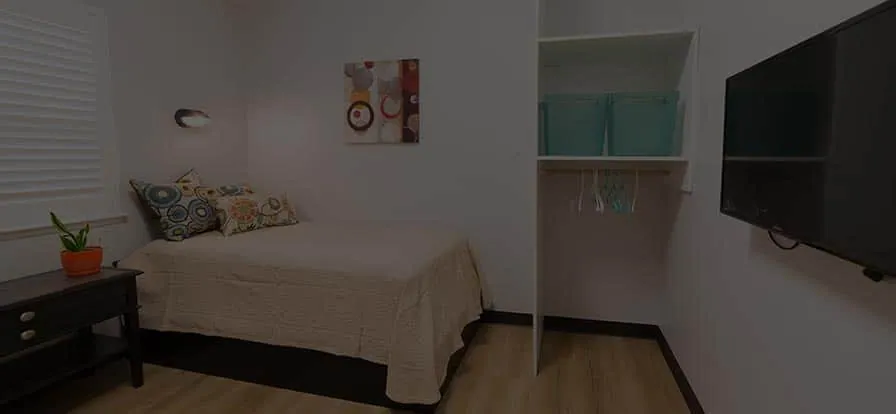 Inpatient
 Houston, TX
1019 Ashland St · 77008
- On-site labs
- 24-hour medical staff
Drug Detox Center in Houston, TX
-
 Outpatient
 San Antonio, TX
6707 W Hausman Rd · 78249
- Outpatient detox with scheduled medical visits
- Outpatient treatment
Outpatient Drug & Alcohol Detox in San Antonio
How Briarwood Detox Center Supports Family Connection
At our Austin inpatient facility and our outpatient programs in San Antonio and Houston, we balance medical necessity with compassionate family involvement. Our intake team discusses visitation expectations during admission so families know what to anticipate throughout the detoxification process.
For inpatient medical detox in Austin, we assess each patient's withdrawal severity and adjust visitation timing accordingly. Patients withdrawing from alcohol or benzodiazepines, who face higher seizure risk, may need more restricted early contact than those detoxing from opioids with medication-assisted treatment support.
Our outpatient detox programs in San Antonio and Houston allow patients to return home between medical appointments, maintaining family connection throughout the process. This model works well for individuals with milder dependence, strong home support systems, and lower medical risk. Patients attend scheduled clinical visits for assessment, medication management, and monitoring while living at home.
What Families Can Do to Support Someone in Medical Detox
Even when in-person visits aren't possible during the early stages of medical detox, families play a crucial support role. Preparing the home environment for the patient's return, educating themselves about addiction and recovery, and participating in family support groups all contribute to long-term success.
Families should use the detox period to address their own needs. Al-Anon, Nar-Anon, and other family programs help loved ones understand codependency, enabling behaviors, and healthy boundaries. Many families discover they need their own therapeutic support to heal from the trauma addiction has caused in their relationships.
When visitation does begin, families benefit from guidance on productive communication. Avoiding blame, focusing on the present rather than past mistakes, and listening without judgment create the foundation for renewed trust. Clinical staff can coach families on these skills before and during visits.
Planning the Continuum of Care After Detox
Medical detox is only the beginning of recovery. While detoxification addresses physical dependence and withdrawal, it doesn't treat the underlying addiction or equip patients with relapse prevention skills. That's why discharge planning begins during the detox process itself.
Briarwood Detox Center works with patients and families to identify appropriate next steps, whether that's residential treatment, intensive outpatient programming, individual therapy, medication-assisted treatment, or peer support groups. Family involvement in this planning ensures everyone understands the treatment recommendations and can support the transition.
The question of family visitation during medical detox versus residential treatment reflects a larger truth: recovery is a process, not an event. Each phase has different clinical priorities, risk profiles, and opportunities for family participation. Medical detox prioritizes physical safety and withdrawal management. Residential treatment emphasizes psychological healing and skill-building. Both benefit from family support, but the timing and structure differ based on medical necessity.
If you or someone you love needs medical detoxification services in Texas, Briarwood Detox Center is here to help. Our team can answer your questions about visitation policies, treatment structure, and how we support both patients and their families throughout the detox process.
Ready to take the next step?
Briarwood Detox Center provides medically supervised drug & alcohol detox. Call (866) 710-7710 to speak with our team today.
Frequently Asked Questions
Can you have visitors during medical detox?+–
Visitation during medical detox depends on the facility's policies and the patient's medical condition. Most centers limit visits during the first 48-72 hours when withdrawal symptoms are most severe and medical monitoring is intensive. Once patients are medically stable, scheduled visits are often allowed during designated hours to support recovery while maintaining a therapeutic environment.
Can you visit family while in rehab?+–
Yes, most residential rehab programs allow and encourage family visits once patients complete medical detox and are medically stable. Many facilities offer family therapy sessions, designated visiting hours, or family weekend programs. Policies vary by facility, so check with the specific treatment center about their visitation schedule and any restrictions.
What to do while detoxing?+–
During medical detox, focus on rest, hydration, and following medical staff instructions. Take prescribed medications as directed, communicate openly with clinical staff about symptoms, and avoid bringing outside substances into the facility. Use the time to prepare mentally for ongoing treatment. Reading recovery literature, journaling, or gentle movement when medically cleared can help.
What's the difference between detox and residential treatment?+–
Medical detox is a short-term medical intervention (typically 5-10 days) that safely manages acute withdrawal symptoms and physical dependence. Residential treatment is a longer program (weeks to months) focused on the psychological, behavioral, and social aspects of addiction through therapy, counseling, and skill-building. Detox addresses physical dependence; residential treatment addresses the underlying addiction.
What not to do during a detox?+–
Don't leave against medical advice, use any non-prescribed substances, or hide symptoms from clinical staff. Avoid bringing contraband, romanticizing past drug use with other patients, or skipping medications. Don't make major life decisions while your brain chemistry is still stabilizing. Stay engaged with the treatment plan and communicate honestly with your care team.
Are you allowed to have your phone during detox?+–
Phone policies vary by facility. Some detox centers allow phones during specific hours or after the acute withdrawal phase, while others restrict them to minimize distractions and maintain focus on medical stabilization. Many facilities allow scheduled calls to family members. Check with your specific detox center about their electronic device policy during admission.
What is the 60% rule in rehab?+–
The 60% rule is a Medicare regulation requiring inpatient rehabilitation facilities to admit at least 60% of patients with specific qualifying conditions. This rule applies to general medical rehabilitation hospitals, not addiction treatment centers. It doesn't affect admission to medical detox or residential addiction treatment programs.
Are visitors allowed in recovery?+–
Visitor policies depend on the treatment setting and phase of recovery. Medical detox typically has more restrictions during acute withdrawal, while residential treatment and outpatient programs usually encourage family involvement. Most recovery programs recognize that family support improves outcomes and incorporate family visits, therapy sessions, or communication into the treatment plan when clinically appropriate. Ready to Start Your Recovery in Austin? Briarwood Detox Center offers medically supervised detox in Austin. Explore our locations, see the facility, and verify your insurance in minutes. See our locations
Can I Visit My Family Member While They're in Residential Treatment or Is It a Blackout Period?
Can I visit my family member while they're in residential treatment or is it a blackout period?
Most residential addiction treatment programs allow family visits, but the timing and structure vary by facility and clinical needs. Many programs institute an initial stabilization period (typically 7 to 14 days) with limited or no contact to help your loved one focus on early recovery work. After this initial phase, scheduled visits, family therapy sessions, and phone contact are usually encouraged as part of comprehensive care.
Visitation policies depend on several clinical factors:
- Treatment phase: Early detox and stabilization phases often restrict visits to minimize distraction and support medical safety, while later residential phases actively incorporate family involvement.
- Individual treatment plan: Clinical teams may recommend modified contact if therapeutic concerns exist, such as enabling patterns or family conflict that needs professional mediation first.
- Program philosophy: Some facilities integrate family from day one through structured sessions; others phase in contact gradually to establish therapeutic momentum.
- Logistics and safety: Visiting hours, background checks, and facility policies protect all patients and maintain a therapeutic environment.
At Briarwood Detox Center, our medically supervised detox programs in Austin, San Antonio, Houston, and Colorado Springs focus on the acute withdrawal phase. While detox is typically shorter than full residential treatment (5 to 10 days), we recognize the critical role family plays. Our clinical team provides regular updates to designated family contacts during detox, and once patients transition to continuing care, family engagement becomes central to sustained recovery.
If your family member is entering residential treatment elsewhere after completing detox with us, we encourage you to ask their treatment center these specific questions:
- What is the initial contact restriction period, if any?
- When can scheduled family visits begin?
- Are family therapy or educational sessions available, and when do they start?
- What are the guidelines for phone calls, video calls, and written correspondence?
- How does the clinical team communicate progress to family members?
Family involvement improves long-term recovery outcomes. Even when early visits are limited, most quality programs provide structured opportunities for family education, therapy sessions, and eventually in-person visits. If a program enforces a prolonged total blackout without clinical justification or family communication, consider it a red flag.
For immediate support or questions about our detox programs and how we coordinate with continuing care providers, call Briarwood Detox Center at (866) 710-7710. We help families navigate the full continuum of care and understand what to expect at each stage.
Why do some treatment centers have a no-contact period at the beginning?
An initial stabilization or blackout period serves several clinical purposes. During the first days of residential treatment, patients often experience acute withdrawal symptoms, emotional dysregulation, and significant ambivalence about recovery. Limiting outside contact helps them focus entirely on medical care, therapy engagement, and building trust with clinical staff without the distraction or emotional intensity of family dynamics.
This period also allows the treatment team to complete comprehensive assessments, establish medication protocols, and begin addressing co-occurring mental health conditions in a controlled environment. For many individuals, early family contact can trigger guilt, conflict, or enabling patterns that derail engagement before therapeutic momentum is established.
The blackout period is not punitive—it is a clinical tool designed to maximize early stabilization and set the foundation for healthier family reintegration later in treatment. Quality programs clearly explain the rationale and timeline upfront and provide families with regular clinical updates during this phase.
What should I do if I'm worried during the no-contact period?
If your loved one is in a no-contact phase, you should receive clear communication from the treatment center about their progress and well-being. Reputable facilities assign a primary counselor or case manager who provides regular updates to designated family members, even when direct contact with the patient is restricted.
Ask the admissions team during intake how and when you will receive updates. Request the name and contact information of your loved one's clinical team. If the facility does not offer proactive family communication during a blackout period, advocate for it—transparency is a hallmark of quality care.
Use this time to focus on your own support. Many treatment centers offer family programming, educational resources, or referrals to Al-Anon and Nar-Anon meetings. Taking care of your own emotional health strengthens your ability to support your loved one's recovery when contact resumes.
How can I prepare for the first visit after the blackout period?
The first visit after a period of limited contact is an important milestone. To make it constructive and supportive:
- Follow all facility guidelines: Arrive on time, respect visiting hours, and comply with any restrictions on items you can bring (food, gifts, electronics).
- Listen more than you speak: Let your loved one share their experiences. Avoid interrogating them about their treatment or pressuring them to make promises about the future.
- Focus on encouragement: Acknowledge their courage in seeking help. Share positive observations if you notice changes in their demeanor or clarity.
- Avoid triggering topics: Steer clear of unresolved conflicts, financial stress, or enabling conversations. Save difficult discussions for family therapy sessions with a trained clinician present.
- Participate in family programming: If the facility offers family therapy, education sessions, or multi-family groups during your visit, attend them. These structured environments teach healthier communication and relapse prevention skills.
Remember that early recovery is fragile. Your loved one may seem distant, emotional, or still ambivalent. These reactions are normal. Consistent, boundaried support over time—not a single perfect visit—builds the foundation for lasting change.
Related guides

In network with most major insurance
Find your plan and see what detox would cost
Most plans cover medical detox. Coverage varies by plan, so we verify it for you before you commit to anything.

















Don't see your plan? We work with out-of-network benefits and offer self-pay options — (866) 710-7710
- Confidential
- Takes about 2 minutes
- No obligation to admit
- Accredited The Joint Commission
- Rated 4.7 · 182 Google reviews Flourishing Foundations Recovery, now part of Briarwood
- Admissions 24 hours a day