
Mental healthTrauma
Trauma and addiction, treated together
A great many people in detox are there because of something that happened to them, and almost nobody wants to talk about it in the first week. That is fine. It is not what the first week is for.
Admissions answered 24 hours a day · Most major insurance accepted
Includes reviews of Flourishing Foundations Recovery, now part of Briarwood
The essentials
Trauma and detox, in short
Trauma-informed medical detox in Austin, Houston and San Antonio. What that means in practice, and why detox is not the place to work through what happened.
Not sure whether trauma is part of what is going on?
An assessment answers that, free.
At a glance
Co-occurring · Trauma
- Condition
- Trauma
- Treated
- Alongside medical detox, not instead of it
- Locations
- Austin · Houston · San Antonio
- What we do
- 4 things, in full below
- Signs to call about
- 4 listed — recognition, not a checklist
- What we do not do
- We do not do trauma therapy during detox, and we would be doing you harm if we tried. Opening something that large in the days when your nervous syste
- Admissions
- (866) 710-7710 — answered 24 hours a day
- Insurance
- In network with most major carriers; benefits verified free
Coverage
Our center is in-network with many insurances
Type your plan below to check it, or call and we will verify your benefits with your insurer directly. Free, and with no obligation to admit.

















Takes about two minutes · Or call (866) 710-7710

- Accredited The Joint Commission
- Rated 4.7 · 182 Google reviews Flourishing Foundations Recovery, now part of Briarwood
- Admissions 24 hours a day
How the two feed each other
Substances are effective at making an unbearable memory quieter, which is precisely why they get used that way and why stopping is harder for someone carrying one. Take the substance away and the thing it was muffling gets louder — so a detox that ignores trauma is a detox that gets walked out of.
What withdrawal does to it
Trauma-informed care during detox mostly means how the building runs: nobody is required to disclose anything, medical procedures are explained before they happen rather than done to you, and you can decline. Feeling in control of small things matters more here than it sounds.
Reasons people call us about this
- You started drinking or using around the time something happened.
- Sleep is the problem, and drinking is what makes sleep possible.
- You avoid places, people or conversations, and the avoidance has been narrowing your life.
- You have been told to see somebody about it and could not face doing it sober.
What we do
- Trauma-informed practice as a rule about consent and explanation, not a therapy timetable.
- Counseling available daily, on your terms, with no obligation to go into detail.
- Psychiatric assessment, including sleep, which is usually the most treatable part.
- A referral into trauma-specific treatment for afterwards, arranged before discharge.
What we do not do
We do not do trauma therapy during detox, and we would be doing you harm if we tried. Opening something that large in the days when your nervous system is already overloaded is the wrong sequence. Detox stabilizes you so that the work becomes possible, and then we hand you to somebody who does it properly.
More on how the two are handled together during a stay: dual diagnosis support during detox.
Straight answers
Trauma and detox — common questions
Is there a link between trauma and addiction?
Substances are effective at making an unbearable memory quieter, which is precisely why they get used that way and why stopping is harder for someone carrying one. Take the substance away and the thing it was muffling gets louder — which is why a detox that ignores trauma is a detox that gets walked out of.
Will I have to talk about what happened?
No. Nobody is required to disclose anything to be admitted or to stay. Counseling is available every day and what you bring to it is yours to choose.
Do you do trauma therapy?
Not during detox, deliberately. Detox is five to seven days and trauma work is not a five-day job — starting it here would open something we cannot see you through. We arrange the referral for afterwards.
What does trauma-informed actually mean?
Practically: procedures explained before they happen, the ability to decline, no forced disclosure, and staff who understand that a startle response or a refusal is information rather than difficulty.
What are the 7 trauma responses?
There is no recognized set of seven. It is not a clinical framework — no national body publishes it, and SAMHSA’s own guidance on trauma contains nothing of the kind. What SAMHSA does describe is that reactions to trauma show up across several areas at once: emotional, physical, cognitive, behavioral, social, and developmental. The part worth carrying into detox is its framing — these are normal responses to what happened, not signs of mental illness.
Where we are
Where we offer this
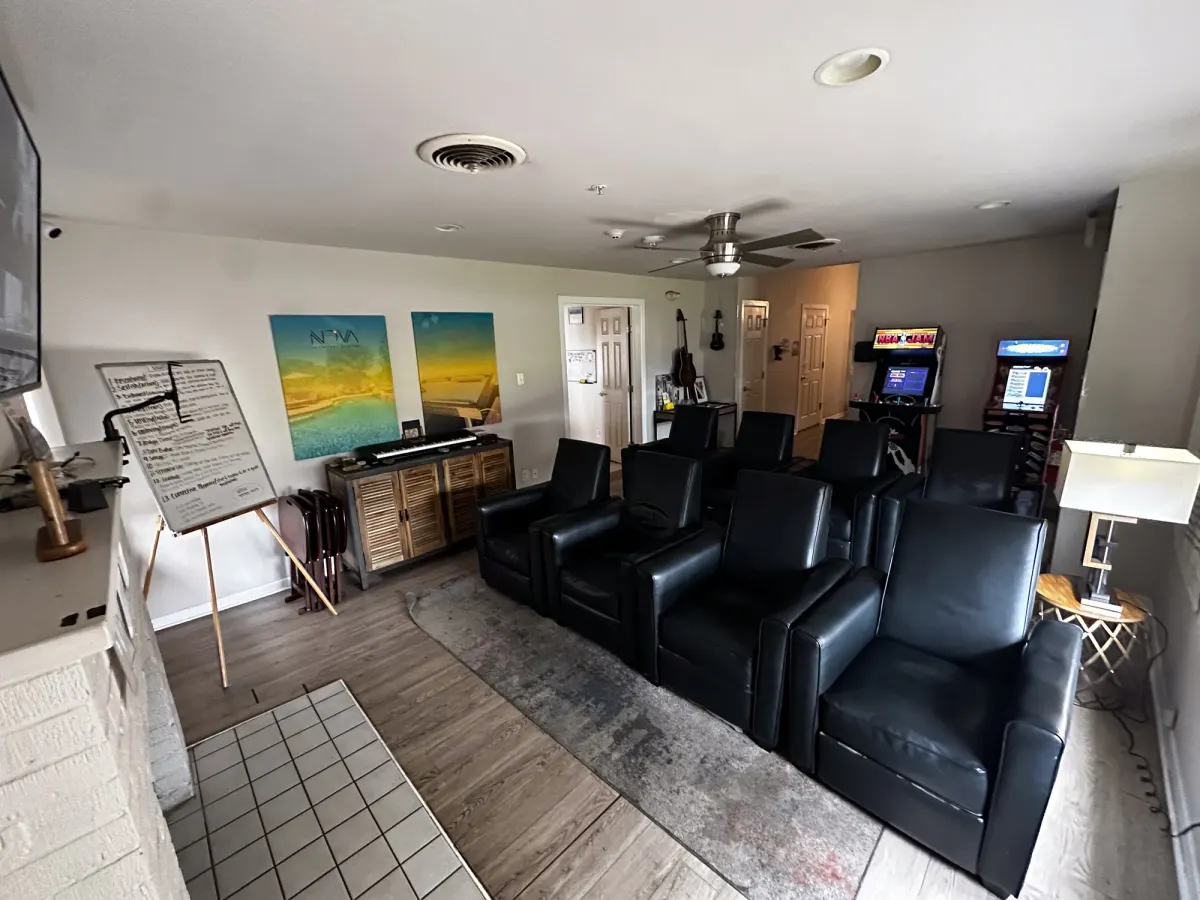
Three locations, each with its own admissions line and its own clinical team. Pick the one nearest you — or call and we will tell you which has a bed tonight.
-
 Inpatient
 Austin, TX
11711 N Lamar Blvd · 78753
- 15 beds
- On-site labs
- 24-hour medical staff
Drug & Alcohol Detox in Austin, TX
-
 Inpatient
 Houston, TX
1019 Ashland St · 77008
- On-site labs
- 24-hour medical staff
Drug Detox Center in Houston, TX
-
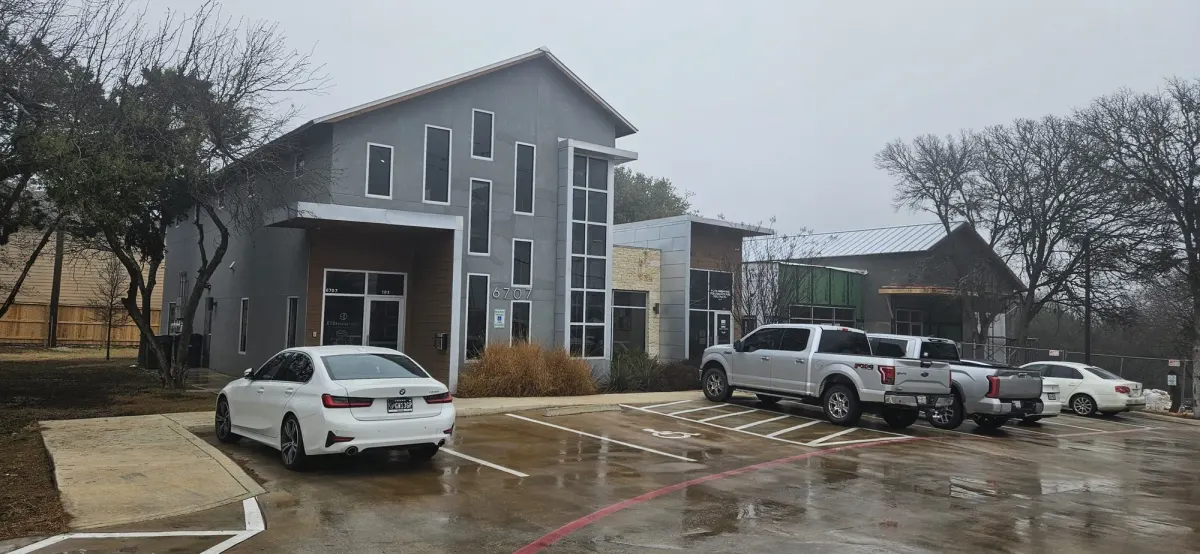 Outpatient
 San Antonio, TX
6707 W Hausman Rd · 78249
- Outpatient detox with scheduled medical visits
- Outpatient treatment
Outpatient Drug & Alcohol Detox in San Antonio
What happens after detox
The mental-health side is treated in the levels of care that follow, and the referral is arranged before you leave rather than left to you.
- Briarwood Detox CenterMedical detoxDetox is withdrawal management — getting the substance out of your system with medical staff watching, so the days that can be dangerous are managed rather than survived alone. It is the first stage of treatment, not a substitute for it.See where we offer it
 Inpatient treatmentInpatient treatment is where the work moves from the body to what put you here. You live on site, the days are structured, and there is nothing to manage except the treatmentAbout inpatient treatment
- Briarwood Detox CenterOutpatient treatmentOutpatient treatment is the same clinical work as residential care, on a schedule that lets you keep your job and sleep in your own bed. We deliver it at our San Antonio location, and it is also available through Nova Recovery Center.See where we offer it
 Sober livingSober living is housing, not treatment: a substance-free home with structure, accountability and people at the same stage. Most people live in one WHILE they are in outpatient treatment rather than after itAbout sober living
All three are one company: Briarwood Detox Center and Eudaimonia Recovery Homes are part of Nova Recovery Center, so a single call arranges whichever comes next.