
Guide
Can I Detox From Benzodiazepines at Home or Is Medical Supervision Required?
Joint Commission accredited · In network with most major insurance · Admissions answered 24 hours a day

Published July 17, 2026
Reviewed and updated July 29, 2026
No, you should not attempt to detox from benzodiazepines at home without medical supervision. Benzodiazepine withdrawal is one of the few drug withdrawals that can be fatal, capable of triggering seizures, severe autonomic instability, and life-threatening complications even in otherwise healthy individuals. Medical supervision is required for safe benzodiazepine detoxification because abrupt cessation or unsupervised tapering places you at serious risk for grand mal seizures, delirium, cardiac events, and withdrawal-related mortality.
If you or someone you love needs more than detox, Briarwood Detox Center also provides alcohol rehab austin.
Briarwood Detox Center’s benzo detox program provides medically supervised, evidence-based care.
The question of whether medical supervision is required for benzo detox isn't a matter of comfort or convenience—it's a matter of survival. Unlike opioid withdrawal, which feels terrible but rarely kills, benzodiazepine withdrawal syndrome carries genuine mortality risk that demands clinical intervention, monitoring, and pharmacological management throughout the entire detoxification process.
Does your insurance cover detox in Austin?
Find out in about 2 minutes — free, confidential, no obligation.
Verify InsuranceWhy Benzodiazepine Withdrawal Is Medically Dangerous
Benzodiazepines—alprazolam (Xanax), clonazepam (Klonopin), diazepam (Valium), lorazepam (Ativan), and others—work by enhancing gamma-aminobutyric acid (GABA) activity in the central nervous system. GABA is your brain's primary inhibitory neurotransmitter, the chemical brake pedal that prevents overexcitation. When you use benzodiazepines regularly, your brain down-regulates its natural GABA production and receptor sensitivity, compensating for the drug's presence.
When you stop taking benzodiazepines suddenly, you remove that pharmacological braking system while your brain's natural inhibitory mechanisms remain suppressed. The result is neurological hyperexcitability—your neurons fire without adequate inhibition. This hyperexcitable state manifests as anxiety, tremors, muscle tension, insomnia, and in severe cases, seizures.
Seizures represent the most acute danger during benzodiazepine withdrawal. Grand mal seizures can occur anywhere from 24 hours to two weeks after your last dose, depending on the half-life of the specific benzodiazepine. These seizures can result in physical injury from falls, aspiration, status epilepticus (prolonged seizure activity), and death. The seizure threshold varies dramatically between individuals, making it impossible to predict who will seize and who won't based on dose or duration of use alone.
What Medical Supervision Provides During Benzo Detox
Medically supervised benzodiazepine detoxification isn't simply observation—it's active clinical management designed to prevent dangerous complications while your nervous system gradually restabilizes. During medically supervised detoxification, treatment teams provide several critical interventions that cannot be safely replicated at home.
Pharmacological tapering protocols form the foundation of safe benzo detox. Rather than abrupt cessation, medical teams implement carefully calculated dose reductions, often substituting short-acting benzodiazepines with longer-acting equivalents like diazepam or chlordiazepoxide. These longer half-life medications provide smoother blood levels and reduce the shock to your nervous system. The taper schedule is individualized based on your usage history, the specific benzodiazepine you've been taking, your current dose, duration of dependence, and any co-occurring medical or psychiatric conditions.
Continuous vital sign monitoring allows clinical staff to detect early signs of autonomic instability—elevated heart rate, blood pressure fluctuations, temperature dysregulation, and respiratory changes. These autonomic symptoms often precede more serious complications and provide warning signs that intervention is needed.
Seizure precautions and emergency response capability ensure that if a seizure does occur despite preventive measures, you receive immediate medical intervention. This includes rescue medications like lorazepam or diazepam administered intravenously, airway management, and transfer to higher levels of care if needed.
Timeline and Phases of Medically Supervised Benzodiazepine Detox
The duration of benzodiazepine detox medical supervision varies significantly based on several factors: the specific benzodiazepine involved, your dosage, how long you've been taking it, whether you're physically dependent or addicted, and your individual physiology. Short-acting benzodiazepines like alprazolam produce withdrawal symptoms within 6-12 hours, while long-acting agents like diazepam may not produce symptoms for 24-48 hours.
During acute medical detox—typically lasting 5-14 days in an inpatient or intensive outpatient setting—the focus is stabilization and preventing life-threatening complications. You receive around-the-clock monitoring, medication adjustments, hydration support, nutritional intervention, and symptomatic relief for insomnia, anxiety, muscle pain, and gastrointestinal distress.
Following acute detoxification, many patients require extended tapering protocols lasting weeks to months. This extended phase typically transitions to outpatient care with regular medical check-ins, though the initial high-risk period demands the intensive monitoring that only inpatient or structured outpatient programs can provide. Briarwood Detox Center offers both inpatient medically supervised detox in Austin and outpatient detox programs in Austin, San Antonio, Houston, and Colorado Springs, allowing patients to access the appropriate level of care based on their clinical needs.
Which Drugs Require Medical Supervision for Detox
While benzodiazepine withdrawal is the focus here, it's worth understanding that medical supervision is required for detox from several substance classes. Alcohol withdrawal shares the same dangerous mechanism as benzodiazepine withdrawal—GABA system dysregulation leading to potentially fatal seizures and delirium tremens. Barbiturates, though less commonly prescribed today, also carry severe withdrawal risks requiring medical management.
Opioids, stimulants, and cannabis don't typically produce life-threatening withdrawal syndromes, but medical supervision dramatically increases comfort and completion rates. The key distinction is that for benzodiazepines and alcohol, medical supervision isn't optional—it's a medical necessity to prevent mortality.
If you've been using benzodiazepines in combination with alcohol or opioids—a common pattern—your withdrawal risk compounds. Polysubstance dependence creates unpredictable interactions during detoxification that require expert clinical management and often more intensive monitoring protocols.
Can a Person Detox From Benzos on Their Own?
The practical answer is that you should not attempt to detox from benzodiazepines on your own, but people do try. Some attempt slow self-tapers by cutting pills or spacing doses further apart. Others quit abruptly, unaware of the danger or hoping they'll be among those who experience only mild symptoms.
The problem with self-directed benzodiazepine detox is that you cannot predict or manage the serious complications when they arise. You might feel fine for several days, then experience a seizure without warning. You might underestimate your dependence level and taper too quickly, triggering severe withdrawal. You might lack access to the longer-acting benzodiazepines that make tapering safer, forcing you to work with the short-acting pills you have on hand—a far more dangerous approach.
Ready to talk to someone now? Briarwood Detox Center's admissions team is here 24/7, and every call is confidential. Call (866) 710-7710.Even if you involve a prescribing physician who isn't addiction-trained, outpatient tapers without structured monitoring carry substantially higher risk than medically supervised detox programs. Well-intentioned physicians sometimes taper too rapidly, fail to recognize warning signs, or don't provide adequate symptom management, leaving patients to suffer through preventable complications or relapse to stop the discomfort.
Where we are
Detox centers across Texas
Three locations, each with its own admissions line and its own clinical team. Pick the one nearest you — or call and we will tell you which has a bed tonight.
-
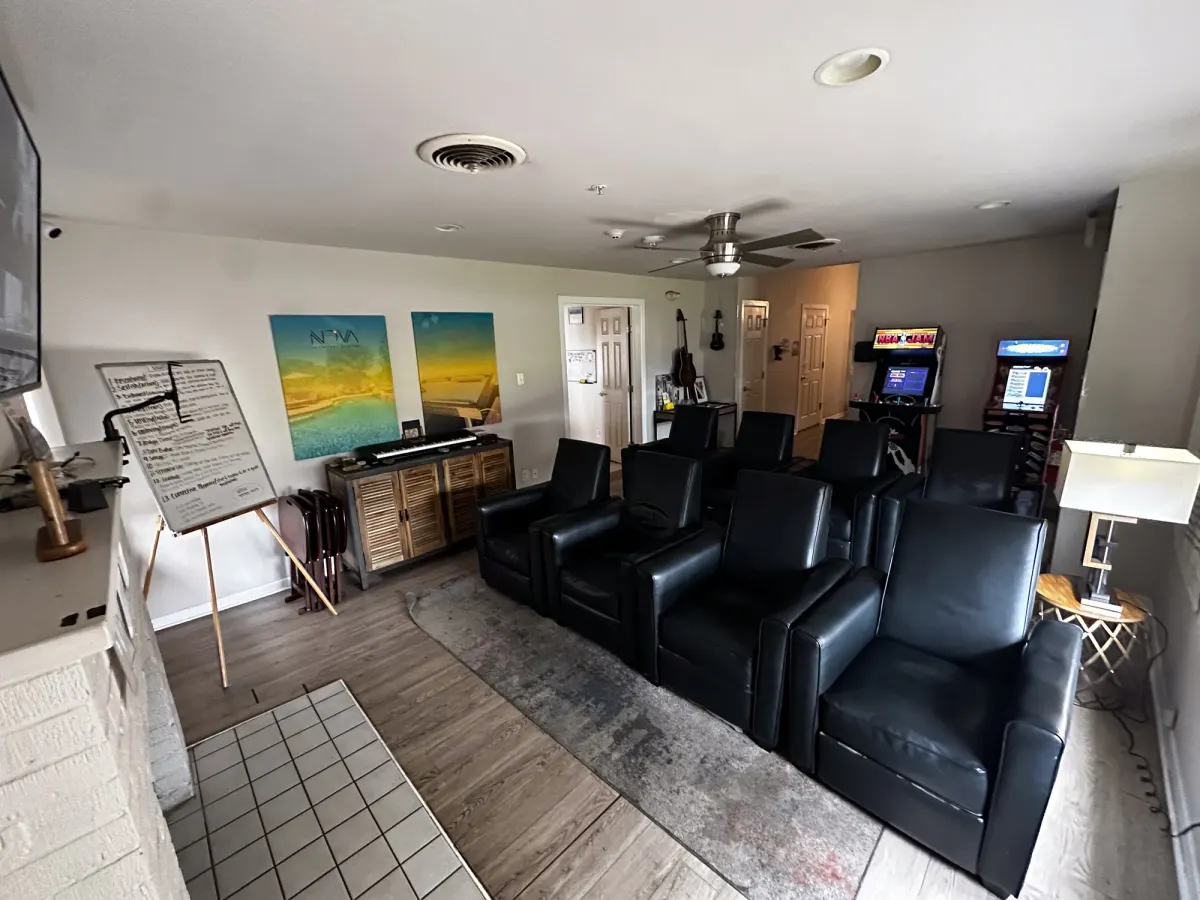 Inpatient
 Austin, TX
11711 N Lamar Blvd · 78753
- 15 beds
- On-site labs
- 24-hour medical staff
Drug & Alcohol Detox in Austin, TX
-
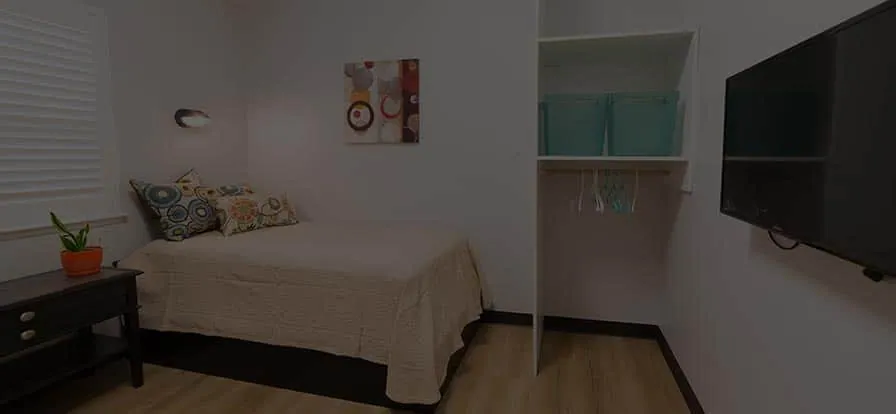 Inpatient
 Houston, TX
1019 Ashland St · 77008
- On-site labs
- 24-hour medical staff
Drug Detox Center in Houston, TX
-
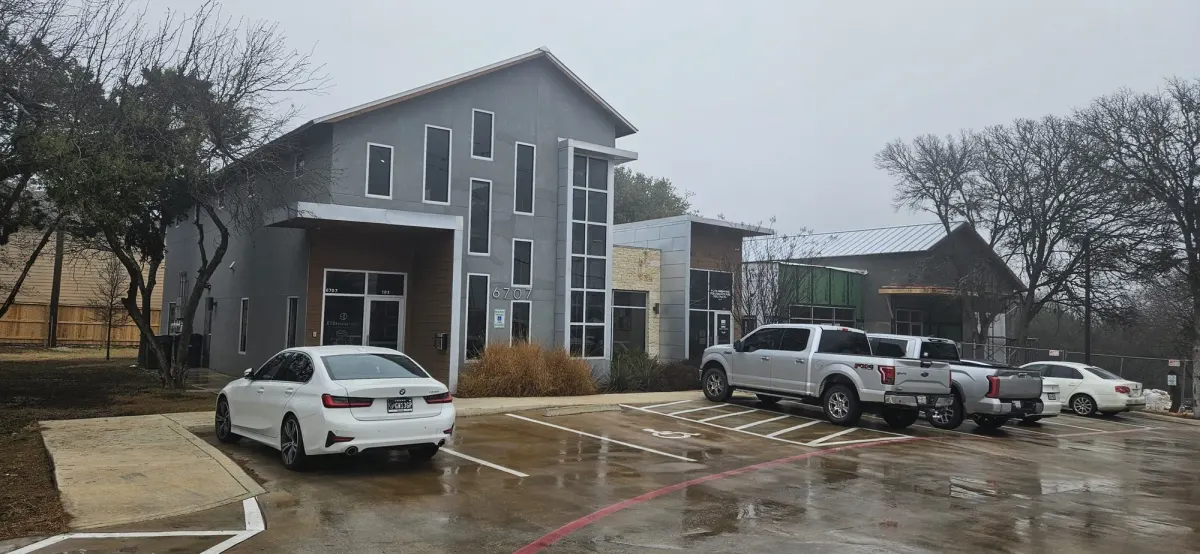 Outpatient
 San Antonio, TX
6707 W Hausman Rd · 78249
- Outpatient detox with scheduled medical visits
- Outpatient treatment
Outpatient Drug & Alcohol Detox in San Antonio
What Medications Are Used for Benzodiazepine Detox
The cornerstone of medication-assisted benzodiazepine detox is substitution and gradual taper. Long-acting benzodiazepines, particularly diazepam or chlordiazepoxide, replace shorter-acting agents. These longer half-life medications provide more stable blood levels, reducing the peaks and valleys that trigger acute withdrawal symptoms.
The conversion process requires precise calculation. For example, 1 mg of alprazolam roughly equals 20 mg of diazepam; 1 mg of clonazepam equals approximately 20 mg of diazepam; 1 mg of lorazepam equals about 10 mg of diazepam. Once converted to the long-acting equivalent, the medical team implements a gradual reduction schedule—often 10-25% reductions every few days to weekly, adjusted based on your response.
Adjunctive medications support the detox process without replacing benzodiazepines. Anticonvulsants like carbamazepine or gabapentin may reduce seizure risk and ease anxiety. Beta-blockers address autonomic symptoms like elevated heart rate and tremor. Non-benzodiazepine sleep aids, alpha-2 agonists, and other agents manage specific symptoms without perpetuating GABA dependence.
Some newer protocols incorporate flumazenil, a benzodiazepine antagonist, in very controlled settings, though this approach remains controversial and isn't widely used. The standard of care remains substitution-taper protocols that have decades of evidence supporting their safety and efficacy.
Understanding the Difference Between Medical Detox Settings
Not all medical supervision looks the same. Inpatient medical detox provides 24-hour nursing care, physician availability, continuous monitoring, and immediate intervention capability. This setting is appropriate for high-dose benzodiazepine dependence, polysubstance use, previous complicated withdrawals, seizure history, significant medical comorbidities, or lack of safe home environment.
Intensive outpatient detox programs provide daily or multiple-times-weekly medical visits, medication management, and close monitoring while allowing you to return home between sessions. This model works for patients with lower-dose dependence, stable home environments, no seizure history, and lower overall medical risk. Briarwood Detox Center's outpatient programs in Austin, San Antonio, Houston, and Colorado Springs serve patients who meet these criteria.
The determination of appropriate setting isn't about preference—it's a clinical decision based on risk stratification. Attempting outpatient detox when you require inpatient care endangers your life. Conversely, some patients can safely detox in structured outpatient settings with appropriate medical protocols, making treatment more accessible while maintaining safety.
Getting Professional Help for Benzodiazepine Detox
If you're dependent on benzodiazepines and considering stopping, the single most important step is connecting with a specialized detox program before you make any changes to your medication regimen. Don't stop taking benzodiazepines abruptly, even if you want to quit immediately—the withdrawal risk is too high. Instead, continue your current regimen while you arrange for appropriate medical care.
When evaluating detox programs, verify that they have specific benzodiazepine withdrawal protocols, addiction medicine specialists or physicians trained in withdrawal management, 24-hour medical staffing (for inpatient) or daily medical contact (for outpatient), and individualized tapering rather than fixed-duration programs. Length of stay or program duration should be determined by your clinical progress, not by arbitrary timelines.
Briarwood Detox Center specializes in medically supervised benzodiazepine detoxification, offering both inpatient services in Austin and outpatient programs across Texas and Colorado. If you're struggling with benzodiazepine dependence and need help safely discontinuing these medications, reach out to discuss which level of care is appropriate for your situation.
Ready to take the next step?
Briarwood Detox Center provides medically supervised drug & alcohol detox. Call (866) 710-7710 to speak with our team today.
Frequently Asked Questions
Does detox always require medical supervision?+–
Not all substance detox requires medical supervision, but benzodiazepine and alcohol detox absolutely do. These withdrawals can trigger life-threatening seizures and autonomic instability. Opioid, stimulant, and cannabis withdrawal are rarely life-threatening but benefit significantly from medical support for comfort and completion. The requirement for supervision depends on the substance, dose, duration of use, and individual medical factors.
Which withdrawal should be done under medical supervision?+–
Benzodiazepine and alcohol withdrawal must be done under medical supervision because both can cause fatal seizures and severe complications. Barbiturate withdrawal also requires medical management. Opioid withdrawal, while extremely uncomfortable, is rarely life-threatening but has much higher success rates with medical support. Any polysubstance dependence or history of complicated withdrawal warrants medical supervision regardless of primary substance.
What is medically supervised detoxification?+–
Medically supervised detoxification is the process of safely discontinuing dependence-forming substances under direct medical care. It includes physician assessment, medication-assisted tapering protocols, vital sign monitoring, symptom management, nutritional support, and emergency intervention capability. The goal is preventing dangerous complications while managing withdrawal symptoms and preparing patients for ongoing treatment. Settings range from 24-hour inpatient care to intensive outpatient programs with daily medical contact.
What is used for benzo detox?+–
Benzodiazepine detox primarily uses substitution with long-acting benzodiazepines like diazepam or chlordiazepoxide, which are gradually tapered. Adjunctive medications include anticonvulsants for seizure prevention, beta-blockers for autonomic symptoms, and non-benzodiazepine sleep aids. The specific protocol is individualized based on which benzodiazepine you've been taking, your dose, duration of use, and medical history. Proper conversion calculations and gradual taper schedules are essential for safety.
Which drugs require medical detox?+–
Benzodiazepines, alcohol, and barbiturates require medical detox because withdrawal can be fatal without proper management. These substances affect GABA neurotransmission, and sudden cessation causes dangerous neurological hyperexcitability and seizures. Opioids don't typically require medical detox for safety but have dramatically better outcomes with medical support. Stimulant and cannabis withdrawal are rarely dangerous but benefit from clinical management, especially with polysubstance use or psychiatric comorbidities.
Can a person detox on their own?+–
You should never attempt benzodiazepine detox on your own due to seizure and mortality risk. Even with physician-prescribed tapers, without specialized addiction medicine expertise and close monitoring, complications frequently occur. Self-directed tapers using short-acting benzodiazepines are particularly dangerous. While some people do attempt unsupervised detox, the unpredictability of withdrawal timing and severity makes this approach life-threatening. Medical supervision isn't about comfort—it's about preventing death.
What substance requires medical supervision for detox?+–
Benzodiazepines and alcohol are the two substances that absolutely require medical supervision for detox due to potentially fatal withdrawal syndromes. Both cause GABA system suppression, and abrupt cessation triggers seizures, delirium, and autonomic instability that can kill. Barbiturates also fall into this category but are less commonly prescribed today. Medical supervision transforms a potentially lethal process into a manageable, safe clinical procedure with appropriate protocols.
What is the 3 day rule for withdrawal?+–
The "3 day rule" is a rough guideline suggesting that opioid withdrawal symptoms typically peak around 72 hours after last use, though this varies significantly by substance. For benzodiazepines, this rule doesn't apply—withdrawal timelines depend on the specific medication's half-life. Short-acting benzos like alprazolam produce symptoms within 6-12 hours, while long-acting agents like diazepam may not trigger withdrawal for 24-48 hours. Seizure risk can extend one to two weeks out. Ready to Start Your Recovery in Austin? Briarwood Detox Center offers medically supervised detox in Austin. Explore our locations, see the facility, and verify your insurance in minutes. See our locations
What Are the Medical Risks of Detoxing from Benzodiazepines Without Professional Supervision?
Detoxing from benzodiazepines without professional supervision carries life-threatening risks, including seizures, delirium, severe cardiovascular events, and death. Benzodiazepine withdrawal is one of the most dangerous types of withdrawal syndromes because the central nervous system experiences sudden, intense hyperactivity when the drug is stopped abruptly. Unlike many other substances, benzo withdrawal can be medically fatal without proper tapering and clinical monitoring.
When you stop taking benzodiazepines—especially after regular use for more than a few weeks—your brain's GABA receptors, which have adapted to the drug's presence, become suddenly unregulated. This creates a neurological crisis that can escalate rapidly, often within 24–72 hours of your last dose.
Life-Threatening Medical Risks of Unsupervised Benzo Detox
- Grand mal seizures: The most dangerous complication. Seizures can occur suddenly, cause severe injury from falls, trigger status epilepticus (continuous seizures), and be fatal without emergency intervention.
- Delirium tremens (DTs): Severe confusion, hallucinations, agitation, and autonomic instability—similar to alcohol withdrawal DTs—requiring immediate hospitalization.
- Cardiac complications: Rapid heart rate (tachycardia), dangerous blood pressure spikes, arrhythmias, and increased risk of heart attack or stroke, especially in older adults or those with existing cardiovascular conditions.
- Severe dehydration and electrolyte imbalances: Caused by vomiting, diarrhea, and sweating, which can worsen seizure risk and cause organ failure.
- Respiratory depression or failure: Paradoxical breathing problems during severe withdrawal episodes.
- Psychosis and severe psychiatric symptoms: Paranoia, hallucinations, panic attacks, suicidal ideation, and extreme anxiety that can lead to self-harm.
- Protracted withdrawal syndrome: Months of debilitating symptoms—insomnia, anxiety, cognitive impairment, muscle pain—that many people cannot endure without relapse or crisis.
Why Home Detox from Benzos Is Extremely Dangerous
At home, you have no access to:
- 24/7 vital-sign monitoring (heart rate, blood pressure, oxygen levels, temperature)
- Emergency seizure protocols and anticonvulsant medications
- A medically supervised taper schedule tailored to your dose, duration of use, and health history
- IV fluids, electrolyte correction, and nutritional support
- Psychiatric stabilization for severe anxiety, panic, or suicidal thoughts
- Immediate response to medical emergencies
Many people who attempt benzo detox at home underestimate the severity and speed of withdrawal. Symptoms can become unmanageable within hours, and by the time 911 is called, the situation is already critical.
What Medical Detox Provides to Keep You Safe
At Briarwood Detox Center in Austin, our medically supervised benzodiazepine detox includes:
- Individualized tapering protocols: Gradual dose reduction using long-acting benzodiazepines (like diazepam or clonazepam) to minimize withdrawal intensity and seizure risk.
- Around-the-clock medical monitoring: Nurses and physicians track your vitals, neuro status, and comfort levels every few hours.
- Seizure prevention and emergency response: Immediate access to anticonvulsants, oxygen, cardiac support, and emergency transport if needed.
- Symptom management medications: For anxiety, insomnia, muscle tension, nausea, and blood pressure stabilization.
- Psychiatric and emotional support: Counseling, crisis intervention, and therapeutic activities to address the psychological components of withdrawal.
- Transition planning: Coordination with outpatient providers, therapists, and ongoing medication-assisted treatment (if appropriate) to prevent relapse.
If you or a family member is physically dependent on benzodiazepines—whether prescribed or obtained otherwise—please do not attempt to stop cold turkey or taper without medical guidance. Call us at (866) 710-7710 to discuss your situation confidentially and arrange safe, compassionate detox care in Austin.
Frequently Asked Questions: Benzo Detox Risks
Can I die from benzodiazepine withdrawal?
Yes. Benzodiazepine withdrawal can be fatal, primarily due to seizures, cardiovascular events, or delirium. The risk is highest when someone stops abruptly after prolonged or high-dose use. Medical supervision dramatically reduces this risk through controlled tapering and seizure prevention protocols.
How long does it take for benzo withdrawal to become dangerous?
Withdrawal symptoms typically begin within 12–24 hours for short-acting benzos (like Xanax or Ativan) and 24–48 hours for longer-acting ones (like Valium or Klonopin). The most dangerous period—when seizures and severe symptoms are most likely—is generally 24–72 hours after the last dose, though risks can persist for a week or longer depending on the individual.
Is benzo withdrawal worse than opioid withdrawal?
In terms of medical danger, yes. Opioid withdrawal is extremely uncomfortable but rarely life-threatening on its own. Benzodiazepine withdrawal, however, can cause fatal seizures and severe cardiovascular complications. Both require medical care, but benzo detox demands closer monitoring and a slower, more carefully managed taper.
What if I've only been taking benzos for a few weeks—do I still need medical detox?
Physical dependence can develop in as little as two to four weeks of daily benzodiazepine use. Even short-term users can experience withdrawal symptoms, including rebound anxiety, insomnia, and in some cases seizures. It's safest to consult a medical provider before stopping, especially if you've been taking higher doses or have a history of seizures or other health conditions.
Can a doctor help me taper at home, or do I need inpatient detox?
Some people with low-dose, short-duration use and strong support systems may be able to complete a slow outpatient taper under close physician supervision. However, inpatient medical detox is strongly recommended if you've been using high doses, using for months or years, have a history of seizures, are using other substances (especially alcohol), have unstable mental health, or lack a safe home environment. Briarwood offers both inpatient detox in Austin and outpatient support in Austin, San Antonio, and Houston—call (866) 710-7710 for a confidential assessment.
What should I do if someone I care about is trying to quit benzos on their own?
Urge them to seek medical evaluation immediately. Explain that benzo withdrawal can cause seizures and other life-threatening complications, and that professional help makes detox safer and more comfortable. If they refuse and you observe confusion, seizures, chest pain, severe agitation, or any other emergency symptoms, call 911. You can also contact Briarwood at (866) 710-7710 to speak with our admissions team about intervention support and same-day placement options.
Related guides

In network with most major insurance
Find your plan and see what detox would cost
Most plans cover medical detox. Coverage varies by plan, so we verify it for you before you commit to anything.











Don't see your plan? We work with out-of-network benefits and offer self-pay options — (866) 710-7710
- Confidential
- Takes about 2 minutes
- No obligation to admit
- Accredited The Joint Commission
- Rated 4.7 · 182 Google reviews Flourishing Foundations Recovery, now part of Briarwood
- Admissions 24 hours a day