
Guide
Can I Visit My Husband During Medical Detox or Wait Until Residential?
Joint Commission accredited · In network with most major insurance · Admissions answered 24 hours a day


Published July 13, 2026
Reviewed and updated July 29, 2026
If your husband is entering medical detox, you can typically visit during detox—you don't need to wait until he transitions to residential treatment. Most detox centers, including Briarwood Detox Center, encourage family involvement during the withdrawal phase, though visitation policies vary by facility and depend on his medical stability, program structure, and clinical recommendations. Direct contact with the admissions team before or during intake will clarify the specific visiting hours, protocols, and any restrictions that apply during his stay in medical detox.
If you or someone you love needs more than detox, Briarwood Detox Center also provides austin tx drug rehab.
Briarwood Detox Center’s family support program program provides medically supervised, evidence-based care.
Why Medical Detox Visitation Policies Vary
Medical detox is the acute phase of withdrawal management. Unlike residential rehab, which emphasizes therapy and skill-building, detox focuses on physiological stabilization. During the first 48 to 72 hours, withdrawal symptoms peak—nausea, tremors, elevated heart rate, anxiety, and in severe cases, seizures or delirium tremens. Clinical staff monitor vitals continuously, administer medications to ease discomfort, and adjust care plans as symptoms evolve.
Does your insurance cover detox in Austin?
Find out in about 2 minutes — free, confidential, no obligation.
Verify InsuranceBecause of this medical intensity, some facilities restrict visitors early in detox to minimize stimulation and protect patient privacy during vulnerable moments. Others welcome family as soon as the patient is stable enough to engage. The decision hinges on the substance involved, the severity of withdrawal, co-occurring medical conditions, and whether the individual is alert and oriented.
Briarwood Detox Center's inpatient program in Austin, Texas, and outpatient detox services in Austin, San Antonio, Houston, and Colorado Springs each have tailored visitation guidelines. Inpatient detox typically offers structured visiting windows once acute symptoms stabilize, while outpatient detox—where patients return home between appointments—naturally allows more frequent family contact outside clinical hours.
Can I Visit My Husband During Medical Detox? What to Expect
When you call to verify visitation, expect the clinical team to ask about timing. If your husband just arrived, they may recommend waiting 24 to 48 hours so medical staff can complete the initial assessment, begin medication protocols, and ensure he's medically stable. Once cleared, visits are usually scheduled during designated hours—mornings, afternoons, or early evenings—to avoid disrupting group sessions, physician rounds, or medication administration.
Visitation rooms are typically quiet, private spaces separate from clinical areas. You won't be in his room during medical checks, but you can spend time together in a supervised lounge or family area. Some centers allow outdoor walks if the patient is ambulatory and stable. Visits are often limited to 30 to 60 minutes to prevent fatigue, especially when someone is still experiencing withdrawal symptoms like headache, muscle aches, or cognitive fog.
You'll likely be asked to leave personal items—purses, bags, outside food—at the front desk. This isn't punitive; it's a safety protocol to prevent accidental introduction of substances or contraband. Staff may also brief you on what topics to avoid (stressful family issues, financial problems) and encourage supportive, calm conversation that reinforces his decision to seek help.
Do I Need to Wait Until He's in Residential to Visit?
No. The belief that families must wait until residential treatment to visit is a misconception. Residential rehab and medical detox serve different purposes and operate on different timelines. Medical detox is short—typically three to seven days for alcohol, five to ten days for opioids or benzodiazepines—and addresses the physical withdrawal process. Residential treatment follows detox and can last 30, 60, or 90 days, focusing on behavioral therapy, relapse prevention, and underlying mental health issues.
Many people conflate the two because they often occur sequentially, but visitation policies are independent. In fact, some residential programs are more restrictive early on, implementing a "blackout period" during the first week to help patients adjust to structure and reduce outside distractions. Medical detox, by contrast, often welcomes family earlier because emotional support can ease anxiety and improve treatment adherence during the hardest physical days.
If your husband plans to transfer from Briarwood's inpatient detox in Austin to a separate residential facility, ask both programs about their visitation calendars. You may have more access during detox than during the first phase of residential, depending on each program's clinical philosophy.
Where we are
Detox centers across Texas
Three locations, each with its own admissions line and its own clinical team. Pick the one nearest you — or call and we will tell you which has a bed tonight.
-
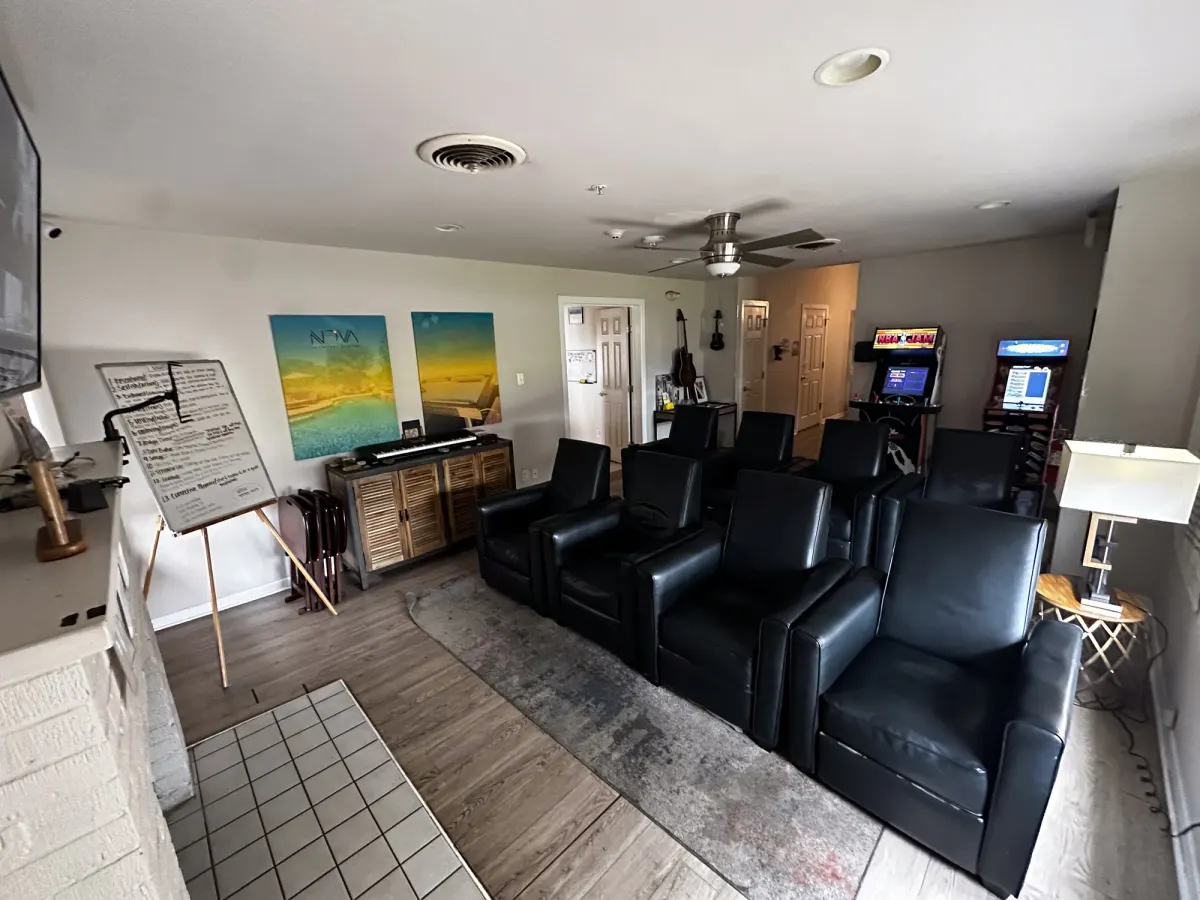 Inpatient
 Austin, TX
11711 N Lamar Blvd · 78753
- 15 beds
- On-site labs
- 24-hour medical staff
Drug & Alcohol Detox in Austin, TX
-
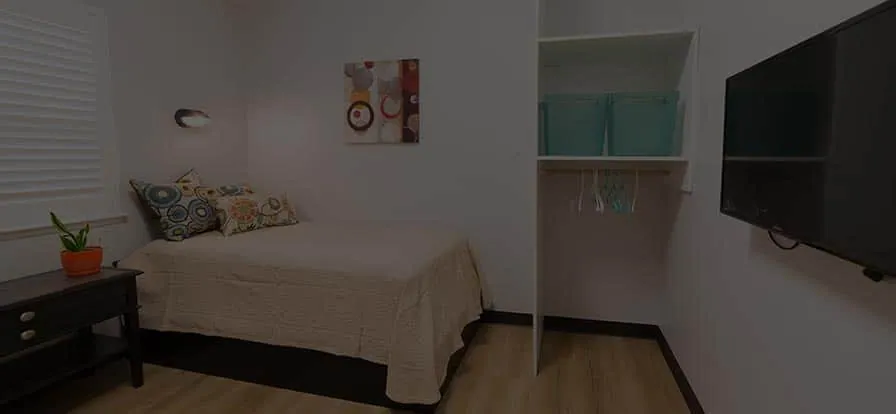 Inpatient
 Houston, TX
1019 Ashland St · 77008
- On-site labs
- 24-hour medical staff
Drug Detox Center in Houston, TX
-
 Outpatient
 San Antonio, TX
6707 W Hausman Rd · 78249
- Outpatient detox with scheduled medical visits
- Outpatient treatment
Outpatient Drug & Alcohol Detox in San Antonio
How Family Visits Support Medical Detox Outcomes
Seeing you can reduce the psychological distress that compounds physical withdrawal. Detox is frightening—patients often feel shame, fear of the unknown, and doubt about whether they can complete treatment. A calm, nonjudgmental presence reassures them they're not alone and that their decision to detox is supported at home.
Research shows that family involvement during early treatment correlates with longer retention in care and lower relapse rates. When a spouse visits, it normalizes the treatment environment, transforming it from a clinical "lockdown" into a collaborative healing space. You also gain firsthand understanding of what he's experiencing, which helps you prepare for his return home and recognize triggers or warning signs later.
Visits also allow the clinical team to educate you. Nurses or counselors may pull you aside to explain the withdrawal timeline, discuss discharge planning, review medication instructions, and connect you with family therapy or Al-Anon resources. This psychoeducation equips you to be a more effective support person once he transitions to outpatient care or residential treatment.
What If He's in Outpatient Medical Detox?
Outpatient detox changes the visitation question entirely. Because your husband returns home each evening after daily or twice-daily clinical appointments, you'll have continuous contact outside scheduled treatment hours. Briarwood's outpatient detox programs in Austin, San Antonio, Houston, and Colorado Springs are designed for individuals with mild to moderate withdrawal risk, stable home environments, and strong family or social support.
During outpatient detox, you won't "visit" in the traditional sense—you'll be his primary caregiver at home. The clinical team will give you detailed instructions: when to administer prescribed medications, warning signs that require emergency care (confusion, seizure, chest pain), hydration and nutrition guidelines, and how to create a calm, substance-free environment. You may attend some appointments with him, especially intake and discharge, to hear the care plan directly.
This model demands more from family members but offers greater continuity. You witness the entire withdrawal process, which demystifies detox and builds confidence in managing recovery at home. It also allows him to maintain work or family obligations, though most people take medical leave during the acute phase.
Common Restrictions During Medical Detox Visits
Even when visits are allowed, expect reasonable boundaries. These aren't arbitrary rules—they protect patient safety and treatment integrity. Common restrictions include:
Ready to talk to someone now? Briarwood Detox Center's admissions team is here 24/7, and every call is confidential. Call (866) 710-7710.- No children under a certain age: Many detox centers prohibit young children to shield them from distressing symptoms and maintain a clinical atmosphere.
- Limited visitor count: Typically one or two visitors at a time to prevent overstimulation.
- No outside food or drink: Detox protocols often include nutritional plans; unmonitored food can interfere with medications or blood sugar management.
- Photo and phone restrictions: Patient privacy laws (HIPAA) prohibit photographing other patients or clinical areas.
- Supervised visits only: A staff member may remain nearby or check in periodically.
If your husband is in a co-occurring disorder track (detox plus psychiatric stabilization), visits may be further limited during acute psychiatric episodes to prevent agitation or safety risks.
How to Prepare for a Visit During Medical Detox
Before you visit, call the facility to confirm the day and time. Withdrawal symptoms fluctuate—he may feel well enough for a visit one afternoon but too nauseous or fatigued the next. The nursing staff can tell you if he's having a rough day and whether postponing by a few hours makes sense.
Bring comfort, not solutions. This isn't the time to discuss unpaid bills, custody issues, or past betrayals. Focus on the present: acknowledge his courage, ask how he's feeling, share low-stress updates from home (the dog misses him, the weather's nice). Avoid the temptation to problem-solve his entire life during a 30-minute window.
Dress comfortably and leave valuables at home. Detox centers are secure, but minimizing what you carry simplifies check-in. If the facility allows, bring a book, puzzle, or deck of cards to share during the visit—quiet activities that don't require intense focus.
Finally, manage your own expectations. He may be withdrawn, irritable, or tearful. Withdrawal affects mood and cognition. Don't take it personally if he's less communicative than usual. Your presence matters even when conversation is sparse.
Questions to Ask the Admissions or Nursing Team
When coordinating a visit, ask:
- What are your standard visiting hours during medical detox?
- Is there a waiting period after admission before visits are allowed?
- How many visitors can come at once?
- Are phone calls permitted if I can't visit in person?
- Will a staff member be available to update me on his progress?
- What items can I bring, and what's prohibited?
- If he transitions to residential, will visitation policies change?
At Briarwood Detox Center, admissions coordinators and nursing supervisors are accustomed to these questions. They'll walk you through the specific policies for inpatient detox in Austin or the outpatient model in your city, so you know exactly what to expect.
What Happens After Medical Detox?
Detox is the beginning, not the endpoint. Once withdrawal is medically managed, your husband will need a transition plan—residential treatment, intensive outpatient therapy, sober support groups, or ongoing psychiatric care if co-occurring disorders are present. Visitation policies shift depending on the next level of care.
If he moves to residential rehab, expect a structured family program with scheduled visiting days, family therapy sessions, and educational workshops. If he steps down to outpatient counseling, you'll have regular contact at home and may join couples or family therapy as part of his aftercare.
Use the detox phase to ask the discharge planner about continuing care options and how you can stay involved. Many facilities offer family support groups that run parallel to the patient's treatment, giving you tools to set boundaries, communicate effectively, and take care of your own well-being.
If your husband is entering medical detox and you're unsure about visitation, contact Briarwood Detox Center to discuss the policies that apply to his program. The team can answer your questions, verify insurance coverage, and help you plan the support that works best for both of you during this critical phase of recovery.
Ready to take the next step?
Briarwood Detox Center provides medically supervised drug & alcohol detox. Call (866) 710-7710 to speak with our team today.
Frequently Asked Questions
Can family visit during detox?+–
Yes, most medical detox programs allow family visits once the patient is medically stable, typically within 24 to 48 hours of admission. Visitation hours and policies vary by facility, substance type, and severity of withdrawal. Contact the detox center directly to confirm visiting schedules, restrictions, and any waiting periods before your first visit.
Can husbands and wives go to the same detox?+–
Some detox centers offer couples or co-ed programming, but many separate men and women to maintain clinical focus and privacy. If you and your spouse both need detox, ask the admissions team whether they accommodate couples in the same facility or can coordinate simultaneous admissions at partnered locations to simplify logistics and family support.
How long do they keep someone in detox?+–
Medical detox typically lasts three to seven days for alcohol, five to ten days for opioids or benzodiazepines, and up to two weeks for complex polysubstance withdrawal or co-occurring medical conditions. Length depends on the substance, withdrawal severity, medication response, and whether complications arise. The clinical team reassesses daily and discharges when symptoms are stable.
Does detox have to be inpatient?+–
No. Detox can be inpatient or outpatient depending on withdrawal risk, medical history, substance type, and home support. Inpatient detox provides 24/7 monitoring for severe or complicated withdrawal. Outpatient detox works for mild to moderate cases with stable home environments, allowing patients to return home between daily clinical appointments and medication checks.
What can you not do while detoxing?+–
During detox, avoid using alcohol or drugs, operating heavy machinery, driving if experiencing cognitive symptoms, and making major life decisions while withdrawal affects judgment. Follow all medication instructions, stay hydrated, avoid strenuous exercise until cleared by medical staff, and refrain from leaving the facility without discharge approval if in inpatient care.
Are you allowed to have your phone during detox?+–
Phone policies vary widely. Some detox centers allow phones during designated hours or after the first 24 to 48 hours, while others restrict devices to minimize distractions and protect patient privacy. Inpatient programs often collect phones at intake and permit scheduled calls. Outpatient detox patients typically keep their phones since they return home daily.
Can I drink if my husband is in recovery?+–
While you're not legally obligated to abstain, drinking at home can trigger cravings and undermine his recovery, especially early on. Many spouses choose to remove alcohol from the house and avoid drinking in front of their partner as a supportive gesture. Discuss boundaries openly and consider whether your drinking habits help or hinder his long-term sobriety.
What should I bring when I visit someone in detox?+–
Bring only yourself and government-issued ID for check-in. Most detox centers prohibit outside food, bags, and personal items to maintain safety protocols. If allowed, bring a book, puzzle, or cards for quiet activities. Always call ahead to confirm what's permitted, as policies vary and violating rules may result in visit cancellation. Ready to Start Your Recovery in Austin? Briarwood Detox Center offers medically supervised detox in Austin. Explore our locations, see the facility, and verify your insurance in minutes. See our locations
Related guides

In network with most major insurance
Find your plan and see what detox would cost
Most plans cover medical detox. Coverage varies by plan, so we verify it for you before you commit to anything.

















Don't see your plan? We work with out-of-network benefits and offer self-pay options — (866) 710-7710
- Confidential
- Takes about 2 minutes
- No obligation to admit

- Accredited The Joint Commission
- Rated 4.7 · 182 Google reviews Flourishing Foundations Recovery, now part of Briarwood
- Admissions 24 hours a day