
Guide
My Daughter Is Addicted to Methamphetamine and Won't Admit She Has a Problem
Joint Commission accredited · In network with most major insurance · Admissions answered 24 hours a day


Published July 27, 2026
Reviewed and updated July 29, 2026
When your daughter is addicted to methamphetamine and won't admit she has a problem, the first step is understanding that denial is a core symptom of stimulant addiction, not a character flaw. You cannot force immediate recognition, but you can create structured opportunities for intervention, document observable consequences, and work with professional interventionists to guide her toward medically supervised detox. The path forward involves balancing firm boundaries with compassionate persistence, preparing for the moment her denial cracks, and having immediate access to withdrawal management services ready when she agrees to accept help.
Briarwood Detox Center’s meth detox program provides medically supervised, evidence-based care.
Briarwood Detox Center’s family support program provides medically supervised, evidence-based care.
Why Methamphetamine Users Deny Their Addiction
Methamphetamine fundamentally rewires the brain's reward circuitry, making denial a neurological reality rather than simple stubbornness. The drug floods dopamine receptors at levels ten times higher than natural rewards, creating a perception that meth use is not only normal but necessary for functioning. Your daughter's brain has recalibrated to interpret sobriety as the abnormal state.
Does your insurance cover detox in Austin?
Find out in about 2 minutes — free, confidential, no obligation.
Verify InsuranceStimulant users also experience anosognosia—a clinical lack of insight into their own condition. This differs from lying or manipulation. The prefrontal cortex, responsible for self-awareness and judgment, shows measurable impairment in chronic methamphetamine users. She may genuinely believe she has control even as her life deteriorates around her.
Additionally, meth produces intense euphoria and perceived productivity during early use phases. If your daughter still experiences occasional functional periods—holding a job intermittently, maintaining some relationships—those windows reinforce her belief that "real addicts" look different. The contrast between her self-image and the stereotypical portrayal of addiction creates psychological distance from the diagnosis.
Recognizing the Signs When Your Daughter Is Addicted to Methamphetamine
Even when your daughter denies the problem, physiological and behavioral markers reveal methamphetamine addiction clearly. Knowing what you're observing helps you document patterns and prepare for intervention conversations with specific, undeniable examples rather than generalized concerns.
Physical indicators include:
- Rapid weight loss and malnutrition despite available food
- Severe dental decay ("meth mouth") from vasoconstriction and bruxism
- Skin sores and repetitive picking behaviors
- Dilated pupils, rapid eye movement, and facial twitching
- Sleep cycle disruption—days awake followed by crash periods
Behavioral changes you might observe:
- Hyperactivity followed by severe lethargy and depression
- Obsessive focus on repetitive tasks (cleaning, disassembling objects)
- Paranoia, hallucinations, or delusional thinking
- Financial instability, theft, or unexplained need for money
- Social isolation from family while maintaining contact with new peer groups
These observable facts become the foundation for intervention. When your daughter is addicted to methamphetamine and won't admit she has a problem, your documentation of consequences—not emotional appeals about potential future harm—creates the clearest path through denial.
How to Approach Your Daughter About Methamphetamine Addiction
Direct confrontation when she's under the influence or in active denial typically strengthens defensive walls. Instead, approach during brief windows of clarity—often during the depressive crash phase following a binge when dopamine depletion creates temporary insight into the cycle's unsustainability.
Use the CRAFT method (Community Reinforcement and Family Training) rather than aggressive confrontation. This evidence-based approach focuses on:
- Reinforcing positive behaviors unrelated to drug use
- Allowing natural consequences rather than enabling or rescuing
- Communicating concern through "I" statements tied to observable facts
- Timing conversations strategically when she's sober and relatively stable
For example: "I noticed you missed three shifts last month and your manager called here looking for you. I'm concerned about what I'm seeing and I want to help you explore options." This approach names concrete consequences without demanding she label herself an addict, which often triggers immediate defensiveness.
Avoid ultimatums you cannot enforce. Empty threats teach her that boundaries are negotiable. If you state a consequence—"You cannot live here while actively using methamphetamine"—you must be prepared to follow through, which requires advance planning and support systems for yourself.
When Your Daughter Is Addicted to Methamphetamine: The Role of Professional Intervention
If repeated personal conversations fail to penetrate denial, a structured intervention led by a certified interventionist significantly increases the likelihood of treatment acceptance. Professional interventionists understand the specific neurobiology of methamphetamine addiction and can navigate the unique denial patterns stimulant users employ.
A formal intervention is not an ambush. It's a carefully planned event where:
- Family members and close friends prepare specific, factual examples of how her addiction has affected them
- Each participant commits to enforcing stated boundaries if she refuses treatment
- Treatment arrangements are pre-confirmed so she can enter detox immediately if she agrees
- The interventionist manages emotional escalation and keeps focus on the goal
Timing the intervention for a moment when she's experiencing natural consequences—loss of employment, legal trouble, relationship breakdown—leverages the pain that temporarily weakens denial. The goal is presenting treatment as the solution to problems she already feels rather than problems you're imposing on her perception.
Where we are
Detox centers across Texas
Three locations, each with its own admissions line and its own clinical team. Pick the one nearest you — or call and we will tell you which has a bed tonight.
-
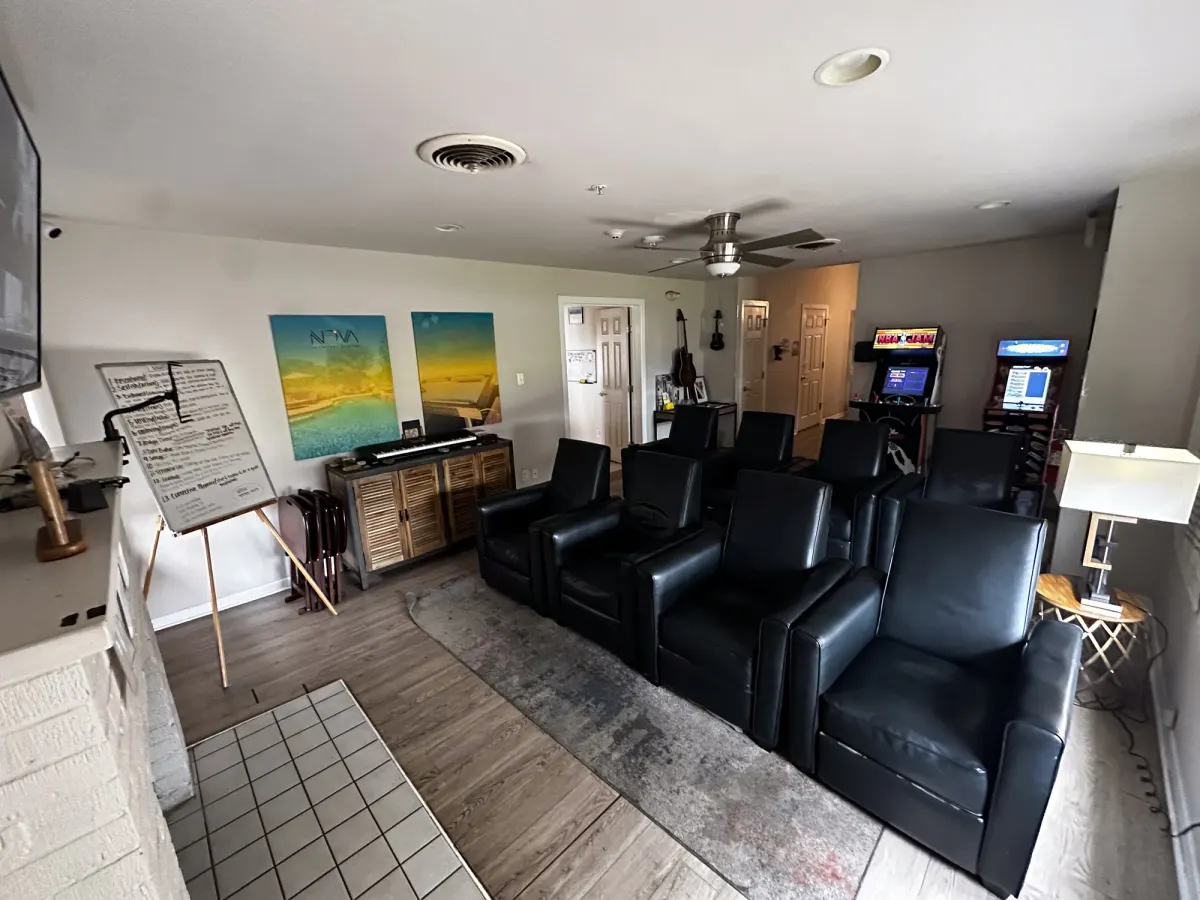 Inpatient
 Austin, TX
11711 N Lamar Blvd · 78753
- 15 beds
- On-site labs
- 24-hour medical staff
Drug & Alcohol Detox in Austin, TX
-
 Inpatient
 Houston, TX
1019 Ashland St · 77008
- On-site labs
- 24-hour medical staff
Drug Detox Center in Houston, TX
-
 Outpatient
 San Antonio, TX
6707 W Hausman Rd · 78249
- Outpatient detox with scheduled medical visits
- Outpatient treatment
Outpatient Drug & Alcohol Detox in San Antonio
Understanding Methamphetamine Withdrawal and Medical Detox
One reason your daughter may resist admitting her methamphetamine addiction is fear of withdrawal. Stimulant withdrawal, while not typically life-threatening like alcohol or benzodiazepine withdrawal, creates profound psychological suffering that users understandably want to avoid.
Methamphetamine withdrawal unfolds in phases:
Crash phase (1-3 days): Extreme fatigue, increased appetite, and initial depression as dopamine stores deplete. Users may sleep 12-20 hours daily during this period.
Ready to talk to someone now? Briarwood Detox Center's admissions team is here 24/7, and every call is confidential. Call (866) 710-7710.Acute withdrawal (1-2 weeks): Severe anhedonia (inability to feel pleasure), intense cravings, anxiety, and potential psychotic symptoms as the brain attempts to recalibrate reward pathways.
Protracted withdrawal (weeks to months): Ongoing depression, cognitive impairment, and episodic cravings that require structured support to manage safely.
Medically supervised detox at facilities like Briarwood Detox Center in Austin, Houston, San Antonio, or Colorado Springs provides 24-hour monitoring, symptom management through appropriate medications, nutritional support, and psychiatric care for co-occurring depression or psychosis. This medical framework addresses both the physical restoration your daughter's body needs and the psychological crisis withdrawal creates.
When your daughter is addicted to methamphetamine and won't admit she has a problem, understanding that professional detox makes early recovery medically safer and more tolerable can help you advocate for immediate treatment when she shows readiness.
Setting Boundaries While Maintaining Connection
The most difficult balance parents face is refusing to enable addiction while keeping communication channels open for the moment denial breaks. This requires distinguishing between support and enabling.
Boundaries that protect you without abandoning her:
- Refusing to provide money, housing, or resources that facilitate continued use
- Not covering legal, financial, or employment consequences of her addiction
- Declining to participate in deceptive narratives about her behavior
- Protecting other family members, especially younger siblings, from chaos addiction creates
Support that maintains connection:
- Expressing ongoing love separate from approval of behavior
- Offering specific help—paying for detox directly rather than giving cash
- Remaining available for the conversation when she's ready
- Taking care of your own mental health through Al-Anon, therapy, or parent support groups
These boundaries often create the discomfort that eventually cracks denial. When you stop absorbing consequences, she experiences them fully, which can catalyze the recognition that her current path is unsustainable.
Preparing for the Moment She Admits the Problem
Denial rarely lifts through gradual insight with methamphetamine addiction. More commonly, it shatters suddenly during a crisis—arrest, overdose scare, loss of custody, or relationship rupture. Your preparation for this moment determines whether the window of willingness converts to action or closes again.
Have these elements ready before the crisis:
- Research detox facilities and verify insurance coverage or payment arrangements in advance
- Know the admission process—some programs accept walk-ins, others require pre-screening
- Identify who will transport her and ensure they're available on short notice
- Prepare a bag with essentials if she agrees to enter inpatient detox immediately
- Understand your insurance benefits or explore payment plans before the urgent moment arrives
Briarwood Detox Center offers both inpatient medically supervised detox in Austin and outpatient detox programs in Austin, Houston, San Antonio, and Colorado Springs. Having location-specific contact information saved and understanding which level of care her situation requires prevents delays when she's finally ready.
The window of willingness may last hours, not days. Families who research options in advance can move immediately from "I need help" to "We're going now," before ambivalence or withdrawal discomfort reignites denial.
Taking Care of Yourself While Your Daughter Is Addicted
Your daughter's methamphetamine addiction creates secondary trauma for parents. The chronic stress, hypervigilance for crisis calls, and grief over watching someone you love self-destruct produces measurable psychological and physical health impacts.
You cannot control her choices, but you can control your response to them. Seeking your own support through family therapy, parent support groups like Nar-Anon or Al-Anon, and individual counseling isn't selfish—it's essential modeling of healthy coping and ensures you're stable enough to help effectively when she reaches for recovery.
Many parents experience relief when they finally accept that admission of the problem must come from the addicted person themselves, not from external persuasion. Your role shifts from convincing her she has a problem to ensuring that when she admits it, the path to treatment is clear, immediate, and supported.
Moving Forward When Your Daughter Won't Admit Her Methamphetamine Addiction
The hardest truth is that you cannot create insight where neurological impairment prevents it. But you can create conditions where consequences accumulate, support remains available, and the moment she glimpses her reality clearly, professional help is immediately accessible. Document what you observe, maintain boundaries that protect your family, work with intervention specialists when appropriate, and prepare treatment options in advance so readiness converts immediately to action.
If your daughter shows any willingness to explore help—even if she hasn't fully admitted the problem—Briarwood Detox Center can guide you through next steps, verify insurance benefits, and discuss how medically supervised withdrawal management creates the foundation for longer-term recovery.
Ready to take the next step?
Briarwood Detox Center provides medically supervised drug & alcohol detox. Call (866) 710-7710 to speak with our team today.
Frequently Asked Questions
How do you help an addict who doesn't want help?+–
Focus on setting firm boundaries, allowing natural consequences rather than rescuing, and staying prepared for the moment denial cracks. Work with professional interventionists when appropriate, document specific observable consequences, and have treatment options researched and ready so when brief windows of willingness open, you can move immediately to action. Maintain connection without enabling, and seek support for yourself through family therapy or groups like Al-Anon.
How to cope with a drug addicted daughter?+–
Establish clear boundaries that protect your well-being while maintaining emotional connection separate from approval of her behavior. Refuse to enable by providing money or covering consequences, but express ongoing love and willingness to support actual treatment. Seek your own support through therapy, Nar-Anon, or parent support groups. Accept that you cannot control her choices, only your responses, and prepare yourself mentally and logistically for the moment she becomes willing to accept help.
How long will a detox last?+–
Methamphetamine detox typically lasts 7-10 days in a medically supervised inpatient setting, though the acute withdrawal phase continues for 1-2 weeks. The crash phase occupies the first 1-3 days with extreme fatigue and sleep. Protracted psychological symptoms like anhedonia and cravings can persist for weeks to months and require ongoing support. The exact timeline varies based on duration of use, dosage patterns, and individual physiology. Medical detox provides symptom management and monitoring throughout this process.
How to deal with an addict adult child?+–
Treat them as the adult they are by refusing to absorb consequences of their choices while keeping communication open. Set boundaries around what you will and won't provide—housing, money, or enabling behaviors—and enforce them consistently. Offer specific help like paying directly for treatment rather than general financial support. Recognize that your role is creating conditions where recovery becomes possible, not controlling their path. Seek professional guidance for yourself and consider formal intervention if personal approaches fail.
How to convince an addict to stop?+–
You cannot convince someone to stop through logic or emotional appeals—addiction involves neurological changes that impair insight and judgment. Instead, focus on documenting observable consequences, setting boundaries that allow them to feel the full impact of their addiction, and timing conversations for moments of clarity such as crash periods. Professional interventionists can structure opportunities that temporarily penetrate denial. Prepare treatment options in advance so when brief windows of willingness appear, you can act immediately before they close.
What is the 3 3 3 rule for addiction?+–
The 3-3-3 rule is an anxiety management technique sometimes adapted for early recovery: name 3 things you see, 3 sounds you hear, and move 3 body parts. This grounding exercise interrupts obsessive thought patterns and cravings by redirecting attention to immediate physical reality. While not addiction-specific, it helps manage the anxiety and rumination common during withdrawal and early sobriety. It's one of many coping tools taught in comprehensive treatment programs.
What to do with an addict who refuses help?+–
Stop enabling by refusing to provide resources that facilitate continued use, allow natural consequences to accumulate without rescuing, and maintain firm boundaries while expressing ongoing willingness to support actual treatment. Document specific incidents to prepare for potential intervention. Research treatment options and verify insurance coverage in advance. Consider working with a professional interventionist to create a structured opportunity for treatment acceptance. Take care of your own mental health and accept that you cannot force readiness, only prepare for when it emerges.
What are the top 3 worst addictions?+–
While "worst" depends on individual factors, substances with severe withdrawal, high overdose risk, and profound health impacts include opioids (risk of fatal respiratory depression), alcohol (life-threatening withdrawal seizures and delirium tremens), and methamphetamine (severe cardiovascular damage, psychosis, and neurotoxicity). Benzodiazepines also cause dangerous withdrawal. Each substance requires specific medical protocols during detox, which is why medically supervised withdrawal management is critical for safety regardless of the drug involved. Ready to Start Your Recovery in Austin? Struggling with My daughter is addicted to methamphetamine and won't admit she has a p? Briarwood Detox Center's Austin facility offers medically supervised detox. Explore our locations, see the facility, and verify your insurance in minutes. See our locations
Related guides



In network with most major insurance
Find your plan and see what detox would cost
Most plans cover medical detox. Coverage varies by plan, so we verify it for you before you commit to anything.

















Don't see your plan? We work with out-of-network benefits and offer self-pay options — (866) 710-7710
- Confidential
- Takes about 2 minutes
- No obligation to admit
- Accredited The Joint Commission
- Rated 4.7 · 182 Google reviews Flourishing Foundations Recovery, now part of Briarwood
- Admissions 24 hours a day