
Guide
Active Addiction: A 24-Hour Resource Plan for Drug Addiction Help in Texas
Joint Commission accredited · In network with most major insurance · Admissions answered 24 hours a day


Published February 9, 2026
Reviewed and updated July 29, 2026
Key Takeaways · 6 points
- Understand what “active addiction” means and why safety comes first
- Follow a 24-hour plan to reduce risk and create momentum
- Use trusted recovery resources like FindTreatment.gov and Texas OSAR
- See how medically supervised detox can support stabilization in active addiction
- Prepare for a clear admissions call with simple, practical details
- Support a loved one with boundaries, options, and a next-step plan
Break Free from Addiction. Detox Safely in Austin Today.
Medically Supervised Detox – Compassionate Care Starts Here.
When you are in active addiction, “finding help” can feel like a maze. However, you do not need a perfect plan to start. Instead, you need a safe, simple next step that reduces risk today.
This guide is an addiction recovery resources roadmap built for real-life urgency. It explains what active addiction means, what to do in the next 24 hours, and how to use trusted tools to locate care. It also shows how medically supervised detox can help you stabilize when stopping on your own feels unsafe.
If you are dealing with drug addiction or heavy alcohol use, the goal is the same: protect your health first, then build follow-through. So, you will see clear actions, quick definitions, and a practical checklist you can use right now.


















What “Active Addiction” Means and Why It Changes the Next Step
Active addiction means ongoing use continues despite harmful consequences. In other words, the substance has started driving choices, even when you want things to be different. Because of that, willpower alone often is not enough to stop safely or consistently.
Active addiction also changes the risk profile. For example, withdrawal from some substances can become dangerous, and cravings can spike quickly. Therefore, the “right next step” is often a safety step, not a motivation step.
Quick signs you may need a safety-first plan
- Using more than intended or needing more to get the same effect
- Withdrawal symptoms when you cut back or stop
- Using to avoid feeling sick, shaky, panicky, or unable to sleep
- Repeated “I’ll stop tomorrow” cycles that do not hold
- Medical or mental health concerns that make stopping riskier
If you recognize yourself here, you are not alone. Still, it is a strong signal to prioritize medical guidance and structured support.
The 24-Hour Plan: What to Do in Active Addiction Today
When life feels unstable, smaller steps work better. So, use this 24-hour plan to reduce harm, increase support, and move toward care.
Step 1: Make “today” about safety, not bargaining
If you have severe symptoms like confusion, seizures, chest pain, trouble breathing, or hallucinations, call emergency services immediately. If you are unsure, err on the side of safety. Then, move to the next step as soon as you can.
Step 2: Remove one high-risk variable
Pick one change you can make in the next hour. For instance, do not use alone, avoid mixing substances, and keep naloxone available if opioids are involved. Also, if you have been drinking heavily, do not attempt a sudden stop without medical guidance if withdrawal risk is possible.
Step 3: Choose one “anchor person” and one “anchor place”
Active addiction thrives in isolation. Therefore, choose one person you can text or call and one safer place you can be today. Even a short check-in can lower impulsive risk.
Step 4: Set a single appointment goal
Your job is not to solve everything today. Instead, your job is to get a clinical conversation scheduled. That can be a detox admissions call, a medical visit, or a same-day assessment referral.
Where we are
Detox centers across Texas
Three locations, each with its own admissions line and its own clinical team. Pick the one nearest you — or call and we will tell you which has a bed tonight.
-
 Inpatient
 Austin, TX
11711 N Lamar Blvd · 78753
- 15 beds
- On-site labs
- 24-hour medical staff
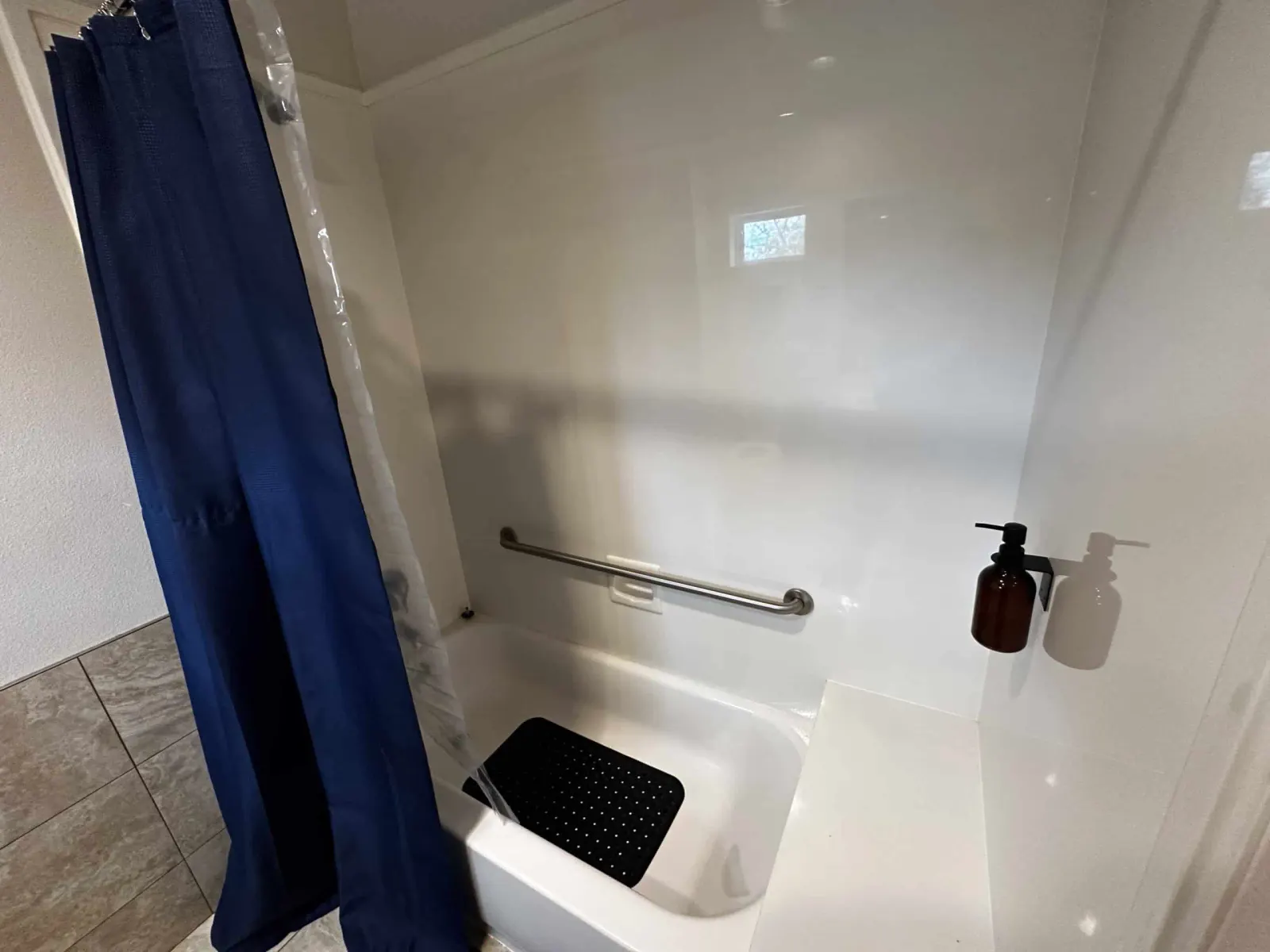
Drug & Alcohol Detox in Austin, TX
-
 Inpatient
 Houston, TX
1019 Ashland St · 77008
- On-site labs
- 24-hour medical staff
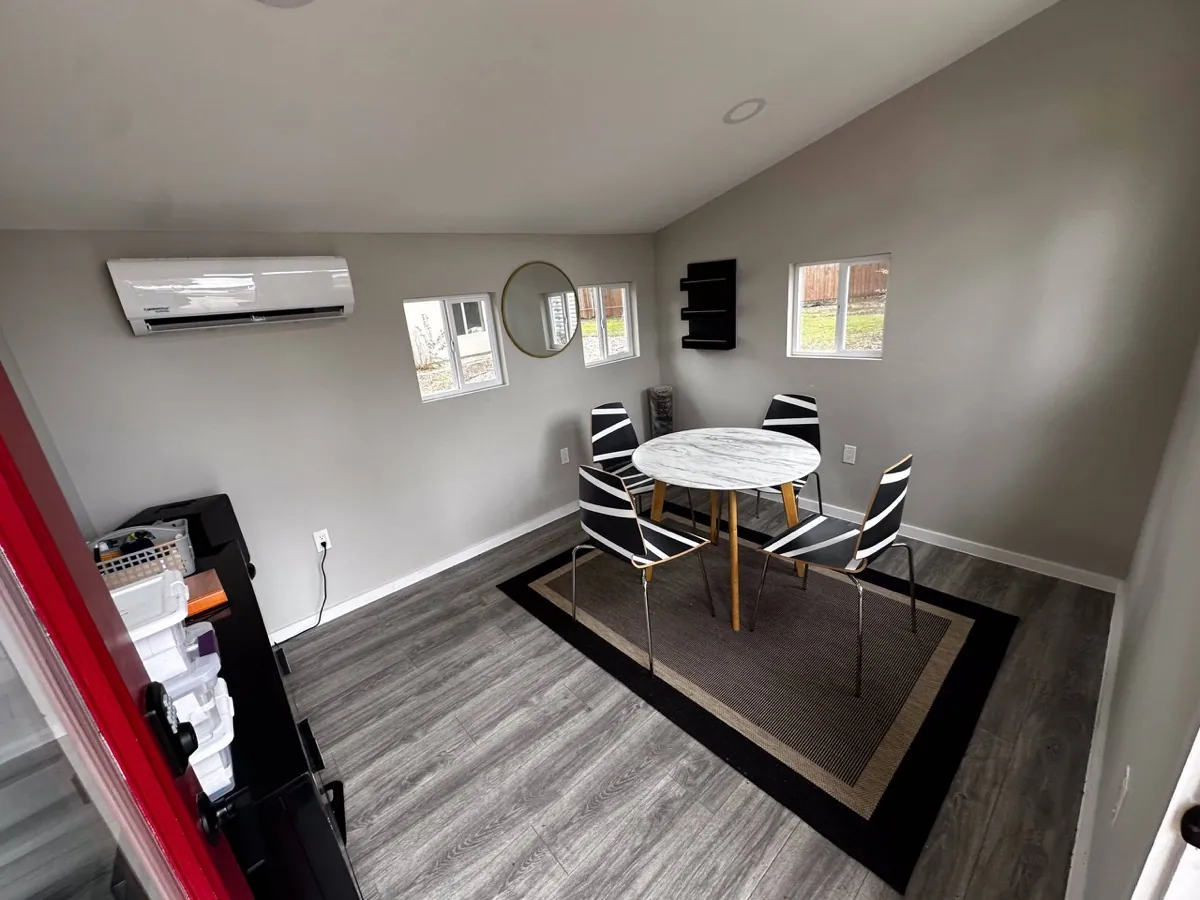
Drug Detox Center in Houston, TX
-
 Outpatient
 San Antonio, TX
6707 W Hausman Rd · 78249
- Outpatient detox with scheduled medical visits
- Outpatient treatment
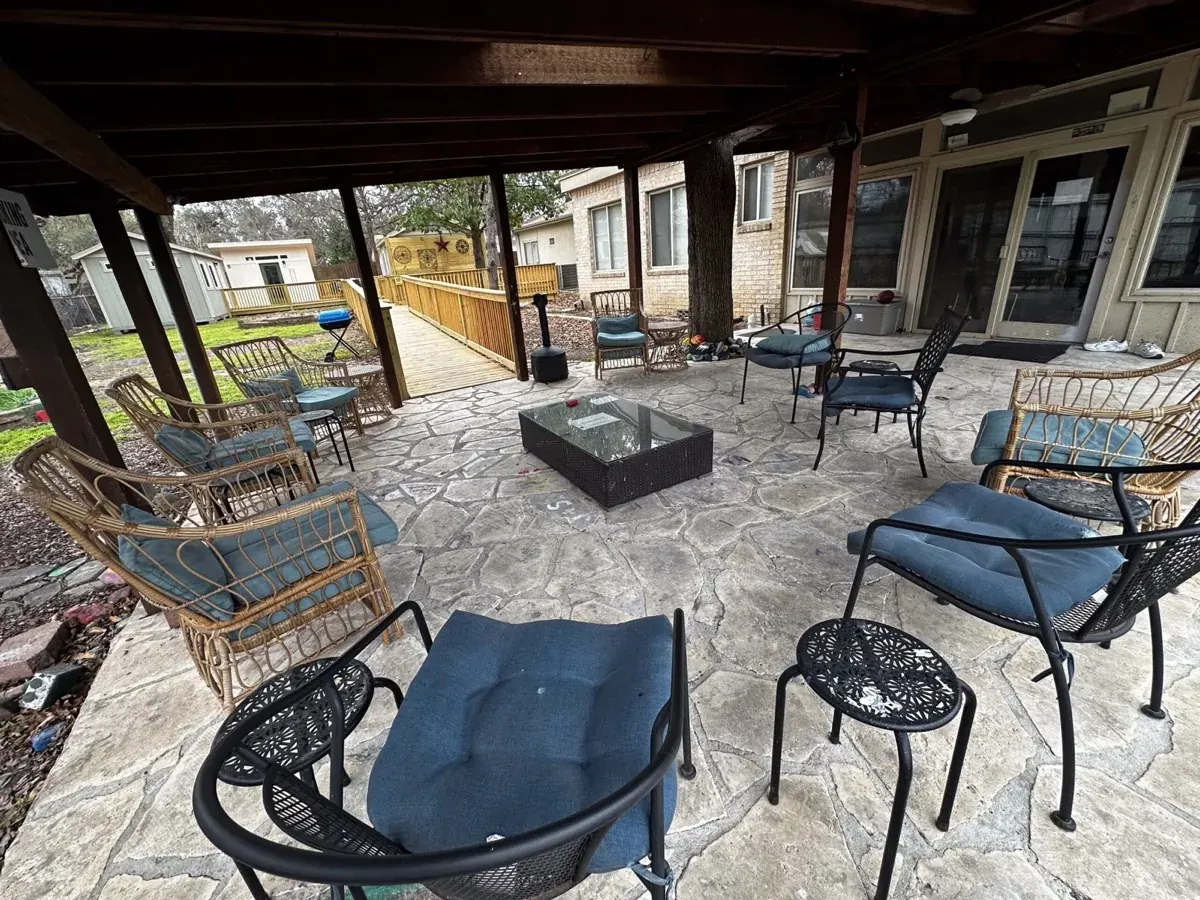
Outpatient Drug & Alcohol Detox in San Antonio
Trusted Addiction Recovery Resources You Can Use Right Now
You do not have to guess where to start. Instead, use public tools that help match people to treatment and referrals, especially when things feel urgent.
Find licensed treatment options using a federal locator
FindTreatment.gov is a confidential directory that helps you search for mental health and substance use treatment in the United States. You can filter by location and level of care. As a result, it can help you build a shortlist quickly without relying on random search results.
Use Texas OSAR for screening and referral support
Texas offers Outreach, Screening, Assessment, and Referral (OSAR) services through Texas Health and Human Services. This pathway can help people understand what level of care fits best and how to access it. You can start here: Texas HHS OSAR information.
Understand what evidence-based treatment usually includes
Addiction is treatable, and long-term improvement is common with structured care. The National Institute on Drug Abuse explains how treatment and recovery work and why ongoing support matters: NIDA: Treatment and Recovery.
These tools are not just “resources.” Instead, they are decision shortcuts that reduce confusion when you are in active addiction.
Break Free from Addiction. Detox Safely in Austin Today.
Medically Supervised Detox – Compassionate Care Starts Here.
Where Medically Supervised Detox Fits in Active Addiction
Detox is often the safest starting point when withdrawal risk, cravings, or medical issues make stopping unpredictable. In active addiction, this matters because the body can react strongly when substances are removed. So, stabilization can create the breathing room you need to engage in longer-term care.
Briarwood Detox Center provides medically supervised detox and stabilization in Texas. If you want to start near home, these location pages explain what to expect by area:
- Drug and alcohol detox in Austin
- Drug and alcohol detox in San Antonio
- Drug and alcohol detox in Houston
Detox is not the finish line. However, it can be the turning point that makes follow-through possible. If you want a clearer picture of daily structure and the clinical flow, review what to expect during detox.
How to Prepare for a Fast, Clear Admissions Call
In active addiction, details can feel overwhelming. So, keep the preparation simple and focused on safety.
Have these basics ready
- What you have been using (including alcohol, prescriptions, or other substances)
- Approximate amounts and frequency
- When you last used
- Any history of severe withdrawal, seizures, or hospital visits
- Current medical conditions and medications
Then, use Briarwood’s step-by-step admissions process page to see what happens next. If you prefer to start with a direct message or form, you can also use the contact page to reach the team.
Even if you feel unsure, make the call anyway. Often, the first structured conversation reduces fear and increases momentum.
If You’re Supporting Someone in Active Addiction: A Boundaries-First Resource Plan
Supporting someone in active addiction is emotionally exhausting. However, your steadiness can help, especially when it is paired with clear boundaries.
What to do that helps
- Use calm, specific language: “I’m worried about your safety today.”
- Offer two options, not ten: “We can call for an assessment now, or we can go in person today.”
- Set one boundary you can keep: money, housing rules, or no-use-in-the-home expectations
- Ask for consent to help, then act quickly when you get it
What to avoid
- Long lectures during intoxication or withdrawal
- Threats you cannot follow through on
- Trying to “prove” the problem with arguments
Instead, focus on the next safe step. When withdrawal risk is present, medically supervised detox can protect health while the person regains clarity. From there, a written next-step plan can turn addiction recovery resources into a weekly routine that actually holds.
This content is for general educational purposes and is not a substitute for medical advice, diagnosis, or treatment. Only a qualified healthcare professional can assess your situation and recommend appropriate care, including whether medical detox is needed. Do not start, stop, or change any prescription medication—such as antidepressants or antipsychotics—without guidance from your prescribing clinician. If symptoms worsen, you experience severe side effects, or you have thoughts of self-harm, seek immediate help by calling 911 in the United States or going to the nearest emergency room. For confidential crisis support, you can call or text 988 to reach the Suicide & Crisis Lifeline, available 24/7.
What to Do Next If You’re Facing Active Addiction in Texas
When someone is in active addiction, the hardest part is often turning urgency into a safe, structured next step. Briarwood Detox Center helps by offering medically supervised detox and stabilization so withdrawal symptoms can be managed with clinical oversight instead of guesswork. That support matters because active addiction can change quickly, and stopping suddenly may be unsafe depending on the substance, amount, and health history. Briarwood’s team can help you understand whether detox is appropriate, what the intake process looks like, and what you can do right now to reduce risk. Just as important, they help you plan what comes after detox, since stabilization is the beginning of recovery, not the finish line. With individualized care, evidence-informed protocols, and a supportive setting, Briarwood helps people move from crisis mode into a clearer treatment plan. If you are unsure where to start, a confidential conversation can help you sort through options and decide on the safest path forward.
Frequently Asked Questions About Active Addiction and Detox Support in Austin
What does “active addiction” mean?+–
Active addiction means ongoing drug or alcohol use continues even when it is causing harm and repeated efforts to stop have not held. It often includes cravings, loss of control, and continued use despite relationship, work, legal, or health consequences. Because risk can change quickly, the safest next step is usually a structured, clinically guided plan rather than trying to “power through” alone.
What should I do first if I’m in active addiction in Austin?+–
The first step is to reduce immediate risk and start a same-day clinical conversation about detox support in Austin. If you have severe symptoms (confusion, chest pain, seizures, trouble breathing, hallucinations) seek emergency care right away. Otherwise, call (866) 710-7710 to discuss safe next steps and whether medically supervised detox is appropriate, or use contact our team to discuss detox and next steps.
When should someone seek medical detox instead of stopping at home?+–
Medical detox is recommended when withdrawal could be unsafe or when cravings and symptoms make relapse likely within hours or days. Red flags include prior severe withdrawal, seizures, heavy daily alcohol use, opioid dependence, benzodiazepine use, or significant medical or mental health symptoms. If you are unsure, a quick screening can clarify risk and help with treatment planning for active addiction.
What are common withdrawal symptoms that signal I need withdrawal help?+–
Withdrawal symptoms can include sweating, tremors, nausea, anxiety, insomnia, agitation, and strong cravings, and they can intensify quickly in active addiction. More serious warning signs include confusion, hallucinations, uncontrolled vomiting, severe dehydration, or seizures. Because withdrawal can become life-threatening in some cases, medical guidance is the safest way to decide on detox support in Austin.
What happens during medically supervised detox in Austin?+–
Medically supervised detox typically starts with an assessment, vital-sign monitoring, and a plan to manage withdrawal symptoms safely. Care may include medications when appropriate, hydration and nutrition support, and check-ins for sleep, mood, and comfort. The goal is stabilization so you can move into next steps after detox with a clearer treatment plan.
How long does detox usually take?+–
Detox length varies by substance, duration of use, dose, and health factors, so there is no one-size timeline. Many people experience the most intense withdrawal symptoms in the first several days, while sleep and mood can take longer to stabilize. A clinical assessment can estimate a safer timeline and help coordinate next steps after detox.
What should I bring to detox, and what should I leave at home?+–
Bring a photo ID, insurance card, a list of current medications, and a few days of comfortable clothing and basic toiletries. Leave alcohol, drugs, weapons, and valuables at home, since safety and focus matter most during withdrawal help. If you want a clearer checklist for treatment planning, the admissions team can walk you through what to pack based on your needs.
Does insurance cover detox, and what does insurance verification do?+–
Insurance may cover some or most detox services depending on benefits, medical necessity criteria, and network status. Insurance verification checks eligibility, estimates out-of-pocket costs, and helps confirm what levels of care are covered for detox support in Austin. You can verify your insurance coverage and admissions options to get a fast, confidential benefits review.
What are the next steps after detox for drug addiction recovery?+–
Next steps after detox usually include a treatment plan that supports relapse prevention, coping skills, and stable daily structure. Depending on clinical needs and support at home, planning may include ongoing therapy, structured programming, and recovery-focused routines to reduce risk during early recovery. The key is continuity, because detox addresses physical stabilization while long-term change takes ongoing support.
How can family members support someone in active addiction without making things worse?+–
Support works best when it is calm, specific, and focused on safety and action rather than arguments or threats. Set one boundary you can keep, offer one or two concrete options (like a call for detox support in Austin), and avoid negotiating while the person is intoxicated or in withdrawal. If you need guidance on what to say and how to start, call (866) 710-7710 or use contact our team to discuss detox and next steps.
Related guides



In network with most major insurance
Find your plan and see what detox would cost
Most plans cover medical detox. Coverage varies by plan, so we verify it for you before you commit to anything.

















Don't see your plan? We work with out-of-network benefits and offer self-pay options — (866) 710-7710
- Confidential
- Takes about 2 minutes
- No obligation to admit

- Accredited The Joint Commission
- Rated 4.7 · 182 Google reviews Flourishing Foundations Recovery, now part of Briarwood
- Admissions 24 hours a day