
Guide
Are There Detox Centers in Houston That Specialize in Fentanyl?
Joint Commission accredited · In network with most major insurance · Admissions answered 24 hours a day


Published July 23, 2026
Reviewed and updated July 29, 2026
Yes, there are detox centers in Houston that specialize in fentanyl addiction treatment. Briarwood Detox Center provides outpatient medical detox services specifically designed to manage the intense withdrawal symptoms associated with fentanyl dependence. Our Houston location employs evidence-based protocols that address the unique pharmacological challenges of synthetic opioid withdrawal, combining medication-assisted treatment with continuous clinical monitoring to help patients safely navigate the detoxification process.
If you or someone you love needs more than detox, Briarwood Detox Center also provides drug rehab houston.
Briarwood Detox Center’s opiate detox program provides medically supervised, evidence-based care.
Fentanyl has fundamentally changed the landscape of opioid addiction. Because this synthetic opioid is 50 to 100 times more potent than morphine, withdrawal presents a distinct set of medical challenges that require specialized expertise and protocols tailored to its rapid onset and severe symptom profile.
Does your insurance cover detox in Houston?
Find out in about 2 minutes — free, confidential, no obligation.
Verify InsuranceWhy Fentanyl Withdrawal Requires Specialized Detox Centers in Houston
Fentanyl binds to opioid receptors with exceptional strength and speed. When someone stops using after developing dependence, the body's opioid system experiences a dramatic rebound effect. The withdrawal symptoms emerge faster and often feel more intense than those from heroin or prescription opioids like oxycodone.
Most people who use street drugs containing fentanyl don't realize how much they've been exposed to. Illicit fentanyl is mixed into counterfeit pills, heroin, and even cocaine. This unpredictable potency makes medical supervision during detox essential, not optional.
Specialized detox centers in Houston that treat fentanyl addiction understand the timeline. Withdrawal symptoms typically begin within 8 to 12 hours after the last use—much faster than longer-acting opioids. Peak symptoms usually occur between 24 and 72 hours, creating a critical window when medical intervention prevents complications and reduces the overwhelming urge to use again.
How Briarwood Detox Center Approaches Fentanyl Withdrawal in Houston
Our outpatient detox model in Houston allows patients to receive intensive medical care while maintaining some connection to their daily lives. This approach works well for individuals with stable living situations and strong support systems who need the flexibility outpatient care provides.
The foundation of our fentanyl detox protocol is medication-assisted treatment. Buprenorphine, a partial opioid agonist, occupies the same receptors fentanyl once flooded but produces a much milder effect. This prevents the sharp withdrawal symptoms while allowing the brain's opioid system to begin recalibrating. Timing the first buprenorphine dose correctly matters—starting too early can trigger precipitated withdrawal, a condition far worse than natural withdrawal.
We also address the constellation of symptoms that accompany opioid withdrawal: muscle aches, nausea, insomnia, anxiety, and temperature dysregulation. Comfort medications target each of these, making the experience tolerable enough that patients can stay committed to the process rather than seeking relief through fentanyl use.
What Medical Supervision Looks Like During Fentanyl Detox
Medical detox centers specializing in fentanyl addiction treatment monitor vital signs throughout the withdrawal period. Blood pressure and heart rate often spike during acute withdrawal. Dehydration from vomiting and diarrhea can develop quickly. Clinical staff track these changes and intervene before they become dangerous.
Psychological symptoms demand equal attention. Fentanyl withdrawal frequently triggers severe anxiety, depression, and agitation. Without proper support, these emotional states drive relapse more powerfully than physical discomfort. Our Houston team assesses mental health continuously and adjusts medications or interventions as symptoms evolve.
Outpatient detox requires structure. Patients visit the facility daily or several times per week during the acute phase, receiving medications, medical checks, and supportive counseling. This regular contact creates accountability while allowing patients to practice recovery skills in their real-world environment.
The Unique Challenges of Synthetic Opioid Detox
Fentanyl's high potency means tolerance builds rapidly. People who've been using fentanyl often have cross-tolerance to other opioids, making standard detox protocols inadequate. The doses of buprenorphine or other medications needed may be higher than what works for heroin or prescription pill dependence.
Another layer of complexity: many people using street fentanyl are also exposed to xylazine, a veterinary sedative increasingly found in the illicit drug supply. Xylazine isn't an opioid, so it doesn't respond to opioid-based treatments. Detox centers in Houston specializing in fentanyl must recognize and manage polysubstance withdrawal when xylazine or stimulants are involved.
The psychological grip of fentanyl also sets it apart. The drug produces an intense, short-lived euphoria that conditions the brain's reward pathways more aggressively than slower-acting opioids. Breaking this conditioning requires more than just managing physical withdrawal—it demands a clinical team experienced in the neurobiology of synthetic opioid addiction.
Medication-Assisted Treatment Options for Fentanyl Withdrawal
Buprenorphine remains the gold standard for fentanyl detox. Available as sublingual films or tablets, it stabilizes opioid receptors without creating the high fentanyl produces. The medication has a ceiling effect—beyond a certain dose, increasing the amount doesn't intensify effects—which makes it safer than full opioid agonists.
Some detox protocols use methadone, a long-acting full opioid agonist. While effective, methadone carries more regulatory restrictions and requires daily visits to specialized clinics. For outpatient detox, buprenorphine's pharmacological profile offers more flexibility and a lower risk of misuse.
Naltrexone, an opioid antagonist that blocks all opioid effects, can be introduced after detox is complete. Unlike buprenorphine, which eases withdrawal, naltrexone must wait until the body is completely opioid-free. Starting it too early causes immediate, severe withdrawal. When used correctly post-detox, it prevents relapse by making opioid use ineffective.
Comfort medications round out the pharmacological approach. Clonidine reduces blood pressure spikes and sweating. Ondansetron controls nausea. Sleep aids address the insomnia that can persist for weeks. Muscle relaxants ease the deep aches that make early withdrawal so physically miserable.
When Fentanyl Withdrawal Peaks and What to Expect
Understanding the withdrawal timeline helps patients prepare mentally. With fentanyl, early symptoms—anxiety, sweating, watery eyes, restlessness—begin within half a day of the last use. By the second day, symptoms intensify sharply. Muscle pain, nausea, vomiting, diarrhea, and profound fatigue all peak during this 24-to-72-hour window.
The acute phase typically lasts five to seven days, though everyone's experience varies based on usage patterns, metabolism, and overall health. After acute symptoms subside, many people face post-acute withdrawal syndrome: lingering fatigue, mood instability, sleep disturbances, and persistent cravings that can continue for weeks or months.
Ready to talk to someone now? Briarwood Detox Center's admissions team is here 24/7, and every call is confidential. Call (512) 960-4061.This extended recovery period is why detox alone isn't treatment—it's the essential first step. Specialized detox centers in Houston that focus on fentanyl addiction prepare patients for what comes after stabilization, including connections to continued care and relapse prevention strategies.
Why Location and Accessibility Matter for Outpatient Fentanyl Detox
Outpatient detox works best when the facility is accessible. Houston's geography means travel times can be significant, and during early withdrawal, even short drives feel overwhelming. Briarwood Detox Center's Houston location is designed to serve the greater metropolitan area with convenient access for regular visits during the critical early days.
Accessibility also means insurance acceptance and transparent conversations about payment. We work with many insurance plans and verify benefits before treatment begins, so families understand coverage and out-of-pocket costs. Fentanyl addiction doesn't wait for perfect financial circumstances, and navigating payment options is part of removing barriers to care.
Beyond physical location, accessibility means responsive intake. When someone decides they're ready for detox, that window of motivation is precious. Quick, compassionate intake processes help convert readiness into action before ambivalence or fear takes over.
The Role of Detox in the Continuum of Fentanyl Addiction Care
Detox stabilizes the body and clears fentanyl from your system, but it doesn't rewire the behavioral patterns, environmental triggers, or underlying pain that fueled addiction. Think of medical detox as clearing the foundation so you can build recovery on stable ground.
After completing detox at our Houston outpatient facility, most patients benefit from ongoing treatment. This might include outpatient counseling, peer support groups, continuing medication-assisted treatment, or more intensive therapy programs. We help patients plan these next steps before detox ends, creating a bridge rather than a gap in care.
Research shows that people who continue medication-assisted treatment after fentanyl detox have significantly better outcomes than those who detox and then receive no further medical support. The brain needs time—often months—to restore balance after chronic opioid exposure. Medications like buprenorphine or naltrexone during this healing period reduce cravings and prevent the overpowering urge to use that drives relapse.
Where we are
Detox centers across Texas
Three locations, each with its own admissions line and its own clinical team. Pick the one nearest you — or call and we will tell you which has a bed tonight.
-
 Inpatient
 Austin, TX
11711 N Lamar Blvd · 78753
- 15 beds
- On-site labs
- 24-hour medical staff
Drug & Alcohol Detox in Austin, TX
-
 Inpatient
 Houston, TX
1019 Ashland St · 77008
- On-site labs
- 24-hour medical staff
Drug Detox Center in Houston, TX
-
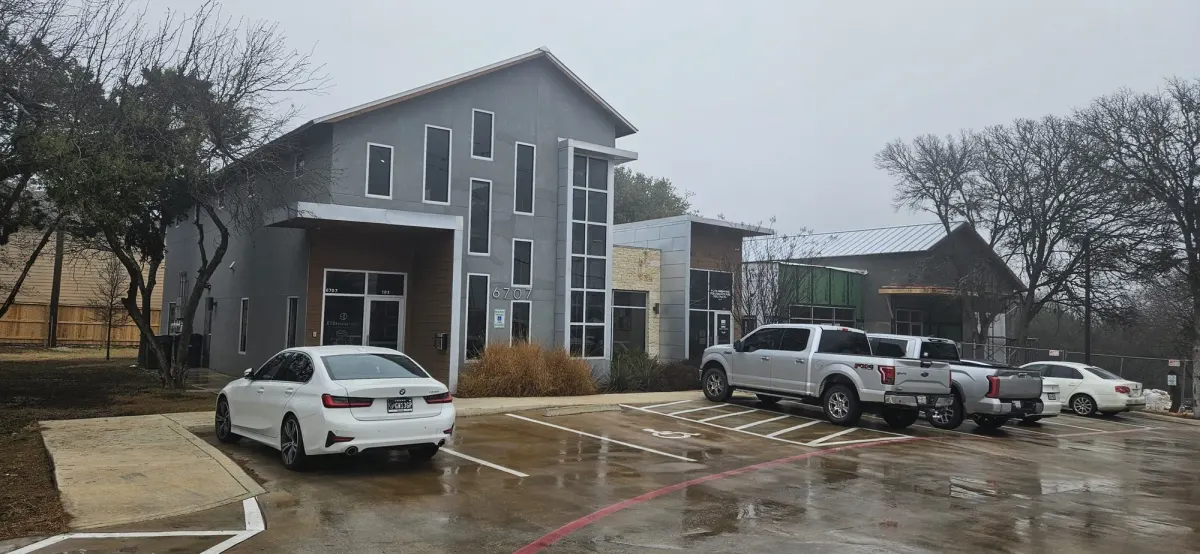 Outpatient
 San Antonio, TX
6707 W Hausman Rd · 78249
- Outpatient detox with scheduled medical visits
- Outpatient treatment
Outpatient Drug & Alcohol Detox in San Antonio
What Sets Specialized Fentanyl Detox Apart from General Addiction Treatment
Not all detox programs are equipped to handle the specific demands of fentanyl withdrawal. Generic addiction treatment may underestimate the medication doses needed, miss the compressed withdrawal timeline, or lack protocols for managing complications unique to high-potency synthetic opioids.
Detox centers in Houston specializing in fentanyl addiction treatment stay current with emerging trends in the drug supply. They understand that street fentanyl isn't pharmaceutical fentanyl—it's often mixed with unpredictable analogs that metabolize differently and produce varied withdrawal patterns. Clinical staff trained in synthetic opioid pharmacology can recognize when symptoms don't follow the expected course and adjust treatment accordingly.
Specialization also means understanding the population most affected. Fentanyl has spread across demographics, but certain communities face higher exposure due to supply patterns and economic factors. Culturally informed care and trauma-sensitive approaches are essential, not extras.
How to Know When You Need Medical Detox for Fentanyl
If you've tried stopping fentanyl on your own and couldn't make it past the first day or two, that's a clear sign medical detox would help. Withdrawal symptoms become so overwhelming that using again feels like the only option. Medication-assisted detox removes that impossible choice by making symptoms manageable.
Medical detox is also critical if you have co-occurring health conditions—cardiovascular problems, diabetes, mental health disorders—that withdrawal could complicate. Pregnancy absolutely requires medical supervision during opioid detox. Attempting withdrawal alone while pregnant carries serious risks for both mother and baby.
Even if you feel physically healthy, the psychological component of fentanyl withdrawal benefits from professional support. The anxiety, depression, and cravings that accompany detox can be destabilizing. Having a clinical team who understands what you're experiencing and can intervene quickly makes the difference between completing detox and relapsing in the first 72 hours.
If you or someone you care about is struggling with fentanyl dependence, specialized medical detox offers a safer, more comfortable path forward than attempting withdrawal alone. Briarwood Detox Center's Houston outpatient program provides the clinical expertise and compassionate support needed to navigate this challenging first step toward recovery.
Ready to take the next step?
Briarwood Detox Center provides medically supervised drug & alcohol detox. Call (512) 960-4061 to speak with our team today.
Frequently Asked Questions
What is the new treatment for fentanyl addiction? The newest FDA-approved approach involves long-acting injectable buprenorphine formulations that last a week or month, eliminating daily medication and improving adherence. Additionally, combination therapies pairing buprenorphine with extended-release naltrexone after detox show promise. However, the core treatments—buprenorphine, methadone, and naltrexone—remain the evidence-based standard. Innovations focus on delivery methods and improving access rather than entirely new drug classes. What is used to treat fentanyl withdrawal? Buprenorphine is the primary medication used to treat fentanyl withdrawal, as it reduces cravings and eases symptoms by partially activating opioid receptors. Methadone is another option for severe cases. Comfort medications like clonidine for blood pressure and sweating, ondansetron for nausea, and sleep aids address specific symptoms. The combination of these medications under medical supervision makes withdrawal manageable and safer than attempting detox alone. What is the relapse rate for fentanyl addicts? Relapse rates for fentanyl addiction are high without ongoing treatment—studies suggest 70-90% of people relapse within the first year if they only complete detox without continuing care. However, those who continue medication-assisted treatment and participate in counseling have significantly better outcomes, with relapse rates dropping to 40-60%. Fentanyl's potency and rapid brain changes make continuing medical support after detox essential for sustained recovery. When does fentanyl withdrawal peak? Fentanyl withdrawal typically peaks between 24 and 72 hours after the last use. Symptoms begin much faster than other opioids—often within 8 to 12 hours—because fentanyl is short-acting despite its potency. The most intense physical symptoms like muscle pain, nausea, vomiting, and sweating occur during this peak window. Acute withdrawal usually subsides within five to seven days, though psychological symptoms and cravings can persist much longer. Can outpatient detox work for severe fentanyl addiction? Outpatient detox can be effective for fentanyl addiction when patients have stable living situations, strong support systems, and no severe co-occurring medical or psychiatric conditions. Medical supervision through daily or frequent visits allows for medication adjustment and monitoring while patients remain connected to their support networks. However, those with unstable housing, severe polysubstance use, or previous failed outpatient attempts may need inpatient detox for the higher level of structure and safety. How long does medical detox for fentanyl take? Medical detox for fentanyl typically takes five to seven days for acute withdrawal symptoms to resolve, though the timeline varies by individual factors like usage duration, dosage, and metabolism. Medication-assisted detox begins on day one with buprenorphine or other medications to ease symptoms. Many people feel significantly better by day four or five. However, post-acute withdrawal symptoms like fatigue and cravings can continue for weeks, requiring ongoing medication and support beyond initial detox. Does insurance cover fentanyl detox in Houston? Most insurance plans cover medical detox for fentanyl addiction as it's considered medically necessary treatment. Coverage varies by plan, including differences in copays, deductibles, and in-network versus out-of-network benefits. Briarwood Detox Center works with many insurance providers and verifies benefits before treatment begins, providing clear information about coverage and any out-of-pocket costs. Calling to verify your specific benefits is the best way to understand your coverage for outpatient detox. Why is fentanyl withdrawal worse than other opioids? Fentanyl withdrawal feels more intense because the drug is 50-100 times more potent than morphine and binds extremely tightly to opioid receptors. When use stops, the rebound effect is severe and rapid. Symptoms begin faster—within hours instead of a day—and peak more sharply. Additionally, street fentanyl often contains unpredictable doses and adulterants that complicate withdrawal. The psychological grip is also stronger due to fentanyl's intense, short-lived euphoria that conditions the brain's reward system aggressively.
Ready to Start Your Recovery in Houston?
Briarwood Detox Center offers medically supervised detox in Houston. Explore our locations, see the facility, and verify your insurance in minutes.
See our locationsFinding a Detox Center Near Me in Houston: What You Need to Know
If you're searching for a "detox center near me" in Houston, you're taking the first critical step toward recovery. Medical detox provides 24/7 supervised withdrawal management in a safe, supportive environment — especially vital for alcohol, benzodiazepines, opioids, and fentanyl, where unsupervised withdrawal can be dangerous or even life-threatening.
Briarwood Detox Center offers outpatient detox services throughout Houston, TX, combining evidence-based medical protocols with compassionate care. Our team understands that withdrawal is both a physical and emotional challenge, and we tailor each plan to your substance use history, health conditions, and recovery goals.
Why Choose a Detox Center Over Home Detox?
- Medical safety: Withdrawal from alcohol, benzodiazepines, and opioids can cause seizures, severe dehydration, cardiovascular complications, and relapse risk. Medical supervision ensures immediate intervention when needed.
- Comfort medications: FDA-approved medications like buprenorphine, naltrexone, and gabapentin reduce cravings and physical symptoms, making withdrawal far more manageable.
- 24/7 support: Nurses, physicians, and counselors monitor vitals, adjust medications, and provide emotional support around the clock.
- Continuity of care: Detox is step one. A quality detox center connects you directly to outpatient counseling, medication-assisted treatment (MAT), or residential rehab to sustain your progress.
What to Expect at Briarwood Detox Center in Houston
Our Houston outpatient detox program begins with a confidential intake assessment — medical history, substance use patterns, mental health screening, and insurance verification. From there, your care team designs a personalized detox plan that may include:
- Medication-assisted detox for opioids (buprenorphine/Suboxone), alcohol (benzodiazepines, anticonvulsants), or benzodiazepines (gradual taper protocols)
- Vital-sign monitoring and symptom management
- Hydration, nutrition support, and sleep hygiene counseling
- Individual and group therapy to address co-occurring anxiety, depression, or trauma
- Discharge planning with referrals to Houston-area outpatient programs, sober support groups, and MAT providers
Most detox timelines run 5–10 days, though fentanyl and long-acting benzodiazepines may require extended support. You'll never be rushed, and you'll never detox alone.
How to Choose the Right Detox Center Near You
When comparing Houston detox centers, ask:
- Is medical staff on-site 24/7? Board-certified physicians, RNs, and licensed counselors should be available at all times.
- Do they offer medication-assisted treatment (MAT)? FDA-approved medications dramatically improve comfort and long-term success rates.
- What's the staff-to-patient ratio? Smaller ratios mean more personalized attention and faster response to emerging symptoms.
- Do they treat co-occurring mental health conditions? Dual-diagnosis care addresses the anxiety, depression, or PTSD that often fuel substance use.
- What happens after detox? A responsible center never discharges you without a clear aftercare plan and warm handoffs to ongoing treatment.
- Does insurance cover it? Most private insurance plans cover medically necessary detox. Briarwood's admissions team verifies benefits and explains out-of-pocket costs upfront — no surprises.
Take the Next Step Today
Searching "detox center near me" means you're ready for change. Briarwood Detox Center is here to help you take that step safely. Our Houston outpatient detox services are confidential, evidence-based, and designed to set you up for lasting recovery.
Call us 24/7 at (512) 960-4061 for a free, confidential assessment. Insurance verification and same-day admission are available. You don't have to do this alone — compassionate, expert care is just one call away.
Frequently Asked Questions: Detox Centers Near Me in Houston
How do I know if I need medical detox or if I can detox at home?
If you use alcohol daily, take benzodiazepines (Xanax, Ativan, Klonopin) regularly, or use opioids (fentanyl, heroin, prescription painkillers), medical detox is strongly recommended. Withdrawal from these substances can cause seizures, dangerous blood-pressure swings, severe dehydration, and psychological crises. Medical supervision ensures your safety and comfort with FDA-approved medications and 24/7 monitoring. Call (512) 960-4061 for a free assessment — our clinical team will help you determine the safest path forward.
How long does detox take at a Houston detox center?
Most medically supervised detox programs last 5–10 days, depending on the substance, duration of use, and your overall health. Alcohol and short-acting opioid withdrawal typically peaks within 48–72 hours and stabilizes by day 5–7. Benzodiazepine tapers and fentanyl detox may require extended timelines to minimize discomfort and seizure risk. Your care team adjusts the timeline based on your progress — you'll never be discharged before you're medically stable and have a clear aftercare plan in place.
Does insurance cover detox in Houston?
Yes — most private insurance plans (Aetna, Blue Cross Blue Shield, Cigna, United Healthcare) cover medically necessary detox services under mental health and substance use disorder benefits. Briarwood Detox Center's admissions team verifies your benefits, explains your coverage, and discusses any out-of-pocket costs before you begin. We also offer payment plans for uninsured or under-insured patients. Call (512) 960-4061 24/7 for a free insurance check and same-day admission if you're ready.
What medications are used during detox?
Briarwood Detox Center uses FDA-approved, evidence-based medications tailored to your substance and symptoms. For opioid detox, we offer buprenorphine (Suboxone), which reduces cravings and withdrawal discomfort, and naltrexone for relapse prevention. Alcohol detox may include benzodiazepines (to prevent seizures), anticonvulsants like gabapentin, and anti-nausea or sleep aids. Benzodiazepine detox involves a gradual medication taper to safely step you down without seizure risk. All medications are prescribed and monitored by board-certified physicians.
Can I work or go to school during outpatient detox in Houston?
Outpatient detox offers more flexibility than inpatient programs, but the first few days of withdrawal — especially from alcohol, opioids, or benzodiazepines — can be physically and emotionally demanding. Many patients take medical leave (FMLA protects your job during treatment) or arrange a reduced schedule during the acute phase. Your care team will help you assess your symptoms, energy level, and safety to work or attend school. Prioritizing your health now sets you up for long-term success in all areas of life.
What happens after I finish detox?
Detox is the critical first step, but it's not a standalone solution. Briarwood Detox Center's discharge planning includes personalized referrals to Houston-area outpatient counseling, intensive outpatient programs (IOP), medication-assisted treatment (MAT) providers, peer support groups (AA, NA, SMART Recovery), and sober living resources if needed. We coordinate warm handoffs to ensure you're never left without support. Sustained recovery requires ongoing care — and we'll help you build that foundation before you leave our program.
Related guides



In network with most major insurance
Find your plan and see what detox would cost
Most plans cover medical detox. Coverage varies by plan, so we verify it for you before you commit to anything.

















Don't see your plan? We work with out-of-network benefits and offer self-pay options — (512) 960-4061
- Confidential
- Takes about 2 minutes
- No obligation to admit

- Accredited The Joint Commission
- Rated 5.0 · 8 Google reviews
- Admissions 24 hours a day