
Guide
Are There Gender-Specific Detox Programs in Austin?
Joint Commission accredited · In network with most major insurance · Admissions answered 24 hours a day


Published July 6, 2026
Reviewed and updated July 29, 2026
Yes, there are gender-specific detox programs available in the Austin area. Briarwood Detox Center offers medically supervised detoxification services in Austin with an approach that recognizes the distinct physiological, psychological, and safety considerations men and women face during withdrawal. While our inpatient detox facility in Austin accommodates both genders, treatment planning accounts for gender-specific medical risks, co-occurring disorders, trauma histories, and metabolic differences that influence how the body processes substances and responds to withdrawal protocols.
If you or someone you love needs more than detox, Briarwood Detox Center also provides alcohol rehab austin.
Why Gender Matters in Medical Detox
The question of whether gender-specific detox programs exist in Austin reflects a deeper understanding that withdrawal isn't one-size-fits-all. Research consistently demonstrates that men and women metabolize alcohol and drugs differently, experience distinct withdrawal symptom patterns, and face unique medical complications during detoxification.
Does your insurance cover detox in Austin?
Find out in about 2 minutes — free, confidential, no obligation.
Verify InsuranceWomen typically develop alcohol-related liver damage at lower consumption levels and over shorter time periods than men, even when body weight is controlled. This means a woman entering alcohol detox may present with more advanced hepatic dysfunction despite reporting a shorter or less severe drinking history. Our medical team in Austin adjusts monitoring protocols and pharmaceutical interventions accordingly.
Hormonal fluctuations also influence withdrawal severity. Women in different phases of their menstrual cycle may experience varying intensities of anxiety, insomnia, and cravings during detox. Pregnancy—whether known or suspected—completely changes the medical approach to detoxification, requiring specialized protocols that protect both mother and fetus while managing withdrawal.
Gender-Informed Detox at Briarwood's Austin Facility
Our inpatient medical detox center in Austin structures care around clinical evidence regarding gender differences in addiction medicine. This doesn't mean physically separate facilities for every moment of treatment, but rather individualized medical protocols, nursing assessments, and therapeutic approaches that address gender-specific risk factors.
For women entering detox, our clinical team evaluates:
- Pregnancy status and reproductive health considerations
- History of physical or sexual trauma that may intensify during withdrawal
- Co-occurring eating disorders, which statistically appear more frequently in women with substance use disorders
- Benzodiazepine use patterns—women are more likely to have been prescribed benzos for anxiety, creating complex polydrug withdrawal scenarios
- Lower body water composition, affecting drug concentration and elimination rates
For men, assessment priorities include:
- Cardiovascular risks, which statistically present earlier in male substance users
- Higher rates of polysubstance use involving stimulants
- Occupational and legal stressors that influence treatment engagement
- Cultural factors around help-seeking and emotional expression during the vulnerable detox period
The Medical Detox Process with Gender Considerations
Medical detoxification at our Austin facility follows evidence-based withdrawal management protocols regardless of gender, but within that framework, gender influences dozens of clinical decisions. The detox timeline typically spans 5-10 days, though individual variation is significant.
During intake, our nursing staff collects a detailed substance use history that includes gender-relevant factors: for women, this includes questions about substance use during pregnancy, domestic violence, and gynecological health. For men, cardiovascular history and high-risk occupational exposures receive extra attention. Both assessments screen for trauma, but the questions are adapted to reflect statistically different trauma profiles.
Medication-assisted withdrawal protocols may differ by gender. Women often require adjusted benzodiazepine dosing during alcohol detox due to differences in GABA receptor sensitivity. Antiemetic medications for nausea and electrolyte management are calibrated to smaller average body masses in women. Blood pressure medications used to manage stimulant or opioid withdrawal are dosed with attention to baseline cardiovascular differences between genders.
Privacy and Safety Considerations in Gender-Specific Detox
Many people asking about gender-specific detox programs in the Austin area are actually asking about safety and privacy. This concern is particularly acute for women with histories of trauma or domestic violence, for whom mixed-gender environments can trigger anxiety that worsens withdrawal symptoms.
Our Austin detox center maintains strict policies around patient privacy, room assignments, and therapeutic boundaries. Medical staff-to-patient interactions follow protocols designed to maximize comfort during vulnerable moments—medication administration, vital sign checks, and physical assessments are conducted with gender sensitivity training informing every interaction.
Common areas are monitored to ensure respectful, therapeutic environments. Patients in acute withdrawal need calm, predictable surroundings; our milieu management prevents the interpersonal complications that can arise in mixed-gender settings when judgment and impulse control are compromised by withdrawal.
Co-Occurring Mental Health During Detox
Gender significantly influences which co-occurring psychiatric disorders present during detoxification. Women entering our Austin facility statistically show higher rates of depression, anxiety disorders, and PTSD. Men more frequently present with antisocial traits or undiagnosed ADHD that has been self-medicated with stimulants or alcohol.
These patterns shape our psychiatric assessment during detox. A woman withdrawing from alcohol who reports panic attacks requires evaluation for whether those attacks are withdrawal-induced, pre-existing and unmasked by sobriety, or symptoms of trauma surfacing as sedation wears off. The distinction determines whether we're managing temporary withdrawal symptoms or identifying a co-occurring disorder that requires psychiatric referral after detox stabilization.
Our medical team doesn't make long-term psychiatric diagnoses during the acute detox window—brain chemistry is too disrupted during withdrawal—but we do provide crisis stabilization with gender-informed awareness of which symptoms are statistically likely to persist beyond detox.
Ready to talk to someone now? Briarwood Detox Center's admissions team is here 24/7, and every call is confidential. Call (866) 710-7710.Where we are
Detox centers across Texas
Three locations, each with its own admissions line and its own clinical team. Pick the one nearest you — or call and we will tell you which has a bed tonight.
-
 Inpatient
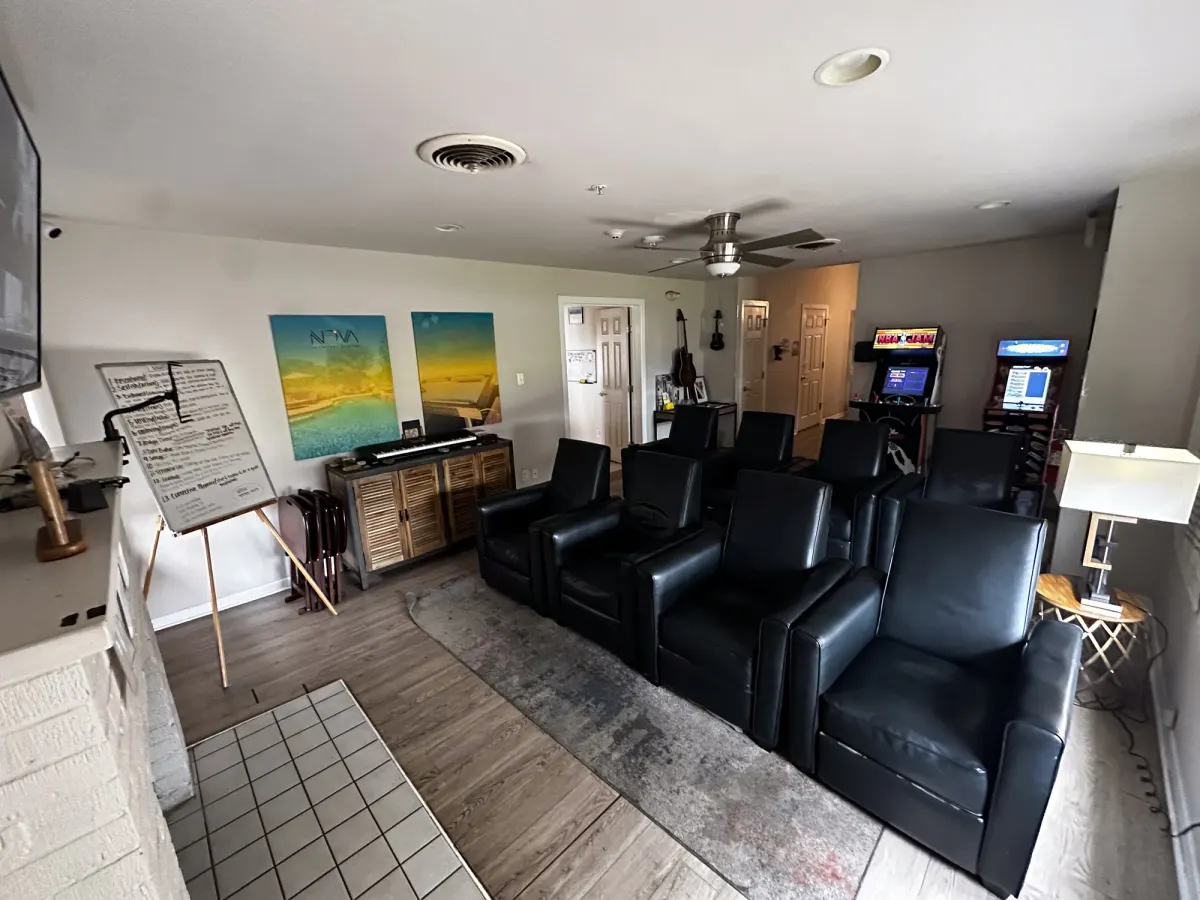
 Austin, TX
11711 N Lamar Blvd · 78753
- 15 beds
- On-site labs
- 24-hour medical staff
Drug & Alcohol Detox in Austin, TX
-
 Inpatient
 Houston, TX
1019 Ashland St · 77008
- On-site labs
- 24-hour medical staff
Drug Detox Center in Houston, TX
-
 Outpatient
 San Antonio, TX
6707 W Hausman Rd · 78249
- Outpatient detox with scheduled medical visits
- Outpatient treatment
Outpatient Drug & Alcohol Detox in San Antonio
Are There Gender-Specific Detox Programs in Briarwood's Other Locations?
Beyond our inpatient medical detox in Austin, Briarwood operates outpatient detox services in San Antonio and Houston. Outpatient detox serves individuals with less severe physical dependence who can safely withdraw at home with daily or alternate-day medical check-ins, medication management, and monitoring.
The same gender-informed clinical approach applies in our San Antonio and Houston outpatient programs. Women receive pregnancy screening before any detox medications are prescribed. Medication protocols account for metabolic differences. Assessment tools screen for gender-specific risk factors. The outpatient model simply delivers this care while patients return home each evening rather than staying in a supervised facility.
Outpatient detox isn't appropriate for everyone. Severe alcohol or benzodiazepine dependence—where seizure or delirium risk is elevated—requires inpatient monitoring regardless of gender. Our clinical staff determines appropriate level of care during the initial assessment, which can be conducted at any of our three Texas locations.
Insurance Coverage for Gender-Specific Detox
Insurance plans don't typically have separate authorization processes for gender-specific versus mixed-gender detox programs. What matters to payers is medical necessity: Does the patient's substance use disorder and withdrawal risk justify inpatient versus outpatient detox? Our Austin, San Antonio, and Houston locations work with most major insurance plans to verify benefits and determine coverage.
Many people assume specialized programs cost more, but gender-informed care at Briarwood is simply good clinical practice—it's built into how we conduct assessments and deliver evidence-based detox protocols. There's no premium for receiving care that accounts for your physiological reality. Payment plans are available for those with high deductibles or limited insurance coverage, and our admissions team provides transparent cost estimates before admission.
The cost question in detox isn't usually about gender programming—it's about inpatient versus outpatient level of care, length of stay, and whether complications arise requiring extended monitoring. Our team verifies benefits before admission so there are no surprises.
What Happens After Detox?
Briarwood Detox Center specializes in the acute withdrawal phase—the medical stabilization that makes recovery possible. Detox alone is not addiction treatment; it's the necessary first step. After completing detox in Austin, San Antonio, or Houston, patients need ongoing care to address the psychological, behavioral, and social dimensions of substance use disorder.
Gender considerations extend into this continuum of care. Women statistically benefit from treatment that addresses trauma, parenting concerns, and relationship dynamics. Men often need support around employment stress, emotional expression, and rebuilding social connections that don't revolve around substance use. Our discharge planning connects patients with appropriate next steps, whether that's intensive outpatient therapy, residential rehab, or community-based recovery support.
The question of whether gender-specific detox programs exist in Austin is best understood as part of a larger question: Will treatment account for who I am as a complete person? At Briarwood, the answer is yes. Our medical detox protocols integrate the latest research on gender differences in withdrawal physiology while treating each patient as an individual with a unique history, set of risk factors, and path toward recovery.
If you or someone you care about needs help with withdrawal from drugs or alcohol, Briarwood Detox Center provides medically supervised detox that accounts for the full range of factors influencing safe, effective treatment. Reach out to our team to discuss your situation and determine the right level of care.
Ready to take the next step?
Briarwood Detox Center provides medically supervised drug & alcohol detox. Call (866) 710-7710 to speak with our team today.
Frequently Asked Questions
How much does it cost to get a detox?+–
The cost of medical detox varies based on whether you need inpatient or outpatient care and your length of stay. Inpatient detox in Austin typically ranges from several hundred to over a thousand dollars per day, but most major insurance plans cover a significant portion of medically necessary detoxification. Briarwood Detox Center verifies your benefits before admission and provides transparent cost estimates. Payment plans are available for out-of-pocket expenses, and our admissions team works with you to understand your coverage and financial options.
How long does a typical detox program last?+–
Most medical detox programs last 5-10 days, though the exact timeline depends on which substances you're withdrawing from, the severity of physical dependence, and individual factors like metabolism and overall health. Alcohol and benzodiazepine detox often require the full 7-10 day window to safely taper medications and monitor for complications. Opioid detox may stabilize more quickly. Our medical team assesses your progress daily and adjusts the treatment plan to ensure safe, complete withdrawal management before discharge.
Who pays for detox?+–
Detox is typically paid through private health insurance, Medicare, Medicaid, or out-of-pocket payment. Most major insurance plans cover medically necessary detoxification as an essential health benefit under the Affordable Care Act. Coverage details vary by plan—some cover inpatient detox fully after a deductible, others require co-insurance or pre-authorization. Briarwood Detox Center accepts most insurance plans and verifies your benefits before admission. For uninsured or underinsured patients, payment plans help make treatment accessible.
What states have involuntary commitment laws for substance use?+–
Currently, about 38 states including Texas have civil commitment statutes allowing court-ordered substance use treatment under specific circumstances—typically when someone poses an imminent danger to themselves or others due to substance use. In Texas, involuntary commitment requires a legal process with medical evaluation and judicial review. These laws are controversial and rarely used for detox specifically, as most effective treatment requires voluntary participation. At Briarwood, we work exclusively with individuals who choose to seek help or consent to care.
How long does a home detox take?+–
Home detox through an outpatient program typically follows the same 5-10 day timeline as inpatient detox, but you sleep at home and visit the clinic daily or every other day for medical monitoring, vital sign checks, and medication adjustments. This model works for people with moderate dependence, stable home environments, and lower medical risk. Severe alcohol or benzodiazepine dependence requires inpatient monitoring due to seizure and delirium risks. Our clinical team determines whether outpatient detox is safe during your initial assessment.
What drug takes the longest to detox?+–
Benzodiazepines typically require the longest detox timeline when severe physical dependence is present, sometimes extending 10-14 days or longer for medically supervised tapering. Benzos must be reduced gradually to prevent seizures and severe rebound anxiety. Alcohol detox usually takes 5-10 days. Opioids produce intense but shorter acute withdrawal, typically 5-7 days, though post-acute symptoms persist much longer. Stimulants like methamphetamine don't cause dangerous physical withdrawal but produce exhaustion and depression during the detox period.
How many days does it take to fully detox your body?+–
Acute physical withdrawal—the medical detox phase—typically takes 5-10 days, after which the substance is cleared from your system and dangerous withdrawal symptoms have resolved. However, 'fully detoxing' in terms of brain chemistry normalization takes much longer. Post-acute withdrawal syndrome can last weeks to months, with sleep disturbances, mood swings, and cravings persisting well after medical detox ends. This is why detox alone isn't sufficient treatment—ongoing therapy and support are essential for addressing the neurological changes that outlast acute withdrawal.
Do women and men experience different withdrawal symptoms?+–
Yes, research shows gender influences withdrawal symptom patterns. Women often report more severe anxiety, mood swings, and sleep disturbances during withdrawal, partly due to hormonal factors and higher rates of co-occurring mental health disorders. Women also develop physical dependence more quickly at lower consumption levels. Men statistically experience more cardiovascular complications during stimulant withdrawal. These differences inform how our medical team monitors symptoms, doses medications, and provides supportive care during the detox process at Briarwood's Austin facility. Ready to Start Your Recovery in Austin? Briarwood Detox Center offers medically supervised detox in Austin. Explore our locations, see the facility, and verify your insurance in minutes. See our locations
Frequently Asked Questions About Gender-Specific Treatment Programs for Women in Austin
Are there any gender-specific treatment programs for women with addiction in Austin?
Yes. Briarwood Detox Center offers gender-specific medical detox programs for women at our Austin inpatient facility, as well as women-only outpatient detox options serving Austin, San Antonio, and Houston. These programs provide a safe, confidential environment where women can address substance use disorders alongside peers facing similar challenges, with clinical care tailored to the unique medical, psychological, and trauma-informed needs common among women seeking recovery.
Gender-specific treatment recognizes that women often experience addiction differently than men—including distinct pathways to substance use, higher rates of co-occurring mental health conditions such as depression and anxiety, trauma histories (including sexual or domestic violence), and unique physiological responses to withdrawal. Women-only detox environments remove the social pressures and safety concerns that can arise in co-ed settings, allowing participants to focus fully on stabilization and preparing for ongoing treatment.
At Briarwood, our gender-specific detox programs include 24/7 medical supervision, evidence-based withdrawal management (including medications when clinically appropriate), trauma-informed care, individual and group counseling, and discharge planning that connects women to continuing care resources matched to their goals. Whether you need inpatient detox in Austin or outpatient support closer to home in San Antonio or Houston, our teams are ready to help.
If you or a woman you care about is struggling with alcohol, opioids, benzodiazepines, stimulants, or other substances, call us today at (866) 710-7710 for a free, confidential assessment. We'll answer your questions, verify insurance, and help you take the first safe step toward recovery.
What makes gender-specific detox different from co-ed programs?
Gender-specific detox programs create a therapeutic environment designed exclusively for women, which research shows can improve engagement, reduce dropout rates, and enhance long-term outcomes. Key differences include:
- Trauma-informed care: Women are significantly more likely to have histories of trauma, particularly sexual or domestic violence. Gender-specific settings allow clinicians to address trauma safely without the presence of men, which can be triggering for some participants.
- Peer support: Sharing experiences with other women fosters connection, reduces shame, and normalizes challenges unique to women in recovery—such as parenting stress, reproductive health concerns, or relationship dynamics.
- Clinical focus: Treatment plans often integrate care for co-occurring disorders (depression, anxiety, PTSD, eating disorders), reproductive health education, and family/parenting support—issues that affect women disproportionately.
- Safety and comfort: Many women feel safer and more comfortable discussing sensitive topics (body image, sexual health, intimate partner violence) in women-only groups.
Briarwood's women's detox programs incorporate these principles while maintaining the same rigorous medical protocols—24/7 nursing, physician oversight, evidence-based medications, and individualized discharge planning—that define quality addiction medicine.
Does Briarwood accept insurance for women's detox programs in Austin?
Yes. Briarwood Detox Center works with most major private insurance plans, including PPO, HMO, and many employer-sponsored policies. Coverage varies by plan, but medical detox is often classified as an essential health benefit under the Affordable Care Act and the Mental Health Parity and Addiction Equity Act, meaning many insurers cover it at levels similar to other medical hospital services.
Our admissions team will verify your benefits at no charge, explain your estimated out-of-pocket costs (deductible, copay, coinsurance), and help you understand what your plan covers for both inpatient and outpatient detox. We'll also discuss payment options if you're uninsured or if your plan requires a higher patient responsibility than you can manage immediately.
To get a free insurance verification and learn what your plan covers for medical detox in Austin, call (866) 710-7710 today. Our team is available 24/7 to answer benefit questions and help you start care as soon as you're ready.
Can family members visit during women's detox at Briarwood?
Visitation policies are designed to balance clinical stability with family connection. During the acute withdrawal phase (typically the first 48–72 hours), most patients benefit from a quiet, distraction-free environment focused entirely on medical stabilization. During this time, contact is usually limited to phone calls coordinated by the care team.
Once you're medically stable—usually by day three or four—many patients welcome family visits or video calls. Your clinical team will assess your readiness and work with you to schedule visits that support your recovery without interfering with treatment activities (group sessions, individual counseling, medical rounds).
Gender-specific programs prioritize your safety and comfort, so all visitors are screened and visits occur in designated common areas or private meeting rooms, never in sleeping quarters. If you have specific concerns about visitation (for example, if you need to limit contact with certain individuals for safety reasons), your care team will honor those boundaries.
For detailed answers about visiting policies, items you can bring, and what to expect during your stay, read our guide on family visits during medical detox or call us at (866) 710-7710.
Related guides



In network with most major insurance
Find your plan and see what detox would cost
Most plans cover medical detox. Coverage varies by plan, so we verify it for you before you commit to anything.

















Don't see your plan? We work with out-of-network benefits and offer self-pay options — (866) 710-7710
- Confidential
- Takes about 2 minutes
- No obligation to admit

- Accredited The Joint Commission
- Rated 4.5 · 94 Google reviews
- Admissions 24 hours a day