
Guide
How Cannabis Affects Mental Health in Austin, TX
Joint Commission accredited · In network with most major insurance · Admissions answered 24 hours a day


Published November 25, 2025
Reviewed and updated July 29, 2026
Key Takeaways · 10 points
- Research consistently links early, frequent, or high‑THC cannabis use with higher risks for psychosis, mood symptoms, and cannabis use disorder. These risks vary by person, but they increase with potency and frequency.
- Cannabis‑related psychosis risk appears dose‑related and is higher in youth and with high‑potency products. Family history of psychosis can further raise vulnerability.
- Daily or near‑daily cannabis use is linked to anxiety and depression over time, though causation differs by individual. Some people also report suicidal thoughts.
- Heavy lifetime use is associated with changes in working memory that can affect attention and learning. Many people notice improved focus after a period of abstinence.
- Vaping or dabbing high‑THC products can increase acute risks, especially for adolescents and young adults. Developing brains are more sensitive to these effects. Even nicotine‑free vapes and 0 mg vape pens can irritate the lungs and complicate recovery if they become a new coping tool.
- People at higher risk include those who start young, use often, choose high‑THC products, or have a personal or family history of mental‑health conditions. Self‑medicating distress can also elevate risk.
- About three in ten people who use cannabis develop cannabis use disorder marked by cravings, tolerance, and continued use despite problems. Recognizing these signs early supports safer change.
- Withdrawal after heavy or long‑term use commonly involves irritability, sleep disruption, low mood, and cravings. Structured, supportive care helps people stay on track.
- Consider medical detox in Austin, TX if cutting back hasn’t worked, high‑THC use is worsening mental health, or other substances are involved. A short, focused stay can stabilize sleep, appetite, and mood.
- Briarwood Detox Center provides 24/7 medically supervised detox, individualized care, and coordinated next steps in Austin. Admissions are streamlined with insurance verification and year‑round availability.
Break Free from Addiction. Detox Safely in Austin Today.
Medically Supervised Detox – Compassionate Care Starts Here.
Cannabis affects people differently. Still, consistent research points to higher risks for psychosis, memory problems, and cannabis use disorder—especially with early, frequent, or high‑THC use. If cannabis is starting to affect your mood, sleep, school, work, or relationships, the first step is to get objective information and safe support. Related reading: if you’re wondering what does chronic user mean in the context of daily or near‑daily cannabis use, our chronic use definition guide breaks it down in plain language.
What recent research says









Evidence keeps evolving, but several trends are clear:
- Psychosis risk rises with early and frequent use. The association is stronger among people who start young and use more often.
- Heavy lifetime use is associated with working‑memory changes. A 2025 neuroimaging study found reduced brain activation during memory tasks among heavy users.
- Daily or near‑daily use is linked with anxiety/depression over time. Guidance notes higher chances of anxiety/depression with frequent use.
- Not everyone develops a disorder, but risk is real. Roughly 3 in 10 people who use cannabis meet criteria for cannabis use disorder (CUD).
Where we are
Detox centers across Texas
Three locations, each with its own admissions line and its own clinical team. Pick the one nearest you — or call and we will tell you which has a bed tonight.
-
 Inpatient
 Austin, TX
11711 N Lamar Blvd · 78753
- 15 beds
- On-site labs
- 24-hour medical staff
Cannabis and Substance Detox in Austin, TX
-
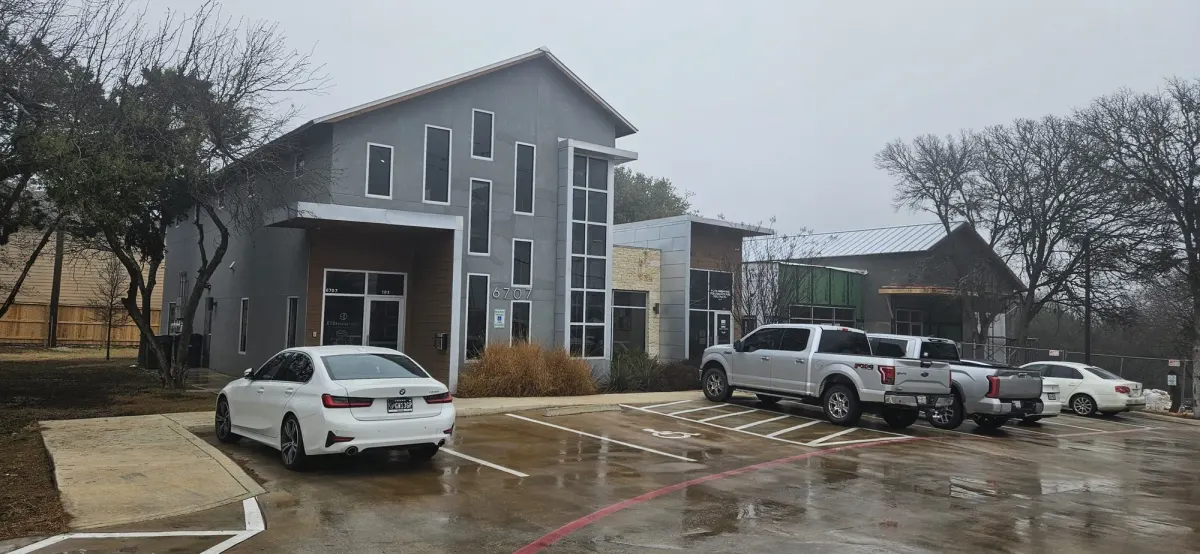 Outpatient
 San Antonio, TX
6707 W Hausman Rd · 78249
- Outpatient detox with scheduled medical visits
- Outpatient treatment
Outpatient Detox for Cannabis Use in San Antonio, TX
-
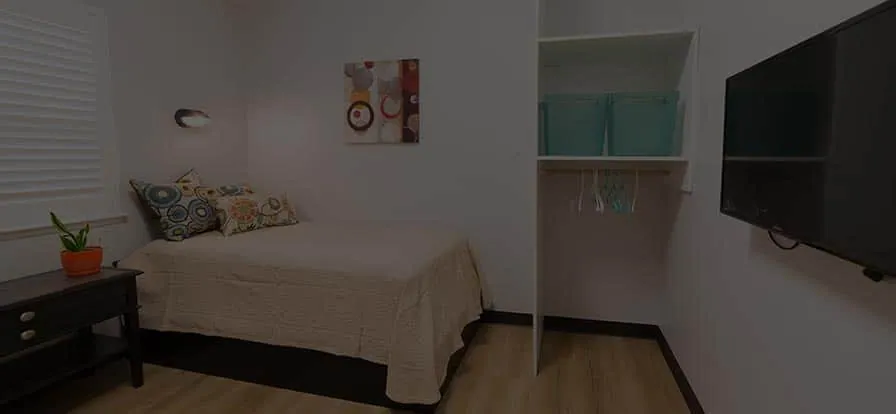 Inpatient
 Houston, TX
1019 Ashland St · 77008
- On-site labs
- 24-hour medical staff
Safe Drug and Alcohol Detox in Houston, TX
Common mental‑health effects of cannabis
Psychosis and schizophrenia risk
Multiple public‑health reviews connect cannabis use—especially early, frequent, or high‑potency use—to a higher likelihood of psychosis and, in some individuals, schizophrenia. Risk appears dose‑related: more frequent or potent use raises the odds. Youth and young adults are more vulnerable. See Briarwood’s overview on how long marijuana stays in your system for detailed testing timelines and key variables.
Anxiety, depression, and suicidality
Studies show associations between cannabis use and anxiety or depressive symptoms, as well as suicidal thoughts—though not all research proves causation. Near‑daily use increases the likelihood of mood problems over time, and social anxiety may also be more likely among regular users.
Memory, attention, and learning
Heavy lifetime cannabis use has been associated with reduced brain activation during working‑memory tasks in young adults. This may impact day‑to‑day activities that rely on holding and using information. More research is underway to determine how long these effects last after stopping.
Youth, high‑THC products, and routes of use
Vaping and dabbing are common among younger users and can deliver very high THC doses. Public‑health data warn that this shift could increase risks for CUD and acute psychosis, particularly while the brain is still developing.
Who faces higher risk?
- People who start young, use often, or use high‑potency products. Youth and young adults show stronger associations with mental‑health harms.
- Those with personal or family history of psychosis or mood disorders. Vulnerability can compound the effects of THC exposure.
- People who self‑medicate distress with cannabis. Large 2025 data link self‑medication motives with higher THC intake and more paranoia, anxiety, and depression reports.
Cannabis Use Disorder (CUD): signs and why it matters
Up to 30% of people who use cannabis may develop CUD—continued use despite problems at school, work, or home. Warning signs include cravings, needing more to feel the same effect, unsuccessful attempts to cut down, and using even when it worsens anxiety, sleep, or mood. If you’re ready to make a change, our step‑by‑step guide on how to quit smoking weed walks through preparation, support, and treatment options.
Withdrawal: what it can look like
Stopping after heavy or long‑term use may bring irritability, sleep problems, low mood, decreased appetite, restlessness, and cravings. These symptoms are not “dangerous” in most cases, but they can derail attempts to quit without structured support. Briarwood has practical guidance on what to expect and how to manage withdrawal safely.
When to consider detox in Austin, TX
Detox is a focused, short‑term medical intervention that helps you stop safely and stabilize sleep, appetite, and mood while planning next steps. Consider a supported detox if you:
- Can’t cut back despite consequences
- Use high‑THC products daily or nearly daily
- Notice worsening anxiety, depression, paranoia, or concentration
- Are mixing cannabis with alcohol, sedatives, or stimulants
At Briarwood Detox Center in Austin, our Austin medical detox program provides 24/7 monitoring, individualized plans, and a calm, confidential setting while you stabilize from cannabis and other substances.
Considering “substance abuse treatment austin tx”?
If you’re searching that phrase, you may be ready for a safe starting point. Our Austin program offers medical detox with continuous nursing care and physician oversight—designed to help you stop, stabilize, and think clearly about ongoing care.
Looking for “drug treatment centers in austin” or “austin drug treatment centers”?
While search results vary, focus on essentials: medical monitoring, support for sleep and mood, and realistic transition planning after detox. Briarwood provides round‑the‑clock care and immediate planning for the next level of treatment so you’re not navigating options alone.
“drug treatment centers austin texas”: what to ask before you enroll
Ask about staffing ratios, monitoring for anxiety/paranoia, medication options for sleep, and how they coordinate aftercare. Briarwood’s team handles insurance checks, intake logistics, and placement planning so you can move forward with confidence.
Break Free from Addiction. Detox Safely in Austin Today.
Medically Supervised Detox – Compassionate Care Starts Here.
How Briarwood Detox Center helps
Medical detox tailored to cannabis and polysubstance use
Not everyone needs medications for cannabis withdrawal, but many benefit from structured sleep, nutrition, and mood support. Our Austin team builds an individualized plan, monitors symptoms, and addresses co‑occurring substance use when relevant.
24/7 care, privacy, and comfort
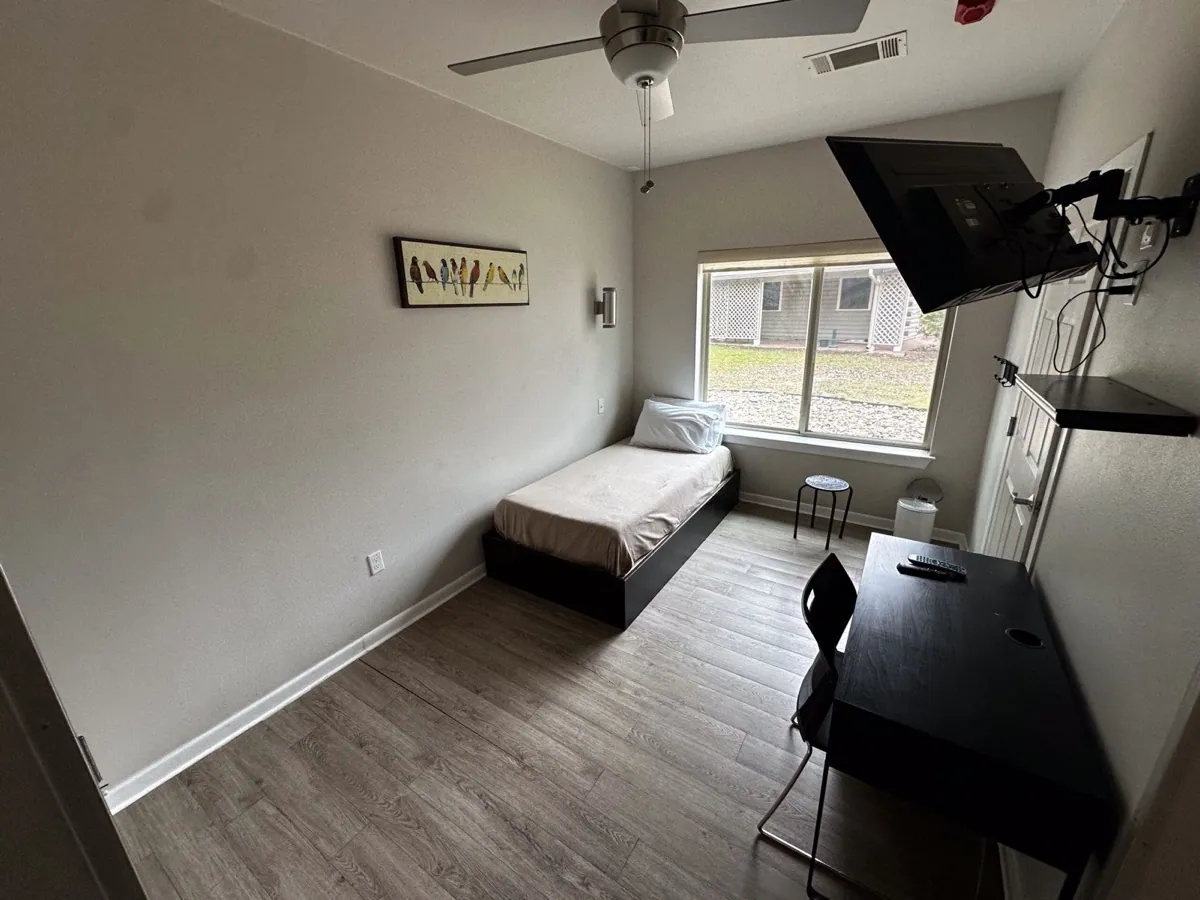
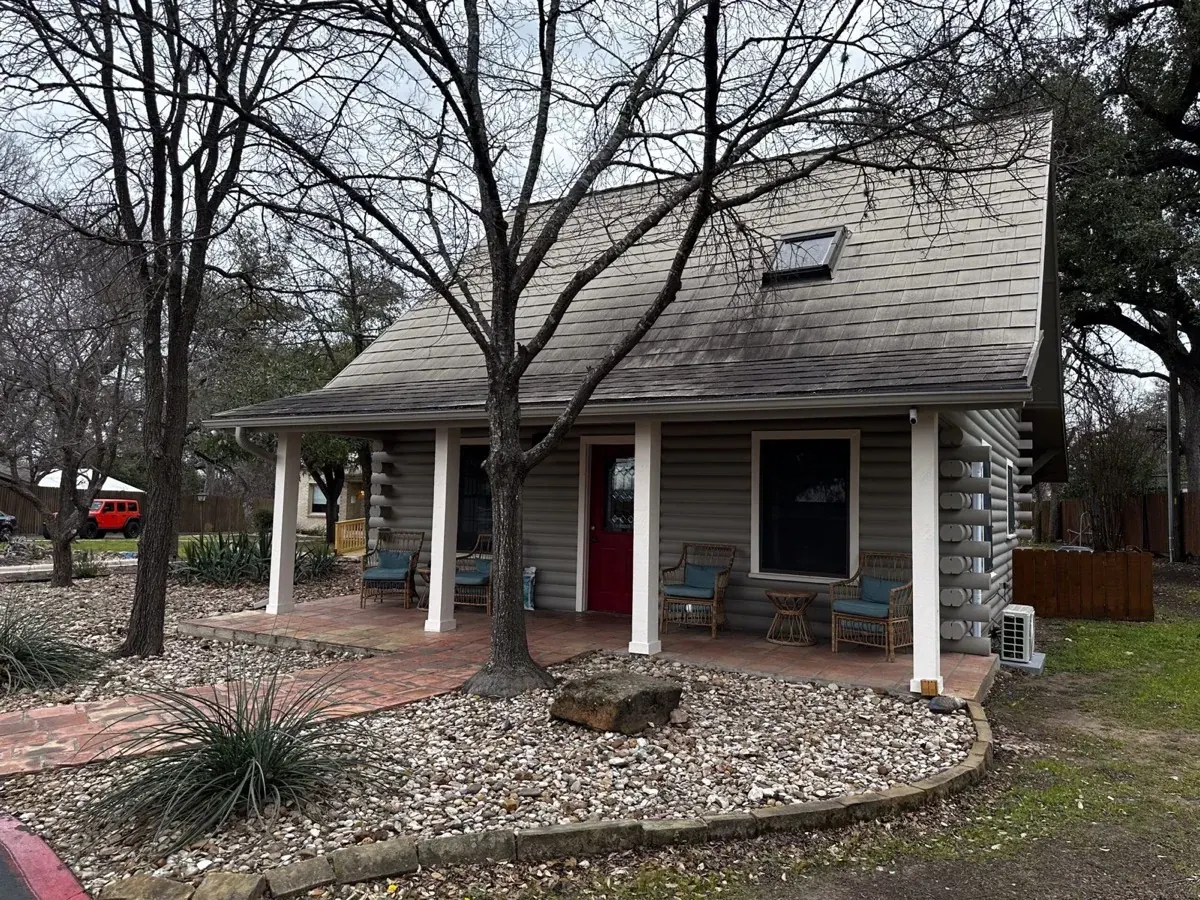
Detox is most effective when you feel safe and supported. Briarwood provides continuous medical supervision in a residential setting so you can stabilize without outside pressures.
Planning your next step
Detox is the first step, not the last. We coordinate post‑detox care, including outpatient or residential treatment referrals, based on your goals, assessment, schedule, and benefits.
How Briarwood Detox Center Supports Cannabis Detox in Austin, TX
Briarwood Detox Center provides 24/7 medically supervised detox for cannabis use and polysubstance patterns. Our Austin medical detox program offers a safe, private setting to stabilize sleep, mood, and appetite. Nurses and physicians monitor symptoms and address anxiety, irritability, and insomnia. We build a personalized plan around your goals, mental health needs, and schedule. If you are searching for substance abuse treatment in Austin, TX, medical detox is a reliable first step. Our admissions team verifies insurance quickly and helps coordinate same‑day or next‑day entry. During your stay, you receive education, coping tools, and a clear plan for ongoing care. See what to expect so you can prepare with confidence. Briarwood Detox Center serves Austin and Central Texas with compassionate, evidence‑informed support.
Cannabis Detox and Mental Health FAQs
How does cannabis use affect mental health?+–
Cannabis can influence mood, thinking, and perception in the short term, and frequent or high‑potency use is associated with higher risks of psychosis and long‑lasting mental disorders in some people. These risks appear stronger when use begins in adolescence and continues into young adulthood.
Can cannabis cause anxiety or depression?+–
Research suggests that regular or heavy cannabis use is linked with increased reports of anxiety and depressive symptoms. While cannabis may feel calming at first, ongoing use—especially at high doses—can be associated with more frequent mood problems over time.
Can cannabis use lead to schizophrenia or psychosis?+–
Evidence shows that cannabis use is associated with a higher risk of psychosis and schizophrenia, particularly for people who start young, use more often, or use high‑THC products. This does not mean everyone who uses cannabis will develop psychosis, but it does mean that use can add to existing vulnerability.
What are common symptoms of cannabis withdrawal?+–
Cannabis withdrawal can include irritability, anxiety, restlessness, low mood, sleep problems, vivid dreams, decreased appetite, and cravings. These symptoms can range from mild to more disruptive, depending on how long and how heavily a person has been using cannabis.
How long do cannabis withdrawal symptoms usually last?+–
Withdrawal symptoms often begin within a few days after stopping or sharply reducing cannabis use. They tend to peak in the first week and gradually improve over two to three weeks, though sleep and mood changes can persist longer in heavy, long‑term users.
What is cannabis use disorder?+–
Cannabis use disorder is a pattern of cannabis use that leads to significant distress or problems at home, school, work, or in relationships. Signs include using more than intended, unsuccessful attempts to cut down, craving cannabis, and continuing to use despite physical, emotional, or social consequences.
Who is most at risk for cannabis‑related mental health problems?+–
People who start using cannabis in their teens, use daily or near‑daily, choose high‑THC products, or have a personal or family history of psychosis or mood disorders appear to face higher risk. Youth and young adults are particularly vulnerable because their brains are still developing.
Can quitting cannabis improve mental health and thinking?+–
Many people report better sleep, clearer thinking, and more stable mood after reducing or stopping cannabis, especially if they were using heavily. Emerging research suggests that some cognitive changes, such as working‑memory problems, may improve over time with sustained abstinence, though results can vary from person to person.
What happens during cannabis detox at a medical facility?+–
During medical detox, clinicians first assess your physical and mental health, then create a plan to help you stop cannabis and any other substances as safely and comfortably as possible. At Briarwood Detox Center, the team monitors withdrawal symptoms around the clock, supports sleep and nutrition, addresses anxiety or mood changes, and helps you plan your next steps in care so you are not navigating the process alone. Call our admissions team today at (866) 710-7710.
When should I consider professional help for cannabis withdrawal or mental health changes?+–
It can be time to seek structured help if you cannot cut back on your own, if withdrawal symptoms are intense, or if cannabis use is linked with worsening anxiety, depression, paranoia, or problems at work, school, or home. Briarwood Detox Center provides medically supervised detox in a private Austin setting, helping you stabilize and connect with appropriate follow‑up care so you can move forward with more support. Call our admissions team today at (866) 710-7710.
Related guides


In network with most major insurance
Find your plan and see what detox would cost
Most plans cover medical detox. Coverage varies by plan, so we verify it for you before you commit to anything.

















Don't see your plan? We work with out-of-network benefits and offer self-pay options — (866) 710-7710
- Confidential
- Takes about 2 minutes
- No obligation to admit

- Accredited The Joint Commission
- Rated 4.5 · 94 Google reviews
- Admissions 24 hours a day