
Guide
Cocaine vs. Crack: What's the Difference?
Joint Commission accredited · In network with most major insurance · Admissions answered 24 hours a day

Published October 7, 2019
Reviewed and updated July 27, 2026
Cocaine and crack are two different forms of a drug that is derived from the coca plant. They are both abused for similar reasons and are highly addictive substances. Although these two drugs share many similarities, there are also some differences.
Table of contents
- What Is Cocaine?
- How Long Does Cocaine Stay in Your System?
- What Are Signs and Symptoms of Cocaine Addiction?
- What Are Cocaine Withdrawal Symptoms?
- Cocaine Detox: How to Stop Using Cocaine
- What Is Crack?
- How Long Does Crack Stay in Your System?
- What Are Signs and Symptoms of Crack Addiction?
- What Are Crack Withdrawal Symptoms?
- Crack Detox: How to Stop Using Crack
- Cocaine Uses vs. Crack: How Are They Used?
- Cocaine vs. Crack: Are They Addictive?
- Cocaine vs. Crack: What Are the Side Effects of Abuse?
- Get Cocaine Addiction Treatment Treatment Today
Cocaine vs. Crack: What’s the Difference?
Cocaine is a powerfully addictive illegal stimulant that is sold on the street as a fine, white, crystal powder. Crack is a highly-concentrated form of cocaine that has been processed into a rock crystal (also sometimes called “freebase cocaine”). The effects caused by smoking crack are instant, whereas it can take anywhere from a few minutes to an hour for users to feel the effects of powder cocaine.
What Is Cocaine?
Cocaine is an addictive stimulant that is made from the leaves of the coca plant, which is native to South America.1 Sold as a fine, white powder on the streets, cocaine dealers often mix it with fillers such as flour or cornstarch to make more money. It is also frequently cut with other drugs such as amphetamine, synthetic opioids, or fentanyl, which can greatly increase the risk of overdose among cocaine users.
Does your insurance cover detox in Austin?
Find out in about 2 minutes — free, confidential, no obligation.
Verify InsuranceCocaine is classified as a Schedule II drug because it has a high potential for abuse as well as some medical uses. It is rarely ever used medically in the United States but cocaine hydrochloride solution can be used as an anesthetic for the upper respiratory tract. It can also be used to reduce bleeding of the mucous membranes in the mouth, throat, and nasal cavities. However, there are other better treatments for these issues.
Recreational use of cocaine is illegal but common. There are many different street names and slang terms for cocaine but some of the most common are:
- Coke
- Coka
- Crack
- Flake
- Soda Cot
- Rock
- Blow
- Snow2
People who abuse cocaine do so for its stimulating effects and the powerful, euphoric high that it causes. It produces these effects by flooding the brain’s reward system with dopamine, which strongly reinforces the behavior. Cocaine users quickly develop a tolerance and need stronger, more frequent doses to achieve the same high and prevent withdrawal.
Cocaine users may use various methods to get high, such as snorting the powder, rubbing it into their gums, or dissolving the powder and injecting it. It’s also frequently used with heroin. This combination is called a “speedball.”
Over time, the brain’s reward circuit also adjusts to the increased levels of dopamine caused by the cocaine and becomes less sensitive to it. To avoid unpleasant withdrawal symptoms, users take larger and more frequent doses. This behavior can quickly result in addiction and regularly snorting, injecting, or consuming cocaine orally can cause other harmful long-term side effects, such as:
- Loss of smell
- Nosebleeds
- Frequent runny nose
- Cough
- Respiratory distress
- Higher risk of infections like pneumonia
- Bowel decay from reduced blood flow
- Higher risk for contracting HIV, hepatitis C, and other bloodborne diseases
- Skin infections
- Skin scarring
- Collapsed veins
- Irregular heartbeat
- Sudden cardiac arrest
- Convulsions
- Stroke
- Overdose
- Death1
How Long Does Cocaine Stay in Your System?
The half-life of cocaine is about one hour, which means it takes about an hour for half of the cocaine in the bloodstream to leave the body.3 However, if a person abuses cocaine heavily for a long time, the drug can accumulate in the tissues of the body and be detected for longer, depending on the testing method that is used. The chart below shows the approximate drug test detection times for cocaine, although it may vary slightly from person to person.
Approximate Drug Test Detection Times for Cocaine
| Urine test | Detectable for 1-3 days |
| Blood test | Detectable for up to 24 hours |
| Saliva test | Detectable for 1-2 days |
| Hair follicle test | Detectable for up to 90 days |
Sources: https://www.verywellmind.com/how-long-does-cocaine-stay-in-your-system-80231, ScienceDirect
What Are Signs and Symptoms of Cocaine Addiction?
If someone is addicted to cocaine, he or she may display some of the following signs and symptoms:
- Having cravings for cocaine
- Being preoccupied with thoughts of using cocaine
- Needing more cocaine to achieve the same effects
- Losing interest in regular hobbies or activities
- Isolating oneself from family and friends
- Trying to stop using cocaine but being unable
- Continuing to use cocaine despite the negative consequences or physical harm it causes
- Lying to friends and loved ones about cocaine use
- Stealing from loved ones to fund cocaine use
What Are Cocaine Withdrawal Symptoms?
Cocaine withdrawal symptoms usually include:
- Depression
- Fatigue
- Increased appetite
- Unpleasant dreams
- Insomnia
- Slowed thinking4
The intensity and duration of these withdrawal symptoms will depend on the severity of a person’s addiction, their cocaine use patterns, their method of use, as well as the method they used to quit. Typically, quitting drugs cold turkey produces more severe withdrawal effects.
Cocaine Detox: How to Stop Using Cocaine
Once you’re addicted to cocaine, it can be very difficult to stop using it. Cocaine withdrawal symptoms can also be very severe, which are often challenging to manage without medical treatment and medical support. Quitting cocaine cold turkey can be dangerous and may lead to severe withdrawal symptoms or medical emergencies. On the other hand, a medical detox program is a safe and effective way to stop using cocaine.
While cocaine withdrawal symptoms are not life-threatening, they can be very uncomfortable without medical assistance. A medical detox program for cocaine addiction can help reduce the severity of withdrawal symptoms and provide clinical care for psychological symptoms like depression. Continued treatment in a rehab program can also help clients address the psychological aspects of their addictive behaviors, develop life skills, and learn relapse prevention techniques.
What Is Crack?
Crack is a highly-concentrated form of cocaine that has been processed into a rock crystal. It is often considered to be the purest form of cocaine. When it’s sold on the street, it looks like small, white, irregularly-shaped rocks. The drug gets its name from the crackling sound it makes when it is heated and smoked.5
Ready to talk to someone now? Briarwood Detox Center's admissions team is here 24/7, and every call is confidential. Call (866) 710-7710.Since crack is more concentrated than the powder form of cocaine, some consider it to be even more addictive, and it’s possible to become addicted after just a single use. People who abuse it do so by heating it to produce vapors, which they inhale. Some crack users may also sprinkle it on marijuana or tobacco and smoke it like a cigarette.
In contrast to the powdered form of cocaine, the effects of crack are even more powerful and intense. Abusing crack can produce a strong, euphoric high, with effects that can be felt in mere seconds. It’s often referred to as a “rush.” When a person smokes or injects cocaine, the drug reaches the brain within seconds and the euphoria is caused by the extremely rapid buildup of dopamine in the brain.
Once a person is addicted to crack, it is very difficult to stop using it. It is also much cheaper than cocaine, which makes it a prime alternative for cocaine users. Other drugs of abuse, such as prescription opiates and benzodiazepines are also much more pricey.
Where we are
Detox centers across Texas
Three locations, each with its own admissions line and its own clinical team. Pick the one nearest you — or call and we will tell you which has a bed tonight.
-
 Inpatient
 Austin, TX
11711 N Lamar Blvd · 78753
- 15 beds
- On-site labs
- 24-hour medical staff
Drug & Alcohol Detox in Austin, TX
-
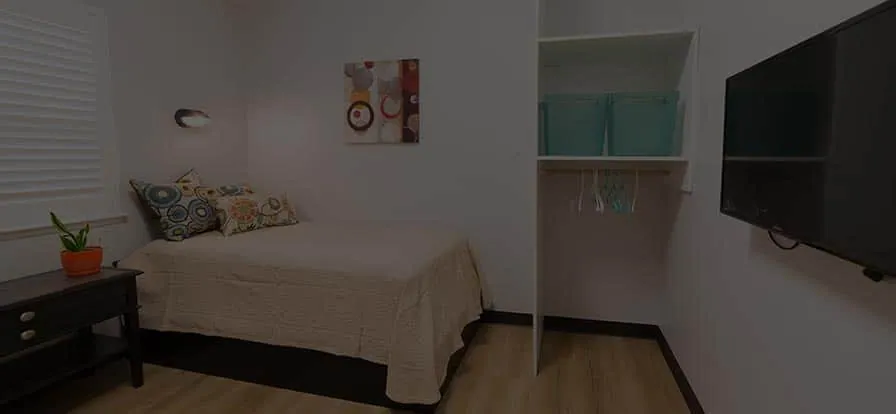 Inpatient
 Houston, TX
1019 Ashland St · 77008
- On-site labs
- 24-hour medical staff
Drug Detox Center in Houston, TX
-
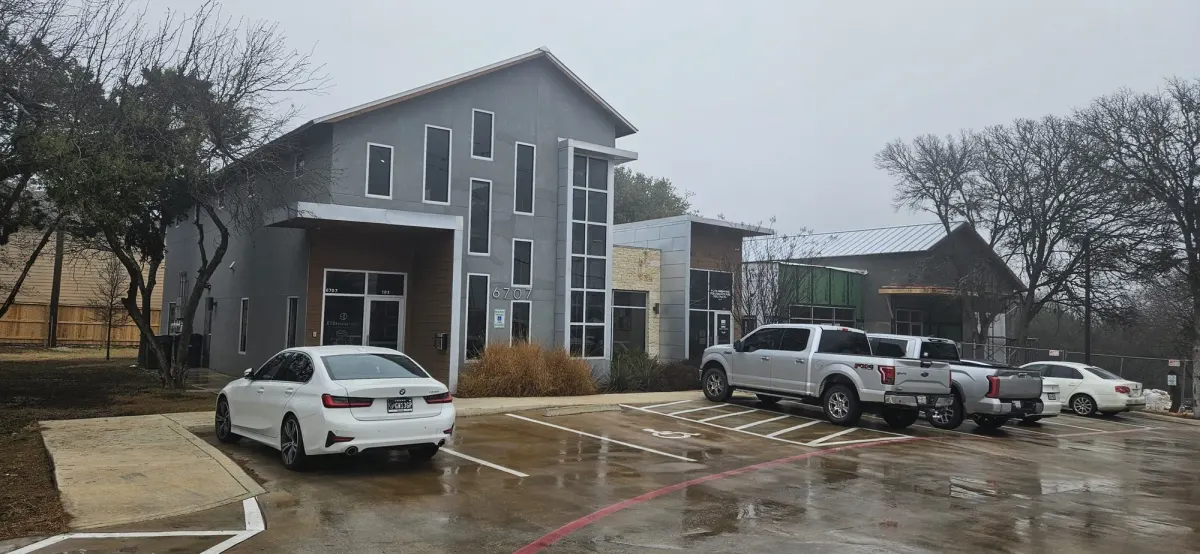 Outpatient
 San Antonio, TX
6707 W Hausman Rd · 78249
- Outpatient detox with scheduled medical visits
- Outpatient treatment
Outpatient Drug & Alcohol Detox in San Antonio
How Long Does Crack Stay in Your System?
The half-life of crack is only 15 minutes, so it leaves the body quicker than many other drugs. There isn’t always a fixed period of time that crack stays in the body and the amount of time it may take to clear from your body will vary depending on the following factors:
- How much crack a person smoked
- The person’s tolerance to crack
- How long a person has used crack
- A person’s body structure, metabolism, and genetics
Approximate Drug Test Detection Times for Crack Cocaine
| Urine test | Detectable for 1-3 days |
| Blood test | Detectable for up to 24 hours |
| Saliva test | Detectable for 1-2 days |
| Hair follicle test | Detectable for up to 90 days |
It’s important to note that crack may also be detectable for a longer period of time among those who use it regularly for a long time.
What Are Signs and Symptoms of Crack Addiction?
The signs of crack addiction are the same as those of cocaine and may include:
- Having cravings for crack
- Being preoccupied with thoughts of using crack
- Needing more crack to achieve the same effects
- Losing interest in regular hobbies or activities
- Isolating oneself from family and friends
- Trying to stop using crack but being unable
- Continuing to use crack despite the negative consequences or physical harm it causes
- Lying to friends and loved ones about crack use
- Stealing from loved ones to fund crack use
What Are Crack Withdrawal Symptoms?
Coming off of crack is more difficult than quitting cocaine because it is a purer form of the drug. As a result, crack withdrawal symptoms can be more severe. Crack withdrawal symptoms usually include:
- Intense cravings for crack
- Irritability
- Trouble concentrating
- Lethargy
- Depression
- Fatigue
- Increased appetite
- Unpleasant dreams
- Insomnia4
Crack Detox: How to Stop Using Crack
Quitting crack is often extremely challenging and few people succeed on their own without professional help. Because crack withdrawal can be very difficult, medical detox is often recommended. This professional treatment gives clients the best opportunity at sustaining their sobriety long-term and remaining as comfortable as possible during crack detox and withdrawal.
Although crack detox can be very uncomfortable, professional treatment can ensure that clients remain safe and comfortable throughout treatment. After the crack detox program has been completed, treatment staff can provide individualized recommendations for ongoing care and crack addiction treatment. Options for ongoing treatment usually include inpatient rehab, outpatient rehab, or a sober living program. However, many individuals who are recovering from crack addiction complete all three types of recovery programs.
Cocaine Uses vs. Crack: How Are They Used?
Although cocaine can be used medically in the U.S., both cocaine and crack cocaine are used recreationally.
| Cocaine uses:
| Crack uses:
|
Cocaine vs. Crack: Are They Addictive?
Cocaine and crack are both highly addictive drugs, but crack is arguably the most addictive of the two. Crack is the purest form of the drug and it produces much faster and more powerful highs, which, in some cases, can cause a person to become addicted after one use. However, people using either cocaine or crack have a high risk of developing physical dependence and addiction.
Cocaine vs. Crack: What Are the Side Effects of Abuse?
| Side Effects of Cocaine and Crack Cocaine Abuse |
|
Get Cocaine Addiction Treatment Treatment Today
Cocaine addiction is a powerful disease that hijacks the brain and the body. Many people who are addicted to cocaine find themselves powerless to the physical effects, withdrawal, and cravings they experience as a result of using. However, all hope is not lost.
If you’re addicted to cocaine or crack and you’re ready to get sober, the caring professional staff at Briarwood Detox Center is here to help. You don’t have to face your addiction alone. We can help you get through withdrawal and transition into the next stage of treatment.
Our cocaine detox program is personalized to address your comfort and individual needs so you can rest in the privacy of our detox center without any worries. All you have to do is call (866) 710-7710 to get started. We accept most forms of insurance and can also help you explore alternative payment options such as using your HSA to pay for detox.References:
- NIDA
- Dir 020 17 drug slang code words (DEA)
- https://methoide.fcm.arizona.edu/infocenter/index.cfm?stid=170
- MedlinePlus
- DEA
Ready to Start Your Recovery in Austin?
Briarwood Detox Center offers medically supervised detox in Austin. Explore our locations, see the facility, and verify your insurance in minutes.
See our locationsFrequently Asked Questions About Cocaine vs. Crack
What is the main difference between cocaine and crack?
The primary difference is the form and how it's used. Cocaine is a white powder (cocaine hydrochloride) typically snorted or dissolved and injected. Crack is cocaine that has been processed with baking soda or ammonia into a rock crystal form that is smoked. Crack produces a faster, more intense high because smoking delivers the drug to the brain within seconds, while snorted cocaine takes several minutes. Both are highly addictive stimulants derived from the coca plant.
Is crack more addictive than powder cocaine?
Yes, crack is generally considered more addictive due to its rapid onset and short duration of effects. When smoked, crack reaches the brain in 6-8 seconds, creating an immediate, intense euphoria that lasts only 5-10 minutes. This brief high leads to compulsive re-dosing and faster development of addiction. Powder cocaine, when snorted, takes 3-5 minutes to take effect and lasts 15-30 minutes. Both forms carry severe addiction risk, but crack's delivery method accelerates the addiction process.
Do cocaine and crack require medical detox?
Yes, both cocaine and crack withdrawal benefit significantly from medical detox. While stimulant withdrawal is not typically life-threatening like alcohol or benzodiazepine withdrawal, it causes severe psychological symptoms including depression, anxiety, intense cravings, fatigue, and in some cases suicidal ideation. Medical detox at facilities like Briarwood Detox Center provides 24/7 monitoring, medications to manage symptoms, psychiatric support, and a safe environment to prevent relapse during the critical first days of recovery. Attempting to quit stimulants without support has high relapse rates.
How long does cocaine vs. crack stay in your system?
Both cocaine and crack are metabolized similarly in the body. The actual drug clears the bloodstream within 24-48 hours, but metabolites (primarily benzoylecgonine) remain detectable in urine for 2-4 days after a single use, and up to 2 weeks or more with heavy, chronic use. Hair follicle tests can detect cocaine use for up to 90 days. Saliva tests detect use for 1-2 days, and blood tests for approximately 24 hours. The detection window depends on frequency of use, metabolism, body mass, and hydration.
Where can I get help for cocaine or crack addiction in Austin?
Briarwood Detox Center offers medically supervised detox for both cocaine and crack addiction in Austin, Texas. Our inpatient detox program provides 24/7 medical monitoring, evidence-based withdrawal management, individual and group counseling, and transition planning to ongoing treatment. We also offer outpatient detox services in Austin, San Antonio, and Houston for patients who qualify. Call (866) 710-7710 to speak confidentially with our admissions team and verify your insurance coverage.
Get Evidence-Based Cocaine and Crack Detox in Austin
Whether you or a loved one is struggling with powder cocaine or crack addiction, professional medical detox is the safest and most effective first step toward lasting recovery. At Briarwood Detox Center in Austin, our board-certified physicians and addiction specialists provide compassionate, individualized care throughout the withdrawal process.
Our stimulant detox program includes:
- Comprehensive medical and psychiatric evaluation
- 24/7 monitoring and nursing care in a comfortable, private setting
- Medication management for withdrawal symptoms, cravings, and co-occurring mental health conditions
- Evidence-based therapies including cognitive-behavioral therapy (CBT) and motivational interviewing
- Nutritional support and holistic wellness services
- Individualized discharge planning and referrals to ongoing treatment
- Coordination with outpatient programs, sober living, and community resources
Stimulant addiction affects every aspect of life—physical health, mental well-being, relationships, and work. You don't have to face withdrawal alone. Our experienced clinical team understands the unique challenges of cocaine and crack detox and will support you every step of the way.
Insurance accepted. We work with most major insurance plans and offer confidential verification. Same-day admissions available.
Take the first step today. Call Briarwood Detox Center at (866) 710-7710 or contact us online for a free, confidential assessment.
Related guides
In network with most major insurance
Find your plan and see what detox would cost
Most plans cover medical detox. Coverage varies by plan, so we verify it for you before you commit to anything.
















Don't see your plan? We work with out-of-network benefits and offer self-pay options — (866) 710-7710
- Confidential
- Takes about 2 minutes
- No obligation to admit

- Accredited The Joint Commission
- Rated 4.7 · 182 Google reviews Flourishing Foundations Recovery, now part of Briarwood
- Admissions 24 hours a day