
Guide
Drug and Alcohol Detox Austin: Why Supervised Medical Detox is Essential
Joint Commission accredited · In network with most major insurance · Admissions answered 24 hours a day

Published October 1, 2024
Reviewed and updated July 29, 2026
What is Supervised Medical Detox?
Supervised medical detox refers to the process of safely removing drugs or alcohol from the body under the care of medical professionals. Detox is the first phase of recovery, helping individuals to clear harmful substances from their system before starting the next steps of addiction treatment. However, detox is not merely a process of abstinence. Instead, it involves close monitoring by a team of doctors, nurses, and addiction specialists to ensure safety and comfort.
If you or someone you love needs more than detox, Briarwood Detox Center also provides drug rehab austin.
Briarwood Detox Center’s alcohol detox program program provides medically supervised, evidence-based care.
The importance of this step cannot be overstated. Many substances, especially alcohol and opioids, can cause severe withdrawal symptoms. In extreme cases, withdrawal can lead to life-threatening complications. Supervised care ensures that individuals undergoing detox are given the medical attention they need to manage these symptoms safely and effectively.
Does your insurance cover detox in Austin?
Find out in about 2 minutes — free, confidential, no obligation.
Verify InsuranceWhy Supervised Medical Care is Vital
One of the greatest challenges in addiction recovery is managing the intense withdrawal symptoms that come with the cessation of drug or alcohol use. These symptoms can vary widely depending on the substance, the length of addiction, and the individual’s overall health. Some common symptoms include anxiety, nausea, sweating, tremors, and insomnia. In more severe cases, individuals may experience seizures, hallucinations, or heart complications.
At Briarwood Detox Center, our approach to drug and alcohol detox includes long-term treatment for chronic relapse, meaning that we not only provide immediate care during the detoxification process but also set the stage for a successful recovery. By tailoring our programs to prevent relapses and promote sustained sobriety, we ensure that each person receives comprehensive and individualized care that addresses their unique needs. Transitioning from detox to the next phase of treatment is critical for long-term success.
The Benefits of Medical Supervision During Detox
There are several key reasons why supervised detox is essential for those struggling with addiction:
Safety and Monitoring
Withdrawal symptoms can be unpredictable and dangerous. In a medically supervised environment, healthcare professionals can intervene promptly if complications arise. For example, alcohol withdrawal can result in delirium tremens, a severe condition that requires immediate medical intervention.
Comfort and Care
Detoxing from drugs or alcohol can be physically uncomfortable. A medically supervised detoxification program can offer medications and therapies to ease discomfort, allowing individuals to focus on their recovery. At Briarwood Detox Center, we provide the highest level of care, ensuring that our clients have a more comfortable detox experience, reducing the risk of early dropout.
Tailored Treatment Plans
Everyone’s journey through addiction and recovery is different. A one-size-fits-all approach simply doesn’t work when it comes to detox. By providing comprehensive and individualized care, we customize treatment plans to meet the needs of each client. This tailored approach gives each person the best opportunity for long-term recovery.
Emotional and Psychological Support
Detox doesn’t just affect the body—it also takes a toll on mental health. Many individuals experience anxiety, depression, or intense cravings during this time. By offering evidence-based treatment that targets the mind, body, and soul, we ensure that emotional and psychological needs are met alongside physical care. This holistic approach provides the foundation for long-term healing.
Transition to Further Treatment
Detox is just the beginning of the recovery process. It prepares the body for ongoing therapy, such as inpatient or outpatient rehab. Without transitioning to these next stages of care, the likelihood of relapse increases. At Briarwood Detox Center, we facilitate this transition, helping our clients continue their journey toward sobriety with sober living support and aftercare services designed to prevent relapse and promote sustained recovery.
Why Choose Briarwood Detox Center?
When considering a detoxification facility, choosing one that meets the highest standards of care is critical. At Briarwood Detox Center, we offer a full continuum of care that carries clients through drug detox, inpatient rehab, and outpatient care. Our programs are designed to treat addiction in a holistic manner, addressing not just the physical symptoms but the emotional and spiritual aspects as well.
- Long-Term Support: We are committed to your recovery beyond the initial detoxification phase, providing the tools necessary for long-term success.
- Evidence-Based Care: Our treatments are based on proven methods that offer the best chance for lasting sobriety.
- Holistic Approach: Addiction affects every aspect of your life, which is why we focus on treating the mind, body, and soul.
If you or a loved one is suffering from addiction, don’t wait. The first step to recovery begins with reaching out for help. At Briarwood Detox Center, we provide the support you need to overcome addiction safely and effectively.
Drug Detox With Briarwood
Briarwood Detox Center offers detox treatment for alcohol, opioid, methamphetamine, prescription drugs, and much more. Our experienced clinical staff provides round-the-clock monitoring throughout the drug detox process and our therapy team provides support to help manage the emotional response to treatment. Additionally, we have detox facilities located in Austin, Houston, and Colorado Springs with state-of-the-art amenities.
Briarwood is dedicated to facilitating a healthy and safe environment that empowers people to make significant and lasting changes in their lives. We look forward to supporting you or your loved one on the journey to recovery. Call (866) 710-7710 today for more information on our programs and admission process.
Can I Detox from Benzodiazepines at Home or Is Medical Supervision Required?
Medical supervision is absolutely required for benzodiazepine detox and should never be attempted at home. Benzodiazepine withdrawal is one of the most dangerous withdrawal syndromes known to medicine, capable of producing life-threatening seizures, severe cardiovascular complications, and psychiatric emergencies even in otherwise healthy individuals. Unlike many other substances, stopping benzodiazepines abruptly after regular use can be fatal without proper medical intervention.
Benzodiazepines—including Xanax (alprazolam), Valium (diazepam), Ativan (lorazepam), and Klonopin (clonazepam)—create profound changes in brain chemistry by enhancing GABA neurotransmitter activity. When use stops suddenly, the brain experiences a dangerous rebound effect that can trigger grand mal seizures, delirium, hallucinations, extreme blood pressure spikes, and potentially fatal cardiac events. These complications can emerge suddenly, even days into the withdrawal process, making home detox extraordinarily risky.
Why Home Detox from Benzodiazepines Is Dangerous
- Seizure risk: Benzodiazepine withdrawal seizures can occur without warning and may progress to status epilepticus, a medical emergency requiring immediate intervention. These seizures can be fatal or cause permanent brain injury.
- Unpredictable timeline: Withdrawal symptoms from long-acting benzodiazepines may not peak until 7-10 days after the last dose, creating a false sense of security before the most dangerous phase begins.
- Cardiovascular complications: Severe increases in heart rate and blood pressure can lead to stroke, heart attack, or cardiac arrhythmias in the unsupervised setting.
- Psychiatric emergencies: Acute anxiety, panic attacks, paranoia, suicidal ideation, and psychosis commonly occur during benzodiazepine withdrawal and require immediate professional management.
- Medical complexity: Safe benzodiazepine detox requires precise medication tapering protocols, 24/7 vital sign monitoring, and immediate access to emergency interventions—resources unavailable at home.
What Medical Supervision Provides During Benzodiazepine Detox
At Briarwood Detox Center in Austin, Texas, our medically supervised benzodiazepine detox program provides:
- Individualized tapering protocols: Board-certified physicians design gradual dose-reduction schedules tailored to your specific benzodiazepine use history, minimizing withdrawal severity while preventing dangerous complications.
- 24/7 medical monitoring: Continuous assessment of vital signs, neurological status, and withdrawal symptoms allows our clinical team to intervene immediately if complications arise.
- Medication management: Long-acting benzodiazepines, anticonvulsants, blood pressure medications, and symptom-specific treatments are administered under physician supervision to ensure safety and comfort.
- Emergency response capability: Immediate access to advanced life support, seizure management protocols, and emergency medical services ensures your safety throughout the process.
- Psychological support: Licensed therapists and counselors address the anxiety, depression, and emotional distress that accompany benzodiazepine withdrawal.
- Structured environment: A controlled, substance-free setting eliminates access to benzodiazepines and other substances while providing the structure essential for successful detox.
The Medical Standard of Care
Every major medical authority—including the American Society of Addiction Medicine (ASAM), the Substance Abuse and Mental Health Services Administration (SAMHSA), and the World Health Organization—recommends medically supervised detox for benzodiazepine dependence. The consensus is clear: attempting benzodiazepine detox without medical supervision is not only inadvisable but potentially lethal.
Benzodiazepine withdrawal syndrome develops after as little as 2-4 weeks of regular use at therapeutic doses. If you have been taking benzodiazepines daily for a month or longer—whether prescribed or obtained otherwise—you are at risk for withdrawal complications and require medical supervision to discontinue safely.
Get Safe, Compassionate Benzodiazepine Detox in Austin
If you or a loved one needs to stop benzodiazepine use, professional medical detox is not optional—it is essential for your safety and survival. Briarwood Detox Center offers evidence-based, compassionate benzodiazepine detox with round-the-clock medical care in Austin, Texas.
Our experienced clinical team has safely guided hundreds of patients through benzodiazepine withdrawal using proven protocols that prioritize safety, minimize discomfort, and prepare you for ongoing recovery. We accept most insurance plans and offer same-day admissions for those in crisis.
Call us today at (866) 710-7710 to speak confidentially with an admissions specialist. Taking the first step toward safe benzodiazepine detox could save your life.
Frequently Asked Questions About Benzodiazepine Detox
How long does medically supervised benzodiazepine detox take?
The duration of benzodiazepine detox varies based on the specific medication, duration of use, and dosage. Short-acting benzodiazepines like Xanax typically require 7-14 days of acute medical detox, while long-acting medications like Valium may need 10-21 days or longer. Medically supervised tapering protocols can extend several weeks to ensure safety and minimize withdrawal severity. Your physician will create an individualized timeline based on your specific circumstances.
What are the most dangerous benzodiazepines to detox from?
Short-acting, high-potency benzodiazepines like Xanax (alprazolam) and Ativan (lorazepam) typically produce more severe and rapid-onset withdrawal symptoms, including higher seizure risk. However, all benzodiazepines carry significant withdrawal dangers when stopped abruptly. Long-acting benzodiazepines like Valium may have a delayed but prolonged withdrawal syndrome. Regardless of which benzodiazepine you have been taking, medical supervision is required for safe discontinuation.
Can I die from benzodiazepine withdrawal?
Yes. Benzodiazepine withdrawal is one of the few withdrawal syndromes that can be directly fatal. Withdrawal seizures can lead to status epilepticus, aspiration, falls resulting in traumatic injury, or sudden cardiac events. Extreme increases in blood pressure and heart rate during withdrawal can trigger strokes or heart attacks. Delirium and severe psychiatric symptoms may lead to dangerous behavior or self-harm. These risks make medical supervision absolutely essential—benzodiazepine withdrawal should never be attempted without professional medical care.
Will I need medication during benzodiazepine detox?
Yes, medication is a core component of safe benzodiazepine detox. Physicians typically use a long-acting benzodiazepine like Valium or phenobarbital to create a controlled taper, gradually reducing the dose to prevent withdrawal complications. Additional medications may include anticonvulsants to prevent seizures, blood pressure medications, sleep aids, and medications to manage anxiety and other withdrawal symptoms. All medications are prescribed and monitored by board-certified physicians throughout your detox stay.
What happens after benzodiazepine detox is complete?
Completing medical detox is the critical first step, but ongoing treatment is essential for lasting recovery. Most patients transition to outpatient treatment programs, intensive outpatient programs (IOP), or residential rehabilitation to address the psychological aspects of benzodiazepine dependence and develop relapse prevention skills. Briarwood Detox Center provides discharge planning and referrals to trusted continuing care providers to support your transition. Many patients also benefit from therapy to address underlying anxiety disorders or other conditions that may have contributed to benzodiazepine use.
Related resources: The Dangers of Quitting Cold Turkey | Why Quitting Cold Turkey Is Dangerous | The Hidden Risks of At-Home Drug Detox
Table of contents
- What is Supervised Medical Detox?
- Why Supervised Medical Care is Vital
- The Benefits of Medical Supervision During Detox
- Why Choose Briarwood Detox Center?
- Drug Detox With Briarwood
- Break Free From Your Addiction Today
In the journey toward overcoming addiction, the first step is often the most difficult. Drug and alcohol detox is not only a necessary part of recovery, but it can also be physically and emotionally challenging. Without the proper supervision, the process can become overwhelming and, in some cases, dangerous. That’s why supervised medical detox is crucial for anyone suffering from substance use disorder. At Briarwood Detox Center, we specialize in providing a safe and supportive environment that encourages healing and long-term recovery for residents of Austin, Texas, and the surrounding area.
Ready to talk to someone now? Briarwood Detox Center's admissions team is here 24/7, and every call is confidential. Call (866) 710-7710.Where we are
Detox centers across Texas
Three locations, each with its own admissions line and its own clinical team. Pick the one nearest you — or call and we will tell you which has a bed tonight.
-
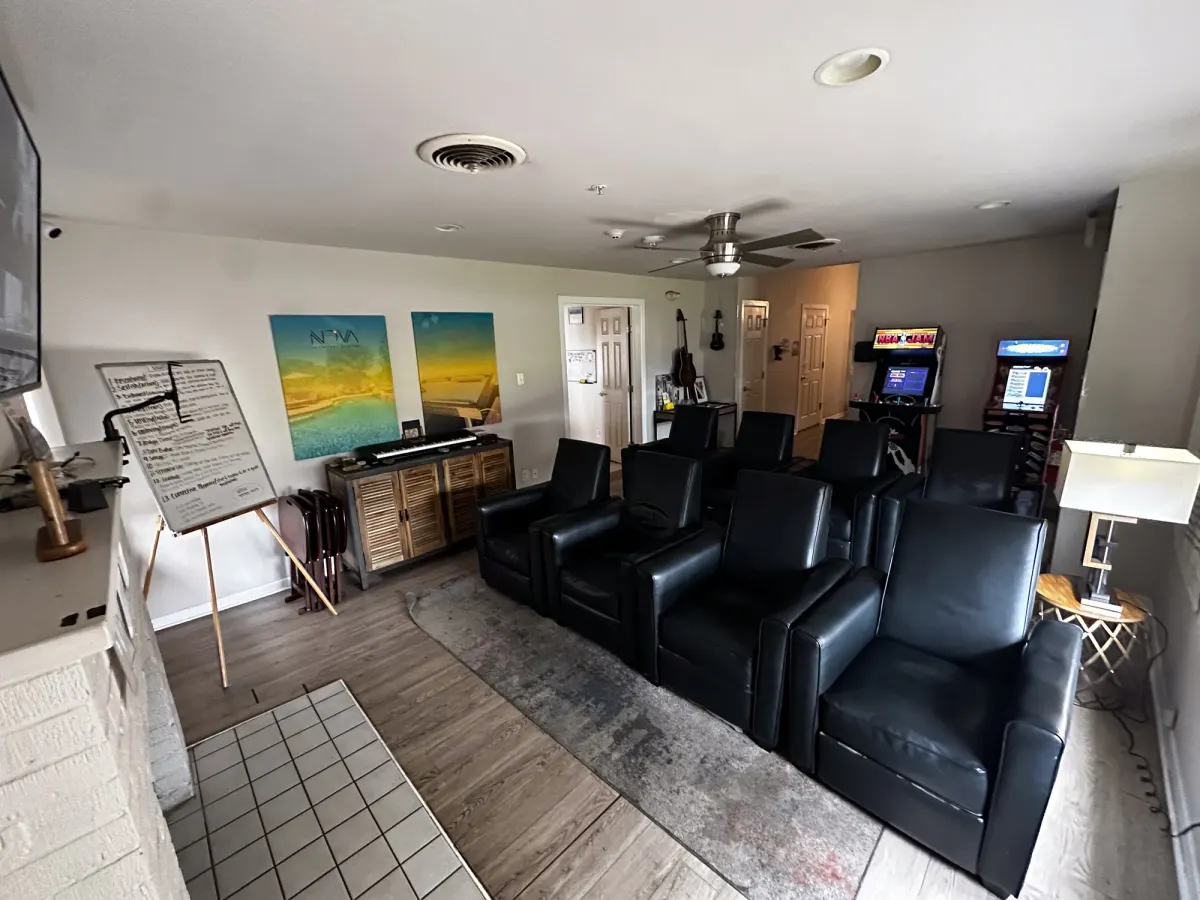 Inpatient
 Austin, TX
11711 N Lamar Blvd · 78753
- 15 beds
- On-site labs
- 24-hour medical staff
Drug & Alcohol Detox in Austin, TX
-
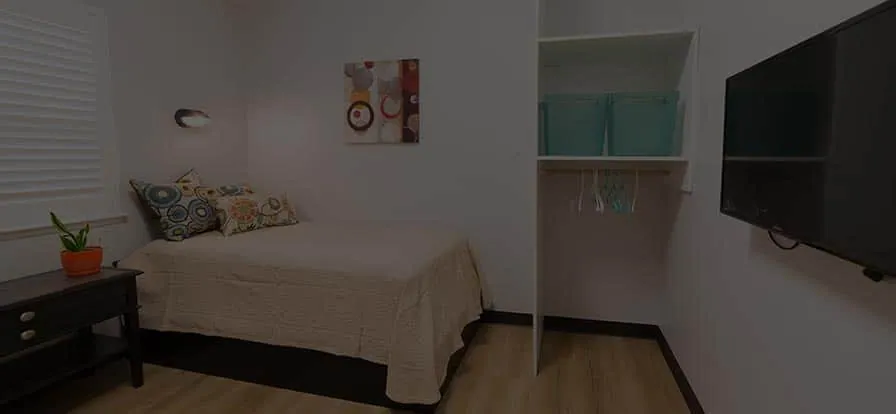 Inpatient
 Houston, TX
1019 Ashland St · 77008
- On-site labs
- 24-hour medical staff
Drug Detox Center in Houston, TX
-
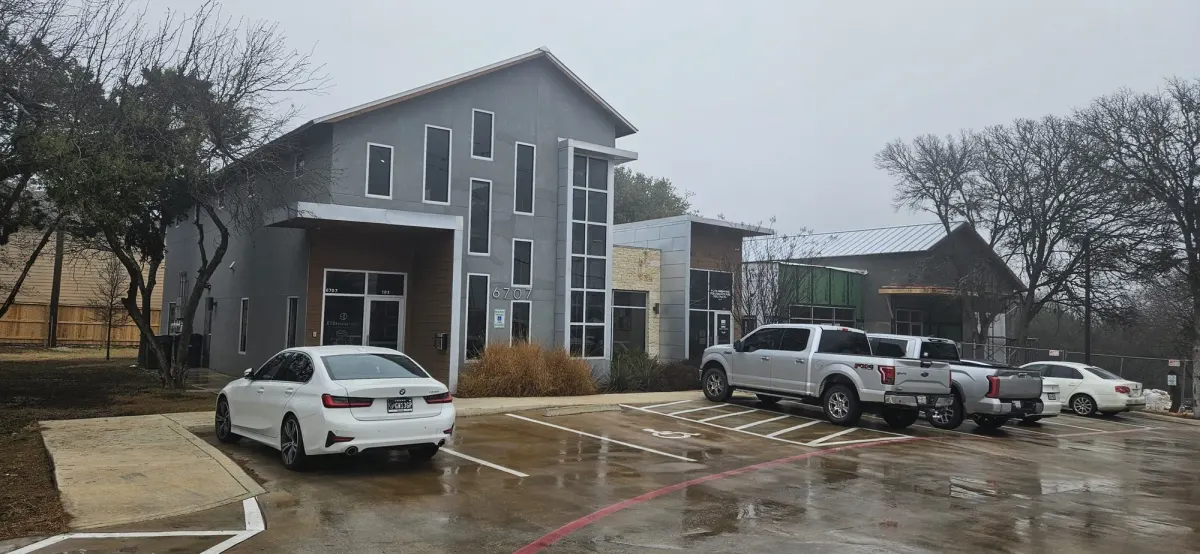 Outpatient
 San Antonio, TX
6707 W Hausman Rd · 78249
- Outpatient detox with scheduled medical visits
- Outpatient treatment
Outpatient Drug & Alcohol Detox in San Antonio
What is Supervised Medical Detox?
Supervised medical detox refers to the process of safely removing drugs or alcohol from the body under the care of medical professionals. Detox is the first phase of recovery, helping individuals to clear harmful substances from their system before starting the next steps of addiction treatment. However, detox is not merely a process of abstinence. Instead, it involves close monitoring by a team of doctors, nurses, and addiction specialists to ensure safety and comfort.
The importance of this step cannot be overstated. Many substances, especially alcohol and opioids, can cause severe withdrawal symptoms. In extreme cases, withdrawal can lead to life-threatening complications. Supervised care ensures that individuals undergoing detox are given the medical attention they need to manage these symptoms safely and effectively.
Why Supervised Medical Care is Vital
One of the greatest challenges in addiction recovery is managing the intense withdrawal symptoms that come with the cessation of drug or alcohol use. These symptoms can vary widely depending on the substance, the length of addiction, and the individual’s overall health. Some common symptoms include anxiety, nausea, sweating, tremors, and insomnia. In more severe cases, individuals may experience seizures, hallucinations, or heart complications.
At Briarwood Detox Center, our approach to drug and alcohol detox includes long-term treatment for chronic relapse, meaning that we not only provide immediate care during the detoxification process but also set the stage for a successful recovery. By tailoring our programs to prevent relapses and promote sustained sobriety, we ensure that each person receives comprehensive and individualized care that addresses their unique needs. Transitioning from detox to the next phase of treatment is critical for long-term success.
The Benefits of Medical Supervision During Detox
There are several key reasons why supervised detox is essential for those struggling with addiction:
Safety and Monitoring
Withdrawal symptoms can be unpredictable and dangerous. In a medically supervised environment, healthcare professionals can intervene promptly if complications arise. For example, alcohol withdrawal can result in delirium tremens, a severe condition that requires immediate medical intervention.
Comfort and Care
Detoxing from drugs or alcohol can be physically uncomfortable. A medically supervised detoxification program can offer medications and therapies to ease discomfort, allowing individuals to focus on their recovery. At Briarwood Detox Center, we provide the highest level of care, ensuring that our clients have a more comfortable detox experience, reducing the risk of early dropout.
Tailored Treatment Plans
Everyone’s journey through addiction and recovery is different. A one-size-fits-all approach simply doesn’t work when it comes to detox. By providing comprehensive and individualized care, we customize treatment plans to meet the needs of each client. This tailored approach gives each person the best opportunity for long-term recovery.
Emotional and Psychological Support
Detox doesn’t just affect the body—it also takes a toll on mental health. Many individuals experience anxiety, depression, or intense cravings during this time. By offering evidence-based treatment that targets the mind, body, and soul, we ensure that emotional and psychological needs are met alongside physical care. This holistic approach provides the foundation for long-term healing.
Transition to Further Treatment
Detox is just the beginning of the recovery process. It prepares the body for ongoing therapy, such as inpatient or outpatient rehab. Without transitioning to these next stages of care, the likelihood of relapse increases. At Briarwood Detox Center, we facilitate this transition, helping our clients continue their journey toward sobriety with sober living support and aftercare services designed to prevent relapse and promote sustained recovery.
Why Choose Briarwood Detox Center?
When considering a detoxification facility, choosing one that meets the highest standards of care is critical. At Briarwood Detox Center, we offer a full continuum of care that carries clients through drug detox, inpatient rehab, and outpatient care. Our programs are designed to treat addiction in a holistic manner, addressing not just the physical symptoms but the emotional and spiritual aspects as well.
- Long-Term Support: We are committed to your recovery beyond the initial detoxification phase, providing the tools necessary for long-term success.
- Evidence-Based Care: Our treatments are based on proven methods that offer the best chance for lasting sobriety.
- Holistic Approach: Addiction affects every aspect of your life, which is why we focus on treating the mind, body, and soul.
If you or a loved one is suffering from addiction, don’t wait. The first step to recovery begins with reaching out for help. At Briarwood Detox Center, we provide the support you need to overcome addiction safely and effectively.
Drug Detox With Briarwood
Briarwood Detox Center offers detox treatment for alcohol, opioid, methamphetamine, prescription drugs, and much more. Our experienced clinical staff provides round-the-clock monitoring throughout the drug detox process and our therapy team provides support to help manage the emotional response to treatment. Additionally, we have detox facilities located in Austin, Houston, and Colorado Springs with state-of-the-art amenities.
Briarwood is dedicated to facilitating a healthy and safe environment that empowers people to make significant and lasting changes in their lives. We look forward to supporting you or your loved one on the journey to recovery. Call (866) 710-7710 today for more information on our programs and admission process.
Can I Detox from Benzodiazepines at Home or Is Medical Supervision Required?
Medical supervision is absolutely required for benzodiazepine detox and should never be attempted at home. Benzodiazepine withdrawal is one of the most dangerous withdrawal syndromes known to medicine, capable of producing life-threatening seizures, severe cardiovascular complications, and psychiatric emergencies even in otherwise healthy individuals. Unlike many other substances, stopping benzodiazepines abruptly after regular use can be fatal without proper medical intervention.
Benzodiazepines—including Xanax (alprazolam), Valium (diazepam), Ativan (lorazepam), and Klonopin (clonazepam)—create profound changes in brain chemistry by enhancing GABA neurotransmitter activity. When use stops suddenly, the brain experiences a dangerous rebound effect that can trigger grand mal seizures, delirium, hallucinations, extreme blood pressure spikes, and potentially fatal cardiac events. These complications can emerge suddenly, even days into the withdrawal process, making home detox extraordinarily risky.
Why Home Detox from Benzodiazepines Is Dangerous
- Seizure risk: Benzodiazepine withdrawal seizures can occur without warning and may progress to status epilepticus, a medical emergency requiring immediate intervention. These seizures can be fatal or cause permanent brain injury.
- Unpredictable timeline: Withdrawal symptoms from long-acting benzodiazepines may not peak until 7-10 days after the last dose, creating a false sense of security before the most dangerous phase begins.
- Cardiovascular complications: Severe increases in heart rate and blood pressure can lead to stroke, heart attack, or cardiac arrhythmias in the unsupervised setting.
- Psychiatric emergencies: Acute anxiety, panic attacks, paranoia, suicidal ideation, and psychosis commonly occur during benzodiazepine withdrawal and require immediate professional management.
- Medical complexity: Safe benzodiazepine detox requires precise medication tapering protocols, 24/7 vital sign monitoring, and immediate access to emergency interventions—resources unavailable at home.
What Medical Supervision Provides During Benzodiazepine Detox
At Briarwood Detox Center in Austin, Texas, our medically supervised benzodiazepine detox program provides:
- Individualized tapering protocols: Board-certified physicians design gradual dose-reduction schedules tailored to your specific benzodiazepine use history, minimizing withdrawal severity while preventing dangerous complications.
- 24/7 medical monitoring: Continuous assessment of vital signs, neurological status, and withdrawal symptoms allows our clinical team to intervene immediately if complications arise.
- Medication management: Long-acting benzodiazepines, anticonvulsants, blood pressure medications, and symptom-specific treatments are administered under physician supervision to ensure safety and comfort.
- Emergency response capability: Immediate access to advanced life support, seizure management protocols, and emergency medical services ensures your safety throughout the process.
- Psychological support: Licensed therapists and counselors address the anxiety, depression, and emotional distress that accompany benzodiazepine withdrawal.
- Structured environment: A controlled, substance-free setting eliminates access to benzodiazepines and other substances while providing the structure essential for successful detox.
The Medical Standard of Care
Every major medical authority—including the American Society of Addiction Medicine (ASAM), the Substance Abuse and Mental Health Services Administration (SAMHSA), and the World Health Organization—recommends medically supervised detox for benzodiazepine dependence. The consensus is clear: attempting benzodiazepine detox without medical supervision is not only inadvisable but potentially lethal.
Benzodiazepine withdrawal syndrome develops after as little as 2-4 weeks of regular use at therapeutic doses. If you have been taking benzodiazepines daily for a month or longer—whether prescribed or obtained otherwise—you are at risk for withdrawal complications and require medical supervision to discontinue safely.
Get Safe, Compassionate Benzodiazepine Detox in Austin
If you or a loved one needs to stop benzodiazepine use, professional medical detox is not optional—it is essential for your safety and survival. Briarwood Detox Center offers evidence-based, compassionate benzodiazepine detox with round-the-clock medical care in Austin, Texas.
Our experienced clinical team has safely guided hundreds of patients through benzodiazepine withdrawal using proven protocols that prioritize safety, minimize discomfort, and prepare you for ongoing recovery. We accept most insurance plans and offer same-day admissions for those in crisis.
Call us today at (866) 710-7710 to speak confidentially with an admissions specialist. Taking the first step toward safe benzodiazepine detox could save your life.
Frequently Asked Questions About Benzodiazepine Detox
How long does medically supervised benzodiazepine detox take?
The duration of benzodiazepine detox varies based on the specific medication, duration of use, and dosage. Short-acting benzodiazepines like Xanax typically require 7-14 days of acute medical detox, while long-acting medications like Valium may need 10-21 days or longer. Medically supervised tapering protocols can extend several weeks to ensure safety and minimize withdrawal severity. Your physician will create an individualized timeline based on your specific circumstances.
What are the most dangerous benzodiazepines to detox from?
Short-acting, high-potency benzodiazepines like Xanax (alprazolam) and Ativan (lorazepam) typically produce more severe and rapid-onset withdrawal symptoms, including higher seizure risk. However, all benzodiazepines carry significant withdrawal dangers when stopped abruptly. Long-acting benzodiazepines like Valium may have a delayed but prolonged withdrawal syndrome. Regardless of which benzodiazepine you have been taking, medical supervision is required for safe discontinuation.
Can I die from benzodiazepine withdrawal?
Yes. Benzodiazepine withdrawal is one of the few withdrawal syndromes that can be directly fatal. Withdrawal seizures can lead to status epilepticus, aspiration, falls resulting in traumatic injury, or sudden cardiac events. Extreme increases in blood pressure and heart rate during withdrawal can trigger strokes or heart attacks. Delirium and severe psychiatric symptoms may lead to dangerous behavior or self-harm. These risks make medical supervision absolutely essential—benzodiazepine withdrawal should never be attempted without professional medical care.
Will I need medication during benzodiazepine detox?
Yes, medication is a core component of safe benzodiazepine detox. Physicians typically use a long-acting benzodiazepine like Valium or phenobarbital to create a controlled taper, gradually reducing the dose to prevent withdrawal complications. Additional medications may include anticonvulsants to prevent seizures, blood pressure medications, sleep aids, and medications to manage anxiety and other withdrawal symptoms. All medications are prescribed and monitored by board-certified physicians throughout your detox stay.
What happens after benzodiazepine detox is complete?
Completing medical detox is the critical first step, but ongoing treatment is essential for lasting recovery. Most patients transition to outpatient treatment programs, intensive outpatient programs (IOP), or residential rehabilitation to address the psychological aspects of benzodiazepine dependence and develop relapse prevention skills. Briarwood Detox Center provides discharge planning and referrals to trusted continuing care providers to support your transition. Many patients also benefit from therapy to address underlying anxiety disorders or other conditions that may have contributed to benzodiazepine use.
Related resources: The Dangers of Quitting Cold Turkey | Why Quitting Cold Turkey Is Dangerous | The Hidden Risks of At-Home Drug Detox
Ready to Start Your Recovery in Austin?
Briarwood Detox Center offers medically supervised detox in Austin. Explore our locations, see the facility, and verify your insurance in minutes.
See our locationsCan I Detox from Benzodiazepines at Home or Is Medical Supervision Required?
Medical supervision is absolutely required for benzodiazepine detox and should never be attempted at home. Benzodiazepine withdrawal is one of the most dangerous withdrawal syndromes known to medicine, capable of producing life-threatening seizures, severe cardiovascular complications, and psychiatric emergencies even in otherwise healthy individuals. Unlike many other substances, stopping benzodiazepines abruptly after regular use can be fatal without proper medical intervention.
Benzodiazepines—including Xanax (alprazolam), Valium (diazepam), Ativan (lorazepam), and Klonopin (clonazepam)—create profound changes in brain chemistry by enhancing GABA neurotransmitter activity. When use stops suddenly, the brain experiences a dangerous rebound effect that can trigger grand mal seizures, delirium, hallucinations, extreme blood pressure spikes, and potentially fatal cardiac events. These complications can emerge suddenly, even days into the withdrawal process, making home detox extraordinarily risky.
Why Home Detox from Benzodiazepines Is Dangerous
- Seizure risk: Benzodiazepine withdrawal seizures can occur without warning and may progress to status epilepticus, a medical emergency requiring immediate intervention. These seizures can be fatal or cause permanent brain injury.
- Unpredictable timeline: Withdrawal symptoms from long-acting benzodiazepines may not peak until 7-10 days after the last dose, creating a false sense of security before the most dangerous phase begins.
- Cardiovascular complications: Severe increases in heart rate and blood pressure can lead to stroke, heart attack, or cardiac arrhythmias in the unsupervised setting.
- Psychiatric emergencies: Acute anxiety, panic attacks, paranoia, suicidal ideation, and psychosis commonly occur during benzodiazepine withdrawal and require immediate professional management.
- Medical complexity: Safe benzodiazepine detox requires precise medication tapering protocols, 24/7 vital sign monitoring, and immediate access to emergency interventions—resources unavailable at home.
What Medical Supervision Provides During Benzodiazepine Detox
At Briarwood Detox Center in Austin, Texas, our medically supervised benzodiazepine detox program provides:
- Individualized tapering protocols: Board-certified physicians design gradual dose-reduction schedules tailored to your specific benzodiazepine use history, minimizing withdrawal severity while preventing dangerous complications.
- 24/7 medical monitoring: Continuous assessment of vital signs, neurological status, and withdrawal symptoms allows our clinical team to intervene immediately if complications arise.
- Medication management: Long-acting benzodiazepines, anticonvulsants, blood pressure medications, and symptom-specific treatments are administered under physician supervision to ensure safety and comfort.
- Emergency response capability: Immediate access to advanced life support, seizure management protocols, and emergency medical services ensures your safety throughout the process.
- Psychological support: Licensed therapists and counselors address the anxiety, depression, and emotional distress that accompany benzodiazepine withdrawal.
- Structured environment: A controlled, substance-free setting eliminates access to benzodiazepines and other substances while providing the structure essential for successful detox.
The Medical Standard of Care
Every major medical authority—including the American Society of Addiction Medicine (ASAM), the Substance Abuse and Mental Health Services Administration (SAMHSA), and the World Health Organization—recommends medically supervised detox for benzodiazepine dependence. The consensus is clear: attempting benzodiazepine detox without medical supervision is not only inadvisable but potentially lethal.
Benzodiazepine withdrawal syndrome develops after as little as 2-4 weeks of regular use at therapeutic doses. If you have been taking benzodiazepines daily for a month or longer—whether prescribed or obtained otherwise—you are at risk for withdrawal complications and require medical supervision to discontinue safely.
Get Safe, Compassionate Benzodiazepine Detox in Austin
If you or a loved one needs to stop benzodiazepine use, professional medical detox is not optional—it is essential for your safety and survival. Briarwood Detox Center offers evidence-based, compassionate benzodiazepine detox with round-the-clock medical care in Austin, Texas.
Our experienced clinical team has safely guided hundreds of patients through benzodiazepine withdrawal using proven protocols that prioritize safety, minimize discomfort, and prepare you for ongoing recovery. We accept most insurance plans and offer same-day admissions for those in crisis.
Call us today at (866) 710-7710 to speak confidentially with an admissions specialist. Taking the first step toward safe benzodiazepine detox could save your life.
Frequently Asked Questions About Benzodiazepine Detox
How long does medically supervised benzodiazepine detox take?
The duration of benzodiazepine detox varies based on the specific medication, duration of use, and dosage. Short-acting benzodiazepines like Xanax typically require 7-14 days of acute medical detox, while long-acting medications like Valium may need 10-21 days or longer. Medically supervised tapering protocols can extend several weeks to ensure safety and minimize withdrawal severity. Your physician will create an individualized timeline based on your specific circumstances.
What are the most dangerous benzodiazepines to detox from?
Short-acting, high-potency benzodiazepines like Xanax (alprazolam) and Ativan (lorazepam) typically produce more severe and rapid-onset withdrawal symptoms, including higher seizure risk. However, all benzodiazepines carry significant withdrawal dangers when stopped abruptly. Long-acting benzodiazepines like Valium may have a delayed but prolonged withdrawal syndrome. Regardless of which benzodiazepine you have been taking, medical supervision is required for safe discontinuation.
Can I die from benzodiazepine withdrawal?
Yes. Benzodiazepine withdrawal is one of the few withdrawal syndromes that can be directly fatal. Withdrawal seizures can lead to status epilepticus, aspiration, falls resulting in traumatic injury, or sudden cardiac events. Extreme increases in blood pressure and heart rate during withdrawal can trigger strokes or heart attacks. Delirium and severe psychiatric symptoms may lead to dangerous behavior or self-harm. These risks make medical supervision absolutely essential—benzodiazepine withdrawal should never be attempted without professional medical care.
Will I need medication during benzodiazepine detox?
Yes, medication is a core component of safe benzodiazepine detox. Physicians typically use a long-acting benzodiazepine like Valium or phenobarbital to create a controlled taper, gradually reducing the dose to prevent withdrawal complications. Additional medications may include anticonvulsants to prevent seizures, blood pressure medications, sleep aids, and medications to manage anxiety and other withdrawal symptoms. All medications are prescribed and monitored by board-certified physicians throughout your detox stay.
What happens after benzodiazepine detox is complete?
Completing medical detox is the critical first step, but ongoing treatment is essential for lasting recovery. Most patients transition to outpatient treatment programs, intensive outpatient programs (IOP), or residential rehabilitation to address the psychological aspects of benzodiazepine dependence and develop relapse prevention skills. Briarwood Detox Center provides discharge planning and referrals to trusted continuing care providers to support your transition. Many patients also benefit from therapy to address underlying anxiety disorders or other conditions that may have contributed to benzodiazepine use.
Related resources: The Dangers of Quitting Cold Turkey | Why Quitting Cold Turkey Is Dangerous | The Hidden Risks of At-Home Drug Detox
Related guides



In network with most major insurance
Find your plan and see what detox would cost
Most plans cover medical detox. Coverage varies by plan, so we verify it for you before you commit to anything.













Don't see your plan? We work with out-of-network benefits and offer self-pay options — (866) 710-7710
- Confidential
- Takes about 2 minutes
- No obligation to admit
- Accredited The Joint Commission
- Rated 4.5 · 94 Google reviews
- Admissions 24 hours a day