
Guide
Can You Be Treated for Depression or Anxiety During Medical Detox in Austin?
Joint Commission accredited · In network with most major insurance · Admissions answered 24 hours a day


Published May 14, 2026
Reviewed and updated July 29, 2026
What Is Dual Diagnosis Detox and Why Does It Matter?
Dual diagnosis — also called co-occurring disorders — refers to having both a substance use disorder and a mental health condition at the same time. This is more common than most people realize. According to the Substance Abuse and Mental Health Services Administration (SAMHSA), over 9 million adults in the United States live with co-occurring disorders in any given year. Common combinations include:
- Alcohol use disorder and major depressive disorder
- Opioid addiction and generalized anxiety disorder
- Stimulant use (cocaine, meth) and bipolar disorder
- Benzodiazepine dependence and panic disorder
When you enter detox, your brain and body are already under enormous stress. Withdrawal symptoms can be physically and emotionally intense. If you also have untreated depression or anxiety, those symptoms can escalate dangerously during detox — making it harder to get through, more likely to relapse, and potentially more medically dangerous. That's why medical detox that addresses both conditions simultaneously is so important.
How Depression and Anxiety Show Up During Detox
One of the biggest challenges with dual diagnosis detox is that withdrawal symptoms and mental health symptoms often look very similar. Both can cause:
- Intense anxiety, panic, or dread
- Mood swings and irritability
- Sleep disturbances and insomnia
- Feelings of hopelessness or worthlessness
- Difficulty concentrating
- Physical symptoms like racing heart, sweating, and tremors
What Dual Diagnosis Detox in Austin Actually Looks Like
When you arrive at a dual diagnosis-capable detox center, the process begins with a comprehensive intake assessment. This goes beyond just asking what substances you've been using. A skilled clinical team will evaluate:
- Your full mental health history, including any prior diagnoses or hospitalizations
- Current medications, including any psychiatric prescriptions
- The timeline and severity of your substance use
- Trauma history, which is closely linked to both addiction and mental health disorders
- Family history of mental illness or addiction
Can You Take Antidepressants or Anti-Anxiety Medications During Detox?
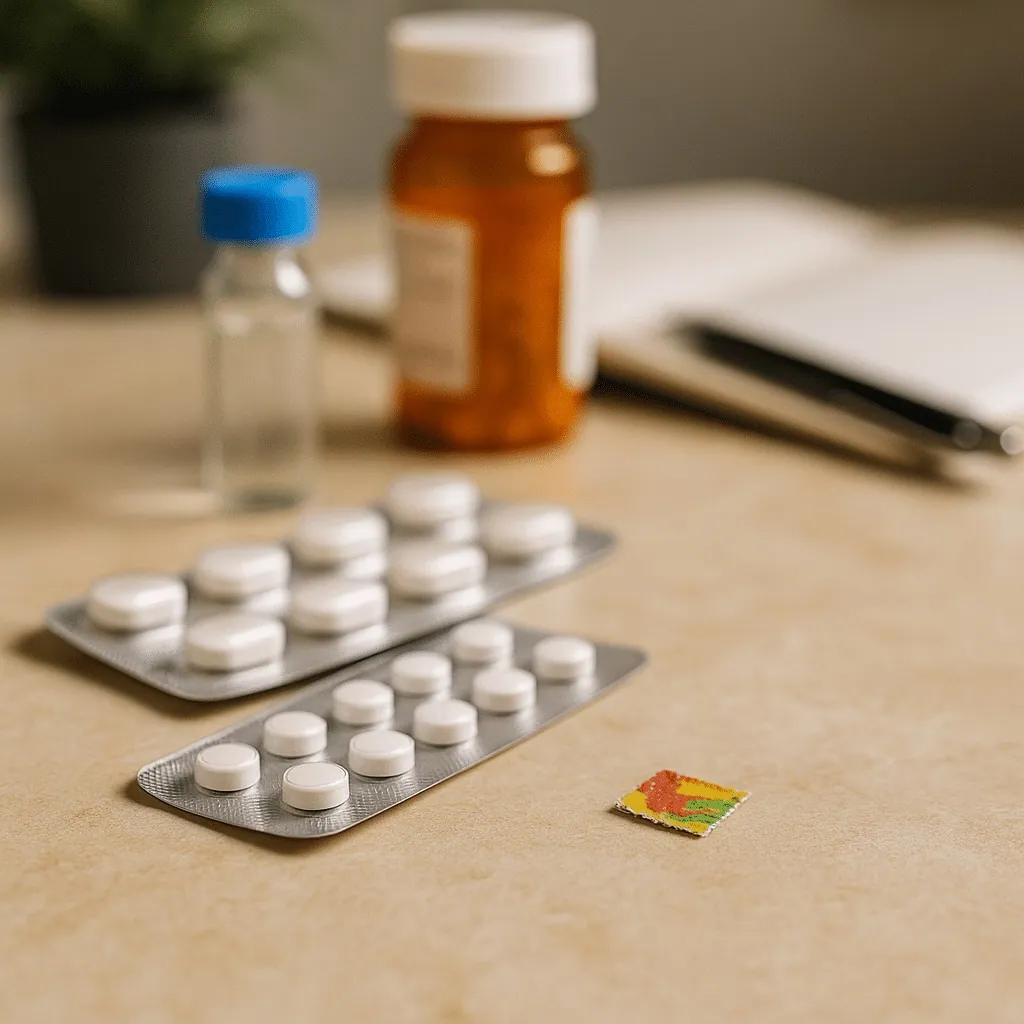
This is one of the most frequently asked questions from people entering dual diagnosis detox — and the answer depends on your specific situation and medical history. In many cases, yes, psychiatric medications can be used safely during detox under proper medical supervision. Here's a general overview of how mental health medications are handled during detox:
- Existing prescriptions: If you're already on antidepressants (like SSRIs or SNRIs) or other psychiatric medications when you enter detox, the medical team will typically continue those medications unless there's a specific reason not to. Abruptly stopping antidepressants can cause withdrawal symptoms of their own.
- New psychiatric medications: In some cases, a prescribing physician may initiate new medications during detox to help stabilize mood or reduce anxiety. This is done carefully and conservatively to avoid complicating the detox process.
- Benzodiazepines: These are commonly used in medical detox to prevent dangerous alcohol withdrawal symptoms like seizures. However, because benzodiazepines are themselves habit-forming, their use is closely monitored and tapered.
- Non-addictive alternatives: For people with anxiety, medications like hydroxyzine, buspirone, or certain antidepressants may be used to reduce anxiety without the risks associated with benzodiazepines.
Where we are
Detox centers across Texas
Three locations, each with its own admissions line and its own clinical team. Pick the one nearest you — or call and we will tell you which has a bed tonight.
-
 Inpatient
 Austin, TX
11711 N Lamar Blvd · 78753
- 15 beds
- On-site labs
- 24-hour medical staff
Drug & Alcohol Detox in Austin, TX
-
 Inpatient
 Houston, TX
1019 Ashland St · 77008
- On-site labs
- 24-hour medical staff
Drug Detox Center in Houston, TX
-
 Outpatient
 San Antonio, TX
6707 W Hausman Rd · 78249
- Outpatient detox with scheduled medical visits
- Outpatient treatment
Outpatient Drug & Alcohol Detox in San Antonio
Why Treating Only the Addiction — Without the Mental Health Component — Often Fails
Many people cycle through detox programs multiple times before achieving lasting sobriety — and one of the most common reasons is untreated co-occurring mental health disorders. When depression or anxiety goes unaddressed, it continues to drive the same thought patterns, emotional pain, and coping behaviors that fueled substance use in the first place. Research consistently shows that integrated treatment — addressing addiction and mental health simultaneously — produces significantly better outcomes than treating each condition separately or sequentially. People who receive dual diagnosis treatment are more likely to:
- Complete the detox process without leaving early
- Engage with follow-up treatment like IOP or residential care
- Maintain sobriety at 6- and 12-month follow-ups
- Report improved quality of life and daily functioning
Alcohol, Drugs, and Mental Health: Understanding the Connection in Texas
Texas has some of the highest rates of untreated mental illness and substance use disorders in the country. The Austin-Round Rock metro area, while home to a growing network of behavioral health resources, still sees many people falling through the cracks — particularly those who don't realize their mental health struggles and their substance use are connected. Some people use alcohol or drugs as a way to self-medicate symptoms of depression or anxiety. Over time, however, substance use makes both conditions worse. Alcohol, for example, is a central nervous system depressant — it may temporarily dull anxious or depressive feelings, but it disrupts sleep architecture, depletes mood-regulating neurotransmitters, and worsens anxiety during withdrawal. The same is true of benzodiazepines, opioids, and stimulants in different ways. Breaking this cycle requires more than just clearing substances from your system. It requires understanding the underlying drivers of use and building healthier coping tools — something that begins in detox and continues through ongoing treatment. Whether you're dealing with alcohol detox in Austin or drug detox in Austin, having mental health support integrated into the process dramatically improves your chances of lasting recovery.
What to Look for in a Dual Diagnosis Detox Program in Austin
Not all detox programs are equipped to handle co-occurring mental health disorders. When evaluating programs in the Austin area, look for these key features:
- Psychiatric staff on-site or on-call: A licensed psychiatrist or psychiatric nurse practitioner should be available to assess and manage mental health symptoms during detox.
- Comprehensive intake assessment: The program should ask about mental health history in detail — not just substance use.
- Individualized treatment planning: Your detox plan should be tailored to your specific combination of conditions, not a one-size-fits-all protocol.
- Therapeutic support during detox: Individual counseling and psychoeducation during the detox phase help begin the mental health treatment process early.
- Strong aftercare coordination: Recovery doesn't end when detox ends. A good program will connect you to appropriate next steps — whether that's inpatient treatment, an intensive outpatient program (IOP), or outpatient therapy — that continue to address both your addiction and your mental health. Our aftercare and continuing treatment options resource can help you understand what comes next.
Taking the First Step Toward Integrated Recovery
Frequently Asked Questions
What is dual diagnosis detox and is it available in Austin, Texas?+–
Dual diagnosis detox refers to a medically supervised detox program that simultaneously addresses both substance use disorders and co-occurring mental health conditions like depression or anxiety. Yes, dual diagnosis detox is available in Austin, Texas at facilities like Briarwood Detox Center, where clinical staff are trained to assess and treat both conditions during the withdrawal and stabilization process.
Can I continue taking my antidepressants or anxiety medications during detox?+–
In most cases, yes. If you're currently prescribed antidepressants or other psychiatric medications, a medical detox team will typically continue those medications to prevent complications from abrupt discontinuation. Your prescriptions will be reviewed during intake, and a physician will make individualized decisions about continuing, adjusting, or temporarily holding any medications based on your safety and the detox protocol.
How do I know if I have a co-occurring disorder going into detox?+–
Many people aren't sure whether their mental health symptoms are a separate condition or just the result of substance use — and that's completely normal. A thorough psychiatric and clinical assessment at intake is designed to help answer that question. Your detox team will evaluate your mental health history, current symptoms, and the timeline of your substance use to get a clearer picture and create an appropriate treatment plan.
Will treating anxiety or depression during detox slow down the withdrawal process?+–
No — in fact, treating co-occurring mental health conditions during detox often makes the process smoother and safer. Unmanaged anxiety or depression can intensify withdrawal symptoms, increase the risk of complications, and make it much harder to complete detox. Integrated care addresses both issues in parallel, which tends to result in a more stable and manageable detox experience.
What happens after dual diagnosis detox — is more mental health treatment needed?+–
Detox is just the first step. After completing a dual diagnosis detox program, most people benefit from continuing care that addresses both addiction and mental health — such as inpatient residential treatment, an intensive outpatient program (IOP), or outpatient therapy. Your treatment team should help coordinate these next steps before you leave the detox program, ensuring there's no gap in your care.
Does insurance cover dual diagnosis detox in Texas?+–
Many insurance plans, including Medicaid, cover dual diagnosis detox because it's considered medically necessary treatment. Coverage varies depending on your specific plan and provider. Briarwood Detox Center works with a range of insurance carriers and can help verify your benefits before admission. Call (866) 710-7710 to discuss your coverage options. Call Now: (866) 710-7710 Ready to Start Your Recovery in Austin? If you or someone you love needs more than detox, Briarwood Detox Center also provides alcohol rehab austin . Does your insurance cover detox in Austin? Find out in about 2 minutes — free, confidential, no obligation. Verify Insurance Briarwood Detox Center offers medically supervised detox in Austin. Explore our locations, see the facility, and verify your insurance in minutes. Ready to talk to someone now? Briarwood Detox Center's admissions team is here 24/7, and every call is confidential. Call (866) 710-7710 . See our locations
Related guides


In network with most major insurance
Find your plan and see what detox would cost
Most plans cover medical detox. Coverage varies by plan, so we verify it for you before you commit to anything.


















Don't see your plan? We work with out-of-network benefits and offer self-pay options — (866) 710-7710
- Confidential
- Takes about 2 minutes
- No obligation to admit

- Accredited The Joint Commission
- Rated 4.5 · 94 Google reviews
- Admissions 24 hours a day