
Guide
How to Help Fight Substance Abuse in Austin, TX
Joint Commission accredited · In network with most major insurance · Admissions answered 24 hours a day


Published November 14, 2025
Reviewed and updated July 29, 2026
Key Takeaways · 10 points
- Substance use disorder is a medical condition, and inpatient drug treatment in Austin can be the safest first step. Recognizing this shifts the focus to care and safety.
- Inpatient detox with 24/7 monitoring reduces withdrawal risks and offers a stable start. Continuous medical oversight improves comfort and safety.
- Detox is the beginning, and planning the next level of care should start on day one. Early case management keeps recovery momentum.
- Use respectful language and brief, caring conversations to open the door to help. Stick to observations, ask permission, and offer choices.
- When searching “drug treatment centers Austin,” prioritize medical detox if withdrawal is likely. Safety comes before comparing programs.
- If comparing “drug treatment centers in Austin,” look for therapy access during detox, individualized plans, and clear aftercare. These markers signal quality.
- For “substance abuse treatment Austin TX,” admissions and insurance guidance can help you start without delay. Support with logistics reduces barriers.
- Briarwood Detox Center provides inpatient medical detox, therapeutic support, and medication‑assisted treatment when appropriate. Care is tailored to each person’s needs.
- Follow a simple five‑step path: assess risk, call, prepare, stay connected, and plan aftercare. Clear steps make action easier in a crisis.
- When you’re ready to act, admissions at Briarwood are available every day through a straightforward process. Getting started can be fast and organized.
Break Free from Addiction. Detox Safely in Austin Today.
Medically Supervised Detox – Compassionate Care Starts Here.
Substance misuse touches families, workplaces, and neighborhoods. If you want to help, you can act in ways that are safe, informed, and local to Austin. This guide explains practical steps anyone can take, and it shows how inpatient detox at Briarwood Detox Center fits into the larger effort to reduce harm and support long‑term recovery.
Understand the Problem—and Why Inpatient Detox Matters








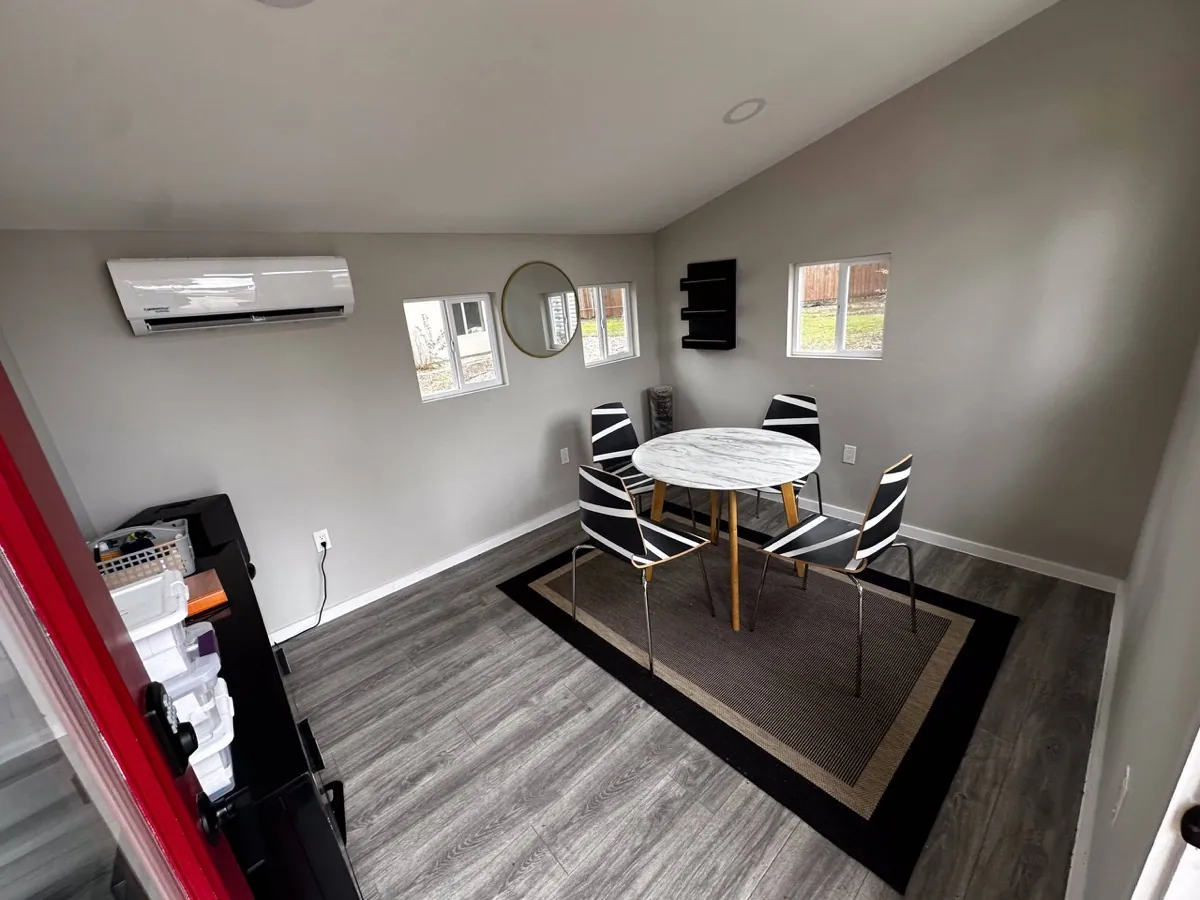

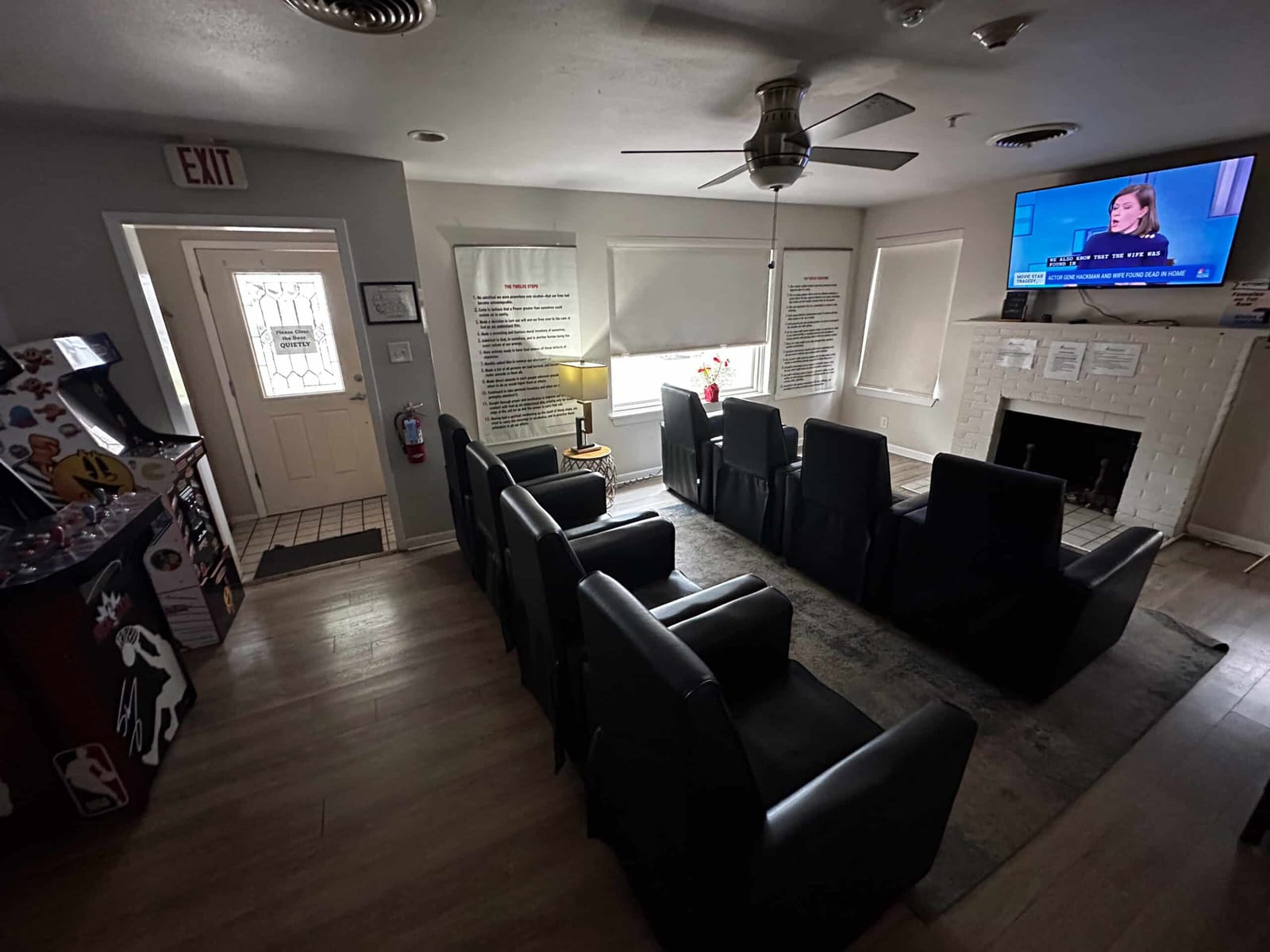
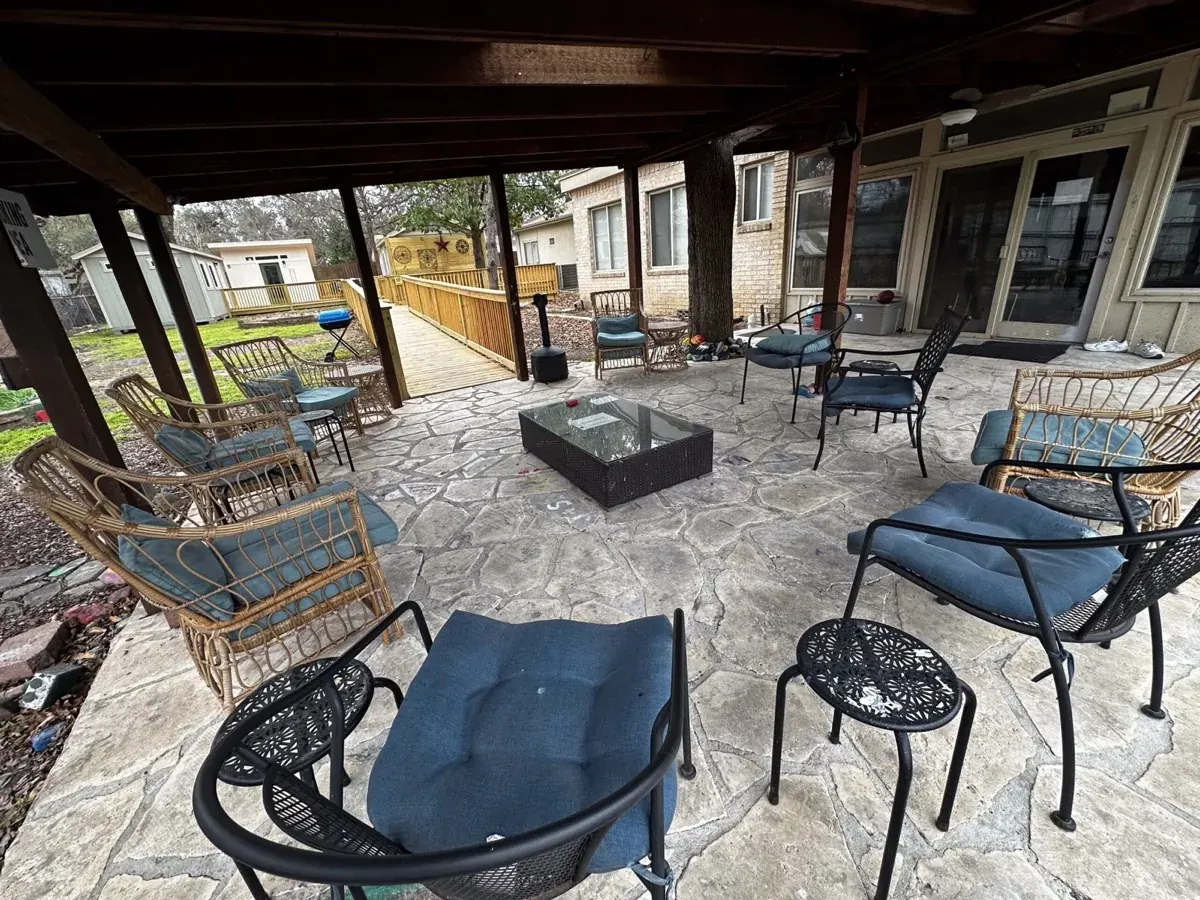

What “substance use disorder” means
Substance use disorder (SUD) is a medical condition. It affects behavior, health, and safety. The first medical need for many people is detox, which addresses physical dependence and withdrawal. Detox is not the whole solution, but it is often the safest starting point.
Why inpatient support is often safer
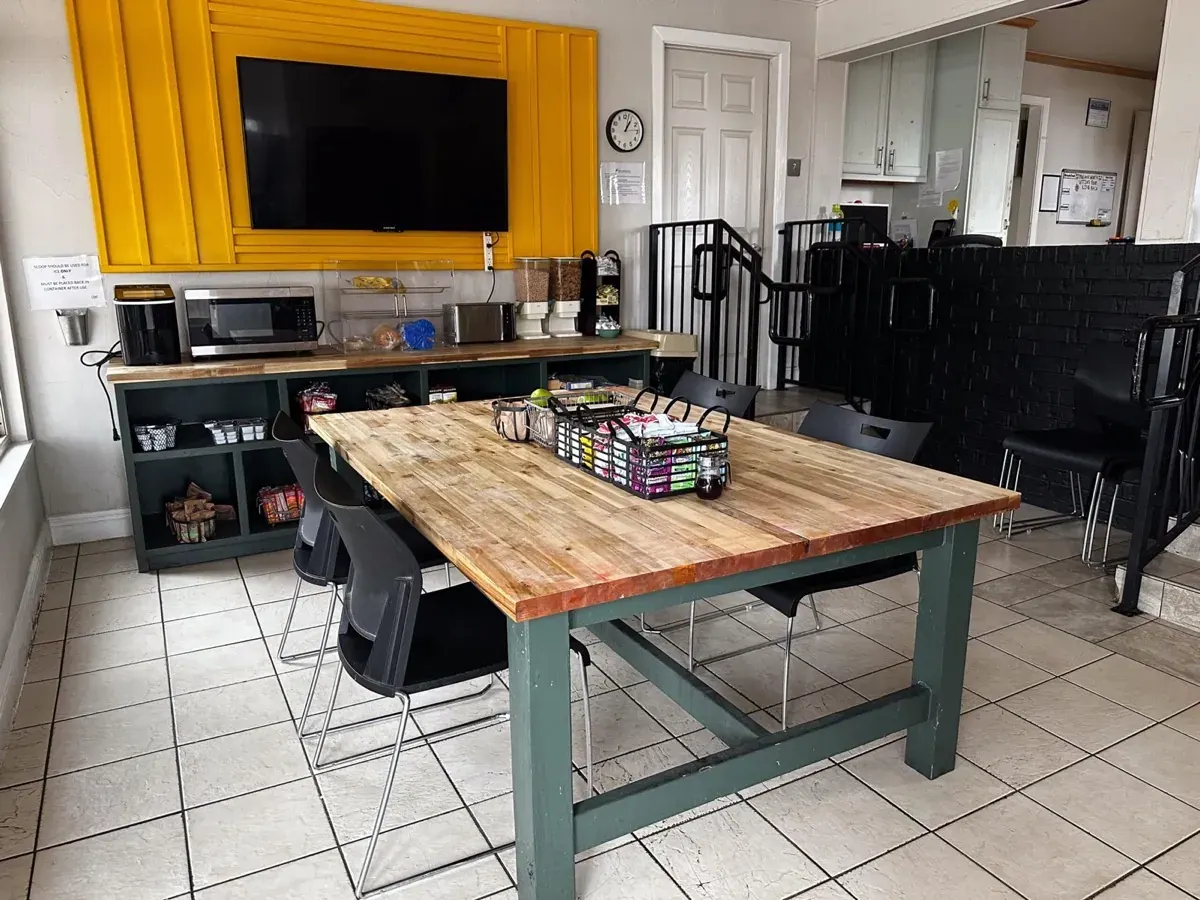
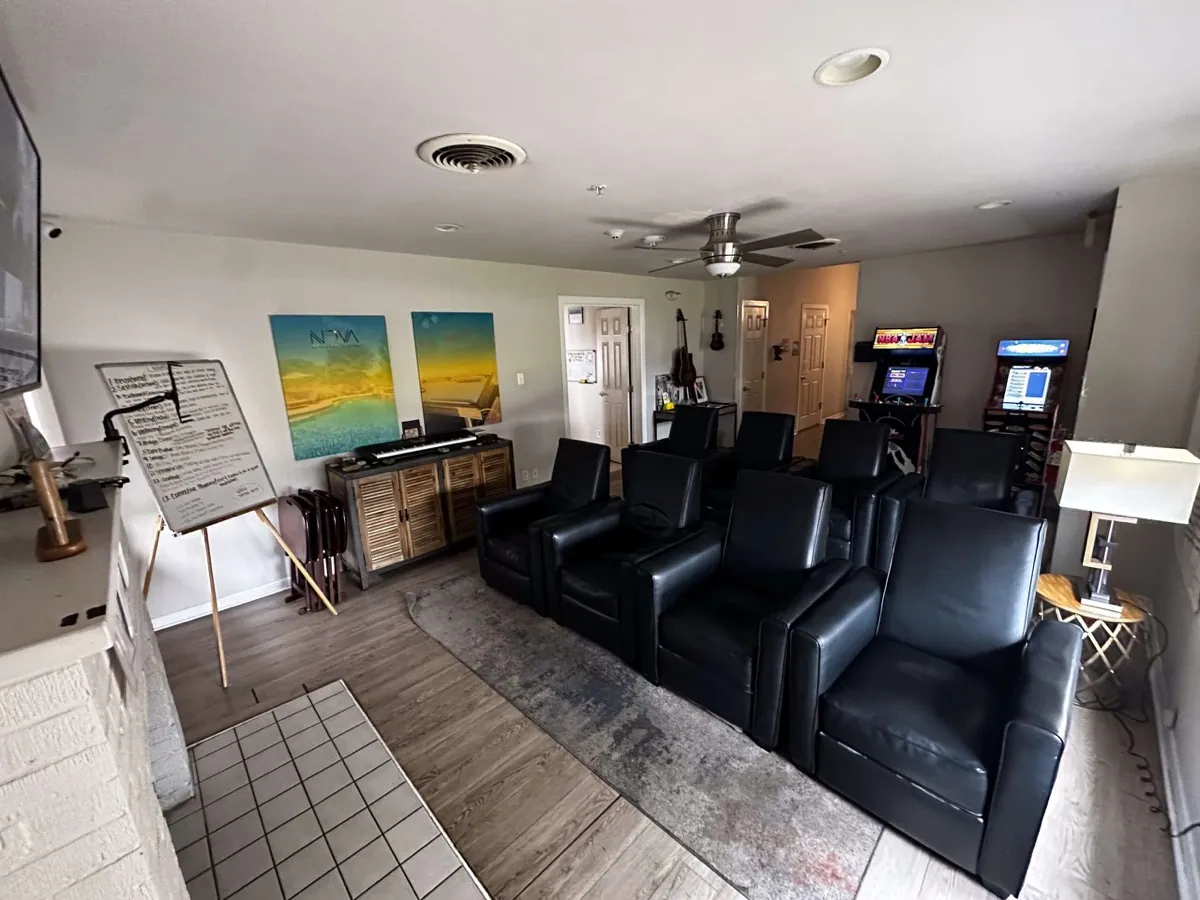
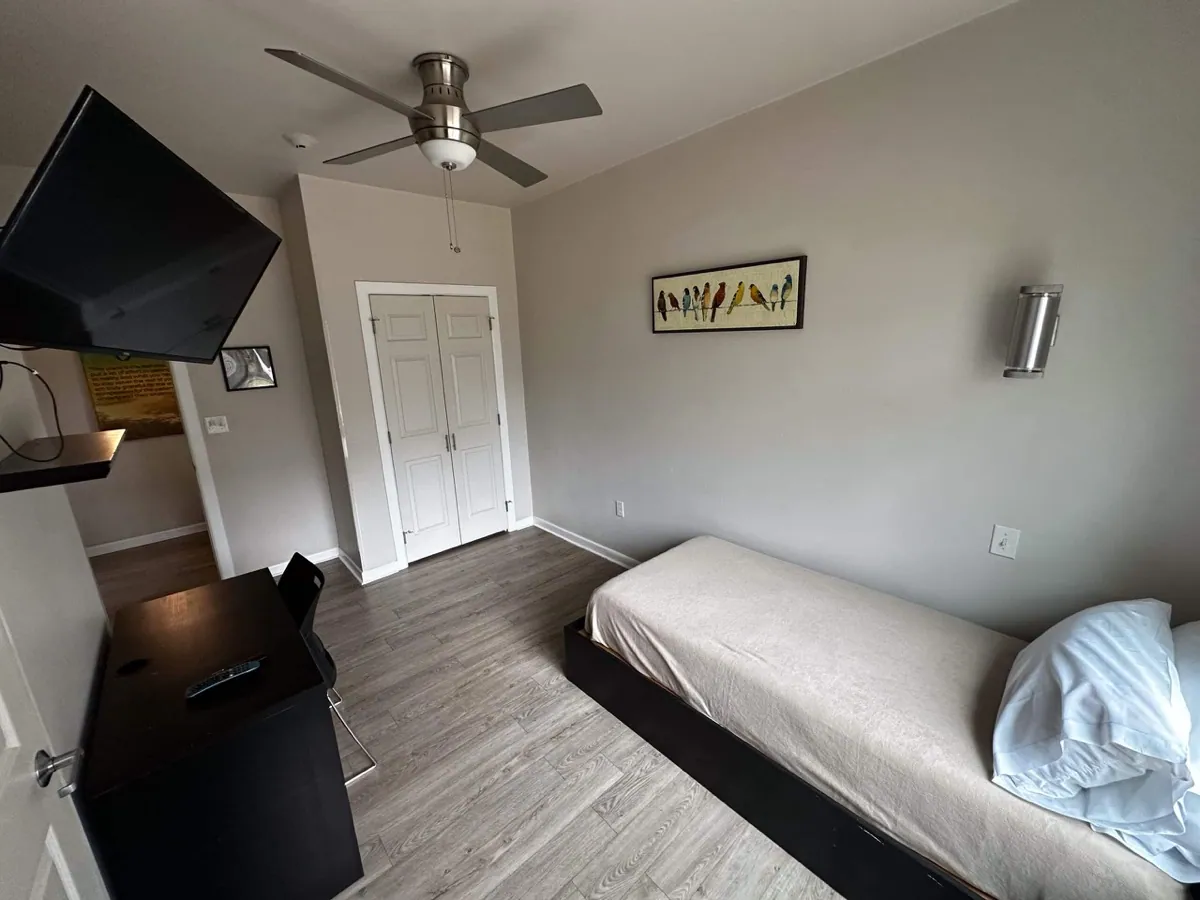
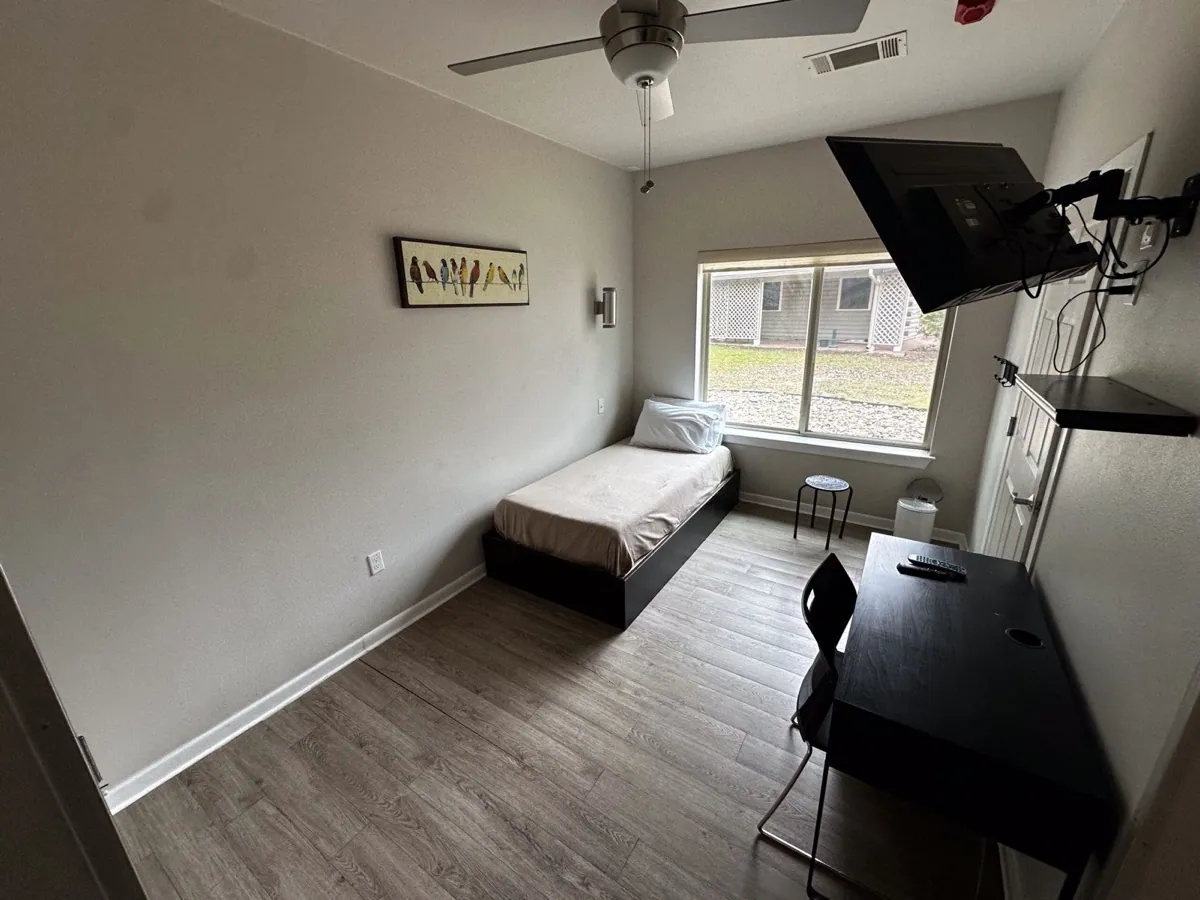
Alcohol, opioids, benzodiazepines, and certain stimulants can produce withdrawal risks. Inpatient detox provides continuous monitoring, symptom management, and medication support when appropriate. At Briarwood Detox Center in Austin, clients receive 24/7 medical supervision and individualized detox plans, designed to keep people safe and as comfortable as possible.
What happens after detox
Detox clears the body; it does not cure the illness. Most people need a plan that may include residential treatment, intensive outpatient care, therapy, peer support, and medical follow‑up - what comes after detox. Briarwood prepares clients for these next steps with discharge planning and coordination so the transition is smooth.
Where we are
Detox centers across Texas
Three locations, each with its own admissions line and its own clinical team. Pick the one nearest you — or call and we will tell you which has a bed tonight.
-
 Inpatient
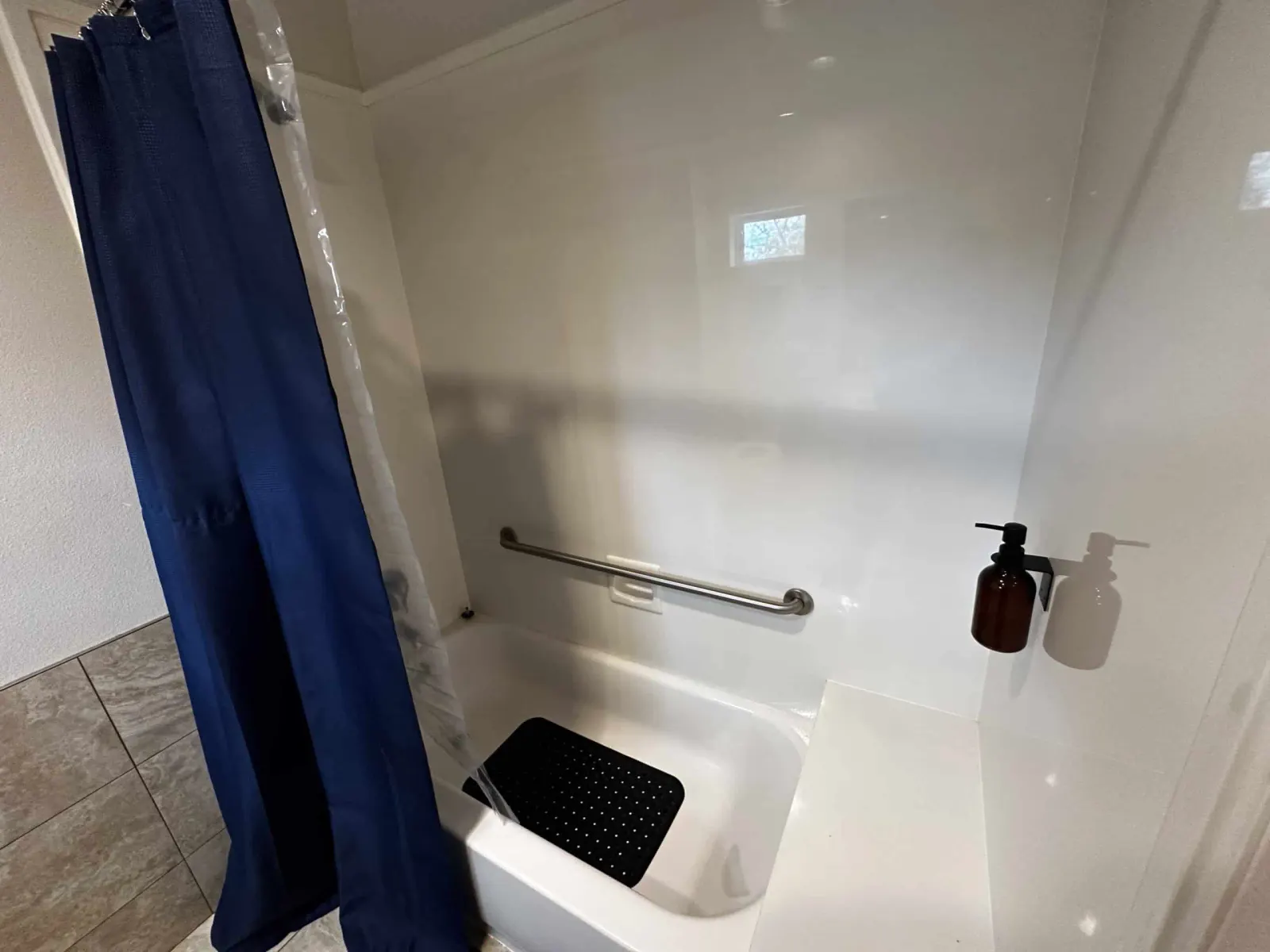
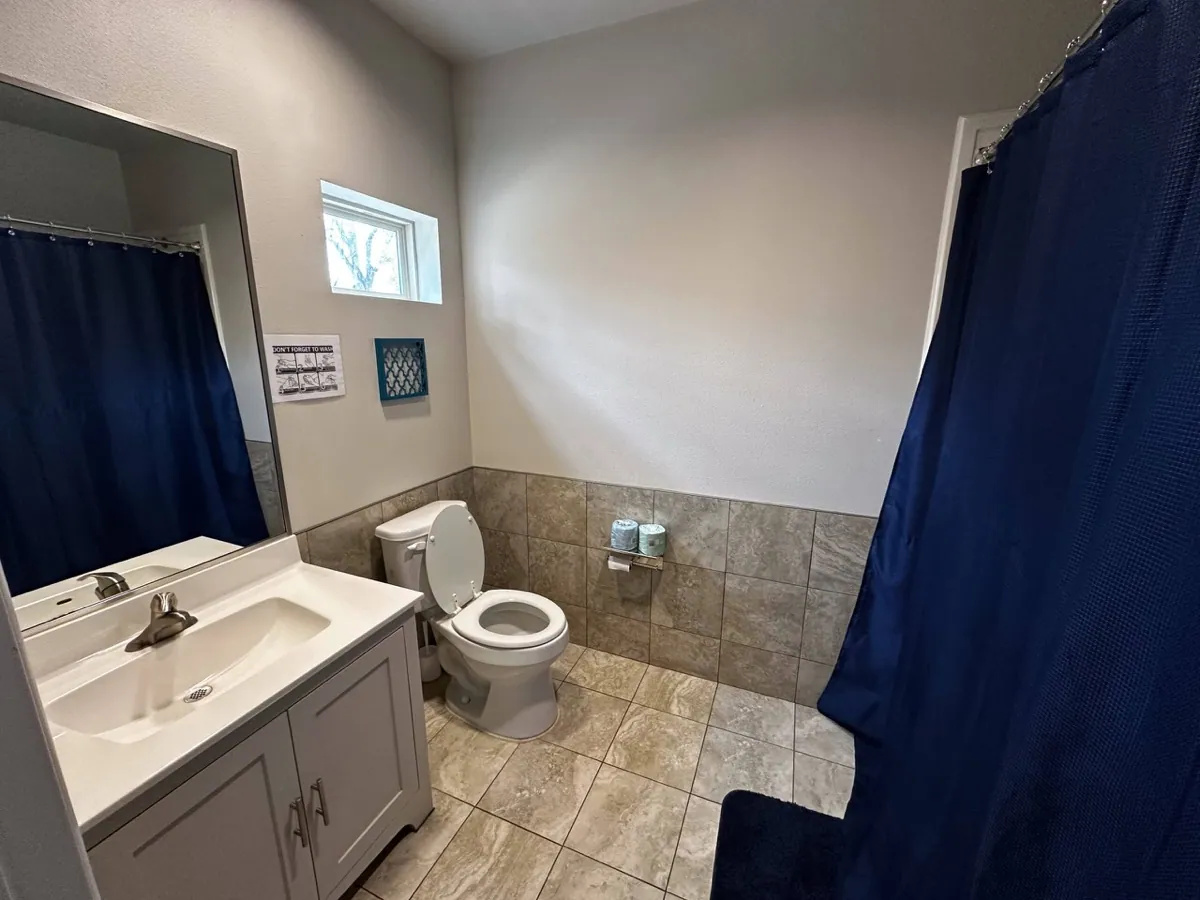
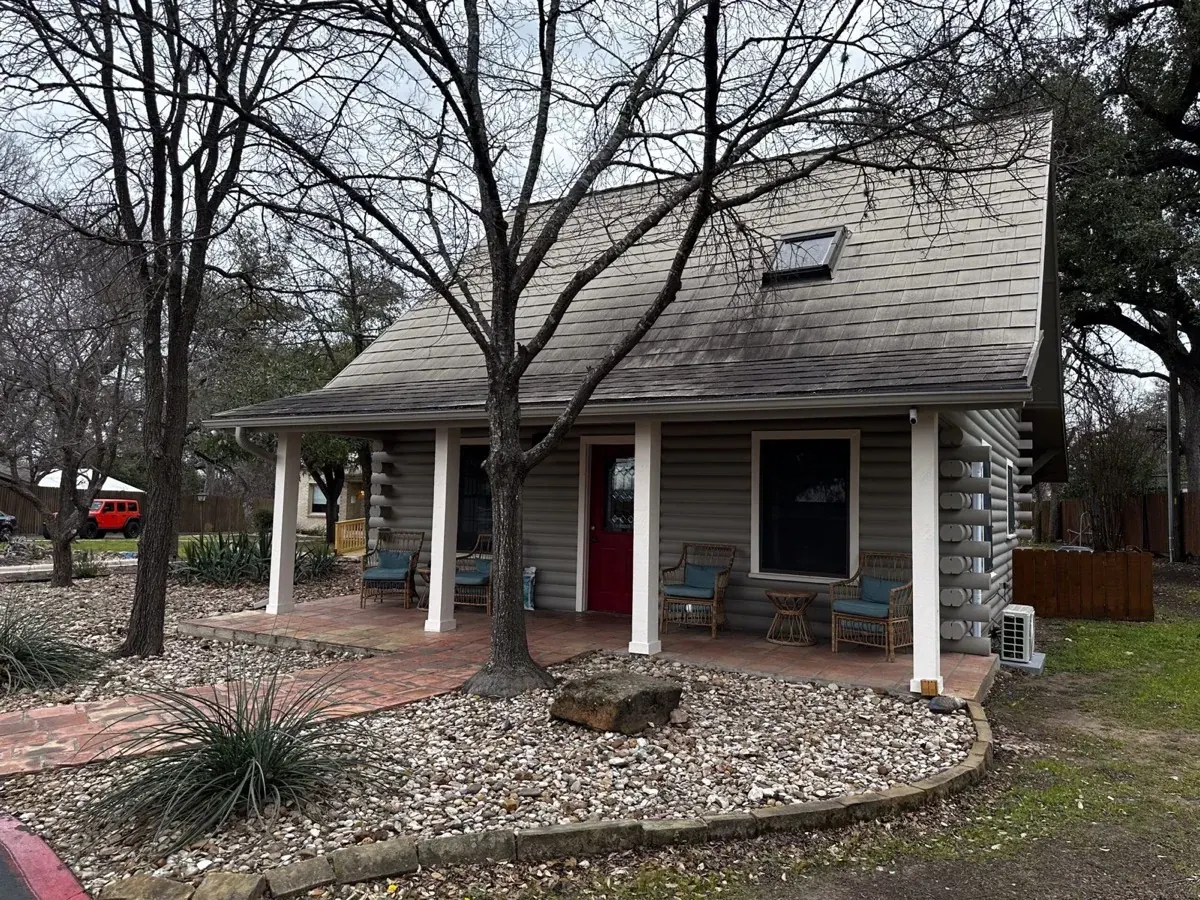
 Austin, TX
11711 N Lamar Blvd · 78753
- 15 beds
- On-site labs
- 24-hour medical staff
Alcohol & Drug Detox in Austin, TX
-
Alcohol & Drug Detox in San Antonio, TX
Briarwood
Alcohol & Drug Detox in San Antonio, TX
-
 Inpatient
 Houston, TX
1019 Ashland St · 77008
- On-site labs
- 24-hour medical staff
Drug Detox Center in Houston, TX
Practical Ways You Can Help—Starting Today
Learn and watch for the signs
Early help is easier and safer. Common signs include changes in sleep, mood swings, secrecy, borrowing money, missed work or school, and withdrawal symptoms such as shaking, sweating, nausea, or anxiety.
Use language that reduces stigma
Talk about “a person with a substance use disorder,” not “an addict.” Stigma stops people from seeking help. A neutral tone builds trust and keeps the door open.
Have a brief, focused conversation
Pick a calm time. Share what you have seen without blame:
- “I’m worried because you’ve missed several shifts and you mentioned being sick in the mornings.”
- Ask permission: “Would you be open to talking about help?”
- Offer choices: “We can call a provider together, or I can text you the number.”
Encourage safe, medical care in Austin
If withdrawal is likely, recommend medically supervised help. For substance abuse treatment Austin TX that begins with detox, Briarwood’s inpatient medical team manages symptoms and monitors safety. The center accepts admissions 365 days a year with a straightforward admissions process.
Plan transportation and immediate needs
Help with logistics: a ride, childcare, pet care, or packing basics. Remove barriers that might delay someone from getting care.
Support—but set limits
Offer support that protects health (rides, appointments, safe housing). Avoid giving cash or covering for consequences in ways that prolong harm.
How Briarwood Detox Center Supports Austin Residents
Inpatient medical detox with round‑the‑clock care
Briarwood provides 24/7 medical supervision for alcohol and drug withdrawal, using individualized protocols to manage symptoms and reduce risks. This includes vital‑sign monitoring and attentive nursing care. Insurance is accepted, and staff can help verify benefits.
Therapeutic support during detox
Even in the first days, therapeutic support helps people stabilize and plan. Briarwood offers individual and group sessions during detox to process emotions and build motivation for next steps.
Medication‑Assisted Treatment (MAT) when clinically appropriate
Case management and aftercare planning
When detox ends, momentum matters. Briarwood’s team helps clients map out the next level of care, coordinate referrals, and prepare for ongoing treatment that fits their needs and goals.
Austin‑Focused Guidance for Families and Allies
If you’re searching “drug treatment centers Austin”
Search engines return many options, which can be overwhelming. Focus on immediate safety first. If withdrawal is a risk, medical detox is the safest start. At Briarwood, admission can be fast, with care tailored to each person’s substance use history and current health.
If you’re comparing “drug treatment centers in Austin”
Look for 24/7 medical staffing, individualized plans, therapy access during detox, and a clear plan for aftercare. Briarwood meets these marks and provides coordinated next steps after stabilization.
If you need “substance abuse treatment Austin TX” for a loved one
You can call together, ask questions about medical safety, and discuss insurance. Briarwood’s admissions team guides families through what to bring, what to expect on day one, and what happens after detox.
Step‑by‑Step: Moving From Concern to Care
Step 1: Clarify the immediate risk
If someone shows severe withdrawal signs (confusion, seizures, chest pain), call emergency services. If risk seems moderate, contact medical detox.
Step 2: Make the call
Offer to call Briarwood’s admissions line with the person present. Have basic information ready: substances used, last use, health conditions, and medications. Staff will outline next steps and timing. Our admissions process is simple.
Step 3: Prepare for admission
Pack photo ID, insurance card, comfortable clothes, and current prescriptions. Remove non‑essential items that might distract from care - what to bring to detox.
Step 4: Stay connected during treatment
Agree on a communication plan. Short, encouraging check‑ins help people stay engaged with care.
Step 5: Plan the next level of care
Work with the case manager to schedule follow‑up treatment before discharge. Momentum reduces relapse risk.
Break Free from Addiction. Detox Safely in Austin Today.
Medically Supervised Detox – Compassionate Care Starts Here.
Common Questions About Inpatient Detox in Austin
How long does detox take?
It varies by substance, health history, and response to care. Many detox stays last several days to a week. The focus is medical stability and readiness for continued treatment.
Will I be given medications?
Possibly. Providers use medications when they improve safety or comfort. MAT is used based on clinical need and prescribed by medical staff.
Can I access therapy during detox?
Yes. Briarwood incorporates individual and group therapy during detox so clients can process emotions and build a plan for what comes next.
What happens after discharge?
Clients receive a tailored aftercare plan, which may include residential or outpatient treatment, therapy, support groups, and medical follow‑up. Coordination begins during detox to maintain momentum.
How You Can Support the Fight Against Substance Misuse
Support prevention where you live
Share resources at schools, workplaces, and community events. Promote medication safety and harm‑reduction education.
Help people enter care sooner
Offer rides, time off, or help with forms. Reduce barriers that keep people from seeking help.
Stay consistent and hopeful
Recovery is not a straight line. Encourage continued treatment and celebrate progress.
When You’re Ready to Take Action
If you or someone you care about is ready to begin, medical detox is a safe first step. Briarwood Detox Center in Austin offers inpatient detox with 24/7 care, therapeutic support, and coordinated aftercare planning, with admissions available every day of the year.
How Briarwood Detox Center Helps With Inpatient Drug & Substance Abuse in Austin
If you are searching for drug treatment centers Austin, Briarwood Detox Center provides inpatient, medically supervised detox as a safe first step. Our team monitors withdrawal 24/7 and adjusts protocols to your substance history and current health. This level of oversight reduces risks and improves comfort during the acute phase. Case managers coordinate an aftercare plan so you can move from detox into the right level of substance abuse treatment Austin TX without delays. You receive supportive counseling during detox to build readiness for therapy and ongoing care. When appropriate, evidence‑based medications are used to stabilize symptoms under physician supervision. Admissions staff verify insurance, explain what to bring, and streamline the intake process for Austin residents and families. For people reviewing drug treatment centers in Austin, Briarwood emphasizes medical safety, individualized plans, and a smooth transition after discharge.
Inpatient Drug & Substance Abuse Treatment in Austin
What is inpatient drug treatment?+–
Inpatient drug treatment is 24/7, structured care where a person lives on‑site during stabilization and early recovery. It typically pairs medical services (such as withdrawal management) with counseling and planning for the next level of care. This setting is recommended when safety, medical needs, or environment make outpatient care insufficient.
What happens during medical detox?+–
Medical detox focuses on safety and comfort while the body clears alcohol or other drugs. A clinical team monitors vital signs, manages symptoms, and may use evidence‑based medications when appropriate. The goal is medical stability and readiness for ongoing treatment, not a “cure” by itself.
How long does inpatient detox last?+–
Length varies by substance, dose, duration of use, and health history. Some people stabilize in several days; others need longer monitoring. The care team adjusts the timeline based on clinical response and risk of complications, especially with alcohol or sedative withdrawal.
Is detox alone enough to recover from addiction?+–
No. Detox addresses physical dependence, but long‑term recovery requires ongoing treatment like therapy, medications (when indicated), and continuing care. Clinical guidelines emphasize that withdrawal management alone is not treatment for a substance use disorder.
What’s the difference between inpatient and outpatient treatment?+–
Inpatient treatment provides round‑the‑clock care in a residential setting and is best when medical risks or home environments are unsafe. Outpatient care allows people to live at home and attend scheduled services. The right level depends on health status, support, and risk level.
Are medications used during detox or rehab?+–
Yes—when clinically appropriate. For example, medications for opioid use disorder (such as buprenorphine, methadone, or naltrexone) and alcohol withdrawal/relapse prevention can improve safety and outcomes when paired with counseling. Decisions are individualized and physician‑directed.
Does insurance cover inpatient substance abuse treatment in Texas?+–
Many plans include coverage for medically necessary substance use disorder treatment, and federal parity rules generally require that mental health/substance use benefits are not more restrictive than medical/surgical benefits. Coverage still varies by plan, so verification is essential.
How do I choose a medical detox program in Austin?+–
Look for 24/7 medical monitoring, evidence‑based protocols, access to counseling during detox, and strong aftercare planning. Programs should explain how they coordinate the transition to ongoing care matched to your needs.
How can I help a loved one start inpatient detox in Austin?+–
Pick a calm time, share specific concerns, and offer to make the call together. Ask about safety, medications, and next steps; arrange transport and logistics to remove barriers. For state-supported referrals, Texas OSAR can provide guidance. If you’re ready to begin with Briarwood, Call our admissions team today.
Where can I get immediate help in a crisis?+–
If someone is in danger or experiencing severe symptoms, call 911. For confidential, 24/7 emotional support in the U.S., dial 988 to reach the Suicide & Crisis Lifeline.
Is inpatient detox in Austin appropriate for alcohol withdrawal?+–
It can be, especially for people at risk of severe or complicated withdrawal. Evidence‑based guidelines outline when inpatient monitoring, symptom‑guided care, and medication management are indicated.
What happens after detox at a center like Briarwood?+–
A case manager helps coordinate the next level of care—residential, partial hospitalization, or outpatient—so treatment continues without gaps. This step keeps momentum and reduces relapse risk. If you’re ready to take the next step, Call our admissions team today.
Related guides



In network with most major insurance
Find your plan and see what detox would cost
Most plans cover medical detox. Coverage varies by plan, so we verify it for you before you commit to anything.
















Don't see your plan? We work with out-of-network benefits and offer self-pay options — (866) 710-7710
- Confidential
- Takes about 2 minutes
- No obligation to admit

- Accredited The Joint Commission
- Rated 4.5 · 94 Google reviews
- Admissions 24 hours a day