
Guide
How to Deal with Guilt and Shame in Recovery | Briarwood Detox Center
Joint Commission accredited · In network with most major insurance · Admissions answered 24 hours a day

Published November 18, 2024
Reviewed and updated July 29, 2026
In this guide, we’ll explore effective ways to face guilt and shame, helping you focus on growth and self-compassion. With the right tools and support, you can leave negativity behind and embrace a healthier life.
If you or someone you love needs more than detox, Briarwood Detox Center also provides drug treatment centers austin.
Understanding Guilt and Shame in Recovery
To begin, it is important to understand the difference between guilt and shame. Guilt arises when you regret a specific action, such as hurting a loved one or making a poor decision. On the other hand, shame is a deeper feeling of self-doubt, where you believe you are inherently flawed. Although these emotions are common in recovery, they do not have to define your journey.
Does your insurance cover detox in Austin?
Find out in about 2 minutes — free, confidential, no obligation.
Verify InsuranceBy addressing guilt and shame early, you can avoid letting them derail your progress. Moreover, understanding their root causes can help you take the first step toward healing.
The Role of Professional Detox in Emotional Healing
Before addressing guilt and shame, a strong foundation in physical recovery is essential. At Briarwood Detox Center, our drug and alcohol detox programs in Austin provide a safe environment to begin your healing journey. Detoxing under professional care not only ensures your safety but also creates a space for addressing emotional barriers like guilt and shame.
Acknowledge Your Emotions
First and foremost, allow yourself to recognize and accept how you feel. Ignoring guilt and shame often makes them worse over time. Instead, take a moment to reflect on these emotions and consider where they are coming from. For instance, you might find that certain triggers, like past mistakes or strained relationships, contribute to these feelings.
Furthermore, talking to a trusted therapist or writing in a journal can help you make sense of your emotions. When you confront your guilt and shame directly, you can begin to reduce their hold over you.
Practice Self-Compassion
Addiction often fosters self-criticism and a harsh inner dialogue. Replace judgment with kindness. Understand that addiction is a disease, not a moral failing. Just as you would support a friend in recovery, extend that same grace to yourself.
Actionable Tip: Start each day with affirmations like, “I am worthy of healing” or “I deserve a fresh start.” This simple practice can reshape your perspective over time.
Rebuild Relationships Gradually
One of the primary sources of guilt in recovery is the impact of addiction on relationships. While it’s important to take accountability, rebuilding trust takes time. Approach these situations with patience, focusing on consistent actions rather than words.
Steps to Take:
- Apologize sincerely for past behavior when appropriate.
- Demonstrate your commitment to recovery through actions.
- Accept that some relationships may take longer to heal—or may not heal at all—and that’s okay.
Engage in Evidence-Based Therapy
Therapies like cognitive-behavioral therapy (CBT) and dialectical behavior therapy (DBT) are excellent tools for addressing guilt and shame. These approaches help identify negative thought patterns and replace them with constructive ones.
At Briarwood Detox Center, we integrate evidence-based treatments to provide a holistic recovery experience. Our goal is to address the mind, body, and soul, giving you the tools needed to process and overcome emotional challenges.
Build a Support Network
Isolation can amplify feelings of shame and guilt. Surrounding yourself with supportive people who understand your journey can make a significant difference. This might include joining a recovery group, attending therapy sessions, or connecting with peers in sober living environments.
Local Tip: Austin offers a vibrant recovery community with numerous support groups and resources. At Briarwood Detox Center, we can help you find the right connections to sustain your recovery.
Focus on Personal Growth
Recovery isn’t just about staying sober; it’s about creating a fulfilling life. Engaging in new hobbies, setting achievable goals, or volunteering can boost self-esteem and shift your focus from past mistakes to future opportunities.
Examples of Growth-Oriented Activities:
- Take a class to learn a new skill.
- Volunteer with organizations that resonate with your values.
- Practice mindfulness or yoga to reconnect with your body and mind.
Let Go of Perfectionism
Recovery is not a linear process. Mistakes may happen, but they don’t erase your progress. Instead of striving for perfection, aim for progress. Celebrate small victories and recognize that healing takes time.
Mantra to Remember: “I am not defined by my past; I am shaped by my choices today.”
Why Choose Briarwood Detox Center?
At Briarwood Detox Center, we recognize that recovery involves more than just overcoming physical dependency. Our drug and alcohol detox programs in Austin are designed to address the unique needs of each individual, providing a comprehensive path to healing.
What Sets Us Apart:
- Long-term treatment for chronic relapse: We offer a full continuum of care to help you sustain recovery.
- Comprehensive and individualized care: From detox to sober living, we support you at every stage.
- Evidence-based treatments: Our therapies are grounded in proven methods for lasting sobriety.
- Mind, body, and soul approach: We focus on holistic healing to treat the whole person.
Take the First Step Toward Emotional Freedom
Recovery is a journey, and you don’t have to face it alone. At Briarwood Detox Center, we’re here to guide you every step of the way, providing the tools and support needed to overcome guilt, shame, and addiction.
Get Help Today
- See Availability Today
- Confidential Insurance and Availability Check
- Most Insurances Accepted
Contact us to begin your journey toward a healthier, happier life!
Drug Detox With Briarwood
Briarwood Detox Center offers detoxification treatment for alcohol, opioid, methamphetamine, prescription drugs, and much more. Our experienced clinical staff provides round-the-clock monitoring throughout the drug detoxification process and our therapy team provides support to help manage the emotional response to treatment. Additionally, we have detox facilities located in Austin, Houston, and Colorado Springs with state-of-the-art amenities.
Briarwood is dedicated to facilitating a healthy and safe environment that empowers people to make significant and lasting changes in their lives. We look forward to supporting you or your loved one on the journey to recovery. Call (866) 710-7710 today for more information on our programs and admission process.
Common Questions About Fentanyl Addiction and Intervention in Texas
My husband is addicted to fentanyl and won't admit he needs help. What intervention services are available in Texas?
Direct answer: Professional intervention services in Texas can help families address fentanyl addiction when a loved one denies the problem. At Briarwood Detox Center, we work with families across Austin, Houston, and San Antonio to facilitate medically supervised detox and withdrawal management for fentanyl and other opioids. Board-certified intervention specialists can guide structured conversations that encourage treatment acceptance.
Fentanyl addiction is particularly dangerous because of the drug's potency—50 to 100 times stronger than morphine—and denial is a common defense mechanism. When someone refuses to acknowledge their addiction, family members often feel helpless. However, professional intervention services offer a structured, compassionate approach that increases the likelihood of treatment acceptance.
What Makes Fentanyl Addiction Intervention Unique
Fentanyl's rapid onset and severe withdrawal symptoms make denial especially entrenched. Users may genuinely believe they can control their use, or fear the intense discomfort of withdrawal. A professional interventionist understands these psychological and physiological barriers and can:
- Assess immediate medical risks and coordinate emergency care if needed
- Design a family-centered intervention strategy tailored to fentanyl addiction
- Prepare family members to communicate concerns without blame or judgment
- Arrange immediate admission to medically supervised detox to capitalize on treatment acceptance
- Address co-occurring mental health conditions that fuel denial
Intervention Services Available in Texas
Texas families have access to several intervention pathways:
- Family intervention consultations: Briarwood Detox Center offers guidance for families preparing to address a loved one's fentanyl use. Our clinical team can recommend certified intervention specialists who work throughout Texas.
- Medically supervised detox admission: Our Austin inpatient facility and outpatient programs in Houston and San Antonio provide immediate placement following successful intervention, eliminating delays that might allow second thoughts.
- Crisis intervention support: If your husband is in immediate danger—experiencing overdose symptoms, combining fentanyl with other substances, or exhibiting suicidal ideation—call our 24/7 admissions line at (866) 710-7710 for emergency guidance.
- Outpatient family support: Even if your husband initially refuses inpatient care, our outpatient detox programs in Texas cities offer a less intensive starting point that may feel less threatening.
What to Do Right Now
If your husband is addicted to fentanyl and denying the problem, take these immediate steps:
- Document the crisis: Keep a private record of concerning incidents—missed work, unexplained absences, physical symptoms, financial problems. Concrete examples are more effective than general concerns during intervention.
- Consult a professional first: Do not attempt an intervention without professional guidance. Poorly executed interventions can deepen denial or sever family relationships. Call Briarwood at (866) 710-7710 to speak with an admissions coordinator who can connect you with intervention resources.
- Secure treatment placement in advance: Have detox admission arranged before the intervention. Fentanyl withdrawal requires medical supervision; having a bed secured at our Austin facility or an outpatient slot in Houston or San Antonio removes logistical barriers if he agrees to help.
- Prepare for all outcomes: Intervention specialists typically report 80-90% treatment acceptance rates when properly conducted, but prepare emotionally for refusal. Establish boundaries you'll maintain regardless of his decision, and ensure your own safety—fentanyl withdrawal can cause irritability and unpredictable behavior.
- Address enabling behaviors: An interventionist will help you identify ways you may be unintentionally enabling the addiction (providing money, making excuses, minimizing consequences) and establish healthy boundaries.
Why Medical Detox is Non-Negotiable for Fentanyl
Unlike some substances where outpatient support might suffice, fentanyl's potency and the severity of opioid withdrawal make medically supervised detox essential. Symptoms include:
- Severe muscle and bone pain
- Intense cravings that drive relapse within hours
- Nausea, vomiting, and diarrhea leading to dangerous dehydration
- Cardiovascular stress, especially in users with underlying heart conditions
- Psychological distress, including anxiety, depression, and suicidal thoughts
At Briarwood Detox Center, our medical team uses evidence-based protocols to manage withdrawal safely. We offer:
- 24/7 medical monitoring by board-certified physicians and nursing staff
- Medication-assisted treatment (MAT) using buprenorphine or methadone to ease withdrawal and reduce cravings
- Comfort medications for symptom relief
- Psychiatric support for co-occurring anxiety, depression, or trauma
- Individualized detox plans—inpatient in Austin or outpatient in Houston, San Antonio, depending on medical needs
What Happens After He Agrees to Help
The window of willingness following a successful intervention is often brief. Here's what to expect when your husband accepts treatment:
- Immediate transport: Many families arrange transportation to the detox facility immediately following the intervention. Our admissions team can coordinate this.
- Medical assessment: Upon arrival, our physicians conduct comprehensive evaluation—recent fentanyl use, other substances, medical history, mental health screening—to design a safe detox protocol.
- Stabilization phase (3-7 days for fentanyl): Acute withdrawal peaks within 24-72 hours. Our medical team manages symptoms aggressively to maximize comfort and safety.
- Transition planning: Detox is the critical first step, but sustained recovery requires ongoing treatment. We help families and patients plan the next phase—whether that's residential rehab, intensive outpatient programming, or continued MAT through our outpatient clinics.
- Family involvement: We encourage family participation in discharge planning and can connect you with Al-Anon, Nar-Anon, or family therapy resources in Texas.
Resources and Next Steps
Watching a spouse struggle with fentanyl addiction while refusing help is one of the most painful experiences a family can face. You don't have to navigate this alone:
- Call Briarwood 24/7: Our admissions coordinators at (866) 710-7710 can provide immediate guidance, verify insurance coverage, and connect you with intervention specialists familiar with fentanyl addiction.
- Texas intervention professionals: Organizations like the Association of Intervention Specialists (AIS) maintain directories of certified interventionists serving Austin, Houston, San Antonio, and other Texas cities.
- SAMHSA National Helpline: 1-800-662-HELP (4357) offers free, confidential support 24/7 and can provide referrals to local intervention services.
- Learn more: Our guide to supporting a loved one through detox and our article on talking to a loved one about addiction offer additional family-focused guidance.
Fentanyl addiction is a life-threatening emergency, but recovery is possible with professional intervention and medically supervised detox. The fact that you're seeking help demonstrates the strength and love your family needs to overcome this crisis. Reach out today—time is critical.
<h1-style="">How to Deal with Guilt and Shame in Recovery | Briarwood Detox Center</h1-style="">
Table of contents
- Understanding Guilt and Shame in Recovery
- The Role of Professional Detox in Emotional Healing
- Why Choose Briarwood Detox Center?
- Take the First Step Toward Emotional Freedom
- Drug Detox With Briarwood
- Break Free From Your Addiction Today
Recovering from addiction is a significant achievement, but it is only the beginning of your journey. As you work toward lasting sobriety, feelings of guilt and shame may surface, making the process more challenging. However, these emotions are a natural part of recovery, and addressing them is essential for healing. At Briarwood Detox Center, we provide compassionate care to help you manage these emotions while building a foundation for a better future.
Ready to talk to someone now? Briarwood Detox Center's admissions team is here 24/7, and every call is confidential. Call (866) 710-7710.In this guide, we’ll explore effective ways to face guilt and shame, helping you focus on growth and self-compassion. With the right tools and support, you can leave negativity behind and embrace a healthier life.
Where we are
Detox centers across Texas
Three locations, each with its own admissions line and its own clinical team. Pick the one nearest you — or call and we will tell you which has a bed tonight.
-
 Inpatient
 Austin, TX
11711 N Lamar Blvd · 78753
- 15 beds
- On-site labs
- 24-hour medical staff
Drug & Alcohol Detox in Austin, TX
-
 Inpatient
 Houston, TX
1019 Ashland St · 77008
- On-site labs
- 24-hour medical staff
Drug Detox Center in Houston, TX
-
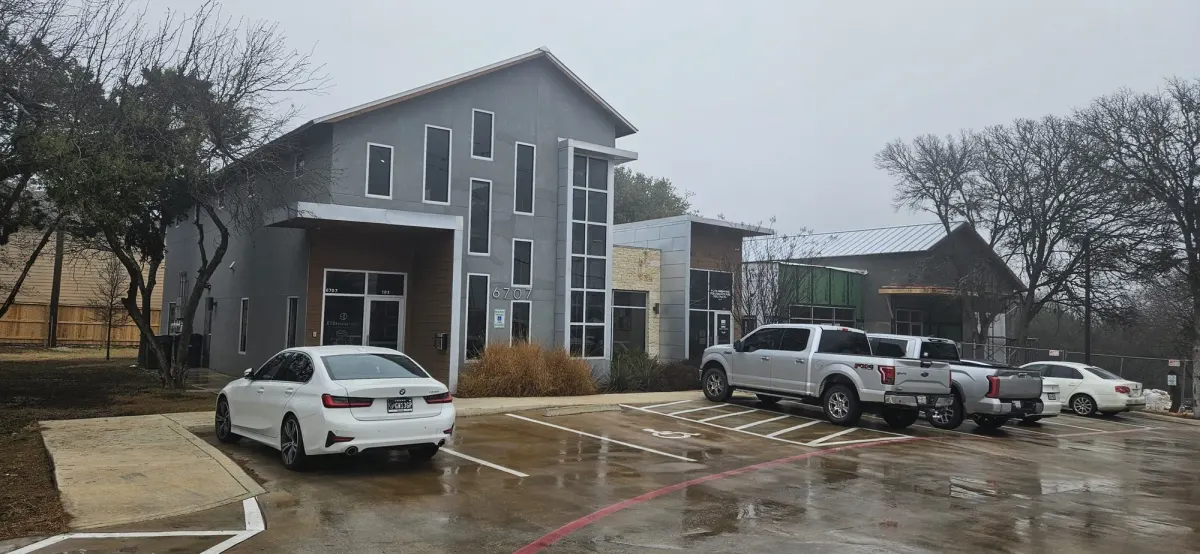 Outpatient
 San Antonio, TX
6707 W Hausman Rd · 78249
- Outpatient detox with scheduled medical visits
- Outpatient treatment
Outpatient Drug & Alcohol Detox in San Antonio
Understanding Guilt and Shame in Recovery
To begin, it is important to understand the difference between guilt and shame. Guilt arises when you regret a specific action, such as hurting a loved one or making a poor decision. On the other hand, shame is a deeper feeling of self-doubt, where you believe you are inherently flawed. Although these emotions are common in recovery, they do not have to define your journey.
By addressing guilt and shame early, you can avoid letting them derail your progress. Moreover, understanding their root causes can help you take the first step toward healing.
The Role of Professional Detox in Emotional Healing
Before addressing guilt and shame, a strong foundation in physical recovery is essential. At Briarwood Detox Center, our drug and alcohol detox programs in Austin provide a safe environment to begin your healing journey. Detoxing under professional care not only ensures your safety but also creates a space for addressing emotional barriers like guilt and shame.
Acknowledge Your Emotions
First and foremost, allow yourself to recognize and accept how you feel. Ignoring guilt and shame often makes them worse over time. Instead, take a moment to reflect on these emotions and consider where they are coming from. For instance, you might find that certain triggers, like past mistakes or strained relationships, contribute to these feelings.
Furthermore, talking to a trusted therapist or writing in a journal can help you make sense of your emotions. When you confront your guilt and shame directly, you can begin to reduce their hold over you.
Practice Self-Compassion
Addiction often fosters self-criticism and a harsh inner dialogue. Replace judgment with kindness. Understand that addiction is a disease, not a moral failing. Just as you would support a friend in recovery, extend that same grace to yourself.
Actionable Tip: Start each day with affirmations like, “I am worthy of healing” or “I deserve a fresh start.” This simple practice can reshape your perspective over time.
Rebuild Relationships Gradually
One of the primary sources of guilt in recovery is the impact of addiction on relationships. While it’s important to take accountability, rebuilding trust takes time. Approach these situations with patience, focusing on consistent actions rather than words.
Steps to Take:
- Apologize sincerely for past behavior when appropriate.
- Demonstrate your commitment to recovery through actions.
- Accept that some relationships may take longer to heal—or may not heal at all—and that’s okay.
Engage in Evidence-Based Therapy
Therapies like cognitive-behavioral therapy (CBT) and dialectical behavior therapy (DBT) are excellent tools for addressing guilt and shame. These approaches help identify negative thought patterns and replace them with constructive ones.
At Briarwood Detox Center, we integrate evidence-based treatments to provide a holistic recovery experience. Our goal is to address the mind, body, and soul, giving you the tools needed to process and overcome emotional challenges.
Build a Support Network
Isolation can amplify feelings of shame and guilt. Surrounding yourself with supportive people who understand your journey can make a significant difference. This might include joining a recovery group, attending therapy sessions, or connecting with peers in sober living environments.
Local Tip: Austin offers a vibrant recovery community with numerous support groups and resources. At Briarwood Detox Center, we can help you find the right connections to sustain your recovery.
Focus on Personal Growth
Recovery isn’t just about staying sober; it’s about creating a fulfilling life. Engaging in new hobbies, setting achievable goals, or volunteering can boost self-esteem and shift your focus from past mistakes to future opportunities.
Examples of Growth-Oriented Activities:
- Take a class to learn a new skill.
- Volunteer with organizations that resonate with your values.
- Practice mindfulness or yoga to reconnect with your body and mind.
Let Go of Perfectionism
Recovery is not a linear process. Mistakes may happen, but they don’t erase your progress. Instead of striving for perfection, aim for progress. Celebrate small victories and recognize that healing takes time.
Mantra to Remember: “I am not defined by my past; I am shaped by my choices today.”
Why Choose Briarwood Detox Center?
At Briarwood Detox Center, we recognize that recovery involves more than just overcoming physical dependency. Our drug and alcohol detox programs in Austin are designed to address the unique needs of each individual, providing a comprehensive path to healing.
What Sets Us Apart:
- Long-term treatment for chronic relapse: We offer a full continuum of care to help you sustain recovery.
- Comprehensive and individualized care: From detox to sober living, we support you at every stage.
- Evidence-based treatments: Our therapies are grounded in proven methods for lasting sobriety.
- Mind, body, and soul approach: We focus on holistic healing to treat the whole person.
Take the First Step Toward Emotional Freedom
Recovery is a journey, and you don’t have to face it alone. At Briarwood Detox Center, we’re here to guide you every step of the way, providing the tools and support needed to overcome guilt, shame, and addiction.
Get Help Today
- See Availability Today
- Confidential Insurance and Availability Check
- Most Insurances Accepted
Contact us to begin your journey toward a healthier, happier life!
Drug Detox With Briarwood
Briarwood Detox Center offers detoxification treatment for alcohol, opioid, methamphetamine, prescription drugs, and much more. Our experienced clinical staff provides round-the-clock monitoring throughout the drug detoxification process and our therapy team provides support to help manage the emotional response to treatment. Additionally, we have detox facilities located in Austin, Houston, and Colorado Springs with state-of-the-art amenities.
Briarwood is dedicated to facilitating a healthy and safe environment that empowers people to make significant and lasting changes in their lives. We look forward to supporting you or your loved one on the journey to recovery. Call (866) 710-7710 today for more information on our programs and admission process.
Common Questions About Fentanyl Addiction and Intervention in Texas
My husband is addicted to fentanyl and won't admit he needs help. What intervention services are available in Texas?
Direct answer: Professional intervention services in Texas can help families address fentanyl addiction when a loved one denies the problem. At Briarwood Detox Center, we work with families across Austin, Houston, and San Antonio to facilitate medically supervised detox and withdrawal management for fentanyl and other opioids. Board-certified intervention specialists can guide structured conversations that encourage treatment acceptance.
Fentanyl addiction is particularly dangerous because of the drug's potency—50 to 100 times stronger than morphine—and denial is a common defense mechanism. When someone refuses to acknowledge their addiction, family members often feel helpless. However, professional intervention services offer a structured, compassionate approach that increases the likelihood of treatment acceptance.
What Makes Fentanyl Addiction Intervention Unique
Fentanyl's rapid onset and severe withdrawal symptoms make denial especially entrenched. Users may genuinely believe they can control their use, or fear the intense discomfort of withdrawal. A professional interventionist understands these psychological and physiological barriers and can:
- Assess immediate medical risks and coordinate emergency care if needed
- Design a family-centered intervention strategy tailored to fentanyl addiction
- Prepare family members to communicate concerns without blame or judgment
- Arrange immediate admission to medically supervised detox to capitalize on treatment acceptance
- Address co-occurring mental health conditions that fuel denial
Intervention Services Available in Texas
Texas families have access to several intervention pathways:
- Family intervention consultations: Briarwood Detox Center offers guidance for families preparing to address a loved one's fentanyl use. Our clinical team can recommend certified intervention specialists who work throughout Texas.
- Medically supervised detox admission: Our Austin inpatient facility and outpatient programs in Houston and San Antonio provide immediate placement following successful intervention, eliminating delays that might allow second thoughts.
- Crisis intervention support: If your husband is in immediate danger—experiencing overdose symptoms, combining fentanyl with other substances, or exhibiting suicidal ideation—call our 24/7 admissions line at (866) 710-7710 for emergency guidance.
- Outpatient family support: Even if your husband initially refuses inpatient care, our outpatient detox programs in Texas cities offer a less intensive starting point that may feel less threatening.
What to Do Right Now
If your husband is addicted to fentanyl and denying the problem, take these immediate steps:
- Document the crisis: Keep a private record of concerning incidents—missed work, unexplained absences, physical symptoms, financial problems. Concrete examples are more effective than general concerns during intervention.
- Consult a professional first: Do not attempt an intervention without professional guidance. Poorly executed interventions can deepen denial or sever family relationships. Call Briarwood at (866) 710-7710 to speak with an admissions coordinator who can connect you with intervention resources.
- Secure treatment placement in advance: Have detox admission arranged before the intervention. Fentanyl withdrawal requires medical supervision; having a bed secured at our Austin facility or an outpatient slot in Houston or San Antonio removes logistical barriers if he agrees to help.
- Prepare for all outcomes: Intervention specialists typically report 80-90% treatment acceptance rates when properly conducted, but prepare emotionally for refusal. Establish boundaries you'll maintain regardless of his decision, and ensure your own safety—fentanyl withdrawal can cause irritability and unpredictable behavior.
- Address enabling behaviors: An interventionist will help you identify ways you may be unintentionally enabling the addiction (providing money, making excuses, minimizing consequences) and establish healthy boundaries.
Why Medical Detox is Non-Negotiable for Fentanyl
Unlike some substances where outpatient support might suffice, fentanyl's potency and the severity of opioid withdrawal make medically supervised detox essential. Symptoms include:
- Severe muscle and bone pain
- Intense cravings that drive relapse within hours
- Nausea, vomiting, and diarrhea leading to dangerous dehydration
- Cardiovascular stress, especially in users with underlying heart conditions
- Psychological distress, including anxiety, depression, and suicidal thoughts
At Briarwood Detox Center, our medical team uses evidence-based protocols to manage withdrawal safely. We offer:
- 24/7 medical monitoring by board-certified physicians and nursing staff
- Medication-assisted treatment (MAT) using buprenorphine or methadone to ease withdrawal and reduce cravings
- Comfort medications for symptom relief
- Psychiatric support for co-occurring anxiety, depression, or trauma
- Individualized detox plans—inpatient in Austin or outpatient in Houston, San Antonio, depending on medical needs
What Happens After He Agrees to Help
The window of willingness following a successful intervention is often brief. Here's what to expect when your husband accepts treatment:
- Immediate transport: Many families arrange transportation to the detox facility immediately following the intervention. Our admissions team can coordinate this.
- Medical assessment: Upon arrival, our physicians conduct comprehensive evaluation—recent fentanyl use, other substances, medical history, mental health screening—to design a safe detox protocol.
- Stabilization phase (3-7 days for fentanyl): Acute withdrawal peaks within 24-72 hours. Our medical team manages symptoms aggressively to maximize comfort and safety.
- Transition planning: Detox is the critical first step, but sustained recovery requires ongoing treatment. We help families and patients plan the next phase—whether that's residential rehab, intensive outpatient programming, or continued MAT through our outpatient clinics.
- Family involvement: We encourage family participation in discharge planning and can connect you with Al-Anon, Nar-Anon, or family therapy resources in Texas.
Resources and Next Steps
Watching a spouse struggle with fentanyl addiction while refusing help is one of the most painful experiences a family can face. You don't have to navigate this alone:
- Call Briarwood 24/7: Our admissions coordinators at (866) 710-7710 can provide immediate guidance, verify insurance coverage, and connect you with intervention specialists familiar with fentanyl addiction.
- Texas intervention professionals: Organizations like the Association of Intervention Specialists (AIS) maintain directories of certified interventionists serving Austin, Houston, San Antonio, and other Texas cities.
- SAMHSA National Helpline: 1-800-662-HELP (4357) offers free, confidential support 24/7 and can provide referrals to local intervention services.
- Learn more: Our guide to supporting a loved one through detox and our article on talking to a loved one about addiction offer additional family-focused guidance.
Fentanyl addiction is a life-threatening emergency, but recovery is possible with professional intervention and medically supervised detox. The fact that you're seeking help demonstrates the strength and love your family needs to overcome this crisis. Reach out today—time is critical.
Ready to Start Your Recovery in Austin?
Briarwood Detox Center offers medically supervised detox in Austin. Explore our locations, see the facility, and verify your insurance in minutes.
See our locationsCommon Questions About Fentanyl Addiction and Intervention in Texas
My husband is addicted to fentanyl and won't admit he needs help. What intervention services are available in Texas?
Direct answer: Professional intervention services in Texas can help families address fentanyl addiction when a loved one denies the problem. At Briarwood Detox Center, we work with families across Austin, Houston, and San Antonio to facilitate medically supervised detox and withdrawal management for fentanyl and other opioids. Board-certified intervention specialists can guide structured conversations that encourage treatment acceptance.
Fentanyl addiction is particularly dangerous because of the drug's potency—50 to 100 times stronger than morphine—and denial is a common defense mechanism. When someone refuses to acknowledge their addiction, family members often feel helpless. However, professional intervention services offer a structured, compassionate approach that increases the likelihood of treatment acceptance.
What Makes Fentanyl Addiction Intervention Unique
Fentanyl's rapid onset and severe withdrawal symptoms make denial especially entrenched. Users may genuinely believe they can control their use, or fear the intense discomfort of withdrawal. A professional interventionist understands these psychological and physiological barriers and can:
- Assess immediate medical risks and coordinate emergency care if needed
- Design a family-centered intervention strategy tailored to fentanyl addiction
- Prepare family members to communicate concerns without blame or judgment
- Arrange immediate admission to medically supervised detox to capitalize on treatment acceptance
- Address co-occurring mental health conditions that fuel denial
Intervention Services Available in Texas
Texas families have access to several intervention pathways:
- Family intervention consultations: Briarwood Detox Center offers guidance for families preparing to address a loved one's fentanyl use. Our clinical team can recommend certified intervention specialists who work throughout Texas.
- Medically supervised detox admission: Our Austin inpatient facility and outpatient programs in Houston and San Antonio provide immediate placement following successful intervention, eliminating delays that might allow second thoughts.
- Crisis intervention support: If your husband is in immediate danger—experiencing overdose symptoms, combining fentanyl with other substances, or exhibiting suicidal ideation—call our 24/7 admissions line at (866) 710-7710 for emergency guidance.
- Outpatient family support: Even if your husband initially refuses inpatient care, our outpatient detox programs in Texas cities offer a less intensive starting point that may feel less threatening.
What to Do Right Now
If your husband is addicted to fentanyl and denying the problem, take these immediate steps:
- Document the crisis: Keep a private record of concerning incidents—missed work, unexplained absences, physical symptoms, financial problems. Concrete examples are more effective than general concerns during intervention.
- Consult a professional first: Do not attempt an intervention without professional guidance. Poorly executed interventions can deepen denial or sever family relationships. Call Briarwood at (866) 710-7710 to speak with an admissions coordinator who can connect you with intervention resources.
- Secure treatment placement in advance: Have detox admission arranged before the intervention. Fentanyl withdrawal requires medical supervision; having a bed secured at our Austin facility or an outpatient slot in Houston or San Antonio removes logistical barriers if he agrees to help.
- Prepare for all outcomes: Intervention specialists typically report 80-90% treatment acceptance rates when properly conducted, but prepare emotionally for refusal. Establish boundaries you'll maintain regardless of his decision, and ensure your own safety—fentanyl withdrawal can cause irritability and unpredictable behavior.
- Address enabling behaviors: An interventionist will help you identify ways you may be unintentionally enabling the addiction (providing money, making excuses, minimizing consequences) and establish healthy boundaries.
Why Medical Detox is Non-Negotiable for Fentanyl
Unlike some substances where outpatient support might suffice, fentanyl's potency and the severity of opioid withdrawal make medically supervised detox essential. Symptoms include:
- Severe muscle and bone pain
- Intense cravings that drive relapse within hours
- Nausea, vomiting, and diarrhea leading to dangerous dehydration
- Cardiovascular stress, especially in users with underlying heart conditions
- Psychological distress, including anxiety, depression, and suicidal thoughts
At Briarwood Detox Center, our medical team uses evidence-based protocols to manage withdrawal safely. We offer:
- 24/7 medical monitoring by board-certified physicians and nursing staff
- Medication-assisted treatment (MAT) using buprenorphine or methadone to ease withdrawal and reduce cravings
- Comfort medications for symptom relief
- Psychiatric support for co-occurring anxiety, depression, or trauma
- Individualized detox plans—inpatient in Austin or outpatient in Houston, San Antonio, depending on medical needs
What Happens After He Agrees to Help
The window of willingness following a successful intervention is often brief. Here's what to expect when your husband accepts treatment:
- Immediate transport: Many families arrange transportation to the detox facility immediately following the intervention. Our admissions team can coordinate this.
- Medical assessment: Upon arrival, our physicians conduct comprehensive evaluation—recent fentanyl use, other substances, medical history, mental health screening—to design a safe detox protocol.
- Stabilization phase (3-7 days for fentanyl): Acute withdrawal peaks within 24-72 hours. Our medical team manages symptoms aggressively to maximize comfort and safety.
- Transition planning: Detox is the critical first step, but sustained recovery requires ongoing treatment. We help families and patients plan the next phase—whether that's residential rehab, intensive outpatient programming, or continued MAT through our outpatient clinics.
- Family involvement: We encourage family participation in discharge planning and can connect you with Al-Anon, Nar-Anon, or family therapy resources in Texas.
Resources and Next Steps
Watching a spouse struggle with fentanyl addiction while refusing help is one of the most painful experiences a family can face. You don't have to navigate this alone:
- Call Briarwood 24/7: Our admissions coordinators at (866) 710-7710 can provide immediate guidance, verify insurance coverage, and connect you with intervention specialists familiar with fentanyl addiction.
- Texas intervention professionals: Organizations like the Association of Intervention Specialists (AIS) maintain directories of certified interventionists serving Austin, Houston, San Antonio, and other Texas cities.
- SAMHSA National Helpline: 1-800-662-HELP (4357) offers free, confidential support 24/7 and can provide referrals to local intervention services.
- Learn more: Our guide to supporting a loved one through detox and our article on talking to a loved one about addiction offer additional family-focused guidance.
Fentanyl addiction is a life-threatening emergency, but recovery is possible with professional intervention and medically supervised detox. The fact that you're seeking help demonstrates the strength and love your family needs to overcome this crisis. Reach out today—time is critical.
Related guides
In network with most major insurance
Find your plan and see what detox would cost
Most plans cover medical detox. Coverage varies by plan, so we verify it for you before you commit to anything.

















Don't see your plan? We work with out-of-network benefits and offer self-pay options — (866) 710-7710
- Confidential
- Takes about 2 minutes
- No obligation to admit

- Accredited The Joint Commission
- Rated 4.7 · 182 Google reviews Flourishing Foundations Recovery, now part of Briarwood
- Admissions 24 hours a day