
Guide
How to Taper off Klonopin Safely
Joint Commission accredited · In network with most major insurance · Admissions answered 24 hours a day

Published June 25, 2019
Reviewed and updated July 29, 2026
Klonopin, like many other benzodiazepines, can be a powerfully addictive drug, so quitting isn’t as easy as it sounds. Quitting cold turkey may sound like a great option, but in reality, it can be very dangerous. Fortunately, there are alternative options that are safe, effective, and more comfortable than the cold turkey method.
Briarwood Detox Center’s benzo detox program provides medically supervised, evidence-based care.
Tapering is a common method that doctors and addiction treatment specialists use frequently to help clients quit drugs like benzodiazepines and opioids, among others. But before you decide to taper off Klonopin on your own, it’s important to understand how Klonopin works, the side effects of Klonopin withdrawal, and how to taper off Klonopin safely.
Does your insurance cover detox in Austin?
Find out in about 2 minutes — free, confidential, no obligation.
Verify InsuranceWhat is Klonopin?
Klonopin is the brand name for the drug clonazepam. It is a benzodiazepine and an anticonvulsant that is used to treat panic disorder, seizures, and anxiety. It works by calming the brain and nerves.1 When used medically, Klonopin is consumed orally in tablet or wafer form and can be taken two or three times a day. It is intended for short-term use.
Klonopin is not as well-known as other benzodiazepines like Xanax or Valium, but it is an effective sedative that helps many people who struggle with anxiety and other medical problems to lead a normal and productive life.
When it is used as prescribed for medical purposes, Klonopin relieves the physical and psychological symptoms of anxiety and prevents seizures. However, when it is taken in high doses, it can produce a high that is very similar to the feelings caused by alcohol intoxication
Like many other prescription sedatives, Klonopin is a popular drug of abuse and many people misuse it to get high. Even patients who take it to relieve mental anxiety can get hooked, as it carries a high risk of dependence, abuse, and addiction.
Klonopin Addiction and Withdrawal
A person who is taking Klonopin for medical purposes under the supervision of their doctor can still become physically dependent on the drug. This means they will experience uncomfortable withdrawal symptoms if they miss a dose. Anyone who takes benzodiazepines like Klonopin for longer than three or four weeks can experience withdrawal symptoms when they try to quit.3
Symptoms of Klonopin withdrawal may include:
- Difficulty sleeping
- Muscle spasms, aches, or pains
- Difficulty concentrating
- Loss of appetite/weight loss
- Sweating
- Anxiety
- Irritability
- Panic attacks
- Headaches
- Tremors
- Dizziness
- Restlessness
- Memory problems
- Confusion
- Depression
- Perceptual changes
- Blurry vision
- Sensitivity to light
- Ringing in the ears
- Hallucinations
- Delirium
- Grand mal seizures
According to the 2017 National Survey on Drug Use and Health, 8.5 million Americans (3.4 percent of the population) had both a substance use disorder and a mental illness. Prescription sedatives like Klonopin were some of the most commonly abused drugs, with 18.1 million Americans abusing them sometime in the past year.2
Ready to talk to someone now? Briarwood Detox Center's admissions team is here 24/7, and every call is confidential. Call (866) 710-7710.Someone who is addicted to Klonopin will be both physically and psychologically dependent, meaning they need Klonopin to prevent withdrawal symptoms and they feel that they cannot function normally without it. Someone who is addicted to Klonopin will likely continue taking it after a doctor recommends stopping, they will take large and/or more frequent doses than necessary, and they will have trouble quitting, even if they know it’s causing problems in their life.
Although a person who is physically dependent on Klonopin may not be addicted, quitting cold turkey may still be uncomfortable or dangerous. In most cases, a person will need medical assistance when it’s time to taper off Klonopin.
Where we are
Detox centers across Texas
Three locations, each with its own admissions line and its own clinical team. Pick the one nearest you — or call and we will tell you which has a bed tonight.
-
 Inpatient
 Austin, TX
11711 N Lamar Blvd · 78753
- 15 beds
- On-site labs
- 24-hour medical staff
Drug & Alcohol Detox in Austin, TX
-
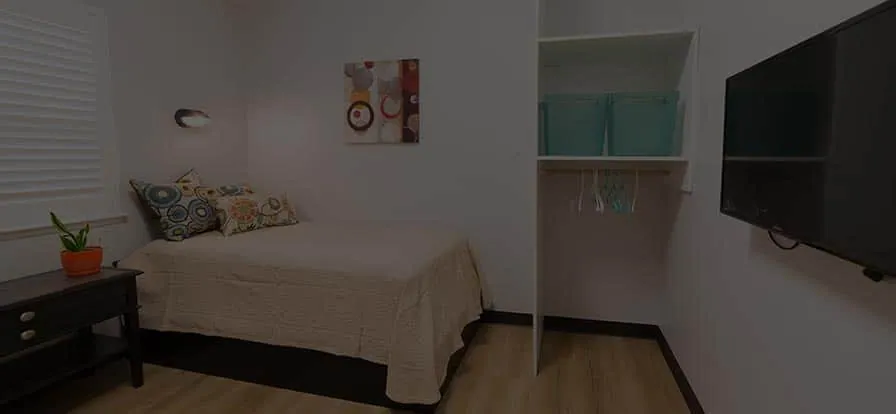 Inpatient
 Houston, TX
1019 Ashland St · 77008
- On-site labs
- 24-hour medical staff
Drug Detox Center in Houston, TX
-
 Outpatient
 San Antonio, TX
6707 W Hausman Rd · 78249
- Outpatient detox with scheduled medical visits
- Outpatient treatment
Outpatient Drug & Alcohol Detox in San Antonio
How to Taper Off Klonopin Safely
If you’re physically dependent or addicted to Klonopin and you’re trying to quit, you’ll need to taper off Klonopin because quitting cold turkey could be dangerous and put you at risk for seizures. Tapering is a wise method to use to quit benzodiazepines and it involves gradually decreasing your dosage over an extended period of time.5
If you’re still convinced that quitting cold turkey is the way to go, there are several great benefits of benzodiazepine tapering:
- It lowers your risk of experiencing adverse drug-related experiences, such as falls.
- It allows your brain and body to return to its natural processes over time without the harm that occurs when you suddenly stop using Klonopin.
- It can reduce severe withdrawal symptoms.
- It increases your alertness and energy.6
For those who are trying to quit Klonopin, tapering can give your body the time it needs to adjust to functioning without the drug. There are several different types of tapering methods, including direct tapering, substitution tapering, titration tapering, and some are more aggressive than others. However, according to the Drug Withdrawal Research Foundation, a slow taper paired with enhanced nutrition is often the most successful way to taper off Klonopin.7 This is because it gives your body the essential nutrients it needs to respond to withdrawal and minimizes uncomfortable and severe withdrawal symptoms.
If you’re wondering how to taper off Klonopin, the most effective and safest way to do so is with 24-hour medical assistance. The duration and severity of Klonopin withdrawal will depend on your individual circumstances, but a doctor can monitor your body’s response to the taper and provide additional support such as nutritional supplements, medication, and a referral for clinical care to help you manage the emotional and psychological side effects of withdrawal.
Safe Klonopin Detox and Withdrawal
Attempting to taper off Klonopin on your own can be uncomfortable, dangerous, and it’s not worth risking your life. If you’re addicted to Klonopin and you’re ready to stop, the professional and caring staff members at Briarwood Detox Center are available to help you.
Our clinical and medical teams know how to recognize the symptoms of drug withdrawal and have the necessary training and experience to safely taper you off of Klonopin. We use a personalized approach to detox treatment, allowing your individual needs to guide our treatment plan. In providing individualized care and round-the-clock monitoring, we will make sure you are safe and comfortable throughout your Austin detox program.
If you’re ready to reclaim your life from addiction, you can get started right away. We have immediate openings and accept most insurance coverage for detox. Call to speak with an admissions representative and enroll in a Klonopin detox program today.Ready to Start Your Recovery in Austin?
Briarwood Detox Center offers medically supervised detox in Austin. Explore our locations, see the facility, and verify your insurance in minutes.
See our locationsRelated Resources for Safe Detox and Withdrawal Management
Understanding how to safely taper off benzodiazepines like Klonopin is just one part of a comprehensive detox strategy. Briarwood Detox Center offers medically supervised detox programs that address the unique challenges of benzodiazepine withdrawal and other substance dependencies.
- Why Quitting Cold Turkey is Dangerous — Learn why unsupervised withdrawal from substances like benzodiazepines can be life-threatening and how medical detox provides safety.
- Why Supervised Medical Detox is Essential — Discover the critical role of 24/7 medical monitoring during withdrawal, especially for central nervous system depressants.
- What is the Worst Drug to Detox From? — Understand which substances pose the highest withdrawal risks and why professional support is non-negotiable.
- Understanding the Risks and Finding Safe Detox Solutions — Explore evidence-based approaches to withdrawal management that prioritize patient safety.
If you or a loved one is struggling with benzodiazepine dependence, don't attempt to taper alone. Call Briarwood Detox Center at (866) 710-7710 to speak with an admissions specialist about our medically supervised detox programs in Austin, Houston, San Antonio, and Colorado Springs.
Related guides


In network with most major insurance
Find your plan and see what detox would cost
Most plans cover medical detox. Coverage varies by plan, so we verify it for you before you commit to anything.










Don't see your plan? We work with out-of-network benefits and offer self-pay options — (866) 710-7710
- Confidential
- Takes about 2 minutes
- No obligation to admit
- Accredited The Joint Commission
- Rated 4.7 · 182 Google reviews Flourishing Foundations Recovery, now part of Briarwood
- Admissions 24 hours a day