
Guide
How Austin Inpatient Rehab Centers Attract and Connect with Patients
Joint Commission accredited · In network with most major insurance · Admissions answered 24 hours a day


Published November 4, 2025
Reviewed and updated July 29, 2026
Key Takeaways · 10 points
- Clinician and hospital referrals remain the most common route into residential care. Warm hand‑offs from EDs, detox, and therapists improve follow‑through.
- Insurance and employer networks funnel many patients to in‑network facilities. Check preauthorization and coverage early to avoid delays.
- Use official directories to locate licensed Austin programs quickly. Start with FindTreatment.gov and Texas HHS, then confirm details by phone.
- Local SEO and Google Maps determine which Austin centers appear for nearby searches. Accurate profiles, consistent NAP data, and location pages matter.
- Transparent reviews and outcomes help families choose with confidence. Plain‑language content and clear calls‑to‑action reduce confusion.
- Privacy rules—HIPAA and 42 CFR Part 2—strictly limit marketing use of patient data. Obtain written authorization before sharing any PHI.
- Avoid patient brokering and vague “free helplines” by verifying who funds the service. Favor licensed facilities and official resources.
- Austin offers a full continuum, so compare programs by licensure, staffing, and clinical fit—not amenities alone. Luxury features are secondary to evidence‑based care.
- Follow a simple five‑step process to start inpatient care now. Assess safety, use directories, verify coverage, ask key questions, and watch for red flags.
- Responsible programs grow ethically through referral networks, clear content, and 24/7 intake readiness. This approach supports access without cutting corners.
The main paths into inpatient addiction care
People usually enter inpatient programs through a mix of referrals and self-directed search. Below are the routes most often described in research and public resources.
Hospital and clinician referrals
Emergency departments, detox units, primary care, and therapists refer patients when residential stabilization is the safest next step. Collaboration and warm hand‑offs improve engagement.
[ map — Briarwood Drug and Alcohol Detox, 6707 W Hausman Rd, San Antonio, TX 78249 ]
Health plan and employer networks
Insurance websites and employee assistance programs list in‑network options and may require preauthorization. Medicare also details covered mental health and substance use services, guiding beneficiaries to appropriate settings.
Public directories and helplines
People locate inpatient beds through official directories such as FindTreatment.gov and state pages from Texas Health & Human Services. These tools filter by level of care, payer type, and location.
Community partners
Courts, probation, colleges, and harm‑reduction groups often connect people to care. Formal referral relationships across agencies are linked to better follow‑through
Alumni and word‑of‑mouth
Family, friends, and former patients influence choices. Many centers use alumni programs and educational events to answer questions and demystify treatment. (General practice noted across top marketing guides.)
How centers are discovered online in Austin
Below are the most common digital touchpoints for drug treatment centers in Austin and nearby communities.
Local SEO and Maps
Educational content
Providers publish plain‑language guides about levels of care, insurance basics, and family support. This content helps people compare residential vs. outpatient and understand timelines.
Paid search and social
PPC on high‑intent queries (e.g., “inpatient addiction treatment Austin”) and targeted social ads can reach people ready to speak with admissions. Programs are reminded to monitor compliance and ad transparency.
Website experience
Top resources advise clear calls‑to‑action, mobile speed, staff bios, program details, accepted insurance, and 24/7 contact options to reduce bounce and encourage safe next steps.
Reviews and third‑party validation
Review platforms and outcomes reporting influence trust. Industry discussions note the value of systematic review gathering and transparent outcomes tracking.
Official directories still matter
Alongside private listings, people rely on FindTreatment.gov and Texas HHS to find licensed residential programs in or near Austin.
Where we are
Detox centers across Texas
Three locations, each with its own admissions line and its own clinical team. Pick the one nearest you — or call and we will tell you which has a bed tonight.
-
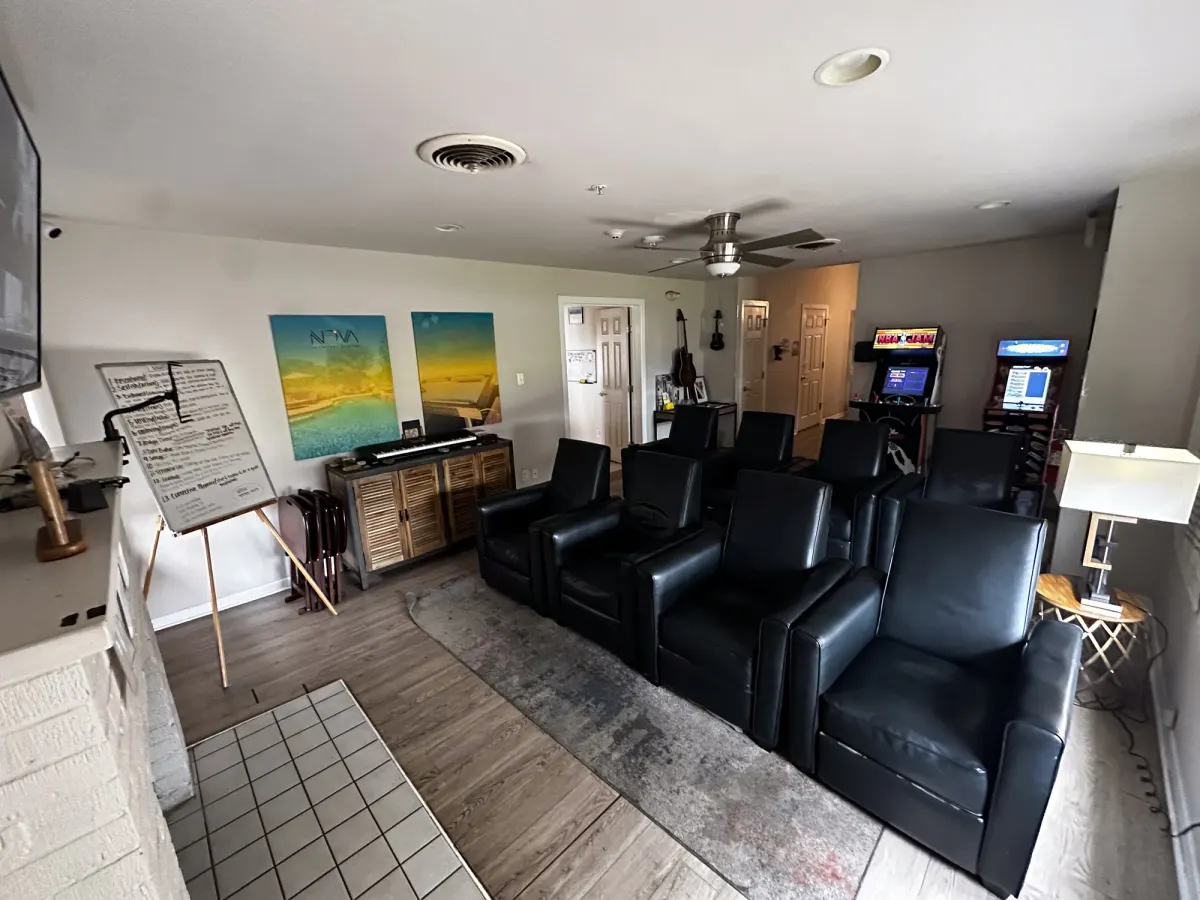 Inpatient
 Austin, TX
11711 N Lamar Blvd · 78753
- 15 beds
- On-site labs
- 24-hour medical staff
Drug & Alcohol Detox in Austin, TX
-
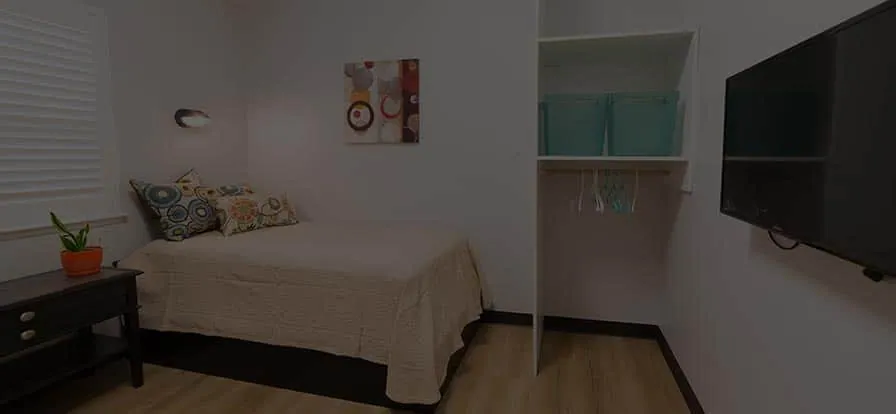 Inpatient
 Houston, TX
1019 Ashland St · 77008
- On-site labs
- 24-hour medical staff
Drug Detox Center in Houston, TX
-
 Outpatient
 San Antonio, TX
6707 W Hausman Rd · 78249
- Outpatient detox with scheduled medical visits
- Outpatient treatment
Outpatient Drug & Alcohol Detox in San Antonio
Ethics, privacy, and patient protection
HIPAA and 42 CFR Part 2
Any use of protected health information (PHI) for marketing generally needs written authorization. Substance use disorder records are further protected by 42 CFR Part 2, which restricts disclosure and redisclosure without specific consent. Austin‑area programs must align operations and marketing with these rules.
Avoiding patient brokering
Research and reporting describe harmful practices such as paid referral schemes and deceptive “free helplines.” People in crisis should favor licensed facilities and official directories, and ask who funds any referral service.
Outcome transparency
Families often ask about cost and success rates, yet many struggle to find trustworthy data. National work on quality measures and outcomes reporting aims to close that gap; centers that publish methods and follow‑up data help patients compare options.
Break Free from Addiction. Detox Safely in Austin Today.
Medically Supervised Detox – Compassionate Care Starts Here.
What this looks like in Austin
Choosing among Austin drug treatment options
Greater Austin hosts a range of addiction treatment centers Austin offers—medical detox, residential treatment centers Austin Texas, step‑down programs, and specialized services. When comparing drug treatment centers in Austin, check licensure, clinician credentials, whether they accept your insurance, and the typical length of stay. Texas HHS outlines the continuum of adult services statewide.
Luxury treatment centers
Some programs market private rooms, retreat‑style settings, and enhanced amenities. Luxury settings may also offer specialized therapies; however, quality still depends on evidence‑based care and clinical oversight, not amenities alone. (Example of a local luxury model for context.)
Using official tools first
Before calling a facility, many families start with FindTreatment.gov to filter for location, payment, and residential level of care, then confirm details on the Texas HHS site or by phone. This reduces the risk of misleading intermediaries.
Practical steps to start inpatient care in Austin
1) Define the immediate need
If there is medical risk (overdose, severe withdrawal, suicidal thoughts), call 911 or go to the nearest ER. Hospitals can coordinate placement.
2) Use official directories
Search FindTreatment.gov and Texas HHS for residential programs in or near Austin. Shortlist three to five facilities that match clinical needs and budget.
3) Verify coverage and availability
Call your insurance plan or the facility’s admissions line to confirm network status, preauthorization, verify insurance benefits and bed availability.
4) Ask key questions
Ask about medical staffing, daily schedule, family involvement, discharge planning, and aftercare. Request written policies on privacy, grievances, and relapse planning.
5) Watch for red flags
Avoid services that refuse to disclose licensure, push immediate travel without assessment, or cannot explain costs. Be wary of “free helplines” that will not say who pays them.
Break Free from Addiction. Detox Safely in Austin Today.
Medically Supervised Detox – Compassionate Care Starts Here.
How centers themselves build patient flow (without cutting corners)
Community and clinical referral networks
Centers maintain active relationships with hospitals, clinics, therapists, and community groups to support warm hand‑offs and continuity of care.
Responsible digital outreach
Programs improve findability with clear local pages (e.g., “substance abuse treatment Austin TX”), informative guides, and compliant ads—paired with transparent outcomes and consented testimonials.
Intake readiness
Admissions teams staff phones and secure chats 24/7, offer same‑day assessments when safe, and coordinate transportation while following HIPAA/Part 2 rules.
How Briarwood Detox Homes Supports Inpatient Addiction Treatment in Austin
Briarwood Detox Homes helps Austin residents begin inpatient addiction treatment with a safe, supervised detox and clear guidance. An initial assessment identifies substance use history, health needs, and the right level of care. Onsite monitoring can support comfort, reduce withdrawal risks, and prepare you for residential treatment. The admissions team can verify insurance benefits, explain costs, and coordinate timelines. When you are ready, staff arrange referrals to inpatient programs across Austin and Central Texas. They can share transportation options, packing lists, and what to expect on day one. Family members can receive updates and practical tips for support. After discharge, you can get help connecting to step‑down services and local resources. With local knowledge, responsive admissions, and respectful care, Briarwood Detox Homes is a reliable starting point for inpatient addiction treatment in Austin.
Verify Your Insurance Instantly
Don’t guess. Know what’s covered. Click below to verify your insurance coverage with 100% confidentiality and zero obligation.
This content is for educational purposes only and is not a substitute for professional medical advice, diagnosis, or treatment. Always talk with a licensed healthcare professional about your specific situation. Prescription medications—including antidepressants and antipsychotics—should be used only under the guidance of a qualified clinician. Do not start, stop, or change any medication without first consulting your doctor. Reading this page does not create a patient–provider relationship and should not be used to make emergency decisions. If you are having a medical emergency, severe side effects, worsening symptoms, or thoughts of harming yourself or others, call 911 in the United States or go to the nearest emergency department. For confidential support with suicidal thoughts or a mental health crisis, call or text 988 to reach the Suicide & Crisis Lifeline (available 24/7). If you are outside the U.S., contact your local emergency number or crisis service.
Finding Inpatient Rehab Centers
[ map — Briarwood Alcohol and Drug Detox - Austin, TX ]
Inpatient Rehab Center in Austin
[ map — Briarwood san antonio ]
San Antonio Inpatient Rehab Centers
[ map — Briarwood Houston ]
Inpatient Rehab Centers in Houston
Frequently Asked Questions: Inpatient Addiction Treatment in Austin
What is the difference between inpatient and outpatient rehab?+–
Inpatient (residential) care provides 24/7 structured treatment and housing; outpatient lets you live at home and attend scheduled sessions. The right level depends on clinical need, safety, and support at home.
How long does inpatient addiction treatment usually last?+–
Length varies by person and program. Research shows staying in treatment for a sufficient period—often at least 3 months across levels of care—is linked to better outcomes. Some residential stays are shorter, followed by step‑down care.
Do I need detox before inpatient treatment?+–
If withdrawal risks are significant (e.g., alcohol, benzodiazepines, opioids), medically supervised withdrawal management (detox) may be recommended before or at admission. A clinical assessment determines this.
Does insurance cover inpatient addiction treatment?+–
Marketplace plans must cover mental health and substance use disorder services, including inpatient care, as essential health benefits. Coverage details and prior authorization rules vary by plan.
Where can I find licensed residential programs in Austin?+–
Start with the federal FindTreatment.gov locator and the Texas Health & Human Services (HHS) pages. Texas OSAR programs can also help with screening and referrals.
How do I choose the right drug treatment center in Austin?+–
Confirm licensure, clinical services, staffing, and aftercare planning. Consider location, costs/coverage, specialty tracks, and family involvement. OSAR can guide choices and referrals.
Are there free or low‑cost inpatient options in Austin?+–
Yes. Depending on eligibility, state‑funded providers and Medicaid‑participating programs may be available. OSAR can connect you, and Medicaid outlines covered behavioral health benefits.
Can I use Medicare or Medicaid for inpatient care?+–
Medicare covers certain mental health and substance use services, and Medicaid provides behavioral health benefits (scope varies by state). Verify specifics with your plan.
What happens during inpatient addiction treatment?+–
Expect a structured schedule with medical care as needed, individual and group therapy, skills training, and discharge planning with step‑down support. Evidence‑based approaches are typical.
Can family be involved in treatment?+–
Family participation is common and can improve outcomes when incorporated into evidence‑based care and discharge planning. Ask programs how they include families.
Are luxury treatment centers more effective than standard programs?+–
Amenities can improve comfort, but outcomes depend on evidence‑based care, qualified staff, and continuity after discharge—not on luxury features alone.
What is a “warm handoff,” and why does it matter?+–
A warm handoff is a person‑to‑person transfer between providers (e.g., hospital to rehab) done in front of the patient. It improves continuity and engagement with the next level of care.
Who can I call for help right now?+–
For treatment referrals and information, contact SAMHSA’s National Helpline at 1‑800‑662‑HELP (4357)—free and confidential, 24/7. For emergencies, call 911.
Related guides



In network with most major insurance
Find your plan and see what detox would cost
Most plans cover medical detox. Coverage varies by plan, so we verify it for you before you commit to anything.















Don't see your plan? We work with out-of-network benefits and offer self-pay options — (866) 710-7710
- Confidential
- Takes about 2 minutes
- No obligation to admit
- Accredited The Joint Commission
- Rated 4.5 · 94 Google reviews
- Admissions 24 hours a day