
Guide
Medical Detox vs. Outpatient Treatment for Alcohol Withdrawal in Austin: How to Know Which You Need
Joint Commission accredited · In network with most major insurance · Admissions answered 24 hours a day


Published April 19, 2026
Reviewed and updated July 29, 2026
Why Alcohol Withdrawal Is Different From Other Substances
Most people are surprised to learn that alcohol withdrawal can be medically dangerous — sometimes more so than withdrawal from drugs like heroin or methamphetamine. When the body has become physically dependent on alcohol over months or years, suddenly stopping can trigger a cascade of neurological reactions. That’s because alcohol suppresses the central nervous system, and the brain compensates by becoming hyperactive. When alcohol is removed, the brain’s hyperactivity can spiral out of control. Symptoms of alcohol withdrawal typically begin within 6 to 24 hours after the last drink and can include:
- Tremors or shaking hands
- Sweating and elevated heart rate
- Nausea and vomiting
- Anxiety, restlessness, and irritability
- Insomnia
- Hallucinations (visual, auditory, or tactile)
- Seizures
- Delirium tremens (DTs) — a severe complication involving confusion, fever, and dangerous vital sign instability
The most severe symptoms — seizures and delirium tremens — can be fatal without proper medical supervision. This is why understanding whether you need medical detox or outpatient support is a decision best made with clinical guidance.
What Is Medical Detox for Alcohol Withdrawal?
Signs That You Need Medical Detox — Not Outpatient Treatment
While outpatient detox can be appropriate for some people, alcohol withdrawal is one area where erring on the side of caution truly matters. Here are the key indicators that medical detox is the right — and safest — choice:
- Heavy, long-term alcohol use: If you’ve been drinking heavily (more than 8 drinks per day, or consistently drinking throughout the day) for months or years, your risk of severe withdrawal is significantly higher.
- Previous withdrawal seizures or DTs: If you’ve ever had a seizure or experienced delirium tremens during a previous attempt to stop drinking, you are at high risk of experiencing them again. Medical detox is essential.
- Failed previous attempts to quit on your own: If you’ve tried to stop drinking before and couldn’t get past the first few days without severe symptoms, that’s a sign your body is heavily dependent and needs clinical support.
- Co-occurring medical conditions: Heart disease, liver disease, diabetes, or other serious health conditions can make alcohol withdrawal much more complicated and dangerous.
- Co-occurring mental health disorders: Anxiety, depression, PTSD, or other mental health challenges can intensify withdrawal symptoms and increase the risk of crisis. Learn more about how Briarwood addresses this through our dual diagnosis support during detox.
- No stable home environment: If you don’t have a safe, supportive place to recover, or if triggers and access to alcohol are present at home, outpatient detox carries added risk.
- Current withdrawal symptoms: If you are already experiencing tremors, elevated heart rate, sweating, or anxiety when you haven’t had a drink in several hours, you should seek medical evaluation immediately. Do not attempt to detox alone.
Where we are
Detox centers across Texas
Three locations, each with its own admissions line and its own clinical team. Pick the one nearest you — or call and we will tell you which has a bed tonight.
-
 Inpatient
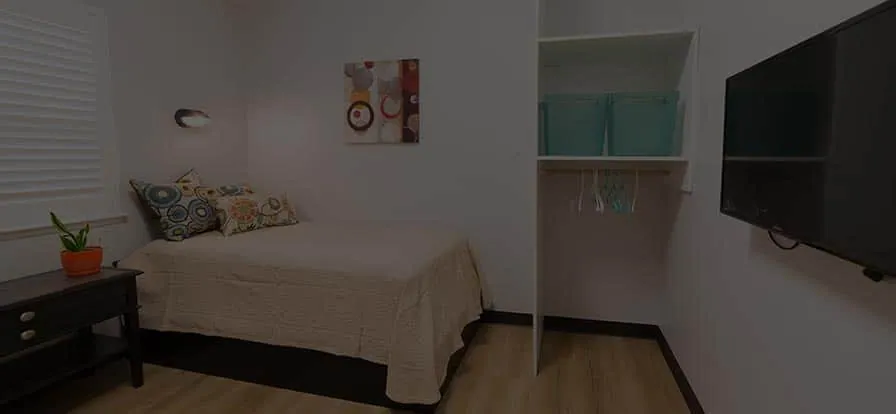
 Austin, TX
11711 N Lamar Blvd · 78753
- 15 beds
- On-site labs
- 24-hour medical staff
Drug & Alcohol Detox in Austin, TX
-
 Inpatient
 Houston, TX
1019 Ashland St · 77008
- On-site labs
- 24-hour medical staff
Drug Detox Center in Houston, TX
-
 Outpatient
 San Antonio, TX
6707 W Hausman Rd · 78249
- Outpatient detox with scheduled medical visits
- Outpatient treatment
Outpatient Drug & Alcohol Detox in San Antonio
When Outpatient Detox May Be Appropriate for Alcohol Withdrawal in Austin
Outpatient detox — sometimes called ambulatory detox — involves daily or frequent check-ins with a healthcare provider while you continue living at home. It may be a fit for some people experiencing mild-to-moderate alcohol withdrawal, but it’s critical to be honest about your situation. Outpatient detox may be considered if:
- You have a shorter history of alcohol use and relatively lower daily consumption
- You have no history of withdrawal seizures, hallucinations, or DTs
- You have a stable, safe, and supportive home environment with someone who can monitor you
- You have no serious co-occurring medical or mental health conditions
- You are medically assessed by a professional who confirms low-to-moderate withdrawal risk
The Danger of Trying to Quit Alcohol Cold Turkey at Home
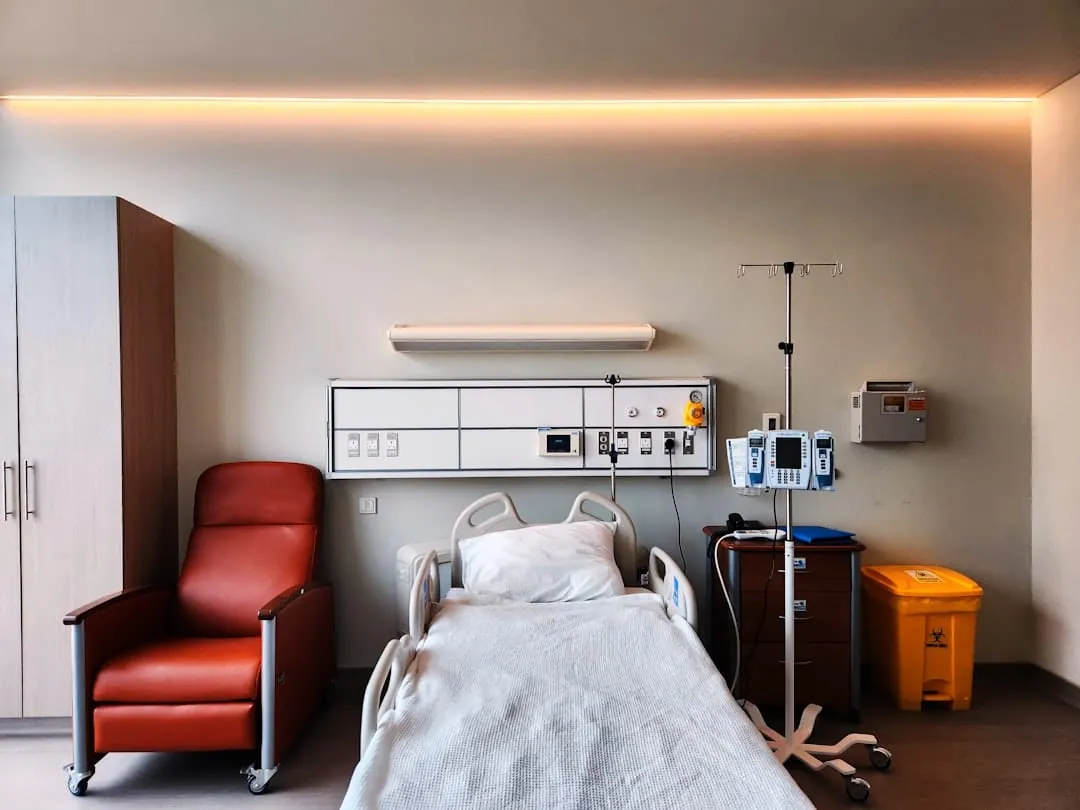
What to Expect at a Medical Detox Center in Austin
If you or a loved one enters medical detox at Briarwood Detox Center in Austin, here’s what the process generally looks like:
- Intake and Assessment: A clinical team will review your medical history, drinking history, current symptoms, and any co-occurring conditions. This helps determine your level of withdrawal risk and the appropriate medication protocol.
- Medical Stabilization: You’ll receive medications to manage withdrawal symptoms safely, along with hydration, nutritional support, and monitoring of vital signs. This is when you’ll start to feel more stable and comfortable.
- Ongoing Monitoring: Nursing staff will check on you regularly throughout the day and night using clinical assessment tools. Medications are adjusted based on how you’re feeling and what your symptoms indicate.
- Therapeutic Support: Even during detox, many facilities offer group sessions, individual check-ins, and holistic support to begin addressing the emotional and psychological aspects of recovery. At Briarwood, you can learn more about the therapies and holistic support available during detox.
- Discharge Planning: As you near the end of detox, the clinical team works with you to plan next steps — whether that’s a residential program, an intensive outpatient program (IOP), or another level of care. Read more about your options on our aftercare and continuing treatment options page.
How Briarwood Detox Center Helps Austin Residents Through Alcohol Withdrawal
Briarwood Detox Center is one of Austin’s leading options for medically supervised alcohol and drug detox. Located in the Austin area and serving clients from across Central Texas, Briarwood offers a compassionate, clinically rigorous environment where you don’t have to white-knuckle your way through withdrawal alone. The team at Briarwood understands that reaching out for help takes courage. They meet every client where they are — without judgment — and build an individualized detox plan based on your specific history, health, and goals. Whether your path includes inpatient medical detox for alcohol or a structured program that transitions to outpatient support, they can help you navigate the next step. Briarwood also works with many major insurance plans, making it easier to access care without the financial stress of figuring it out alone. You can explore your options for drug and alcohol detox in Austin or call the admissions team directly to ask about your coverage.
Taking the First Step Toward Safe Alcohol Detox in Austin
Frequently Asked Questions
How do I know if I need medical detox or outpatient treatment for alcohol withdrawal?+–
The decision between medical detox vs. outpatient treatment for alcohol withdrawal in Austin depends on the severity of your dependence and your withdrawal history. If you drink heavily every day, have a history of seizures or delirium tremens, or have previously required medical supervision to detox, medical detox is likely the safer choice. A clinical assessment is the best way to determine the appropriate level of care.
Can alcohol withdrawal be life-threatening?+–
Yes, alcohol withdrawal is one of the few substance withdrawal processes that can become medically dangerous or even fatal. When the body is physically dependent on alcohol, suddenly stopping can trigger severe neurological reactions, including seizures and delirium tremens (DTs). DTs can cause dangerous vital sign instability, confusion, and fever — all of which require immediate medical attention.
What medications are used during alcohol medical detox?+–
During medical detox for alcohol withdrawal, physicians commonly use benzodiazepines such as Librium or Ativan to reduce the risk of seizures. Patients also receive supportive medications for blood pressure, nausea, and sleep, along with vitamins like thiamine to prevent neurological damage. These medications are administered and monitored by licensed medical staff to keep the process as safe and comfortable as possible.
How long does alcohol medical detox typically last?+–
Alcohol medical detox typically lasts between 5 and 10 days, depending on your history with alcohol and how your body responds to withdrawal. Clinical staff use tools like the CIWA-Ar scale to monitor symptom severity and adjust treatment accordingly throughout the process.
When do symptoms of alcohol withdrawal usually start?+–
Symptoms of alcohol withdrawal typically begin within 6 to 24 hours after the last drink. Early symptoms can include tremors, sweating, elevated heart rate, nausea, and anxiety, while more severe complications like hallucinations, seizures, and delirium tremens can develop later. Because symptoms can escalate quickly, it is important to seek medical guidance as soon as possible.
Is outpatient treatment ever appropriate for alcohol withdrawal?+–
Outpatient treatment may be appropriate for individuals with mild alcohol dependence, no history of severe withdrawal complications, and a stable home environment with strong support. However, for those with a significant history of heavy drinking or prior withdrawal complications, medical detox vs. outpatient treatment for alcohol withdrawal in Austin should be carefully evaluated with a clinical professional. Choosing the wrong level of care can put your health and safety at serious risk. Ready to Start Your Recovery in Austin? If you or someone you love needs more than detox, Briarwood Detox Center also provides austin tx drug rehab . Briarwood Detox Center’s alcohol detox program provides medically supervised, evidence-based care. Does your insurance cover detox in Austin? Find out in about 2 minutes — free, confidential, no obligation. Verify Insurance Briarwood Detox Center offers medically supervised detox in Austin. Explore our locations, see the facility, and verify your insurance in minutes. Ready to talk to someone now? Briarwood Detox Center's admissions team is here 24/7, and every call is confidential. Call (866) 710-7710 . See our locations
Related guides

In network with most major insurance
Find your plan and see what detox would cost
Most plans cover medical detox. Coverage varies by plan, so we verify it for you before you commit to anything.

















Don't see your plan? We work with out-of-network benefits and offer self-pay options — (866) 710-7710
- Confidential
- Takes about 2 minutes
- No obligation to admit

- Accredited The Joint Commission
- Rated 4.5 · 94 Google reviews
- Admissions 24 hours a day