
Guide
Medical Detox vs. Residential Rehab in Austin, Texas: What's the Difference?
Joint Commission accredited · In network with most major insurance · Admissions answered 24 hours a day


Published May 17, 2026
Reviewed and updated July 29, 2026
What Is Medical Detox in Austin?
Medical detox is typically the first phase of addiction treatment. When your body has become physically dependent on a substance — whether that's alcohol, opioids, benzodiazepines, or other drugs — stopping suddenly can trigger withdrawal symptoms that range from uncomfortable to life-threatening. Medical detox provides a structured, supervised environment where clinicians monitor your health around the clock and intervene when necessary. At a facility offering medical detox in Austin, you can expect:
- 24/7 medical monitoring by nurses, physicians, and addiction specialists
- Medication-assisted treatment (MAT) to ease withdrawal symptoms and reduce cravings
- Vital sign tracking and lab work to catch complications early
- Emotional support to help you get through the hardest days
- Safety and stability as the primary goal before any deeper therapeutic work begins
What Is a Residential Rehab Program?
Residential rehab — also called inpatient rehab — is what comes after detox. Once your body has been cleared of substances and your physical health is stabilized, the real work of recovery begins. A residential rehab program provides a structured, live-in treatment environment where you spend weeks or months focusing entirely on healing. Residential rehab programs in Austin typically include:
- Individual therapy (CBT, DBT, trauma-informed care, and other evidence-based approaches)
- Group therapy and peer support sessions
- Family counseling to repair relationships and build a support system
- 12-step or alternative recovery program participation
- Life skills training (stress management, communication, relapse prevention)
- Holistic therapies like yoga, mindfulness, art therapy, and fitness
- Dual diagnosis treatment for co-occurring mental health conditions like depression or anxiety
Key Differences Between Medical Detox and Residential Rehab
| Feature | Medical Detox | Residential Rehab |
|---|---|---|
| Primary Goal | Physical stabilization and safe withdrawal | Psychological healing and relapse prevention |
| Typical Duration | 3–10 days | 30–90+ days |
| Medical Staff | 24/7 medical supervision | Clinical staff, therapists, counselors |
| Therapy Focus | Minimal — comfort and stabilization | Intensive individual and group therapy |
| Medications Used | Withdrawal management medications (MAT) | Ongoing MAT if needed, psychiatric medications |
| When It Happens | First step in treatment | Follows detox |
Where we are
Detox centers across Texas
Three locations, each with its own admissions line and its own clinical team. Pick the one nearest you — or call and we will tell you which has a bed tonight.
-
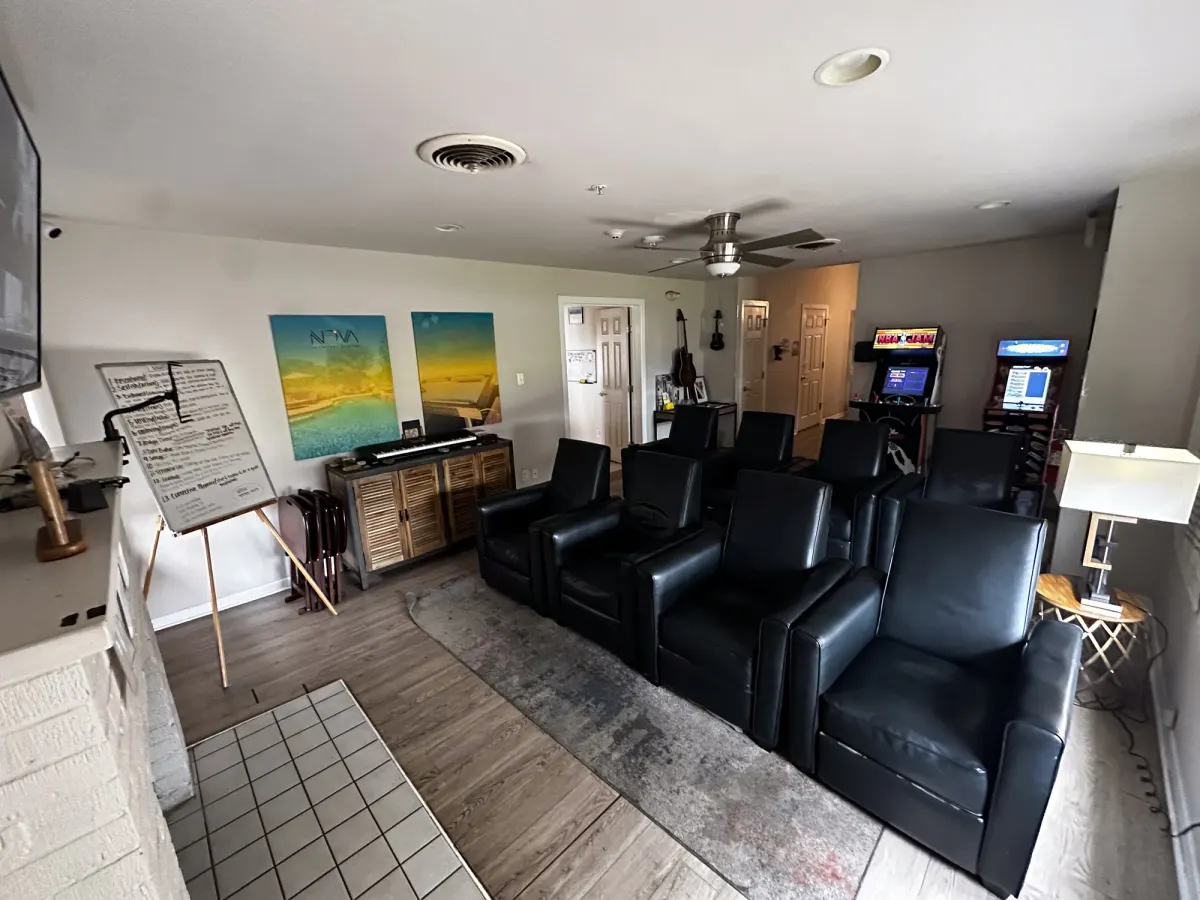 Inpatient
 Austin, TX
11711 N Lamar Blvd · 78753
- 15 beds
- On-site labs
- 24-hour medical staff
Drug & Alcohol Detox in Austin, TX
-
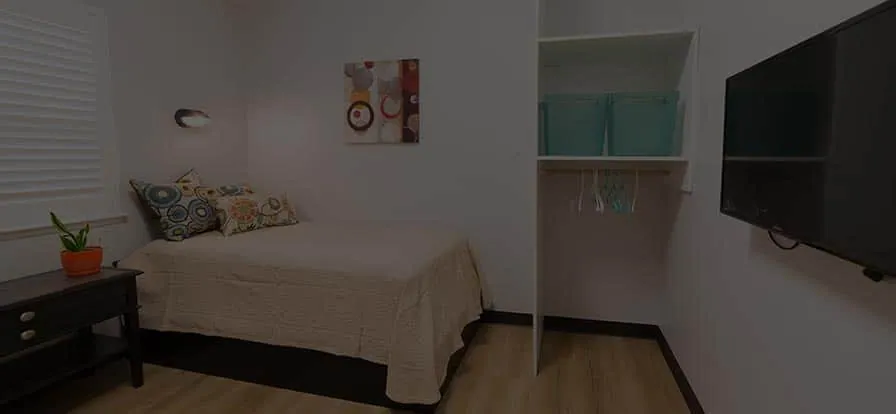 Inpatient
 Houston, TX
1019 Ashland St · 77008
- On-site labs
- 24-hour medical staff
Drug Detox Center in Houston, TX
-
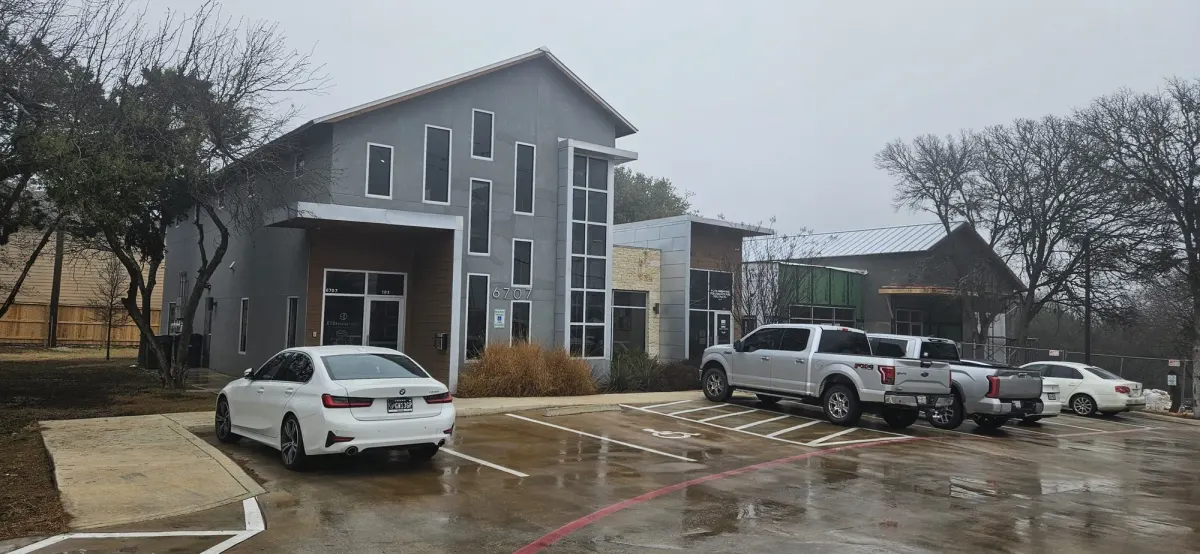 Outpatient
 San Antonio, TX
6707 W Hausman Rd · 78249
- Outpatient detox with scheduled medical visits
- Outpatient treatment
Outpatient Drug & Alcohol Detox in San Antonio
Do You Need Both Detox and Rehab?
In most cases — yes. Think of medical detox as clearing the runway and residential rehab as the actual flight toward long-term recovery. Detox without follow-up treatment is like treating a wound without addressing the underlying infection: you may feel better temporarily, but the root cause remains unresolved. That said, not everyone requires a full residential program. Some individuals transition from detox into an Intensive Outpatient Program (IOP) or Partial Hospitalization Program (PHP) — especially if they have strong social support at home, stable housing, and lower relapse risk. The right level of care depends on your:
- History of substance use and previous treatment attempts
- Co-occurring mental health conditions (dual diagnosis)
- Home environment and support system
- Type of substance and severity of dependence
- Motivation and readiness for change
What Happens After Detox at Briarwood in Austin?
- Referrals to trusted residential rehab programs in Austin and across Texas
- Insurance verification and coverage guidance
- Coordination with therapists and outpatient providers
- Family education and involvement in the care process
How Do Holistic and Therapy-Based Supports Fit In?
- Cognitive Behavioral Therapy (CBT) — identifying and changing negative thought patterns
- Trauma-informed care — addressing the root experiences that often fuel addiction
- Mindfulness and meditation — building emotional regulation skills
- Group therapy — the healing power of shared experience and peer accountability
- Family therapy — rebuilding trust and communication with loved ones
These therapies aren't just add-ons — they're the core of why residential rehab works for so many people. Addiction rewires the brain, and consistent, structured therapy is one of the most evidence-based ways to begin rewiring it back toward health.
Taking the First Step Toward Recovery in Austin
Frequently Asked Questions
What is the difference between medical detox and inpatient rehab in Austin, Texas?+–
Medical detox focuses on safely managing the physical symptoms of withdrawal under 24/7 medical supervision, typically lasting 3–10 days. Inpatient or residential rehab comes after detox and focuses on the behavioral, emotional, and psychological aspects of addiction recovery through therapy, counseling, and life skills development over 30–90 days or more. Both are important parts of a complete addiction treatment plan.
Can you go directly to residential rehab without doing detox first?+–
In some cases, yes — particularly if someone is not physically dependent on a substance. However, for people with alcohol, opioid, or benzodiazepine dependence, attempting to skip detox can be medically dangerous. Most residential rehab programs will require that clients be medically stable and free from active withdrawal symptoms before beginning the program, which is why completing a supervised medical detox first is strongly recommended.
How long does medical detox take in Austin?+–
The length of medical detox varies based on the substance used, the severity of dependence, and the individual's overall health. Most people complete medical detox in 3 to 7 days, though some cases — particularly with alcohol or benzodiazepines — may take up to 10 days or longer. Your treatment team will assess your progress daily and determine when you're ready to move to the next level of care.
Is medical detox covered by insurance in Texas?+–
Many insurance plans, including those under the Affordable Care Act, are required to cover substance use disorder treatment including medical detox. Coverage levels vary by plan and provider, but Briarwood Detox Center works with many major insurance carriers and can verify your benefits before you begin treatment. Call (866) 710-7710 to get a free insurance verification today.
What happens after medical detox — do I need to go to rehab?+–
Completing medical detox is an important first step, but it addresses only the physical component of addiction. Without follow-up treatment such as residential rehab, an intensive outpatient program (IOP), or ongoing therapy, the risk of relapse remains high. Most addiction specialists recommend transitioning directly from detox into a structured treatment program to address the underlying causes of addiction and build lasting coping skills.
How do I choose between detox and residential rehab in Austin?+–
You likely don't have to choose — most people need both, in sequence. Start with a medical detox program if you're physically dependent on a substance, then transition into residential rehab or another appropriate level of outpatient care. An experienced admissions counselor at a facility like Briarwood Detox Center can conduct an assessment and help determine the right level of care based on your substance use history, mental health, and personal circumstances. Call Now: (866) 710-7710 Ready to Start Your Recovery in Austin? If you or someone you love needs more than detox, Briarwood Detox Center also provides austin tx drug rehab . Does your insurance cover detox in Austin? Find out in about 2 minutes — free, confidential, no obligation. Verify Insurance Briarwood Detox Center offers medically supervised detox in Austin. Explore our locations, see the facility, and verify your insurance in minutes. Ready to talk to someone now? Briarwood Detox Center's admissions team is here 24/7, and every call is confidential. Call (866) 710-7710 . See our locations
Related guides


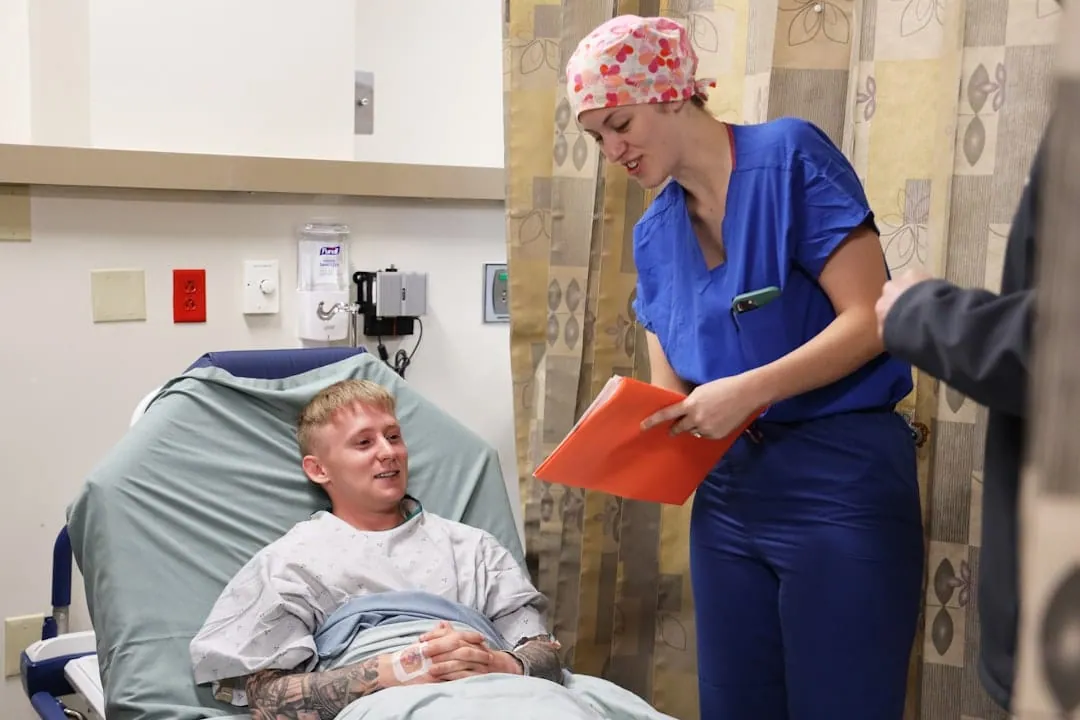
In network with most major insurance
Find your plan and see what detox would cost
Most plans cover medical detox. Coverage varies by plan, so we verify it for you before you commit to anything.

















Don't see your plan? We work with out-of-network benefits and offer self-pay options — (866) 710-7710
- Confidential
- Takes about 2 minutes
- No obligation to admit

- Accredited The Joint Commission
- Rated 4.5 · 94 Google reviews
- Admissions 24 hours a day