
Guide
Men’s Rehab Programs That Work: Evidence-Based Care, Real-World Recovery
Joint Commission accredited · In network with most major insurance · Admissions answered 24 hours a day


Published October 10, 2025
Reviewed and updated July 29, 2026
Men often delay asking for help due to stigma around vulnerability, “go-it-alone” beliefs, and pressure to perform at work and in relationships. These factors can translate into higher relapse risk, anger or shame in early recovery, and a tendency to minimize mental-health symptoms. Men’s rehab creates a space to unpack these pressures with peers who share similar experiences, while providing clinical structure that addresses substance use and co-occurring issues head-on. The phrase men's rehab here refers to programs intentionally designed around these male-specific barriers and strengths.
Core goals of a men’s track
Normalize help-seeking and emotional literacy.
Address anger, shame, and relationship patterns safely.
Treat co-occurring disorders (depression, anxiety, PTSD).
Build relapse-prevention skills tied to work, family, and social life.
Strengthen community (alumni, peer groups, mentors).
Levels of Care (and Who They Fit)
1) Medical Detox+–
What it is: Medically supervised withdrawal with 24/7 monitoring and comfort-focused protocols.Best for: Moderate-to-severe alcohol, benzo, or opioid dependence; history of complicated withdrawal; polydrug use; significant medical/psychiatric comorbidity.Length: Typically 3–10 days, depending on substances.Pro tip: Choose facilities that can bridge directly into inpatient or residential care to avoid the “detox-and-done” trap.
2) Inpatient / Residential Rehab (30/60/90 days)+–
What it is: Live-in treatment with daily groups, individual therapy, psychiatric support, and structured schedules.Best for: High relapse risk, unstable home environment, or when step-down care is planned.Length: 28–35 days (or longer), with 60–90 days outperforming shorter stays for many men who need more time to stabilize.
3) Partial Hospitalization (PHP) & Intensive Outpatient (IOP)+–
What it is: Daytime therapy multiple days per week (PHP) or evenings/mornings (IOP) while living at home or in sober housing.Best for: Men with work/family obligations, lower acute risk, or as a step-down from residential.Why men benefit: Keeps career and parenting roles intact while building a sober routine—an important motivator for many men.
4) Outpatient & Continuing Care+–
What it is: Weekly therapy, medication management, peer groups, and alumni meetings.Best for: Maintenance, relapse prevention, and ongoing mental-health support after higher levels of care.
5) Sober Living / Recovery Housing (men-only)+–
What it is: Structured housing with curfews, testing, meetings, and peer accountability.When to use: After detox/inpatient/PHP/IOP to extend structure 3–12 months. Many men credit the camaraderie and routine with long-term stability.
Break Free from Addiction. Detox Safely in Austin Today.
Medically Supervised Detox – Compassionate Care Starts Here.
Evidence-Based Therapies You’ll Actually Use
CBT (Cognitive Behavioral Therapy): Rewires thinking traps and high-risk responses.
DBT (Dialectical Behavior Therapy): Teaches distress tolerance and emotional regulation—key for anger and impulse control.
MI (Motivational Interviewing): Strengthens internal motivation without shame or confrontation.
Trauma-Focused Modalities: EMDR, CPT, or somatic approaches for trauma that men often underreport.
Medication-Assisted Treatment (MAT): Buprenorphine, methadone, or naltrexone for OUD; acamprosate, naltrexone, or disulfiram for AUD—paired with counseling for best outcomes.
Break Free from Addiction. Detox Safely in Austin Today.
Medically Supervised Detox – Compassionate Care Starts Here.
What “Men’s-Specific” Programming Looks Like
Men-only groups: Easier disclosure around shame, sex/relationship issues, fatherhood, career stress, and identity.
Targeted psychoeducation: Anger management, boundaries, healthy masculinity, and communication skills.
Peer mentorship: Alumni and sponsors who model vulnerability and consistent action.
Fitness/nutrition: Rebuilding physical health and sleep—often a major lever for men returning to work.
Where we are
Detox centers across Texas
Three locations, each with its own admissions line and its own clinical team. Pick the one nearest you — or call and we will tell you which has a bed tonight.
-
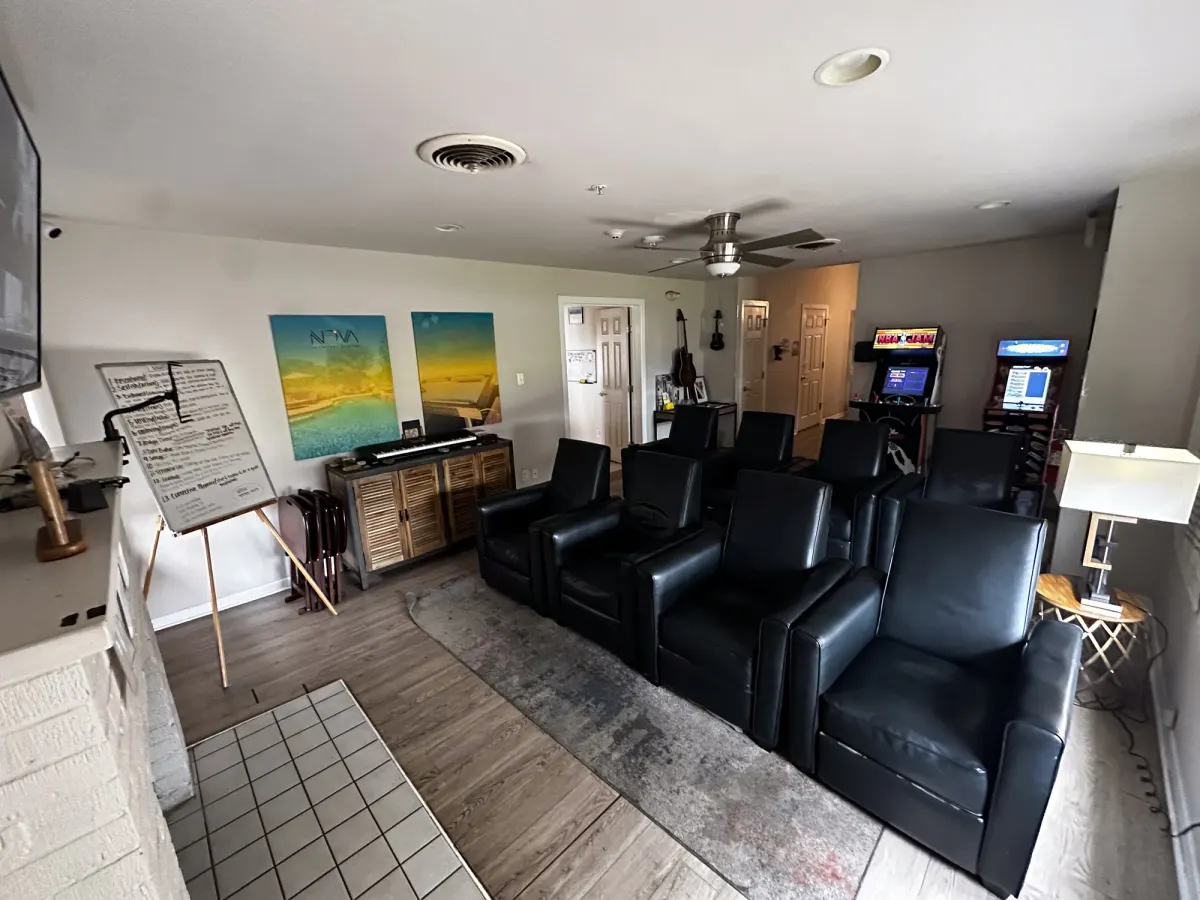 Inpatient
 Austin, TX
11711 N Lamar Blvd · 78753
- 15 beds
- On-site labs
- 24-hour medical staff
Drug & Alcohol Detox in Austin, TX
-
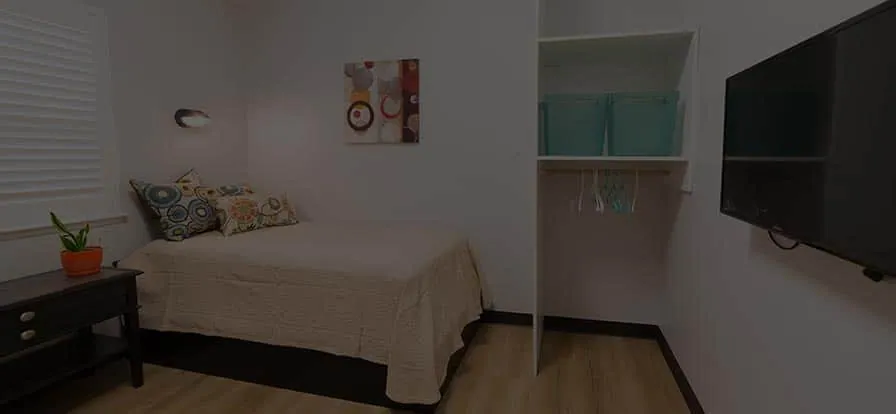 Inpatient
 Houston, TX
1019 Ashland St · 77008
- On-site labs
- 24-hour medical staff
Drug Detox Center in Houston, TX
-
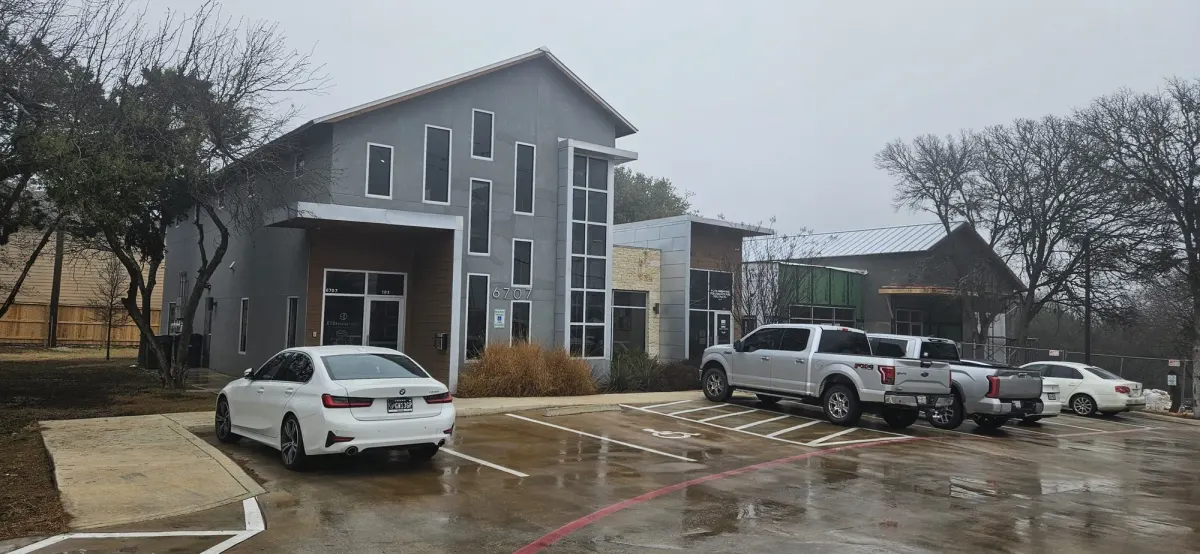 Outpatient
 San Antonio, TX
6707 W Hausman Rd · 78249
- Outpatient detox with scheduled medical visits
- Outpatient treatment
Outpatient Drug & Alcohol Detox in San Antonio
Cost, Insurance & Free Options
Costs vary widely by level of care, location, amenities, and insurance. Some programs are free or state-funded; others cost thousands per week. Expect higher costs for inpatient/residential and medically managed detox; outpatient and IOP are generally more affordable.
Paying for care
Insurance: Verify benefits for SUD/mental health parity and in-network facilities.
FMLA/Job protection: Many patients use protected medical leave to enter treatment.
Free/State-funded: Explore public programs when uninsured or low-income.
Quick actions today
Check coverage and in-network options.
Ask providers for a Good Faith Estimate.
Confirm medication policies (e.g., MAT), visitation, and aftercare support.
Break Free from Addiction. Detox Safely in Austin Today.
Medically Supervised Detox – Compassionate Care Starts Here.
Quality Checklist: 10 Questions to Ask Any Men’s Rehab
Use these before you commit:
What evidence-based therapies do you deliver (CBT/DBT/MI/trauma work)?
Are you accredited (Joint Commission or CARF)? Show proof.
How do you handle co-occurring disorders (on-site psychiatry, medication management)?
Do you support MAT? Which medications are available and who prescribes?
What’s your staff-to-patient ratio and supervision level?
How do you involve family (with consent) and define healthy boundaries?
What are your outcomes measures and how are they tracked?
Is there a structured aftercare/alumni program (12 months+)?
What are the rules around phones, work, and passes (especially for IOP/PHP)?
How do you coordinate step-down transitions (detox → residential → IOP → outpatient) and sober living?
Red Flags (Walk Away If…)
“One-size-fits-all” programming with little individual therapy.
No accreditation or licenses available on request.
No plan for co-occurring disorders or medication management.
Guaranteed “cures,” aggressive sales tactics, or vague pricing.
No clear discharge or relapse-prevention plan.
How Aftercare Keeps Men Sober
After a structured episode of care, men do best with layered supports: weekly therapy, peer groups, alumni activities, recovery housing when needed, and a written relapse-prevention plan tied to a real schedule (workouts, meetings, family time, sleep hygiene, and trigger-proof routines). Programs that maintain contact (texts, check-ins, alumni events) tend to show better engagement and lower relapse.
Step-by-Step: Start Today
Assess urgency: If there’s risk of withdrawal complications or self-harm, call 911; for treatment navigation, SAMHSA’s helpline is 1-800-662-HELP.
Find options: Use FindTreatment.gov to filter by level of care, location, and payment type.
Verify benefits: Call your insurer and request in-network SUD providers.
Interview programs: Use the 10-Question checklist above.
Plan continuity: Line up step-down care and (if helpful) men-only sober living.
Men’s Rehab: Answers to the Most-Asked Questions
What is a men’s rehab program?+–
A men’s rehab program delivers substance-use and mental-health treatment in a men-only milieu with therapies tailored to common male barriers (shame, anger, work/relationship stress), plus peer groups that improve disclosure and support.
Do men’s rehabs treat mental health too?+–
Yes. Quality programs screen and treat co-occurring disorders (depression, anxiety, PTSD) with therapy and medication management as needed.
How long is men’s rehab—30, 60, or 90 days?+–
Detox often takes 3–10 days; residential commonly runs 30–90 days. Many men step down to PHP/IOP for several weeks before outpatient and aftercare.
What therapies work best for men?+–
CBT, DBT, MI, and trauma-focused therapies help men with emotional regulation, motivation, and processing trauma; peer groups and alumni mentorship add accountability.
Is MAT available in men’s rehab?+–
Yes—many programs offer MAT (e.g., buprenorphine or naltrexone for OUD; naltrexone or acamprosate for AUD) alongside counseling. Ask how medications are prescribed and monitored.
How much does men’s rehab cost?+–
Costs vary by level (detox/residential vs. IOP/outpatient), location, and amenities; insurance often offsets costs. Some programs are free or state-funded.
How do I choose a high-quality program?+–
Look for accreditation (Joint Commission/CARF), licensed clinicians, evidence-based care, MAT support, family involvement, outcomes tracking, and structured aftercare.
Can I keep my job while in rehab?+–
Yes—many men use IOP/PHP schedules and may qualify for FMLA or short-term disability. Confirm with HR and your provider.
Are there free or low-cost men’s rehabs?+–
Yes—state-funded and nonprofit programs exist; start with FindTreatment.gov and local helplines.
How do family and relationships fit into men’s rehab?+–
Healthy boundary-setting, communication skills, and optional family sessions are common; programs should balance support with patient privacy (HIPAA).
Related guides


In network with most major insurance
Find your plan and see what detox would cost
Most plans cover medical detox. Coverage varies by plan, so we verify it for you before you commit to anything.

















Don't see your plan? We work with out-of-network benefits and offer self-pay options — (866) 710-7710
- Confidential
- Takes about 2 minutes
- No obligation to admit

- Accredited The Joint Commission
- Rated 4.7 · 182 Google reviews Flourishing Foundations Recovery, now part of Briarwood
- Admissions 24 hours a day