
Guide
Why Musicians Often Struggle with Substances
Joint Commission accredited · In network with most major insurance · Admissions answered 24 hours a day


Published October 31, 2025
Reviewed and updated July 29, 2026
Key Takeaways · 12 points
- Substance risk in music arises from touring stress, easy access, venue culture, myths about creativity, and a lack of awareness about safer coping strategies and early warning signs.
- Early signs include rising tolerance, using to play or sleep, missed rehearsals, and conflicts with bandmates.
- Outpatient and IOP keep artists working during structured care and can match inpatient outcomes for many.
- Choose programs that use evidence‑based therapies and FDA‑approved AUD medications, plus peer support that fits you.
- Severe withdrawal—hallucinations, confusion, seizures, or delirium tremens—requires immediate hospital detox for alcohol.
- Residential care helps when home is unsafe, triggers are intense, or constant medical monitoring is needed.
- Austin offers music‑friendly options, including programs that integrate therapy with music and flexible schedules for working artists.
- When reviewing alcohol treatment centers in Austin or any Austin rehab, confirm licensing, medications, and flexible schedules.
- “Luxury alcohol treatment” adds comfort and privacy; outcomes still depend more on clinical quality than amenities.
- Build aftercare with relapse‑prevention skills, community groups, and telehealth to stay engaged while touring.
- For local help, compare drug & alcohol rehab Austin programs for IOP availability, evening groups, and co‑occurring care.
- If you are in crisis, call 988 or go to the nearest emergency department.
Austin has a deep music culture and a strong treatment community. This guide explains why substance use is common in the music world and outlines practical, outpatient paths in Austin—so artists can get help without stepping off the stage for good.
Why substance use is common in music
Working conditions and tour life
[ map — Briarwood Drug and Alcohol Detox, 11711 N Lamar Blvd Austin, TX 78753 ]
Late nights, long travel, irregular meals, and sleep loss raise stress and lower guard. Substances are easy to find at clubs and festivals, and using can feel like a quick fix during a run of shows. These conditions increase anxiety and depression, both known risk factors for harmful use and suicidality among industry workers.
Culture, access, and pressure
Artists often perform in alcohol‑forward spaces where “the hang” is part of the job. Peers may normalize use, promoters comp drinks, and availability stays high. Myths about creativity can also push experimentation. These pressures—plus money, fame at any level, and frequent travel—show up again and again in addiction write‑ups about musicians.
Mental health and self‑medication
Some artists use alcohol or other drugs to manage stage fright, loneliness, or mood swings between tours. That pattern—temporary relief followed by bigger problems—has been documented across the industry and ties directly to higher suicide risk when a use disorder develops.
Signs an artist may need help
Early flags
Escalating use to play or sleep, missed rehearsals, conflicts with bandmates, and growing tolerance are common early signs.
Urgent red flags
Seek medical care immediately for alcohol withdrawal danger signs: confusion, hallucinations, severe agitation, seizures, or signs of delirium tremens. These symptoms require hospital detox for alcohol with close monitoring and medications.
Where we are
Detox centers across Texas
Three locations, each with its own admissions line and its own clinical team. Pick the one nearest you — or call and we will tell you which has a bed tonight.
-
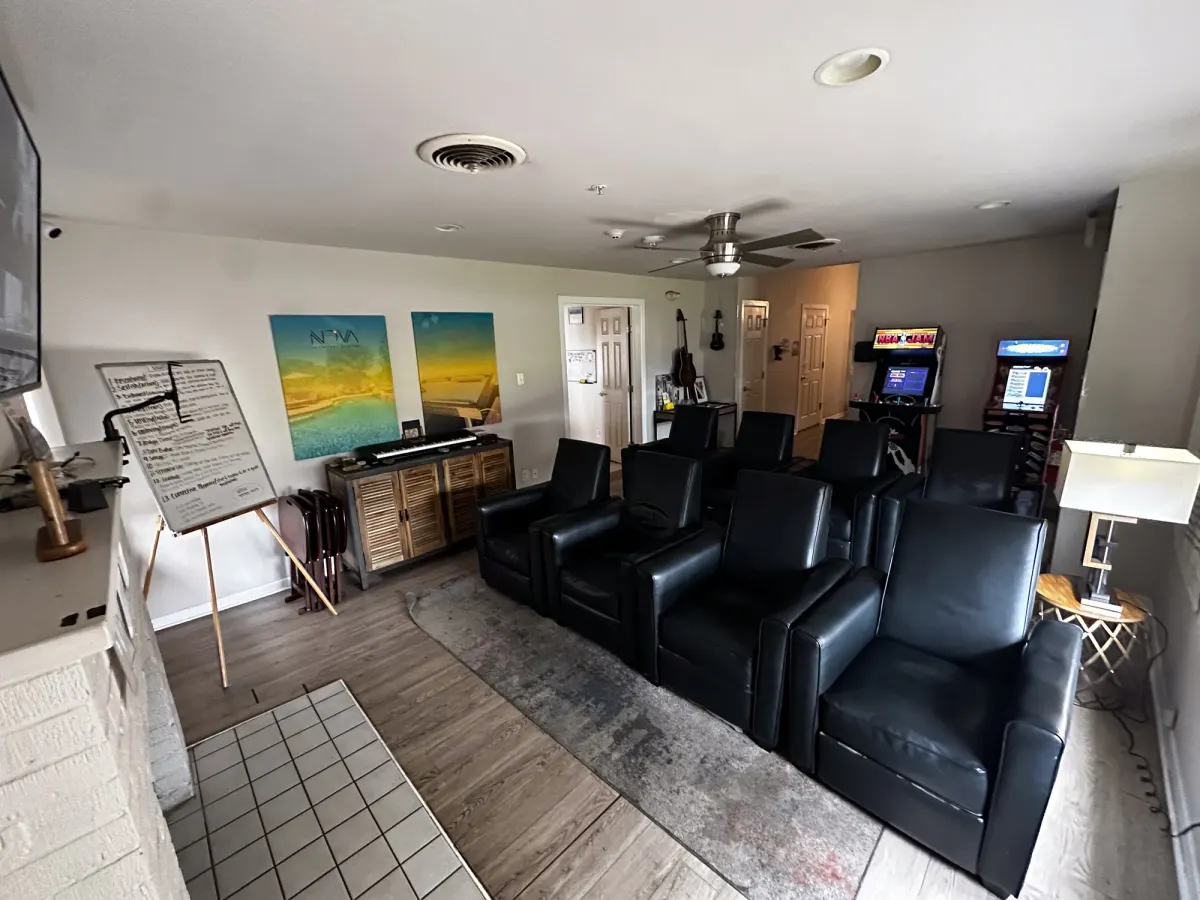 Inpatient
 Austin, TX
11711 N Lamar Blvd · 78753
- 15 beds
- On-site labs
- 24-hour medical staff
Musicians Drug Rehab in Austin
-
 Outpatient
 San Antonio, TX
6707 W Hausman Rd · 78249
- Outpatient detox with scheduled medical visits
- Outpatient treatment
San Antonio Musicians Drug Rehab Location
-
 Inpatient
 Houston, TX
1019 Ashland St · 77008
- On-site labs
- 24-hour medical staff
Musicians Drug Rehab Location in Houston
Proven care—without leaving your life behind
What “outpatient” means for musicians
Outpatient and intensive outpatient programs (IOP) deliver several hours of treatment on set days each week. Many artists use IOP to keep gigs, studio work, or family duties while getting therapy, skills training, relapse‑prevention planning, and medication management when needed. Research shows IOPs are an important, effective part of care and, for many, work about as well as inpatient.
Evidence‑based tools that help
- Therapies: CBT, DBT skills, motivational approaches, family work.
- Medications for alcohol use disorder: naltrexone (oral or monthly injection), acamprosate, and disulfiram—paired with counseling.
- Peer support: AA or secular options such as SMART Recovery.
A personalized mix improves outcomes; there is no one “right” path for everyone.
When inpatient or residential is a better fit
If withdrawal risk is high, home is unsafe, or triggers are overwhelming, residential care provides structure and 24/7 support. Detox for alcohol often occurs in a hospital or inpatient setting for 2–7 days before step‑down to outpatient.
Break Free from Addiction. Detox Safely in Austin Today.
Medically Supervised Detox – Compassionate Care Starts Here.
Austin options: outpatient care designed for working artists
Music‑assisted treatment in Austin
Austin has treatment options that integrate music into evidence‑based care and offers multiple levels: medical detox, residential, outpatient & intensive outpatient, PHP, medication‑assisted treatment, and telehealth. Facilities include comfortable living spaces and fully equipped music rooms, which can help artists engage in therapy without losing their creative identity.
Choosing an Austin rehab that fits a musician’s life
Look for licensed, alcohol treatment centers in Austin that provide:
- A full continuum (detox, residential, PHP, IOP, outpatient).
- Therapies with evidence behind them, plus access to FDA‑approved AUD medications.
- Co‑occurring mental‑health support.
- Flexible scheduling or virtual care for tour periods.
Evidence matters more than marketing claims. Amenities are a bonus, not the treatment.
What ‘luxury’ alcohol treatment really changes (and what it doesn’t)
“Luxury” programs may offer private rooms, chef‑prepared meals, gyms, and creative spaces. Comfort can make it easier to stay engaged, especially for public‑facing artists, but outcomes still depend on quality clinical care. In Austin, programs that advertise upscale amenities often pair them with music‑friendly spaces and structured care.
How to get started in Austin (step‑by‑step)
1) Safe withdrawal plan
If alcohol use is heavy or daily, talk with a clinician first. They’ll screen for withdrawal risk and direct you to outpatient detox, residential care, or hospital detox for alcohol when symptoms could be severe.
2) Assessment and schedule
An assessment sets diagnoses and level of care. For many, an IOP schedule (e.g., 3–5 days/week, a few hours per day) balances therapy with rehearsals, sessions, or shows—ideal for drug & alcohol rehab Austin artists who need continuity of work.
3) Treatment plan anchored in evidence
Expect a mix of counseling, relapse‑prevention skills, and, when appropriate, medication for cravings. Telehealth can bridge gaps while touring.
4) Community and aftercare
Use peer groups (AA, SMART), alumni networks, or sober‑peer channels. Austin’s scene also offers sober activities between sets (parks, lakes, museums), which supports recovery that isn’t centered around nightlife or bar culture.
Break Free from Addiction. Detox Safely in Austin Today.
Medically Supervised Detox – Compassionate Care Starts Here.
How Briarwood Detox Homes Supports Austin Musicians in Outpatient Alcohol & Drug Recovery
In Austin, Briarwood Detox Homes can help musicians dealing with alcohol or drug use take the first step toward outpatient care. The team assesses withdrawal risk, provides supervised medical detox, and stabilizes clients so they can enter therapy prepared. If withdrawal is severe, staff coordinate hospital transfers and guide the return to step‑down services. Case managers align discharge plans with a working artist’s schedule, connecting clients to intensive outpatient programs, evening groups, and telehealth options. They can also coordinate medication management for alcohol use disorder, such as naltrexone or acamprosate. Practical support, including scheduling help and referrals to sober housing, reduces conflicts between rehearsals, sessions, and shows. After detox, staff provide check‑ins and coordinate with therapists and peer-support groups to build relapse-prevention skills. By linking safe detox with flexible outpatient resources, Briarwood helps musicians stay healthy without stepping away from their careers.
Verify Your Insurance Instantly
Don’t guess. Know what’s covered. Click below to verify your insurance coverage with 100% confidentiality and zero obligation.
This information is for educational purposes only and is not a substitute for professional medical advice, diagnosis, or treatment. Decisions about substance use, detox, or medications (including FDA-approved treatments for alcohol or drug use disorders) should be made with a licensed healthcare professional who knows your medical history. Do not start, stop, or change any medication—or attempt alcohol or drug withdrawal—without medical supervision. If you have severe symptoms such as confusion, hallucinations, seizures, chest pain, or trouble breathing, call 911 in the United States or go to the nearest emergency department. If you are in emotional distress or having thoughts of self-harm, call or text 988 to reach the Suicide & Crisis Lifeline, available 24/7.
Austin Alcohol & Drug Rehab: PAA‑Informed FAQ
What is the difference between inpatient rehab and outpatient rehab?+–
Inpatient (residential) care provides 24/7 structure and is best when withdrawal risks, safety issues, or triggers are high. Outpatient—especially intensive outpatient programs (IOP)—delivers multiple therapy hours per week while you live at home and keep work or school commitments. Both can be effective; the right fit depends on clinical need and support at home.
How long does outpatient alcohol rehab (IOP) usually take?+–
Program length varies by assessment and progress, but many IOP plans run several weeks to a few months with step‑downs as you stabilize. Evidence supports IOP as a key part of the continuum when it matches your needs.
When do you need hospital detox for alcohol?+–
Seek hospital care for severe withdrawal signs such as confusion, hallucinations, seizures, or signs of delirium tremens. These are medical emergencies that require monitored detox and medications.
What happens during hospital alcohol detox?+–
A team monitors vital signs, treats symptoms, prevents complications, and may use medications to reduce risk and discomfort. Detox is followed by a referral to ongoing treatment like residential, PHP, or outpatient.
Is it safe to detox from alcohol at home?+–
Not if there’s any chance of moderate to severe withdrawal or a history of complications. Discuss a plan with a clinician; many people need supervised detox to stay safe.
What should I look for in alcohol treatment centers in Austin?+–
Prioritize evidence‑based care (behavioral therapies plus, when appropriate, FDA‑approved medications for alcohol use disorder), licensed staff, measurement of outcomes, coordination for co‑occurring mental health, and clear aftercare. Use NIAAA’s Navigator to compare programs and ask the right questions.
Does insurance cover alcohol rehab Austin programs?+–
Coverage varies by plan and level of care. Ask providers to verify benefits and whether they’re in‑network before admission; the NIAAA Navigator lists the key cost and coverage questions to ask.
What levels of care do drug & alcohol rehab Austin providers offer?+–
Common levels include medical detox, residential/inpatient, partial hospitalization (PHP), intensive outpatient (IOP), standard outpatient, and continuing care. The right level is based on clinical assessment and safety.
Are evening or virtual outpatient groups available in Austin?+–
Some providers offer evening schedules or telehealth IOP, which can help touring musicians keep work commitments. Confirm availability and licensure for telehealth across any states you travel to.
What is luxury alcohol treatment? Is it more effective?+–
“Luxury” refers to upgraded amenities (privacy, private rooms, chef‑prepared meals, fitness/spa, scenic settings). Comfort can support engagement, but outcomes are driven by clinical quality—evidence‑based therapies, appropriate medications, and strong aftercare—not amenities alone.
Does music therapy help with addiction?+–
Evidence suggests music therapy, used alongside standard care, can reduce craving and improve motivation for treatment in some settings; it’s considered an adjunct, not a standalone cure. Results vary across studies and programs.
How do I choose among Austin Texas alcohol rehab options?+–
Start with a clinical assessment, compare programs using NIAAA’s recommended questions (staff credentials, use of medications, therapy models, outcome tracking), confirm insurance and schedule fit (e.g., IOP evenings), and plan for aftercare.
What happens after rehab?+–
Good programs build aftercare: relapse‑prevention skills, peer support (AA or secular options), medication management when indicated, and periodic check‑ins. This step helps maintain gains after inpatient or outpatient treatment.
Related guides
In network with most major insurance
Find your plan and see what detox would cost
Most plans cover medical detox. Coverage varies by plan, so we verify it for you before you commit to anything.

















Don't see your plan? We work with out-of-network benefits and offer self-pay options — (866) 710-7710
- Confidential
- Takes about 2 minutes
- No obligation to admit
- Accredited The Joint Commission
- Rated 4.5 · 94 Google reviews
- Admissions 24 hours a day