
Guide
Are OxyContin and Oxycodone the Same Thing? The One Real Difference, Why It Matters, and What It Means for Withdrawal
Joint Commission accredited · In network with most major insurance · Admissions answered 24 hours a day

Published October 11, 2026
People are often told OxyContin and oxycodone are “the same thing,” and in one sense they are. They are the same drug. The difference is how fast it gets into the body, and that difference changes how each is prescribed, why crushing a tablet can kill, and what happens when someone stops. This page explains it using the FDA labels for both products. It also covers Percocet, the abuse-deterrent tablet, counterfeit pills, and what withdrawal from either looks like.
Are OxyContin and oxycodone the same thing?
Yes and no. OxyContin is oxycodone. It is a brand of extended-release oxycodone, made to release slowly over 12 hours. “Oxycodone” on its own usually means the immediate-release form, taken every 4 to 6 hours.
The active drug is identical: oxycodone hydrochloride, a Schedule II opioid. What differs is the tablet. OxyContin’s label says it is taken every 12 hours. The label for Roxicodone, an immediate-release oxycodone, says every 4 to 6 hours as needed for pain.
Many other products contain oxycodone too. ARUP Laboratories’ drug reference lists Percocet, Endocet and Roxicet, which combine oxycodone with acetaminophen, and Percodan, which adds aspirin. So someone on Percocet is taking oxycodone, just in a smaller dose with a second painkiller.
What is the difference between OxyContin and oxycodone?
The difference is release speed. Immediate-release oxycodone acts within an hour and wears off in hours. OxyContin releases slowly and is meant for steady, around-the-clock pain control.
That shapes who gets which. The Roxicodone label covers pain severe enough to need an opioid when other treatments are not enough. OxyContin’s label is narrower. It is for severe, persistent pain that needs an opioid and cannot be treated with other options, including immediate-release opioids.
The doses differ too. OxyContin tablets come in strengths up to 80 mg, because one tablet has to last half a day. The label limits the highest strengths to people who are already opioid tolerant. The half-life also differs: the label puts it at 4.5 hours for OxyContin and 3.2 hours for immediate-release oxycodone.
Source: OxyContin, prescribing information, sections 1, 2 and 12, DailyMed.
Why is crushing OxyContin so dangerous?
Crushing, chewing or dissolving an OxyContin tablet releases the whole 12-hour dose at once. The FDA label warns this can cause rapid absorption of a potentially fatal dose of oxycodone.
That is the hidden danger of extended-release opioids. A tablet built to release 40 or 80 mg slowly becomes a single large dose when its coating is broken. The label also warns that even one tablet swallowed by accident, especially by a child, can cause a fatal overdose.
The current OxyContin tablet was redesigned to resist this. The label says the original formula is no longer sold, and the new one is harder to crush, inject or snort. But it is direct about the limit: abuse of OxyContin by injection, snorting or by mouth is still possible.
Source: OxyContin, prescribing information, boxed warning and section 9.2, DailyMed.
Where we are
Detox centers across Texas
Three locations, each with its own admissions line and its own clinical team. Pick the one nearest you — or call and we will tell you which has a bed tonight.
-
 Inpatient
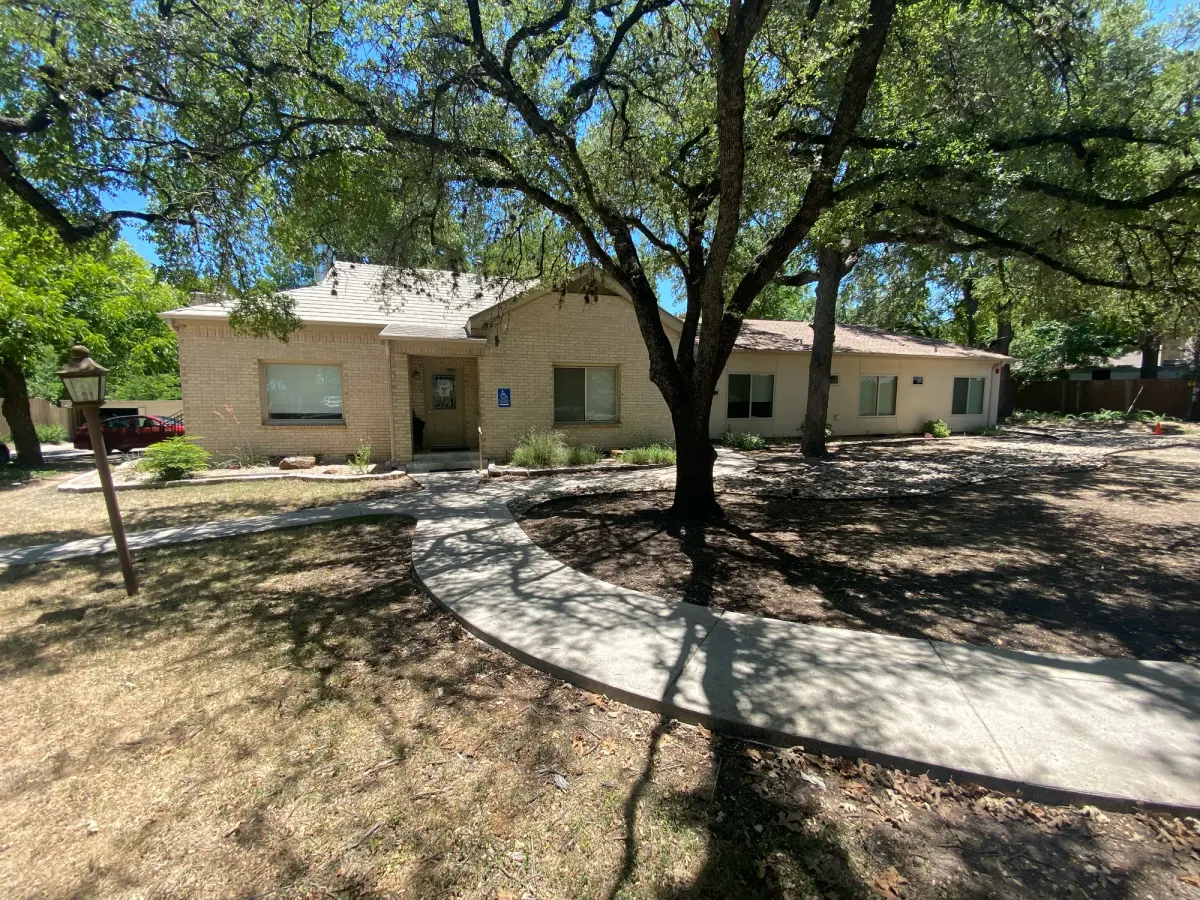
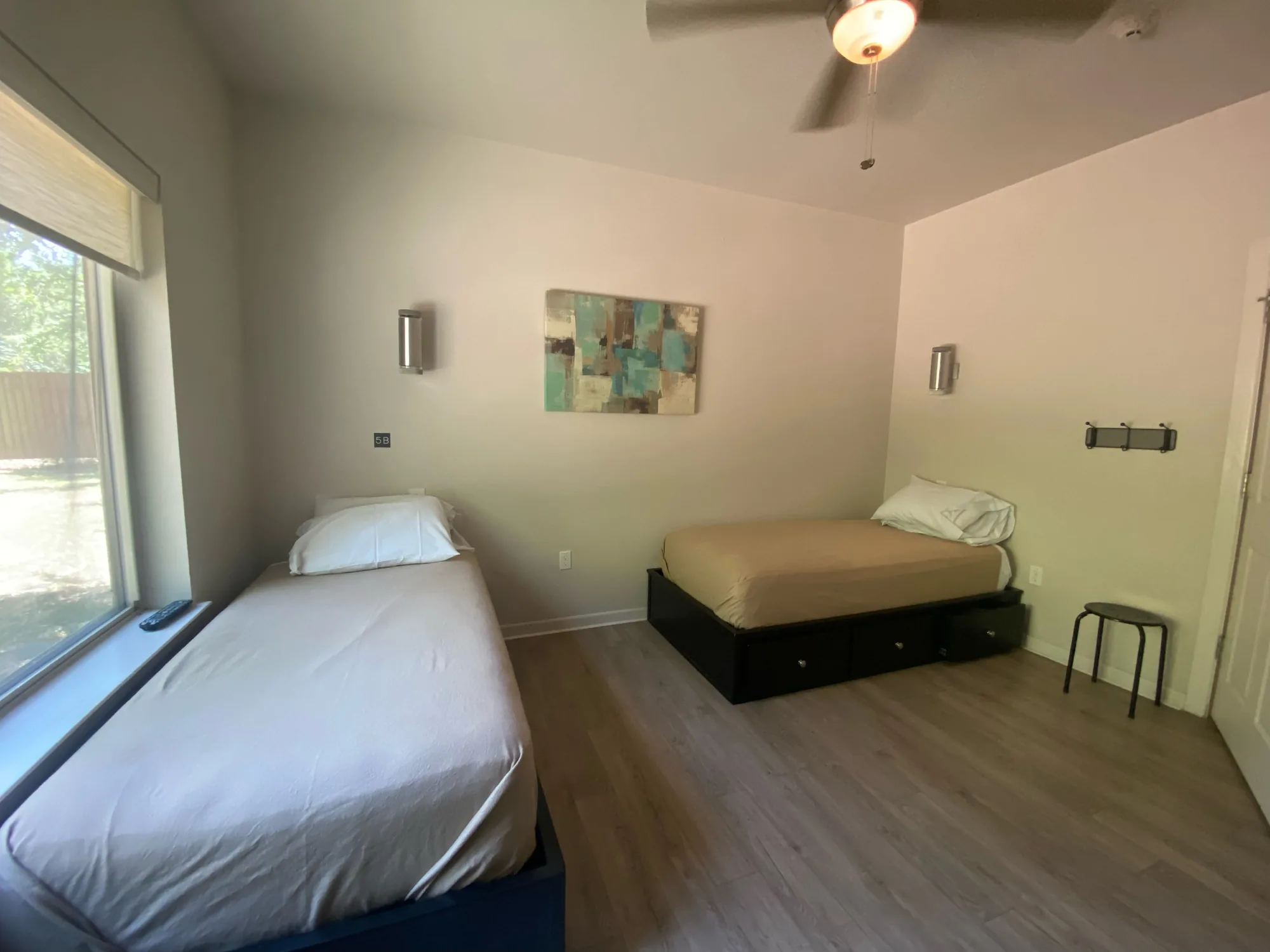
Austin, TX
11711 N Lamar Blvd · 78753
- 15 beds
- On-site labs
- 24-hour medical staff
Drug & Alcohol Detox in Austin, TX
-
 Inpatient
Houston, TX
1019 Ashland St · 77008
- On-site labs
- 24-hour medical staff
Drug Detox Center in Houston, TX
-
 Outpatient
San Antonio, TX
6707 W Hausman Rd · 78249
- Outpatient detox with scheduled medical visits
- Outpatient treatment
Outpatient Drug & Alcohol Detox in San Antonio
Is one more addictive than the other?
Both carry the same risk of addiction. The FDA labels for both say addiction can happen at recommended doses, even when the drug is taken exactly as prescribed.
Immediate-release oxycodone reaches the brain faster, and a faster rise is often linked to a stronger pull. OxyContin carries more drug per tablet, so the danger when it is misused is larger. In practice, the one that matters is the one being taken, at the dose being taken.
Both labels also warn about mixing. Taking oxycodone with benzodiazepines, alcohol or other sedatives can cause profound sedation, stopped breathing, coma and death. The benzodiazepine withdrawal page covers that combination, which shows up in most benzodiazepine overdose deaths.
Source: Roxicodone, prescribing information, section 5.1, DailyMed.
Are oxycodone pills bought on the street real?
Often they are not. The DEA seized more than 47 million counterfeit pills laced with fentanyl in 2025. Many are pressed to look exactly like real oxycodone tablets.
The DEA says 2 mg of fentanyl can be a deadly dose, and that you cannot tell a fake pill by looking at it. Its advice is plain: the only safe medicines are ones prescribed by a doctor and dispensed by a licensed pharmacist.
That changes withdrawal too. Someone who believes they are dependent on oxycodone may actually be dependent on fentanyl, which builds up in the body and changes how medicine has to be started. The Austin fentanyl detox page explains how, and the drug testing page explains why a standard screen can miss fentanyl.
Source: One Pill Can Kill, Drug Enforcement Administration, updated October 5, 2026.
Is OxyContin withdrawal different from oxycodone withdrawal?
The symptoms are the same, because it is the same drug. Timing can differ: withdrawal from immediate-release oxycodone can start sooner, and OxyContin users are often on higher daily doses.
Opioid withdrawal comes in two waves, according to the National Library of Medicine. The first brings anxiety, aches, sweating, a runny nose, yawning and insomnia. The second brings cramps, diarrhea, goosebumps, nausea and vomiting. It is very uncomfortable but not usually life threatening.
Both labels warn against stopping suddenly. Rapidly cutting or stopping an opioid in someone who is physically dependent has caused serious withdrawal, uncontrolled pain and suicide. Oxycodone shows in urine for one to three days, according to ARUP. The oxycodone detection page has the details.
Source: Opiate and opioid withdrawal, MedlinePlus Medical Encyclopedia, National Library of Medicine; Drug Plasma Half-Life and Urine Detection Window, ARUP Laboratories.
How does Briarwood treat oxycodone and OxyContin dependence?
Briarwood treats oxycodone and OxyContin dependence with buprenorphine or a slow taper, comfort medicine for the symptoms, and nursing around the clock, inpatient in Austin and Houston.
The assessment asks which product, what dose, how long, and whether any pills came from outside a pharmacy. A fentanyl test is part of admission, because a pressed pill can change the plan. For people who started on a prescription for pain, the plan also has to account for the pain itself. The prescription drug detox page and the opioid detox page explain both approaches.
The step after detox is arranged before discharge, including continuing buprenorphine where it fits, because tolerance falls fast and the weeks after are when overdose risk is highest. Cost and insurance covers what a stay costs. Admissions answers at every hour.
Common Questions
Is OxyContin stronger than oxycodone?+–
Not stronger as a drug. It is the same drug in a slow-release tablet. OxyContin tablets often hold more oxycodone, up to 80 mg, because one tablet lasts 12 hours.
Is Percocet the same as oxycodone?+–
Percocet contains oxycodone combined with acetaminophen. It is a lower dose of the same opioid with a second painkiller added.
How long does OxyContin last?+–
It is designed to release over 12 hours. Immediate-release oxycodone is usually taken every 4 to 6 hours.
What happens if you crush OxyContin?+–
The whole 12-hour dose can release at once. The FDA label warns this can cause a potentially fatal overdose.
How long does oxycodone stay in your system?+–
Oxycodone shows in urine for about one to three days after the last dose, according to ARUP Laboratories. Its half-life is about 3.2 hours for immediate release and 4.5 hours for OxyContin.
Is withdrawal from OxyContin worse than from oxycodone?+–
The symptoms are the same. People on OxyContin are often on higher daily doses, which can make withdrawal harder. Neither should be stopped suddenly without a doctor.
Related guides
About the people behind this guide
Anna-Grace Washington
Medical Content Writer
Anna-Grace Washington is a Medical Content Writer for Briarwood Detox Center. She holds a master’s degree in clinical psychology from the University of Texas and brings a strong understanding of behavioral health, addiction recovery, and evidence-based treatment concepts to her writing.
In network with most major insurance
Find your plan and see what detox would cost
Most plans cover medical detox. Coverage varies by plan, so we verify it for you before you commit to anything.



















Don't see your plan? We work with out-of-network benefits and offer self-pay options — (866) 710-7710
- Confidential
- Takes about 2 minutes
- No obligation to admit

- Accredited The Joint Commission
- Rated 4.7 · 183 Google reviews Flourishing Foundations Recovery, now part of Briarwood
- Admissions 24 hours a day