
Guide
Residential Alcohol Treatment in San Antonio
Joint Commission accredited · In network with most major insurance · Admissions answered 24 hours a day


Published November 7, 2025
Reviewed and updated July 29, 2026
Key Takeaways · 8 points
- Residential treatment in San Antonio provides 24/7, structured care with medical oversight, therapy, and planned step‑downs. This setting is best when safety and stability are the top needs.
- Outpatient alcohol detox in San Antonio can be appropriate when withdrawal symptoms are mild to moderate and you have reliable home support. Daily monitoring and medications are typically part of care.
- Outpatient care is offered in tiers—standard outpatient, IOP, and PHP—with time commitments that scale up by need. This lets you match intensity to your schedule and clinical goals.
- Choose residential care when medical or psychiatric risks are high, and choose outpatient detox only when a clinician confirms it is safe. Placement should follow established criteria.
- Detox is short, while continuing treatment usually lasts weeks to months. Progress—not a fixed calendar—drives the timeline.
- Continuing care—therapy, medications when appropriate, and peer support—improves long‑term results. Step‑down plans help keep gains after detox.
- Insurance often covers outpatient levels like IOP and PHP; always verify benefits and confirm that facilities are properly licensed. This prevents surprise costs and delays.
- Start with a professional assessment, compare programs and schedules, confirm coverage, and plan aftercare from day one. These steps make transitions smoother between San Antonio and Austin services.
Break Free from Addiction. Detox Safely in San Antonio Today.
Medically Supervised Detox – Compassionate Care Starts Here.
Choosing the right level of alcohol treatment often comes down to safety, structure, and fit. In San Antonio, residential programs provide 24/7 support when you need a protected setting. In nearby San Antonio, outpatient alcohol detox and rehab let many people receive care while staying at home. This guide explains how the options compare, who each one serves best, and how to move forward with confidence.
What Residential Alcohol Treatment Provides in San Antonio
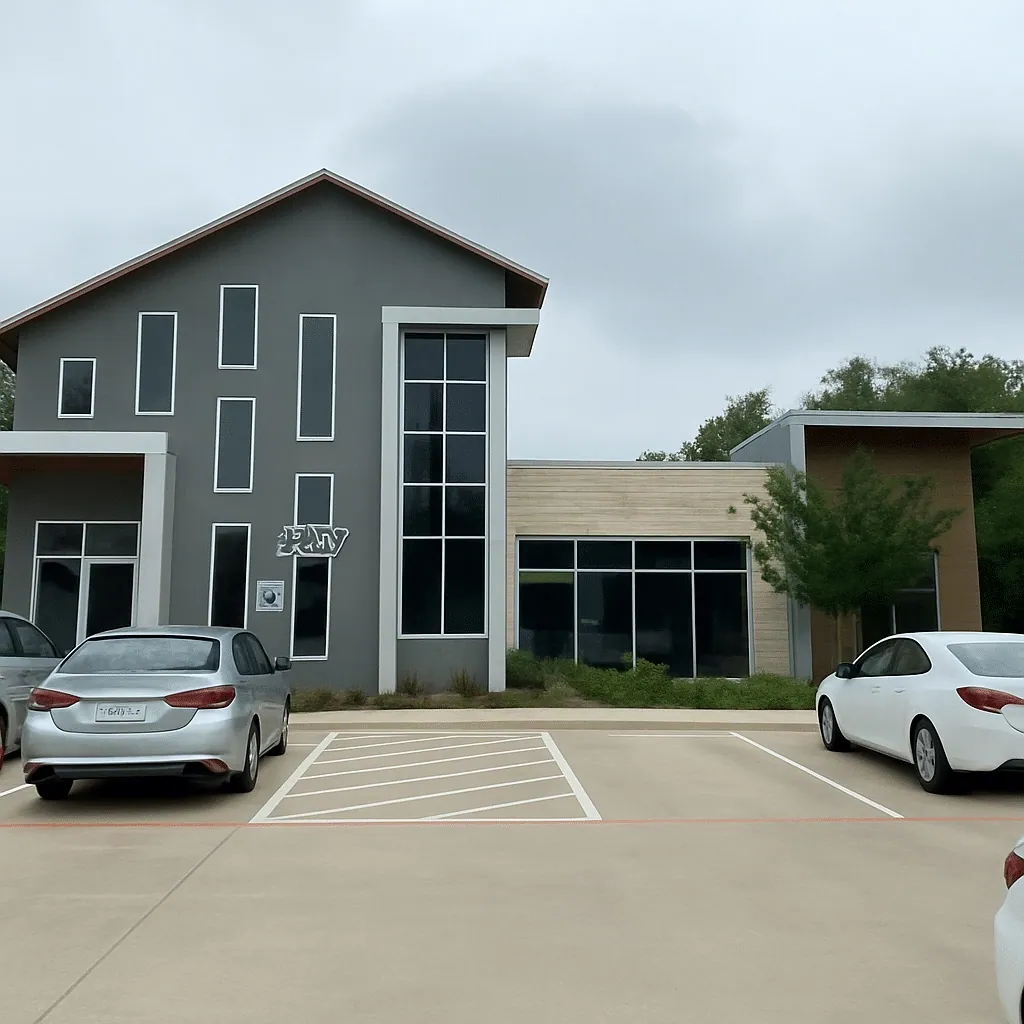
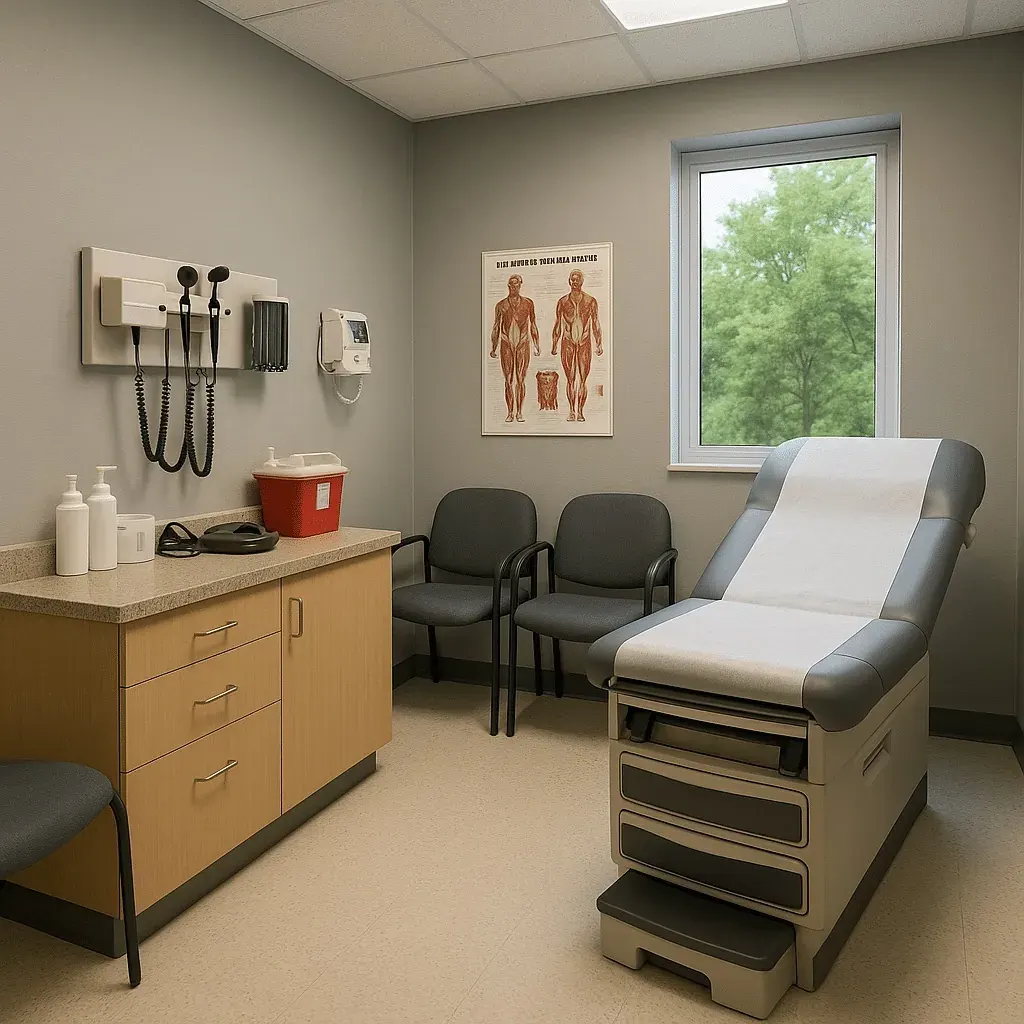


Residential alcohol treatment offers round‑the‑clock care in a live‑in setting. Programs usually combine medical oversight, individual and group therapy, skills classes, and coordinated aftercare. Many San Antonio facilities also provide medical detox on site and step‑down options such as partial hospitalization and intensive outpatient programs.
When a Residential Setting Makes Sense
Residential care is often recommended if you have:
- A high risk of severe alcohol withdrawal or medical complications
- Co‑occurring mental health needs that require close monitoring
- An unsafe or unstable home environment
- Multiple prior relapses that call for more structure
Texas recognizes a continuum of licensed services—from withdrawal management to residential and outpatient care—so programs can match intensity to clinical need.
What to Expect Day to Day
Expect a structured schedule with therapy, skills practice, medication management when appropriate, family involvement, and discharge planning that links you to step‑down care. Many San Antonio programs emphasize community support and a strong alumni network, which can be valuable after you leave residential treatment.
Where we are
Detox centers across Texas
Three locations, each with its own admissions line and its own clinical team. Pick the one nearest you — or call and we will tell you which has a bed tonight.
-
Alcohol Treatment in San Antonio
On novarecoverycenter.com
Alcohol Treatment in San Antonio
-
Outpatient Alcohol Treatment in San Antonio
On novarecoverycenter.com
Outpatient Alcohol Treatment in San Antonio
-
Colorado Springs Outpatient Alcohol Treatment location
On novarecoverycenter.com
Colorado Springs Outpatient Alcohol Treatment location
Outpatient Alcohol Detox in San Antonio: A Practical Option for Many
Outpatient detox and rehab in San Antonio allow you to live at home while receiving scheduled treatment. For alcohol use disorder, ambulatory (outpatient) withdrawal management can be safe and effective for people with mild to moderate withdrawal and no major risk factors, especially when daily monitoring and appropriate medications are used.
Who Outpatient Detox Best Serves
Outpatient detox can be a good fit if you:
- Have mild to moderate withdrawal symptoms
- Have stable housing, transportation, and support at home
- Don’t have acute medical or psychiatric risks that require 24/7 oversight
Professional guidelines (ASAM) underscore that ambulatory and inpatient withdrawal management should be matched to risk; withdrawal care alone isn’t full treatment and should connect to ongoing therapy and supports.
What Care Looks Like in San Antonio
San Antonio providers commonly offer assessment, medical monitoring, medication‑assisted support, counseling, and a plan to continue care after detox (for example, IOP/PHP or standard outpatient). Local centers publish details about detox and the next levels of care, showing options across the area. For details on scheduling, monitoring, and next‑step planning, explore our Austin alcohol detox program.
Outpatient Levels of Care Explained (So You Can Compare)
Standard Outpatient, IOP, and PHP
- Standard Outpatient: A few hours of counseling and check‑ins weekly.
- IOP (Intensive Outpatient Program): Typically 9–19 hours per week across several days.
- PHP (Partial Hospitalization Program): The most intensive outpatient option, usually 20+ hours per week during the day without overnight stays.
These intensities are useful whether you start care in Austin or step down from a San Antonio residential program.
Residential in San Antonio vs. Outpatient Detox in Austin
Safety and Medical Needs
- Choose residential if withdrawal risks are high, medical or psychiatric needs are unstable, or home isn’t safe.
- Choose outpatient detox if symptoms are mild to moderate, you have safe housing, and a clinician confirms you meet ambulatory criteria.
Structure and Time
Residential offers 24/7 structure. Outpatient options range from a few hours weekly to a near‑daily daytime schedule (PHP), allowing you to maintain work or school when appropriate.
Location Considerations
San Antonio has residential centers and step‑down services; San Antonio features detox and robust outpatient programs. Many providers in both cities operate across Central Texas, which can make transitions between levels of care smoother. If you prefer to stay local, you can review our outpatient detox in San Antonio and compare schedules and services.
How Long Alcohol Detox and Treatment Last
Detox itself is brief—often several days—followed by weeks or months of structured care. Many people spend several weeks to a few months in IOP or PHP, and then continue with standard outpatient and peer support. Timelines adjust to clinical progress and life demands, not a fixed number of days.
Break Free from Addiction. Detox Safely in San Antonio Today.
Medically Supervised Detox – Compassionate Care Starts Here.
After Detox: Continuing Care Matters
Therapies and Medications
Evidence‑based counseling (e.g., CBT, motivational approaches, family work) plus medications such as naltrexone, acamprosate, or disulfiram may support alcohol recovery when appropriate.
Step‑Down and Community Support
San Antonio residential programs often step down to PHP/IOP and outpatient; San Antonio programs do the same. Alumni groups, mutual‑help meetings, and sober living can reinforce new skills and routines. For specific step‑down options and planning tools, see what comes after detox.
Costs, Insurance, and Licensing in Texas
Insurance (commercial and public) increasingly covers outpatient levels such as IOP and PHP. Medicare defines IOP as ≥9 hours/week and PHP as ≥20 hours/week, which many private plans mirror in their policies. Licensed Texas facilities must meet state rules, and many seek national accreditation (CARF or Joint Commission). Always verify network status, copays, and any pre‑authorizations before you start.
How to Take the Next Step
- Get a professional assessment. Ask about ASAM Criteria placement and whether your withdrawal risk is appropriate for outpatient detox.
- Compare programs by level of care and schedule. Confirm weekly hours for outpatient rehab San Antonio, outpatient alcohol rehab San Antonio TX, alcohol detox San Antonio, or residential options in San Antonio.
- Verify insurance and logistics. Check network status, transportation, and after‑hours support.
- Plan for aftercare from day one. Detox is a start; continuing therapy, medications when appropriate, and peer support improve durability of results.
How Briarwood Detox Center Helps with Outpatient Alcohol Detox in San Antonio
Briarwood Detox Center provides a safe, flexible path for outpatient detox alcohol San Antonio residents can access without leaving their daily routines. Your care begins with a clinical assessment that reviews health history, withdrawal risks, and goals. Licensed medical providers use evidence‑based protocols and medications, when appropriate, to reduce symptoms and keep you comfortable. You attend scheduled visits for monitoring, counseling support, and education about relapse prevention. This approach lets you sleep at home, maintain work or school, and involve family in your plan. Our team coordinates next steps such as intensive outpatient, therapy, or mutual‑help groups across Central Texas. We also help you verify insurance benefits and clarify costs before treatment starts. If a higher level of care is needed, we arrange a smooth referral to residential services. With convenient access and responsive guidance, Briarwood Detox Center helps San Antonio clients start recovery with structure, safety, and support.
FAQs: About Residential Treatment and Outpatient Alcohol Detox in San Antonio
Is outpatient alcohol detox safe?+–
Is outpatient alcohol detox safe? Outpatient detox can be safe for people with mild to moderate withdrawal and no major risk factors, when they’re monitored daily and receive appropriate medications. Clinical guidance supports ambulatory care in these lower‑risk cases.
How long does alcohol detox take?+–
Symptoms typically begin 6–24 hours after the last drink, may peak at 48–72 hours, and most people need daily check‑ins for up to five days in outpatient care. Timelines vary by health history and severity. American Academy of Family Physicians
What happens during outpatient alcohol detox?+–
You’ll receive an assessment, symptom monitoring, and medications when indicated, plus education and a plan to continue treatment after withdrawal stabilizes.
Can I detox from alcohol at home without medical supervision?+–
Unsupervised detox is risky. Withdrawal can progress to seizures or delirium tremens, which is a medical emergency. Always seek clinical guidance.
What is the difference between inpatient and outpatient treatment?+–
Residential (inpatient) treatment provides 24/7 structured care and housing; outpatient care delivers scheduled services while you live at home. Texas rules define and license these settings.
Who should consider residential alcohol treatment in San Antonio?+–
People with high withdrawal risk, unstable medical or psychiatric needs, or an unsafe home setting generally benefit from a residential level of care. A clinician uses placement criteria to determine the safest setting.
What medications are used for alcohol withdrawal?+–
Benzodiazepines are first‑line for moderate to severe symptoms. Carbamazepine or gabapentin may be options for mild withdrawal or as adjuncts.
What happens after detox?+–
Detox manages acute withdrawal, but it is not full treatment for alcohol use disorder. Ongoing care—such as IOP, PHP, standard outpatient services, and FDA‑approved medications—supports recovery.
How many hours are IOP and PHP each week?+–
Medicare defines IOP as requiring at least 9 hours/week. PHP generally requires 20 or more hours/week without overnight stays. Private plans often mirror these thresholds.
Does insurance cover outpatient detox or IOP/PHP in Texas?+–
Coverage varies by plan, but Medicare and many insurers cover IOP and PHP when criteria are met. Verify benefits and any prior authorization before starting care.
Where can I find licensed programs or help near San Antonio or Austin?+–
Texas HHSC and the Texas Administrative Code outline licensed services, and FindTreatment.gov can help you locate options statewide.
Related guides



In network with most major insurance
Find your plan and see what detox would cost
Most plans cover medical detox. Coverage varies by plan, so we verify it for you before you commit to anything.

















Don't see your plan? We work with out-of-network benefits and offer self-pay options — (210) 305-4522
- Confidential
- Takes about 2 minutes
- No obligation to admit
- Accredited The Joint Commission
- Rated 5.0 · 80 Google reviews Flourishing Foundations Recovery, now part of Briarwood
- Admissions 24 hours a day