
Guide
Roxicodone vs. Percocet: What's the Difference?
Joint Commission accredited · In network with most major insurance · Admissions answered 24 hours a day

Published October 4, 2021
Reviewed and updated July 29, 2026

Roxicodone vs. Percocet: What's the Difference?
Roxicodone and Percocet are both prescription opioid pain relievers that work to treat pain.
Table of contents
- What Is Roxicodone?
- How Long Does Roxicodone Stay in Your System?
- What Are Signs and Symptoms of Roxicodone Addiction and Abuse?
- What Are Roxicodone Withdrawal Symptoms?
- What Is Percocet?
- How Long Does Percocet Stay in Your System?
- What Are the Signs and Symptoms of Percocet Addiction?
- What Are Percocet Withdrawal Symptoms?
- Roxicodone vs. Percocet: Are They Addictive?
- Roxicodone vs. Percocet: What Are the Side Effects of Abuse?
- Get Opioid Detox Treatment Treatment Today
Curious about Roxicodone vs. Percocet and the primary differences between them? Roxicodone and Percocet are both prescription opioid painkillers that doctors prescribe to treat moderate to severe pain. They are similar drugs but differ in several ways. To help you understand the difference between the two drugs, we’ll review their similarities and differences below.
Briarwood Detox Center’s opiate opioid detox program provides medically supervised, evidence-based care.
| Roxicodone vs. Percocet: What’s the Difference? Roxicodone and Percocet are prescription opioid pain relievers that treat pain by affecting the central nervous system. Percocet is a combination drug containing oxycodone and acetaminophen, which may make it more effective for some people and reduce other symptoms like chills, muscle aches, and fatigue. However, some people may have more side effects when taking Percocet. |
What Is Roxicodone?
Roxicodone is a prescription pain reliever that doctors use to treat severe pain. It’s a semi-synthetic opioid analgesic that is highly addictive. It’s a Schedule II substance in the U.S.1
Does your insurance cover detox in Austin?
Find out in about 2 minutes — free, confidential, no obligation.
Verify InsuranceDoctors usually prescribe Roxicodone when other non-opioid drugs are not effective in managing pain. It works to relieve pain by affecting the central nervous system and is an immediate-release tablet, available in 5 mg, 15 mg, and 30 mg strengths.
Some common side effects of taking Roxicodone include:2
- Dizziness
- Headache
- Tiredness
- Drowsiness
- Constipation
- Stomach pain
- Nausea
- Vomiting
This is not an exhaustive list of possible side effects caused by Roxicodone. Some people may experience severe side effects like severe stomach pain, hallucinations, mood swings, and unusual tiredness. Taking too much Roxicodone or mixing it with other drugs or alcohol may result in an overdose or other serious, life-threatening side effects.
How Long Does Roxicodone Stay in Your System?
Roxicodone can stay in your system for up to 20 hours, but your unique physiology will affect how long it takes you to process these medications. Factors that influence how long Roxicodone stays in your system include:
- Age
- Metabolism
- Organ function
- How much Roxicodone you’ve been taking
What Are Signs and Symptoms of Roxicodone Addiction and Abuse?
People who misuse Roxicodone take it in ways that differ from what the doctor prescribed, take someone else’s prescription medication, or only use it to get high (not for medical purposes). Most often, people will:3
- Swallow the tablets orally
- Crush the tablets and dissolve them in water before injecting the liquid into a vein
- Crush the tablets and snort the powder
Misusing Roxicodone in any of the above ways can cause some pleasurable side effects like euphoria and pain relief, but it can also cause many harmful side effects. Examples include:
- Nausea and vomiting
- Gastrointestinal issues
- Abdominal pain
- Low blood pressure
- Dizziness
- Fatigue
- Chills
- Sweating
- Weakness
- Slow, shallow breathing
- Dry mouth
- Blurry vision
- Chest pain
- Cardiac arrest
- Seizures
- Mood swings
- Anger/irritability
- Anxiety
- Depression
- Brain fog
Other common behavioral signs of Roxicodone addiction and abuse include:
- Being obsessed with getting Roxicodone and using it
- Losing interest in typical hobbies and activities
- Performing poorly or irregularly at work or school
- Having sudden changes in social habits
- Experiencing financial problems
- Showing physical signs of injecting drugs, like bruises or injection marks
- Making appointments with multiple doctors to get prescriptions for Roxicodone
What Are Roxicodone Withdrawal Symptoms?
If you’re physically dependent on Roxicodone or you’re suffering from Roxicodone addiction, you may also experience withdrawal symptoms when you miss a dose. Roxicodone withdrawal symptoms typically include:3
- Muscle and bone pain
- Diarrhea
- Vomiting
- Difficulty sleeping
- Cold flashes with goosebumps
- Uncontrollable leg movements
- Severe cravings for Roxicodone
The intensity of Roxicodone withdrawal symptoms vary depending on the person, their usage habits, how they misuse Roxicodone or other substances, and several other factors.
Trying to quit Roxicodone cold turkey after you’re already dependent or addicted can produce severe withdrawal symptoms that last longer than they typically would. As a result, it’s best to seek professional help at a detox center or other medical facility. Treatment professionals can help you overcome Roxicodone addiction safely and comfortably.
Where we are
Detox centers across Texas
Three locations, each with its own admissions line and its own clinical team. Pick the one nearest you — or call and we will tell you which has a bed tonight.
-
 Inpatient
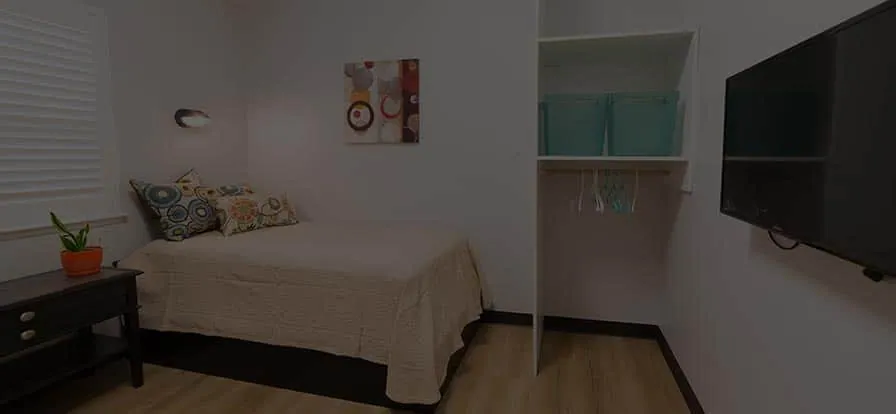
 Austin, TX
11711 N Lamar Blvd · 78753
- 15 beds
- On-site labs
- 24-hour medical staff
Drug & Alcohol Detox in Austin, TX
-
 Inpatient
 Houston, TX
1019 Ashland St · 77008
- On-site labs
- 24-hour medical staff
Drug Detox Center in Houston, TX
-
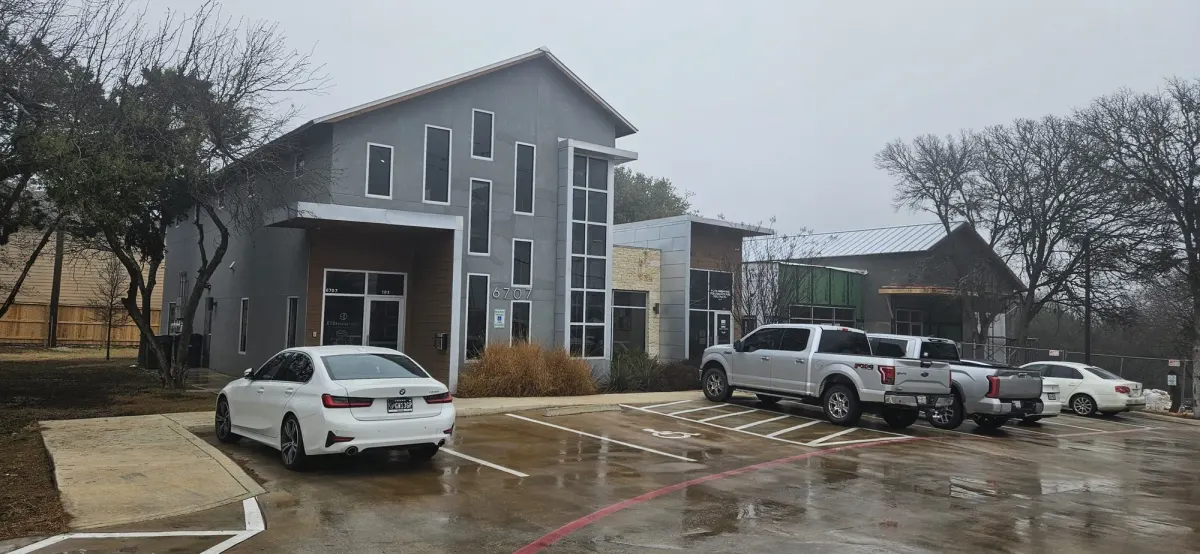 Outpatient
 San Antonio, TX
6707 W Hausman Rd · 78249
- Outpatient detox with scheduled medical visits
- Outpatient treatment
Outpatient Drug & Alcohol Detox in San Antonio
What Is Percocet?
Percocet is a combination medication that contains oxycodone (an opioid pain reliever) and acetaminophen (a non-opioid pain reliever and the active ingredient in Tylenol). It works to change the way your body experiences and responds to pain and reduces fever.4
Doctors prescribe Percocet to treat moderate to severe pain, but it’s often diverted for recreational use because it produces feelings of euphoria, relaxation, and pleasure. Some people may use it strictly to get high instead of for medical reasons. Percocet is classified as a Schedule II drug in America, meaning it has a high potential for misuse and addiction.
Some common side effects of taking Percocet include:5
Ready to talk to someone now? Briarwood Detox Center's admissions team is here 24/7, and every call is confidential. Call (866) 710-7710.- Dizziness
- Drowsiness
- Headache
- Constipation
- Nausea
- Vomiting
- Stomach pain
- Blurry vision
- Itchy, red eyes
- Dry mouth
- Feelings of extreme happiness or sadness
This is not a complete list of Percocet side effects, and some individuals may experience more severe symptoms or allergic reactions.
People who misuse Percocet may do so by swallowing the tablets, crushing them and snorting the powder, or dissolving the powder in water before injecting it. Since Percocet contains acetaminophen, misusing it regularly can cause severe liver damage.
How Long Does Percocet Stay in Your System?
Percocet may take about 19 hours to be completely eliminated from your system. However, if you’re a chronic heavy user, it may take longer because your body’s fatty tissues may absorb the drug. It will take Percocet longer to leave the body than the Percocet that builds up in your body’s fluids. Other factors like your age, metabolism, organ function and usage habits will also play a role in how long it takes for Percocet to leave your body.
What Are the Signs and Symptoms of Percocet Addiction?
Since Percocet contains an opioid, people who use it (even for medical purposes) can become dependent on it very quickly. Misusing it can produce feelings of well-being, euphoria, and pleasure, but it also can cause harmful side effects. Common symptoms of Percocet abuse include:6
- Constipation
- Confusion
- Headaches
- Mood swings
- Depression
- Difficulties sleeping
- Low blood pressure
- Shallow breathing
- Excessive sweating
- Lack of coordination
- Drowsiness
- Sexual dysfunction
- Anxiety
- Depression
The severity of these side effects may increase with misuse. Meaning, the more often someone abuses Percocet (and the more they take), the more severe the side effects are likely to be.
Other behavioral signs of Percocet addiction may include:
- Seeing multiple doctors to get prescriptions for Percocet
- Being unusually excitable
- “Losing” Percocet prescriptions frequently
- Spending a lot of time trying to get Percocet or using it
- Losing interest in normal hobbies or activities
- Performing poorly at work or school
- Having sudden financial difficulties
- Showing physical signs of injecting drugs (like bruises or track marks)
Percocet addiction is difficult to overcome on your own. If you want to get sober, the best way to do it is with the help of a professional. Look for an accredited and well-rated drug detox center that uses evidence-based treatment methods.
What Are Percocet Withdrawal Symptoms?
If you’ve been using Percocet regularly, you’re likely to become dependent on it and may experience withdrawal symptoms if you suddenly try to stop using it or miss a dose. Common Percocet withdrawal symptoms include:7
- Yawning
- Watery eyes and nose
- Restlessness
- Irritability
- Difficulty sitting still
- Tremors
- Muscle aches
- Anxiety
- Nausea
- Vomiting
- Diarrhea
- Depression
- Strong cravings for Percocet
Roxicodone vs. Percocet: Are They Addictive?
Yes, Roxicodone and Percocet can both cause physical dependence or addiction. Both drugs contain opioids, which are highly addictive and can quickly cause physical dependence, especially if you use them regularly. Roxicodone and Percocet should be used with caution and only under a doctor’s supervision.
Roxicodone vs. Percocet: What Are the Side Effects of Abuse?
| Side Effects of Roxicodone Abuse | Side Effects of Percocet Abuse |
Nausea and vomiting Gastrointestinal issues Abdominal pain Low blood pressure Dizziness Fatigue Chills Sweating Weakness Slow, shallow breathing Dry mouth Blurry vision Chest pain Cardiac arrest Seizures Mood swings Anger/irritability Anxiety DepressionBrain fog | Constipation Confusion Headaches Mood swings Depression Difficulties sleeping Low blood pressure Shallow breathing Excessive sweating Lack of coordination Drowsiness Sexual dysfunction Anxiety Depression |
Get Opioid Detox Treatment Treatment Today
If you're comparing Roxicodone vs. Percocet, you're probably wondering what the difference is between the two. Roxicodone and Percocet are two prescription drugs that can help people cope with pain, but they are also likely to be misused. If you are physically dependent or addicted to either of these drugs, you may need professional detox treatment to get sober.
When you’re ready to make a change, the caring addiction treatment professionals at Briarwood Detox Center are available to help. We can help you get through opioid withdrawal with medical and clinical treatment that ensures your safety and comfort. We tailor our medically-assisted opioid detox program to each individual’s unique treatment needs to provide you with the best opportunity for a full recovery.
If you’re struggling with opioid addiction, you are not alone, and help is available now. Please call (866) 710-7710 or contact us online to start your journey to recovery today. We accept most forms of insurance.
References:
- Roxicodone drug (rxlist.com)
- Drugs.com
- Prescription opioids (NIDA)
- WebMD
- Drugs.com
- Percocet addiction (Healthline)
- Percocet withdrawal symptoms (md-health.com)
Ready to Start Your Recovery in Austin?
Briarwood Detox Center offers medically supervised detox in Austin. Explore our locations, see the facility, and verify your insurance in minutes.
See our locationsRelated guides

In network with most major insurance
Find your plan and see what detox would cost
Most plans cover medical detox. Coverage varies by plan, so we verify it for you before you commit to anything.

















Don't see your plan? We work with out-of-network benefits and offer self-pay options — (866) 710-7710
- Confidential
- Takes about 2 minutes
- No obligation to admit
- Accredited The Joint Commission
- Rated 4.7 · 182 Google reviews Flourishing Foundations Recovery, now part of Briarwood
- Admissions 24 hours a day