
Guide
Rural America’s Drug Problem
Joint Commission accredited · In network with most major insurance · Admissions answered 24 hours a day
Published March 22, 2018
Reviewed and updated July 27, 2026
Updated August 6th, 2025
Rural America makes up about 72 percent of our nation’s land area and houses 46 million residents.1 One in five Americans lives in a rural area and many of them face unique challenges regarding substance abuse and treatment.2 In recent years, poverty and unemployment in rural areas has increased, which has also increased community risks for addiction.
Does your insurance cover detox in Austin?
Find out in about 2 minutes — free, confidential, no obligation.
Verify InsuranceTable of contents
- Drug Overdose Rates in Rural Areas Have Surpassed That of Urban Areas
- What Do People in Rural Communities Think About Opioid Abuse?
- The Harmful Impact of Drug Abuse in Rural Areas
- Barriers to Drug Detox and Addiction Treatment in Rural Communities
- Traveling for Detox Treatment
Here are some of the most recent statistics to put the rural substance abuse problem into perspective:
- Rural residents had higher rates of alcohol abuse, tobacco use, and methamphetamine abuse than urban residents in 2016.3
- In 2013, there were 10,265 people in the U.S. killed in crashes involving alcohol-impaired drivers. Rural areas accounted for 48% (4,915) of these fatalities.4
- 29% of all rural traffic fatalities in 2015 were alcohol-related.4
- In 2015, 11.5 million adults misused prescription pain relievers at least once in the previous year, with about 1.5 million of those adults in a rural area and about 1.2 million in a small metropolitan area.5,6
- In 2016, methamphetamine use among rural adults ages 18 to 25 was six times higher than the rate of methamphetamine use among young urban adults of the same age.7
- In 2013, the rate of babies born with opioid withdrawal symptoms was 80% higher in rural areas than in urban areas.8
Drug Overdose Rates in Rural Areas Have Surpassed That of Urban Areas
Historically, drug overdose death rates were typically higher in urban areas than rural areas. But in 2015, reports revealed that the rural drug overdose rate was higher than the urban rate, at 17.0 per 100,000 residents vs. 16.2 per 100,000 residents.7
Prescription drug abuse and heroin overdose deaths were also two primary contributing factors in the increase in rural mortality rates between 1999 and 2001 and 2013 and 2015. During this timeframe, rural mortality increased more than 20 percent for 25 to 29-year-olds. Mortality rates also increased for rural adults between the ages of 20 and 24 and 30 and 54.1
What Do People in Rural Communities Think About Opioid Abuse?
Rural communities have also not gone unscathed in the ongoing national opioid crisis. The USDA recently created a brand new webpage to address this issue, citing a Morning Consult survey that revealed the thoughts of rural residents concerning opioid addiction and abuse.9 Here are some of the survey’s main highlights:
- 74% of farmers say they have been directly impacted by the opioid crisis.9
- Three in four farmers say it would be easy for someone in their community to access opioids illegally, and 46% of rural adults say the same.10
- Three in four farmers (77%) and agriculture workers (76%) say it would be easy for someone in their community to get a large amount of prescription opioids or painkillers without a prescription.10
- 31% of rural adults are largely unaware that rural communities are impacted the most by the opioid crisis. They believe opioid abuse is more of a problem in urban communities.10
- One in three rural adults (34%) say it would be easy to access addiction treatment in their local community but only 38% believe it would be effective, covered by insurance, convenient, or affordable.10
- 68% of rural Americans believe increasing public education surrounding resources is an effective way to solve the opioid crisis. 57% believe reducing the stigma around opioid addiction would be an effective solution.10
Where we are
Detox centers across Texas
Three locations, each with its own admissions line and its own clinical team. Pick the one nearest you — or call and we will tell you which has a bed tonight.
-
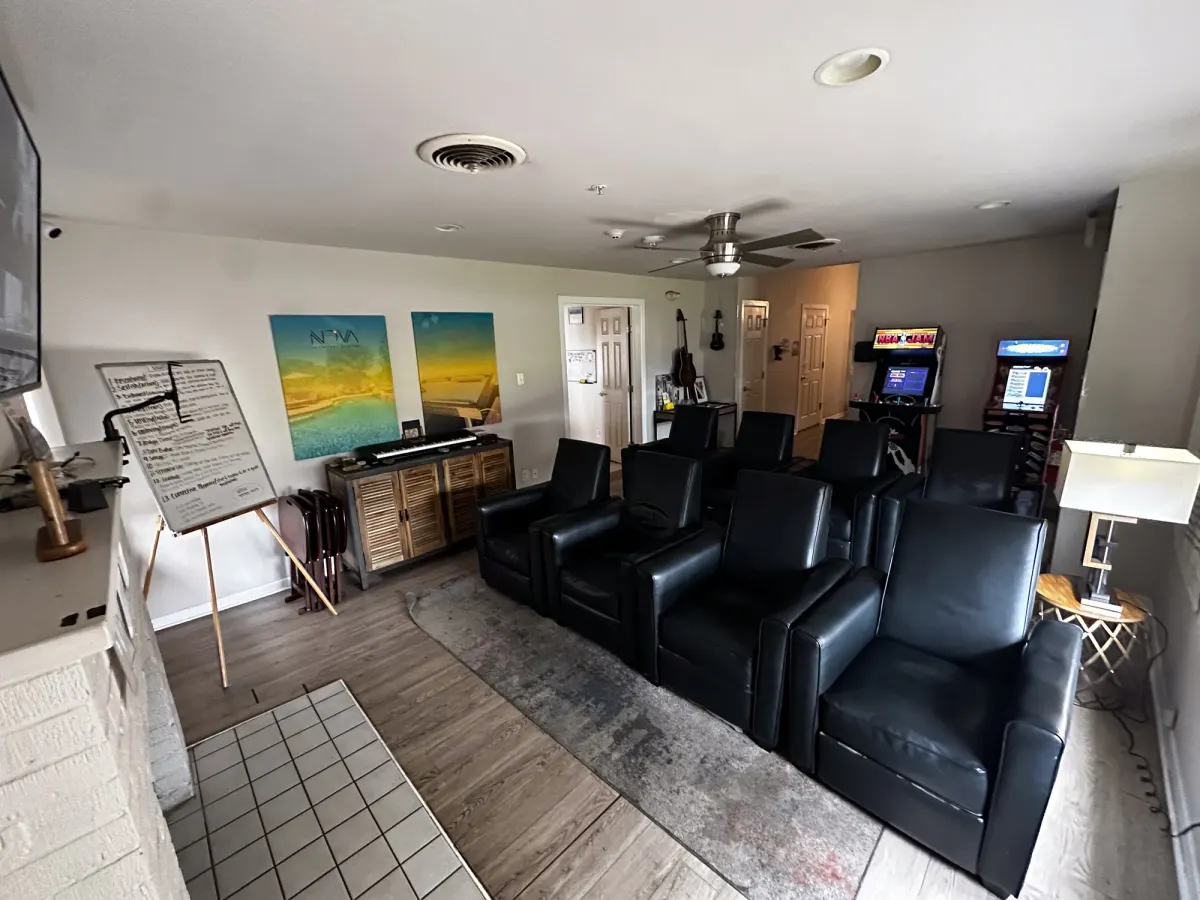 Inpatient
 Austin, TX
11711 N Lamar Blvd · 78753
- 15 beds
- On-site labs
- 24-hour medical staff
Drug & Alcohol Detox in Austin, TX
-
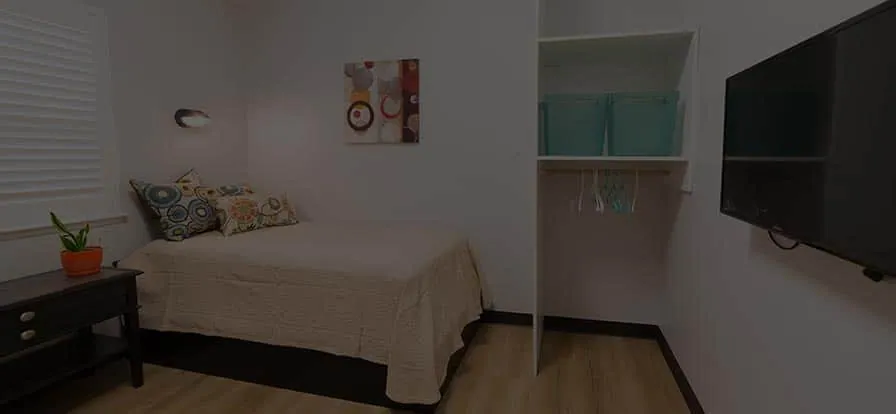 Inpatient
 Houston, TX
1019 Ashland St · 77008
- On-site labs
- 24-hour medical staff
Drug Detox Center in Houston, TX
-
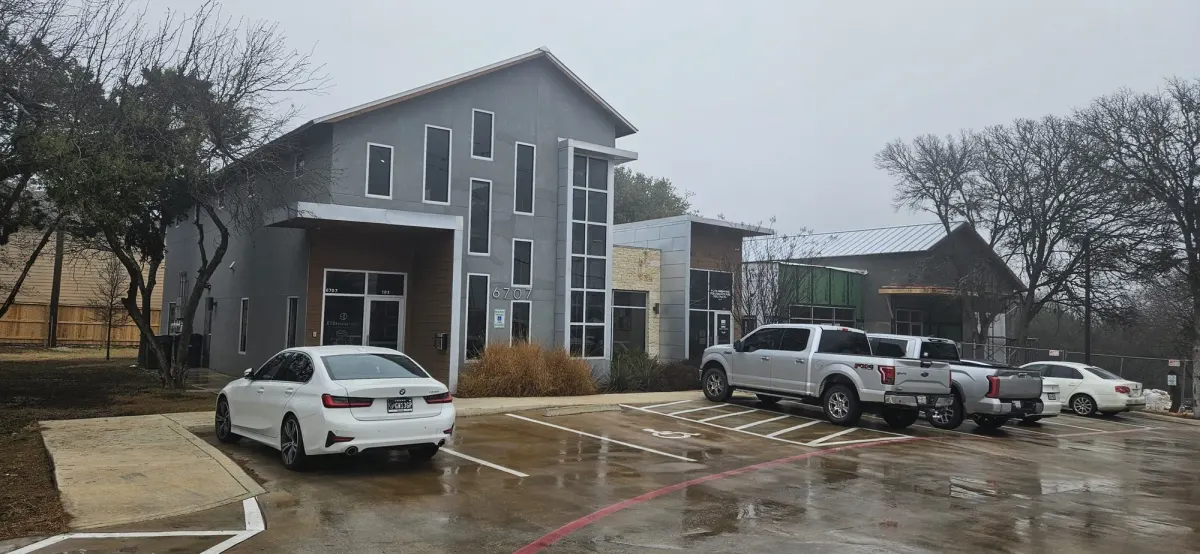 Outpatient
 San Antonio, TX
6707 W Hausman Rd · 78249
- Outpatient detox with scheduled medical visits
- Outpatient treatment
Outpatient Drug & Alcohol Detox in San Antonio
The Harmful Impact of Drug Abuse in Rural Areas
Substance abuse and addiction have an extremely negative impact on the rural communities that it affects. Some of the primary effects include:
Ready to talk to someone now? Briarwood Detox Center's admissions team is here 24/7, and every call is confidential. Call (866) 710-7710.- Increased mortality rate1
- Overworked and strained community resources (emergency response, law enforcement, and judicial and school system resources)9
- Increased health care demands9
- Loss of job productivity9
- Decrease in family stability (children being raised by grandparents or extended family because of addiction)9
- Reduced overall rural prosperity and quality of life9
Barriers to Drug Detox and Addiction Treatment in Rural Communities
Unlike residents of urban areas, many rural community members face unique challenges that may keep them from seeking out or completing drug and alcohol detox and rehab. According to SAMHSA, rural areas are particularly short on drug detox services, which is an essential part of the recovery process.11
Many of the primary barriers to addiction treatment in rural areas involve poverty, lack of resources, limited transportation, and fewer resources. Here are some statistics that highlight the major problems and barriers to rural treatment.
- More than 1.6 million families living in rural locations did not have cars, creating a significant barrier to accessing behavioral health treatment and services.11
- Only about 60 percent of U.S. counties have an outpatient substance use treatment facility that accepts Medicaid. Counties with a higher percentage of rural, Black, and/or uninsured residents are even less likely to have a Medicaid-funded treatment facility.11
- Outpatient addiction treatment services are almost four times less likely to be available in rural hospitals than in urban hospitals (12.1 percent and 43.7 percent, respectively).11
- Self-reported rates of prescription opioid misuse are higher among people living in rural locations, but only 3% of all opioid treatment programs are situated in rural areas.11
- Rural areas severely lack behavioral healthcare professionals qualified to provide specialty addiction treatment. More than 75 percent of all U.S. counties are mental health shortage areas and half of all U.S. counties have no mental health professionals at all.11
- Minorities in rural areas are more likely to be poor than minorities in urban areas, limiting their ability to pay for treatment. In 2014, the poverty rate for nonmetro African Americans was 36.9% compared with 26% for metro African Americans.11
To effectively address rural America’s drug problem, more needs to be done to improve accessibility to treatment outside of urban areas, quality of care in rural areas, and the expansion of insurance coverage so more rural residents have more affordable options for substance abuse treatment.
Traveling for Detox Treatment
Many Texas residents choose to travel to a larger metropolitan area like Austin or Houston for detox treatment. Not only does this give them a fresh start and a new environment in which to tackle their substance abuse problems, but it also can provide a more individualized and high-quality treatment experience than may be available in a smaller town or rural area.
Briarwood has detox centers in Austin and Houston, providing medically-assisted drug detox and stabilization programs for addicted adults. If you or a loved one needs help overcoming a substance abuse problem, call Briarwood Detox Center to learn more about our programs, get more details about our facilities, or enroll in a program today. Immediate beds are available.
References:
- ers.usda.gov
- centeronaddiction.org
- Substance abuse (ruralhealthinfo.org)
- crashstats.nhtsa.dot.gov
- NSDUH dettabs 2015 (SAMHSA)
- SAMHSA
- P1019 rural overdose deaths (CDC)
- Study rural areas see increase babies born opioid addiction (usatoday.com)
- usda.gov
- https://www.fb.org/newsroom/survey-shows-massive-opioid-impact-in-farm-country-farm-groups-call-for-dia
- https://store.samhsa.gov/shin/content/SMA16-4989/SMA16-4989.pdf
Ready to Start Your Recovery in Austin?
Briarwood Detox Center offers medically supervised detox in Austin. Explore our locations, see the facility, and verify your insurance in minutes.
See our locationsRelated Resources on Addiction and Detox
Understanding the scope of substance use challenges helps us provide better, more accessible care. Explore these related topics to learn more about detox services and the path to recovery:
- Overcoming Travel Hesitations — Learn why traveling to a specialized detox center like Briarwood can offer superior care, even for patients in rural or underserved areas.
- The Importance of Seeking Professional Help for Drug Detox — Discover why medically supervised detox is critical for safe, effective recovery from substance use disorder.
- How to Support a Loved One in Detox — Practical guidance for families navigating the detox process and supporting recovery from addiction.
If you or a loved one is struggling with substance use in a rural or urban setting, professional detox can be the critical first step. Call Briarwood Detox Center at (866) 710-7710 to speak with our admissions team and learn how we provide accessible, evidence-based care in Austin, Houston, San Antonio, and Colorado Springs.
In network with most major insurance
Find your plan and see what detox would cost
Most plans cover medical detox. Coverage varies by plan, so we verify it for you before you commit to anything.







Don't see your plan? We work with out-of-network benefits and offer self-pay options — (866) 710-7710
- Confidential
- Takes about 2 minutes
- No obligation to admit
- Accredited The Joint Commission
- Rated 4.7 · 182 Google reviews Flourishing Foundations Recovery, now part of Briarwood
- Admissions 24 hours a day