
Guide
Should I Be Mixing Librium and Alcohol?
Joint Commission accredited · In network with most major insurance · Admissions answered 24 hours a day

Published March 1, 2022
Reviewed and updated July 29, 2026
Table of contents
- What is Librium?
- How common is Librium abuse?
- Dangers of mixing Librium and alcohol
- Signs of addiction
- Withdrawal symptoms of Librium and alcohol
- Risks of polydrug detox
- Get detox treatment for addiction at Briarwood Detox Center
Whether a doctor prescribed you Librium for anxiety or you misuse it recreationally, taking it with alcohol can have very serious consequences. If you’re wondering whether mixing Librium and alcohol is safe, it’s not. Here are some of the risks and side effects of combining these substances.
Briarwood Detox Center’s alcohol detox program program provides medically supervised, evidence-based care.
Related post: What Happens When You Mix Ativan and Alcohol?
Does your insurance cover detox in Austin?
Find out in about 2 minutes — free, confidential, no obligation.
Verify InsuranceWhat is Librium?
Chlordiazepoxide (Librium) is a prescription benzodiazepine. Doctors use it to treat anxiety. It affects the central nervous system and increases a natural chemical found in the body called GABA, which produces a calming effect.1
Librium can cause some adverse side effects, like confusion, depression, weakness, nervousness, fatigue, dizziness, and slurred speech. These are all normal side effects, but taking high doses of Librium can cause more serious effects, like difficulty breathing or coma.2
Often, doctors also use Librium to treat symptoms of alcohol withdrawal, but any prescribed Librium should always be closely managed by a medical professional. Otherwise, people may misuse it and develop a tolerance, which can easily progress into an addiction.
How common is Librium abuse?
Misuse of benzodiazepines like Librium is very common in the U.S. According to the most recent data available from the National Survey on Drug Use and Health (NSDUH), about 4.8 million people misused prescription benzos like Librium in the past year. Young adults ages 18 to 25 were most likely to misuse these drugs. Additionally, about 1.2 million Americans had a substance use disorder involving prescription sedatives like Librium in the past year.3
Research studies indicate that benzodiazepines like Librium are most often abused with other drugs and they’re most often the secondary drug for those misusing them. Some of the most common reasons for abusing Librium and other benzos are to:
- Enhance the euphoric effects of other drugs
- Reduce the unwanted side effects of other drugs
- Alleviate withdrawal symptoms of other drugs
Frequently, people abuse benzos with opioids or alcohol, which are both very dangerous drug combinations because they can produce life-threatening side effects.
Dangers of mixing Librium and alcohol
Using Librium alone is unlikely to cause problems, unless you take very high doses of it. On the contrary, mixing Librium and alcohol is very dangerous. Although it’s a common practice among people who abuse other substances, Librium and alcohol are both central nervous system depressants and can cause harmful or life-threatening side effects, such as:4
- Excessive drowsiness
- Confusion
- Memory problems
- Loss of consciousness
- Slow or shallow breathing
- Impaired motor control
- Increased risk for overdose
- Death
Additionally, people who suffer from memory problems after a heavy drinking episode or depression related to an alcohol use disorder may be more likely to have these issues if they also misuse benzodiazepines like Librium.5
The risks of mixing alcohol and Librium are well-known and the FDA published an official warning about the possible effects or combining them.6 As a result, someone who regularly misuses alcohol and benzos should seek treatment right away, as they are at high risk of overdose and other severe side effects.
Where we are
Detox centers across Texas
Three locations, each with its own admissions line and its own clinical team. Pick the one nearest you — or call and we will tell you which has a bed tonight.
-
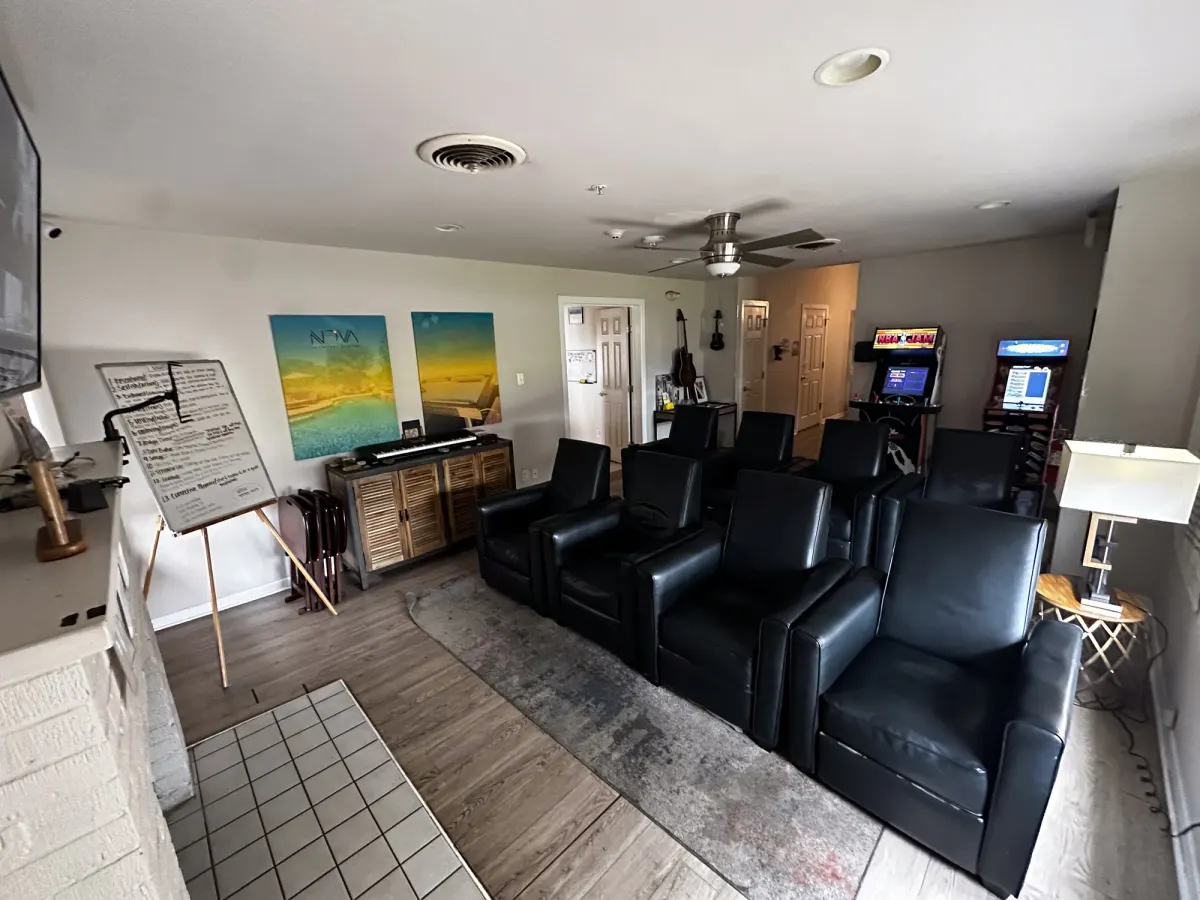 Inpatient
 Austin, TX
11711 N Lamar Blvd · 78753
- 15 beds
- On-site labs
- 24-hour medical staff
Drug & Alcohol Detox in Austin, TX
-
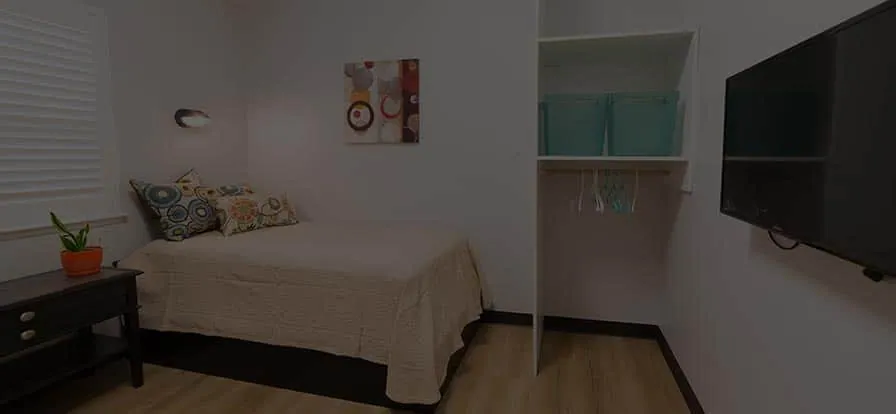 Inpatient
 Houston, TX
1019 Ashland St · 77008
- On-site labs
- 24-hour medical staff
Drug Detox Center in Houston, TX
-
 Outpatient
 San Antonio, TX
6707 W Hausman Rd · 78249
- Outpatient detox with scheduled medical visits
- Outpatient treatment
Outpatient Drug & Alcohol Detox in San Antonio
Signs of addiction
People who find it very difficult to stop using Librium and alcohol may have developed a physical dependence or addiction to one or both substances. If you’ve used Librium for an extended time, even just under the supervision of a doctor, you can become physically dependent, which means your body needs the drug to feel “normal.” Similarly, long-term use of alcohol can cause the same dependence. If you’re physically dependent and you suddenly stop using Librium or drinking alcohol, you’re likely to experience uncomfortable withdrawal symptoms.
Ready to talk to someone now? Briarwood Detox Center's admissions team is here 24/7, and every call is confidential. Call (866) 710-7710.At the point where you’re compulsively abusing alcohol and Librium, you’ve developed an addiction. This is characterized by an inability to control your drug use, but there are also other signs of Librium and alcohol addiction, including:
- Having strong urges or cravings
- Using Librium or alcohol in higher or more frequent doses than intended
- Needing higher doses or more frequent doses to achieve the desired effects
- Spending a lot of time thinking about using Librium or alcohol, getting it, and recovering from the effects of using
- Continuing to use these substances even when you know they’re causing physical and psychological harm
- Failing to maintain obligations at work, home, or school due to Librium and alcohol abuse
- Using Librium and alcohol in situations where it’s dangerous to do so, such as while driving or while you’re on the job
- Giving up hobbies and activities that were previously enjoyable and important to you so you can abuse alcohol and Librium instead
Withdrawal symptoms of Librium and alcohol
Experiencing one or more of the symptoms listed above is an indicator that you may be physically dependent or addicted to Librium and alcohol. Unfortunately, if that’s the case, you’re also likely to experience some uncomfortable withdrawal symptoms if you try to cut back or stop using them altogether.
Common symptoms of Librium and alcohol withdrawal include:7,8
- Insomnia
- Headaches
- Anxiety
- Irritability
- Nausea
- Vomiting
- Rapid heartbeat
- Restlessness
- Hallucinations
- Seizures
The severity of withdrawal from Librium and alcohol varies depending on the person. However, heavy drinkers may experience Delirium Tremens, which is a more extreme and severe form of alcohol withdrawal. Severe benzodiazepine withdrawal can also cause delirium or seizures, which can be dangerous. As such, it’s always best to detox from Librium and alcohol with medical supervision.
Risks of polydrug detox
Polydrug detox (which involves withdrawing from two or more substances simultaneously) can be very unpredictable, and in some cases, severe. If you’re addicted to both alcohol and Librium, it’s a good idea to detox at a licensed detox center where a team of doctors, nurses, and counselors can treat your withdrawal symptoms and ensure your safety throughout the entire process.
During detox, treatment professionals may actually use benzos like Librium to help treat alcohol withdrawal symptoms. Researchers have found that these drugs are effective when administered by medical professionals for detox, but people with a history of substance use disorders may also be more likely to misuse them. So, health experts never recommend self-medicating with Librium or other benzos for alcohol withdrawal. Instead, it should be administered in a medically-controlled and safe environment, like a detox center.
Related post: What is Polysubstance Abuse?
Get detox treatment for addiction at Briarwood Detox Center
If you’re addicted to Librium and alcohol and you need help to get sober, the caring professionals at Briarwood Detox Center are here to help. We provide individualized detox programs to ensure your safety and comfort during withdrawal. We understand that going to detox can be scary, but we’ll be here to guide you each step of the way.
When you’re ready to get started, please call (866) 710-7710 or contact us online and we’ll reach out shortly.
References:
- WebMD
- Benzodiazepine abuse (WebMD)
- https://www.samhsa.gov/data/sites/default/files/reports/rpt35325/NSDUHFFRPDFWHTMLFiles2020/2020NSDUHFFR1PDFW102121.pdf
- NIH
- aafp.org
- FDA
- PubMed
- NIAAA
Ready to Start Your Recovery in Austin?
Briarwood Detox Center offers medically supervised detox in Austin. Explore our locations, see the facility, and verify your insurance in minutes.
See our locationsRelated guides
In network with most major insurance
Find your plan and see what detox would cost
Most plans cover medical detox. Coverage varies by plan, so we verify it for you before you commit to anything.












Don't see your plan? We work with out-of-network benefits and offer self-pay options — (866) 710-7710
- Confidential
- Takes about 2 minutes
- No obligation to admit
- Accredited The Joint Commission
- Rated 4.7 · 182 Google reviews Flourishing Foundations Recovery, now part of Briarwood
- Admissions 24 hours a day