
Guide
Signs Someone You Love Needs Inpatient Detox in Austin, Texas
Joint Commission accredited · In network with most major insurance · Admissions answered 24 hours a day


Published May 6, 2026
Reviewed and updated July 29, 2026
Why Inpatient Detox Is Different From Just "Quitting"
Physical Signs That Someone Needs Detox Now
The body often tells the truth even when a person won't. Here are the physical warning signs that should prompt you to seek inpatient detox as soon as possible:
- Tremors or shaking — especially in the morning or between uses, this can signal physical dependence
- Sweating, nausea, or vomiting when they haven't used recently — classic withdrawal symptoms
- Significant weight loss or visible malnutrition, common with stimulant or opioid use
- Jaundice or yellowing of the skin/eyes — a sign of liver damage often associated with heavy drinking
- Pinpoint pupils or glassy, unfocused eyes — frequently seen with opioid use
- Slurred speech or loss of coordination that occurs regularly, not just occasionally
- Seizures — an emergency. If your loved one has had a seizure related to substance use, call 911 and then contact a detox center immediately
- Frequent blackouts or memory gaps they can't explain
- Using first thing in the morning to feel "normal" or prevent sickness
Any one of these signs warrants a serious conversation. Several of them together represent a medical emergency that requires professional intervention, not a wait-and-see approach.
Behavioral and Emotional Warning Signs to Watch For
Physical symptoms aren't always visible from the outside, especially if your loved one has become skilled at hiding their use. Behavioral and emotional changes can be just as telling:
- Increased secrecy — hiding bottles, disappearing for hours, locking doors, becoming defensive when asked simple questions
- Abandoning responsibilities — missing work, skipping family events, neglecting children or bills
- Dramatic mood swings — cycling between euphoria, irritability, anxiety, and depression in ways that feel unpredictable
- Withdrawing from relationships — pulling away from people who don't use, replacing old friendships with new ones centered around substance use
- Legal or financial problems — DUIs, arrests, drained savings accounts, or unexplained debt
- Promises they can't keep — repeatedly swearing they'll cut back or quit and being unable to follow through
- Risky behavior — driving under the influence, using alone, combining substances
- Loss of interest in hobbies they used to love — when the substance becomes the only thing that matters
These behaviors are not character flaws — they are symptoms of a disease that has taken hold. Understanding this can help you approach the situation with compassion rather than judgment, which is critical when you're trying to help someone accept care.
Where we are
Detox centers across Texas
Three locations, each with its own admissions line and its own clinical team. Pick the one nearest you — or call and we will tell you which has a bed tonight.
-
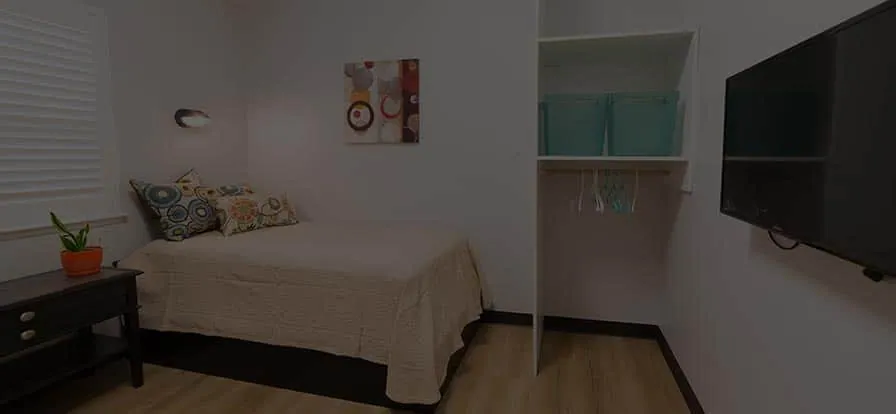
 Inpatient
 Austin, TX
11711 N Lamar Blvd · 78753
- 15 beds
- On-site labs
- 24-hour medical staff
Drug & Alcohol Detox in Austin, TX
-
 Inpatient
 Houston, TX
1019 Ashland St · 77008
- On-site labs
- 24-hour medical staff
Drug Detox Center in Houston, TX
-
 Outpatient
 San Antonio, TX
6707 W Hausman Rd · 78249
- Outpatient detox with scheduled medical visits
- Outpatient treatment
Outpatient Drug & Alcohol Detox in San Antonio
Signs That Outpatient Treatment Isn't Enough
Not every person with a substance use disorder needs inpatient detox. Some people can manage withdrawal safely with outpatient support. But there are specific circumstances where inpatient care is strongly recommended — and trying to manage with less-intensive options can put your loved one in danger. Consider inpatient detox if your loved one:
- Has tried to quit before and experienced severe withdrawal symptoms
- Has a history of seizures or delirium tremens during withdrawal
- Is using alcohol, benzodiazepines, or opioids heavily and daily
- Has a co-occurring mental health condition such as depression, anxiety, bipolar disorder, or PTSD
- Lives in an environment where substances are readily available and sobriety is unsupported
- Has relapsed after previous outpatient attempts
- Is at risk of self-harm or has expressed suicidal thoughts
How to Talk to Your Loved One About Getting Help in Austin
What to Expect From Inpatient Detox at Briarwood in Austin
If your loved one agrees to get help — or if you're preparing to make the call — it helps to know what inpatient detox actually looks like so you can reassure them (and yourself). At Briarwood Detox Center, the process typically includes:
- A comprehensive intake assessment — gathering medical history, substance use history, and current health status to create an individualized detox plan
- 24/7 medical monitoring — nurses and physicians available around the clock to manage withdrawal safely
- Medication-assisted treatment (MAT) when appropriate — FDA-approved medications to ease withdrawal symptoms and reduce cravings
- Emotional and therapeutic support — individual counseling, group sessions, and holistic therapies to begin addressing the psychological side of addiction
- Discharge planning and aftercare coordination — connecting your loved one to the next level of care so momentum isn't lost after detox
Taking the First Step: Family Addiction Help in Austin, Texas
Frequently Asked Questions
What are the most serious signs that someone needs inpatient detox right away?+–
The most urgent warning signs include seizures, severe tremors, vomiting that won't stop, confusion or hallucinations, and using substances first thing in the morning just to function. These indicate physical dependence and the potential for dangerous withdrawal — situations that require 24/7 medical supervision in an inpatient detox setting, not home management.
How is inpatient detox different from just quitting cold turkey at home?+–
Quitting cold turkey at home can be life-threatening for people dependent on alcohol, benzodiazepines, or opioids. Inpatient detox provides around-the-clock medical monitoring, medication to manage withdrawal symptoms safely, and immediate intervention if complications arise. It dramatically reduces the physical risk of withdrawal and significantly improves the chances of completing detox successfully.
Can I force my family member to go to detox if they refuse?+–
In most cases, adults cannot be legally forced into treatment unless they meet specific criteria for an emergency psychiatric hold. However, a structured intervention led by a professional interventionist can be highly effective at motivating someone to accept help voluntarily. Creating clear, compassionate boundaries and having a specific treatment option ready — like a bed at Briarwood Detox in Austin — also increases the likelihood of acceptance.
Does insurance cover inpatient detox in Austin, Texas?+–
Many insurance plans, including Medicaid, Medicare, and most private insurers, cover inpatient detox because addiction is classified as a medical condition. Coverage varies by plan and provider, so it's important to verify benefits before admission. Briarwood Detox Center works with many major insurance carriers and can help you verify coverage when you call.
How long does inpatient detox typically last in Austin?+–
The length of inpatient detox depends on the substance involved, the severity of dependence, and the individual's medical history. Most detox programs last between 5 and 10 days, though some may be shorter or longer. After detox is complete, most treatment professionals recommend transitioning to a residential program, intensive outpatient program (IOP), or other continuing care to address the psychological and behavioral aspects of addiction.
What should I do if I think my loved one is in immediate danger from withdrawal?+–
If your loved one is experiencing a seizure, loss of consciousness, severe confusion, or hallucinations related to withdrawal, call 911 immediately — this is a medical emergency. Once they are stabilized, contact a detox center like Briarwood at (866) 710-7710 to arrange professional detox care so they don't face the same crisis again when they attempt to stop using. Call Now: (866) 710-7710 Ready to Start Your Recovery in Austin? If you or someone you love needs more than detox, Briarwood Detox Center also provides drug treatment centers austin . Does your insurance cover detox in Austin? Find out in about 2 minutes — free, confidential, no obligation. Verify Insurance Briarwood Detox Center offers medically supervised detox in Austin. Explore our locations, see the facility, and verify your insurance in minutes. Ready to talk to someone now? Briarwood Detox Center's admissions team is here 24/7, and every call is confidential. Call (866) 710-7710 . See our locations
Related guides



In network with most major insurance
Find your plan and see what detox would cost
Most plans cover medical detox. Coverage varies by plan, so we verify it for you before you commit to anything.

















Don't see your plan? We work with out-of-network benefits and offer self-pay options — (866) 710-7710
- Confidential
- Takes about 2 minutes
- No obligation to admit

- Accredited The Joint Commission
- Rated 4.5 · 94 Google reviews
- Admissions 24 hours a day