
Guide
Success Rate: Outpatient vs Residential Inpatient for Alcohol
Joint Commission accredited · In network with most major insurance · Admissions answered 24 hours a day


Published July 18, 2026
Reviewed and updated July 29, 2026
The success rate for outpatient treatment versus residential inpatient programs for alcohol addiction depends heavily on individual factors rather than treatment setting alone. Research shows that both modalities can achieve similar long-term outcomes when patients are properly matched to the appropriate level of care. Inpatient medically supervised detox typically shows higher completion rates (70-85%) during the acute withdrawal phase compared to outpatient detox (60-75%), primarily because the controlled environment removes access to alcohol and provides 24/7 medical monitoring. However, success beyond detox—measured by sustained sobriety at 6 and 12 months—correlates more strongly with engagement in continuing care, severity of dependence, co-occurring disorders, and social support than with whether detox occurred inpatient or outpatient.
If you or someone you love needs more than detox, Briarwood Detox Center also provides drug rehab austin.
Briarwood Detox Center’s alcohol detox program program provides medically supervised, evidence-based care.
Understanding Success Rate Metrics for Alcohol Addiction Treatment
Success rates in addiction treatment are notoriously difficult to compare because studies define "success" differently. Some measure detox completion, others track 30-day sobriety, and still others look at reduced drinking rather than total abstinence. When evaluating outpatient treatment versus residential inpatient programs for alcohol addiction, you need to understand what each number actually represents.
Does your insurance cover detox in Austin?
Find out in about 2 minutes — free, confidential, no obligation.
Verify InsuranceDetox completion rates measure whether a patient finishes the withdrawal management phase without leaving against medical advice. Inpatient settings generally report higher completion because patients cannot easily leave and face no external triggers. Outpatient detox requires patients to return home each evening, where access to alcohol and environmental cues can derail progress.
Long-term sobriety rates—typically measured at 6 months, 1 year, and beyond—tend to equalize between treatment settings when researchers control for severity. A patient with mild to moderate alcohol use disorder may achieve the same 12-month abstinence rate in outpatient detox as someone with similar severity who chose inpatient care. The differentiator becomes clinical appropriateness rather than setting superiority.
Clinical Factors That Predict Success Rate in Outpatient Treatment
Outpatient detox works best for individuals with specific clinical and social characteristics. At Briarwood Detox Center's outpatient locations in Austin, San Antonio, Houston, and Colorado Springs, we assess these factors during intake to determine medical appropriateness.
Mild to moderate withdrawal risk is the primary criterion. Patients who score low on the Clinical Institute Withdrawal Assessment (CIWA-Ar) and have no history of seizures or delirium tremens are safer candidates for outpatient detox. Those with severe dependence—consuming a liter or more of spirits daily for months or years—face higher risks of dangerous withdrawal complications that require inpatient monitoring.
Stable living environment significantly impacts outpatient success rates. Patients who live with supportive family members, have no one actively using substances in the home, and can reliably attend daily appointments show better outcomes. Conversely, someone experiencing homelessness or living with an active drinker faces obstacles that undermine outpatient detox completion.
- No history of withdrawal seizures or delirium tremens
- Drinking pattern under 12 standard drinks daily
- Stable housing with sober support
- No severe co-occurring psychiatric conditions requiring inpatient stabilization
- Reliable transportation to attend daily medical visits
- Ability to follow medication protocols without supervision
When Residential Inpatient Programs Show Higher Success Rates
Certain patient profiles consistently demonstrate better outcomes in medically supervised inpatient detox settings. Severity of alcohol dependence is the strongest predictor. When someone has been drinking heavily for years, experiences withdrawal symptoms within hours of their last drink, or has a history of complicated withdrawals, inpatient care provides the medical intensity needed for safe, successful detox.
Co-occurring mental health disorders often necessitate inpatient treatment for alcohol addiction. Someone experiencing active suicidal ideation, severe depression, or acute anxiety that worsens during withdrawal needs 24/7 psychiatric monitoring that outpatient settings cannot provide. The controlled environment allows medical teams to adjust medications in real-time and intervene immediately if psychiatric symptoms escalate.
Previous outpatient treatment failures also indicate that residential inpatient programs may offer better success rates for that individual. If someone has attempted outpatient detox multiple times and relapsed during the withdrawal phase, the pattern suggests environmental triggers or insufficient medical support. Inpatient detox removes those variables and provides the structure needed to complete withdrawal.
Where we are
Detox centers across Texas
Three locations, each with its own admissions line and its own clinical team. Pick the one nearest you — or call and we will tell you which has a bed tonight.
-
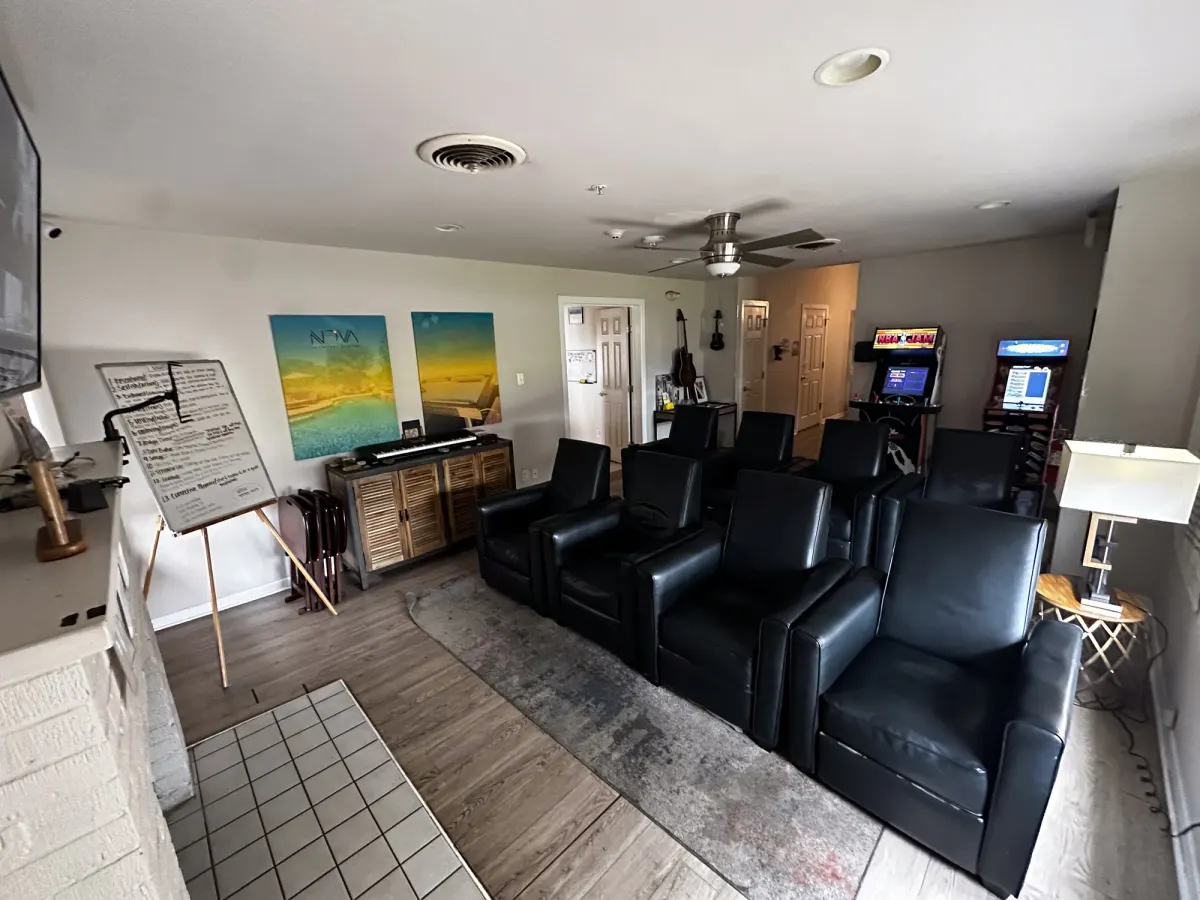 Inpatient
 Austin, TX
11711 N Lamar Blvd · 78753
- 15 beds
- On-site labs
- 24-hour medical staff
Drug & Alcohol Detox in Austin, TX
-
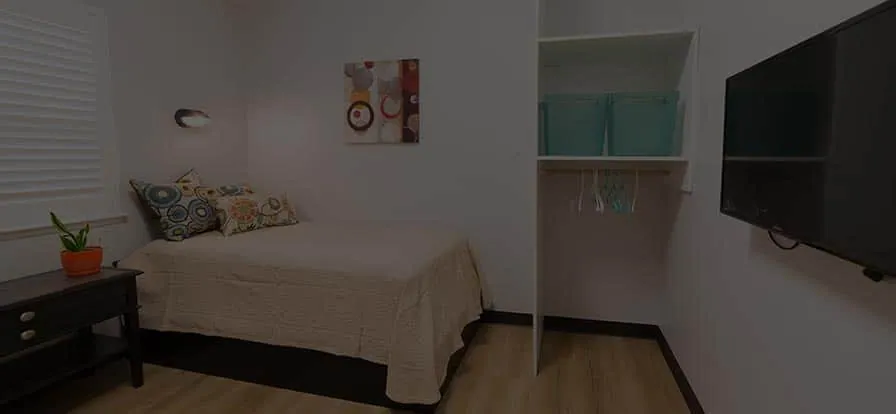 Inpatient
 Houston, TX
1019 Ashland St · 77008
- On-site labs
- 24-hour medical staff
Drug Detox Center in Houston, TX
-
 Outpatient
 San Antonio, TX
6707 W Hausman Rd · 78249
- Outpatient detox with scheduled medical visits
- Outpatient treatment
Outpatient Drug & Alcohol Detox in San Antonio
How Withdrawal Physiology Affects Success in Different Settings
Alcohol withdrawal unfolds in predictable phases, and the setting must match the intensity of symptoms. Minor withdrawal symptoms—tremors, anxiety, insomnia, elevated heart rate—typically begin 6-12 hours after the last drink and peak around 24-48 hours. Most patients can manage these symptoms safely in an outpatient setting with appropriate medications like benzodiazepines, beta blockers, and anticonvulsants.
Major withdrawal complications include seizures (typically occurring 12-48 hours into withdrawal) and delirium tremens (usually starting 48-72 hours after cessation). These medical emergencies require immediate intervention. Inpatient detox centers have the staff, equipment, and protocols to manage these complications the moment they appear. Outpatient detox relies on patients recognizing warning signs and seeking emergency care, which introduces dangerous delays.
At Briarwood Detox Center, our medically supervised inpatient detox in Austin provides continuous monitoring throughout this critical window. For patients assessed as lower-risk, our outpatient detox programs in Austin, San Antonio, Houston, and Colorado Springs use daily check-ins, medication management, and clear escalation protocols to maintain safety while allowing patients to remain in their communities.
The Role of Medical Supervision in Outpatient Treatment Success Rates
Not all outpatient programs provide the same level of medical oversight, and this variation directly impacts success rates for outpatient treatment versus residential inpatient programs. Social-model outpatient programs that rely primarily on counseling and peer support show significantly lower detox completion rates than medically managed outpatient detox.
Medically managed outpatient detox involves daily or near-daily visits with prescribing clinicians, vital sign monitoring, CIWA-Ar scoring, and protocol-driven medication adjustments. This model approaches inpatient care in medical intensity while allowing patients to sleep at home. Studies comparing high-intensity outpatient detox to inpatient detox for appropriately selected patients show nearly equivalent completion rates.
Medication protocols make the difference. Benzodiazepines remain the gold standard for managing alcohol withdrawal, reducing seizure risk by approximately 90%. Front-loading or symptom-triggered dosing requires medical expertise and frequent assessment. Outpatient settings that cannot provide this level of pharmacological management will inevitably show lower success rates.
Ready to talk to someone now? Briarwood Detox Center's admissions team is here 24/7, and every call is confidential. Call (866) 710-7710.Measuring Success Beyond Detox Completion for Alcohol Addiction
Detox is the first step, not the finish line. The most meaningful success rate for outpatient treatment versus residential inpatient programs measures sustained recovery months and years after withdrawal ends. Here, research reveals a surprising truth: the detox setting matters less than what happens afterward.
Engagement in continuing care is the strongest predictor of long-term sobriety. Patients who transition from detox—whether inpatient or outpatient—into ongoing outpatient therapy, medication-assisted treatment, peer support, or intensive outpatient programs maintain sobriety at much higher rates than those who view detox as standalone treatment. One year abstinence rates jump from roughly 20-30% for detox-only patients to 50-60% for those engaged in continuing care.
This finding has important implications. If an inpatient detox program discharges patients with no transition plan, its ultimate success rate may be lower than an outpatient detox that builds in automatic enrollment to ongoing services. The setting provides safe withdrawal management, but the continuum determines recovery durability.
Insurance Coverage and Access as Success Rate Variables
Practical factors like insurance coverage and geographic access influence which patients can access inpatient versus outpatient care, creating selection effects that skew success rate comparisons. Many insurance plans require medical necessity authorization for inpatient detox, limiting it to high-severity cases while steering moderate-severity patients to outpatient settings.
This creates a severity mismatch in published statistics. If insurance policies predominantly place high-risk patients in inpatient care and moderate-risk patients in outpatient care, comparing raw success rates becomes misleading. The inpatient cohort faces inherently worse prognosis due to greater medical complexity, not because the setting is less effective.
At Briarwood Detox Center, we accept most major insurance plans and verify benefits to determine which level of care your policy covers. Our team works with you to identify the most appropriate setting based on clinical factors first, then navigates coverage to make that care accessible. We offer both inpatient detox at our Austin location and outpatient detox in Austin, San Antonio, Houston, and Colorado Springs to match treatment intensity to individual need.
Making an Informed Decision About Treatment Setting
Choosing between outpatient treatment versus residential inpatient programs for alcohol addiction should be a clinical decision guided by medical assessment, not a preference based on convenience or cost alone. The right level of care maximizes both safety and success rate for your specific situation.
Schedule a professional assessment before making this decision. Attempting outpatient detox when you meet criteria for inpatient care increases the risk of medical complications, detox failure, and rapid relapse. Conversely, choosing inpatient care when outpatient would suffice may create unnecessary disruption to work and family responsibilities, potentially reducing your willingness to complete treatment.
Consider your history honestly. Have you tried outpatient detox before and relapsed during withdrawal? Do you experience severe anxiety or shaking within hours of your last drink? Do you live with someone who drinks heavily? These factors point toward inpatient care. If your drinking is more recent, you have a stable support system, and you've never experienced withdrawal seizures, outpatient detox may be both safe and effective.
If you're struggling with alcohol dependence and need help determining the right level of care, reach out to Briarwood Detox Center for a confidential assessment. Our clinical team can evaluate your specific situation and recommend the safest, most effective path forward.
Ready to take the next step?
Briarwood Detox Center provides medically supervised drug & alcohol detox. Call (866) 710-7710 to speak with our team today.
Frequently Asked Questions
What percentage of people complete outpatient detox versus inpatient detox?+–
Inpatient medically supervised detox typically shows completion rates of 70-85%, while outpatient detox completion ranges from 60-75%. The difference stems primarily from the controlled inpatient environment removing access to substances and external triggers. However, when patients are appropriately matched to outpatient care based on severity and risk factors, completion rates approach those of inpatient settings.
Can outpatient detox be as safe as inpatient for alcohol withdrawal?+–
Outpatient detox can be equally safe for patients with mild to moderate withdrawal risk, no history of seizures or delirium tremens, and stable living situations. Medically managed outpatient programs with daily monitoring, protocol-driven medications, and clear escalation plans provide appropriate safety for lower-risk patients. High-risk patients with severe dependence or complicated withdrawal history require the 24/7 monitoring that only inpatient settings provide.
How do long-term sobriety rates compare between outpatient and inpatient alcohol treatment?+–
When researchers control for severity and patient characteristics, long-term sobriety rates at 6 and 12 months are similar between outpatient and inpatient detox. The strongest predictor of sustained sobriety is engagement in continuing care after detox, not the detox setting itself. Patients who transition into ongoing therapy, support groups, or medication-assisted treatment maintain sobriety at rates 20-30 percentage points higher than those who receive detox alone.
Does insurance cover both inpatient and outpatient alcohol detox?+–
Most major insurance plans cover both inpatient and outpatient alcohol detox, but coverage levels and authorization requirements differ. Inpatient detox typically requires medical necessity review and is approved for patients meeting severity criteria. Outpatient detox usually has fewer authorization barriers but still requires clinical documentation. Briarwood Detox Center verifies benefits with your insurance to determine which level of care your plan covers and any out-of-pocket costs.
What alcohol use severity requires inpatient rather than outpatient detox?+–
Inpatient detox is medically indicated for patients drinking heavily for extended periods (typically 12+ standard drinks daily), those with previous withdrawal seizures or delirium tremens, individuals with severe co-occurring mental health conditions, and anyone who has failed outpatient detox attempts. A clinical assessment using tools like the CIWA-Ar scale helps determine appropriate level of care based on withdrawal risk rather than drinking quantity alone.
How long does alcohol detox take in outpatient versus inpatient settings?+–
The physiological withdrawal timeline is the same regardless of setting—acute symptoms typically peak at 24-72 hours and resolve within 5-7 days. Inpatient detox programs usually last 5-10 days with 24/7 monitoring throughout. Outpatient detox follows the same timeline but patients attend daily medical visits for monitoring and medication management while sleeping at home, often spanning 7-10 days of active medical management.
Can I switch from outpatient to inpatient detox if symptoms become severe?+–
Yes, medically managed outpatient detox programs include protocols for escalating care if withdrawal symptoms exceed safe outpatient management thresholds. If you develop signs of severe withdrawal—high CIWA-Ar scores, uncontrolled tremors, hallucinations, or confusion—the medical team will recommend immediate transfer to inpatient care. This stepwise approach allows appropriate-risk patients to attempt outpatient detox with a clear safety net if medical needs increase.
What happens after completing alcohol detox in either setting?+–
Successful detox addresses acute withdrawal but not the underlying alcohol use disorder. Both inpatient and outpatient detox should transition patients to continuing care such as outpatient therapy, intensive outpatient programs, peer support groups, or medication-assisted treatment. Research shows patients who engage in at least 90 days of continuing care after detox maintain significantly higher sobriety rates than those who receive detox alone, regardless of which setting provided the initial withdrawal management. Ready to Start Your Recovery in Austin? Briarwood Detox Center offers medically supervised detox in Austin. Explore our locations, see the facility, and verify your insurance in minutes. See our locations
Related guides


In network with most major insurance
Find your plan and see what detox would cost
Most plans cover medical detox. Coverage varies by plan, so we verify it for you before you commit to anything.














Don't see your plan? We work with out-of-network benefits and offer self-pay options — (866) 710-7710
- Confidential
- Takes about 2 minutes
- No obligation to admit
- Accredited The Joint Commission
- Rated 4.7 · 182 Google reviews Flourishing Foundations Recovery, now part of Briarwood
- Admissions 24 hours a day