
Guide
The 8 Stages of Addiction—Know the Signs
Joint Commission accredited · In network with most major insurance · Admissions answered 24 hours a day

Published August 17, 2022
Reviewed and updated July 29, 2026
Table of contents
- Stage 1: Introduction
- Stage 2: Experimentation
- Stage 3: Regular Use
- Stage 4: High-Risk Use
- Stage 5: Chronic Dependence
- Stage 6: Addiction
- Stage 7: Crisis & Intervention
- Stage 8: Recovery
The stages of addiction are a gradual progression that affects over 20 million Americans annually. That may be a staggering number to hear but considering the number of people with undiagnosed substance abuse disorders, the number should likely be even higher.
If you or someone you love needs more than detox, Briarwood Detox Center also provides rehab in austin texas.
There are a few different models of addiction, some describe it as a cycle while others measure it in stages. Even though these different models vary from one another, they all hit four key thresholds: experimentation, regular use, high-risk use, and finally, addiction. But addiction shouldn’t be boiled down to just four stages, so let's expand on these topics to understand this condition better.
Does your insurance cover detox in Austin?
Find out in about 2 minutes — free, confidential, no obligation.
Verify InsuranceStage 1: Introduction
This stage is solidified by the moment an individual tries an addictive substance for the first time, often occurring in adolescence or young adulthood. Addiction is contingent on introduction or initiation, not defined by it. These first two stages are not absolute in leading to substance abuse—instead, they are behaviors to be aware of and monitor.
The decision to try a substance for the first time usually isn’t random. A few reasons an individual may be predisposed to drugs include the availability of the substance, peer usage and/or pressure, family history, and mental health conditions.
An individual’s experience could stop at this stage and never proceed any closer to addiction. But many will continue their substance use until simply using is no longer enough.
Stage 2: Experimentation
Stage 2 is classified by the individual testing the boundaries of their chosen substance(s). A dangerous aspect of this stage that usually progresses experimentation into regular use is the failure to establish any boundaries or threshold. The user may try substance use in a variety of social settings, as a means of relaxation after a stressful day, or even as self-prescribed physical pain management.
Experimentation is especially misleading because drug usage is still new enough that the user has not experienced any negative effects. Lack of perceived consequence may encourage the individual to explore substance use more recklessly and with little to no moderation.
It’s important to note that at this stage, the individual is still making the conscious decision to participate in substance use. Dependency on the drug has not been established yet.
Stage 3: Regular Use
At this stage, substance use has become habitual and is likely being incorporated into the user’s daily life. Normalizing the use of a substance may seem like definitive addiction, but there is still a lack of dependency at this juncture.
Individuals are still actively choosing substance use and incorporating it into a routine. Substance use may be affecting the user's daily life, experiencing some of the negative consequences previously unseen in the experimentation phase. Showing up to work hungover or still under the influence is not uncommon at this stage.
Ready to talk to someone now? Briarwood Detox Center's admissions team is here 24/7, and every call is confidential. Call (866) 710-7710.Tolerance
Additionally, building tolerance is instrumental in building regular use into high-risk use. Once a person’s substance use has become habitual, their body will build up a tolerance and it will take more and more of the drug to achieve the previous desired effects. This builds a sense of desperation to reach that same feeling of euphoria so much so that it becomes dependence.
Where we are
Detox centers across Texas
Three locations, each with its own admissions line and its own clinical team. Pick the one nearest you — or call and we will tell you which has a bed tonight.
-
 Inpatient
 Austin, TX
11711 N Lamar Blvd · 78753
- 15 beds
- On-site labs
- 24-hour medical staff
Drug & Alcohol Detox in Austin, TX
-
 Inpatient
 Houston, TX
1019 Ashland St · 77008
- On-site labs
- 24-hour medical staff
Drug Detox Center in Houston, TX
-
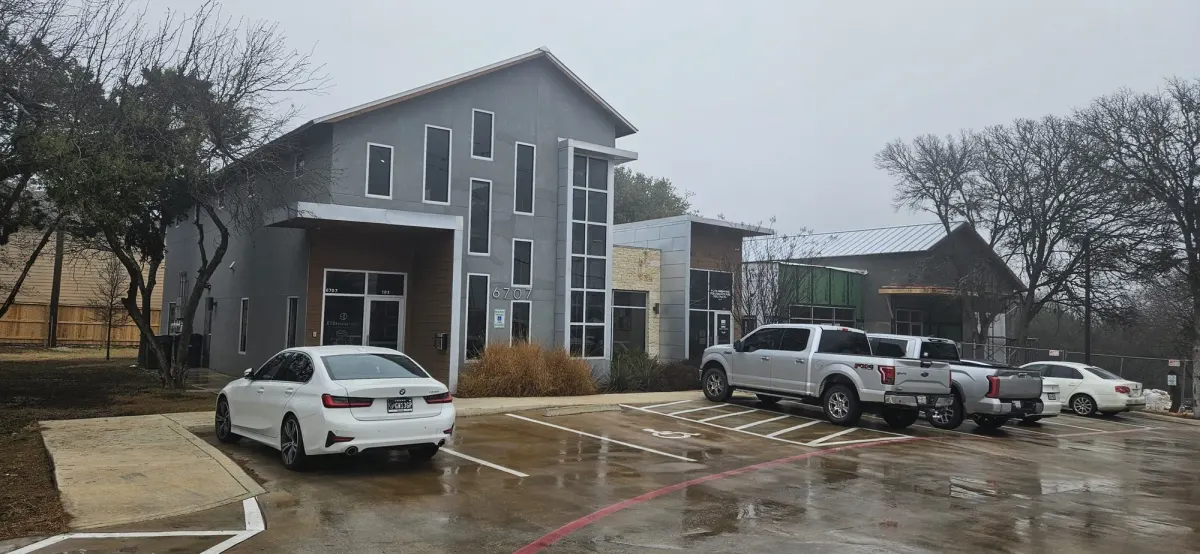 Outpatient
 San Antonio, TX
6707 W Hausman Rd · 78249
- Outpatient detox with scheduled medical visits
- Outpatient treatment
Outpatient Drug & Alcohol Detox in San Antonio
Stage 4: High-Risk Use
Building off of regular use, high-risk use involves the substance impacting the daily life of the user. Use is no longer casual. The desperation that began taking root in Stage 4 is now a mainstay in the user’s consciousness. Frequency has increased and the indicators of addiction may now be noticeable by the people close to the user:
- The decline in work/school performance
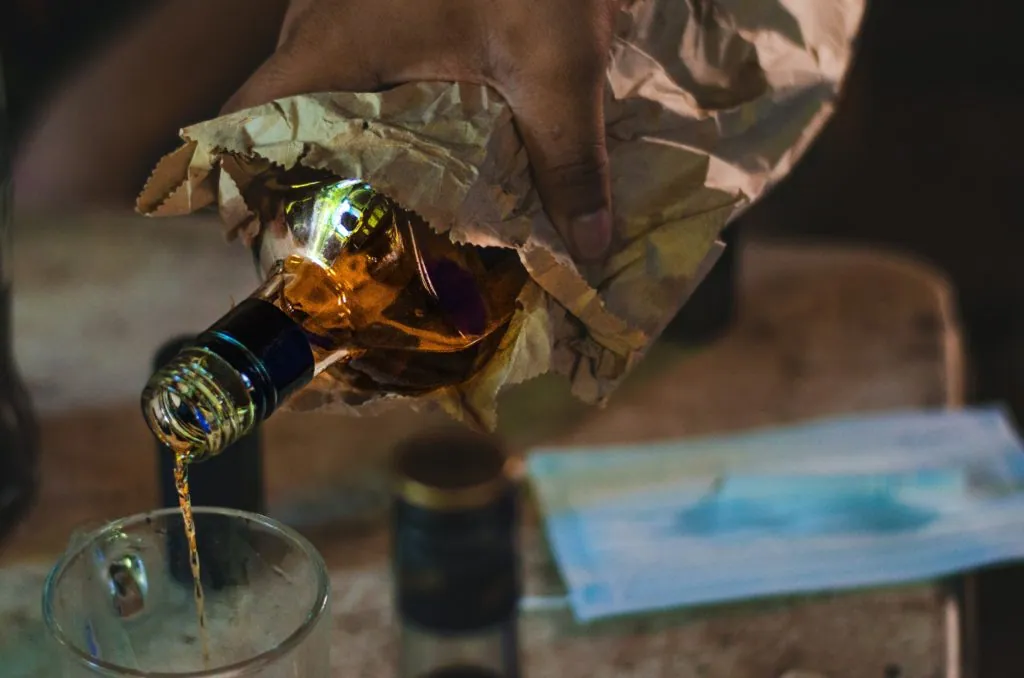
- Hiding the substance in easily accessible places (i.e. vodka in a water bottle)
- Borrowing or stealing money/Selling items to pay for drugs
- Change in peer groups and cycling through friends quickly
- Loss of interest in hobbies/activities
Consequently, many users in this stage will engage in behavior that can have a significant impact on their lives. Alcoholics may incur a DUI or a prescription drug user may ruin their career due to poor work performance. Substance abuse in the high-risk stage is no longer recreational and the individual is beginning to see lasting effects.
Stage 5: Chronic Dependence
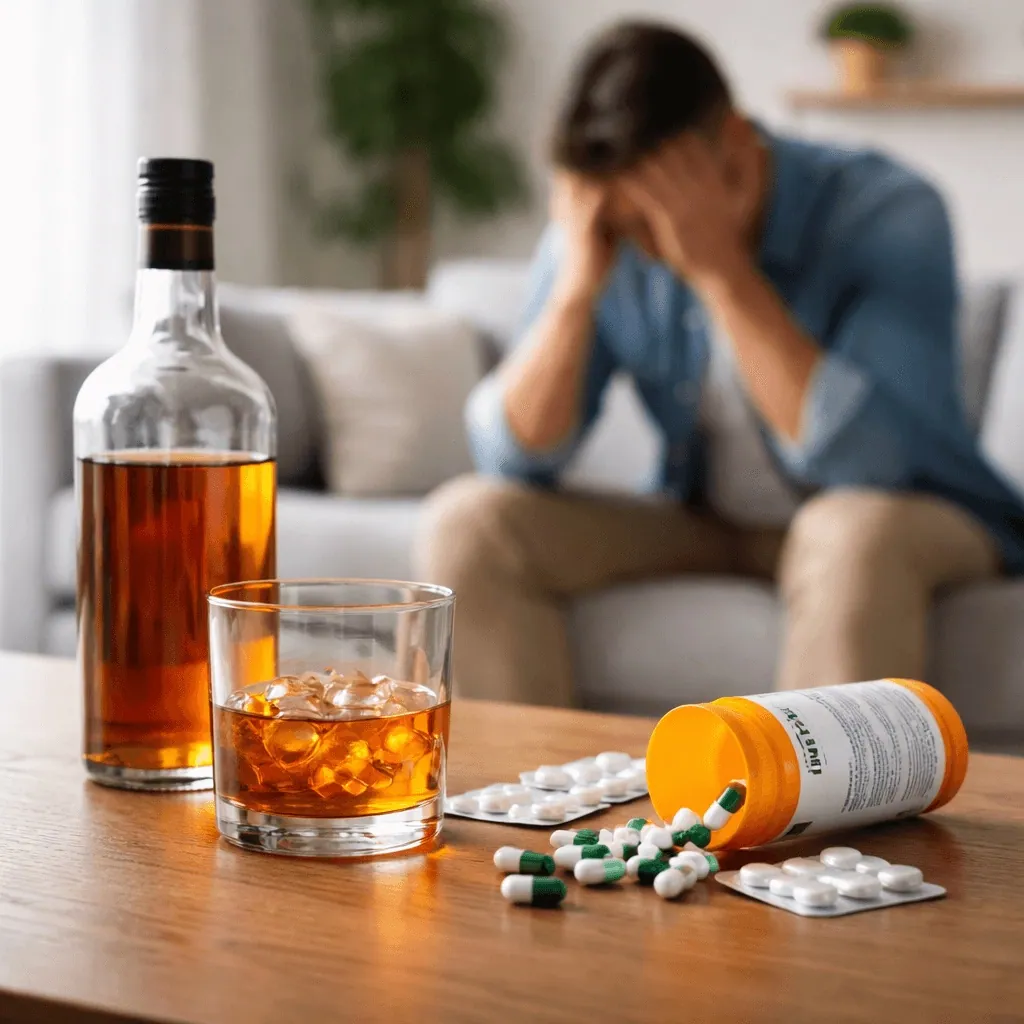
Reliance on substance abuse is now impossible to ignore. By this stage, the user has developed a tolerance and dependence on their chosen substance(s) and likely cannot go more than a day or even a couple of hours without it. Microdosing throughout the day to maintain a high is common.
Binging
It would be irresponsible to exclude binging in this stage despite its adjacency to traditional addiction. An example of binging would be to abstain from a substance during the work week and then overindulge on the weekend. The standard measure of binging for alcohol is 4 or more drinks in a row on more than one occasion in a two-week span. This behavior could easily result in addiction even though it doesn’t follow the normal pattern outlined in these stages.
Stage 6: Addiction
Addiction is fully established and substance use is no longer a choice but an unconscious compulsion. Substance use at this stage will take precedence over all other aspects of life for the affected individual. Behavioral changes that started in Stage 4 will become more severe. As a result, the user may begin isolating themselves, plunging deeper into unchecked substance abuse.
Stage 7: Crisis & Intervention
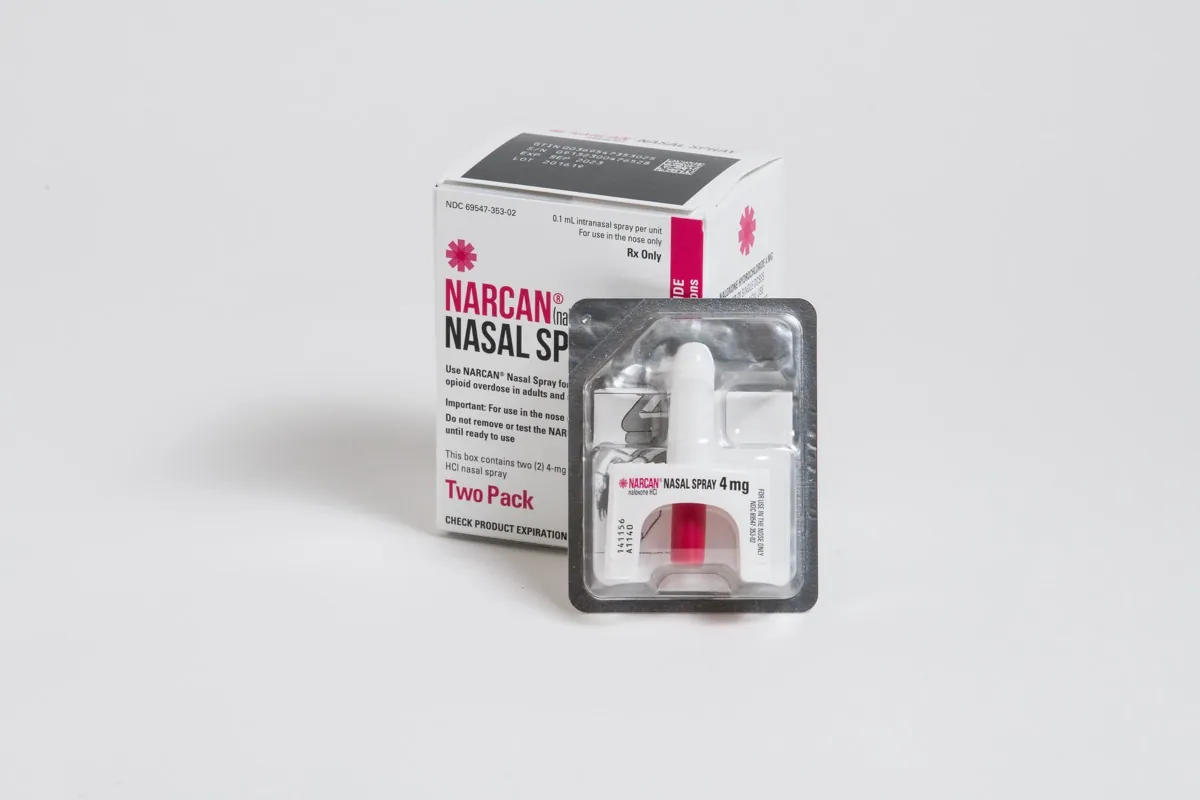
This stage represents the breaking point in a user’s life. Their addiction has become so unmanageable it results in an overdose, death, or other life-altering consequence. A crisis means an individual is at constant risk of a traumatic or fatal life event. But it can also be a wake-up call. Being hospitalized for addiction often forces people to take a closer look at the severity of their situation and realize that change is needed. That’s where intervention comes in. Users may seek out intervention or it could be offered to them by friends, family, or a trained professional.
Treatment
Most addiction treatment comes in the form of drug rehab and detox facilities such as Briarwood Detox Center. Addiction doesn’t have to be the end and Briarwood offers the tools needed to overcome substance abuse. If you identified with any of the stages listed either for yourself or someone close to you, please reach out to us at (866) 710-7710 for more information on how we can help.
Stage 8: Recovery
Most addiction models end with Crisis and Intervention but recovery is very much an integral part of addiction that deserves to be included. Recovery is the ideal final stage of addiction, and while it might be a difficult journey it is achievable.
Ready to Start Your Recovery in Austin?
Briarwood Detox Center offers medically supervised detox in Austin. Explore our locations, see the facility, and verify your insurance in minutes.
See our locationsRelated guides

In network with most major insurance
Find your plan and see what detox would cost
Most plans cover medical detox. Coverage varies by plan, so we verify it for you before you commit to anything.










Don't see your plan? We work with out-of-network benefits and offer self-pay options — (866) 710-7710
- Confidential
- Takes about 2 minutes
- No obligation to admit
- Accredited The Joint Commission
- Rated 4.7 · 182 Google reviews Flourishing Foundations Recovery, now part of Briarwood
- Admissions 24 hours a day