
Guide
What Credentials Should I Look for in a Quality Drug Detox Center?
Joint Commission accredited · In network with most major insurance · Admissions answered 24 hours a day


Published July 22, 2026
Reviewed and updated July 29, 2026
When evaluating what credentials should I look for in a quality drug detox center, prioritize state licensure, national accreditation from bodies like The Joint Commission or CARF, board-certified medical directors, licensed addiction counselors (LADCs or LCDCs), and compliance with evidence-based protocols such as ASAM criteria. These credentials demonstrate a facility meets rigorous safety standards, employs qualified clinical staff, and follows proven withdrawal management practices—critical factors when your health and recovery are on the line.
If you or someone you love needs more than detox, Briarwood Detox Center also provides austin tx drug rehab.
Why Credentials Matter in Medical Detox
Detoxification is a medical process, not simply a period of abstinence. Alcohol and benzodiazepine withdrawal can trigger life-threatening complications like seizures and delirium tremens. Opioid withdrawal, while rarely fatal, causes severe physical distress that increases relapse risk without proper medical management. A credentialed detox center employs physicians, nurses, and addiction specialists trained to recognize and treat these emergencies.
Does your insurance cover detox in Austin?
Find out in about 2 minutes — free, confidential, no obligation.
Verify InsuranceCredentials serve as your quality filter. They verify that a facility has submitted to external review, maintains minimum staffing ratios, follows infection control protocols, and keeps emergency medications on hand. When you're researching treatment centers for addiction and mental health needs, credentials separate legitimate medical providers from unregulated operations that may lack the expertise to keep you safe during withdrawal.
At Briarwood Detox Center, our inpatient facility in Austin and outpatient programs in Austin, San Antonio, Houston, and Colorado Springs maintain full state licensure and employ board-certified physicians alongside licensed addiction professionals. These aren't optional badges—they're the foundation of safe, effective detox care.
State Licensure: The Non-Negotiable Foundation
Every legitimate detox center must hold current licensure from its state health authority. In Texas, the Health and Human Services Commission licenses substance use disorder treatment facilities through a rigorous application and inspection process. Colorado requires licensure through the Department of Human Services, Office of Behavioral Health. These agencies verify that facilities meet minimum standards for physical plant safety, staff qualifications, medication storage, and clinical protocols.
State licensure is your baseline credential. Without it, a facility operates illegally and cannot bill insurance, access controlled medications for withdrawal management, or guarantee adherence to patient safety regulations. When researching drug detox centers near Texas or Colorado, confirm active licensure status before scheduling an assessment. Most state health departments maintain online databases where you can verify a facility's license number and check for citations or enforcement actions.
Licensure also determines scope of practice. Outpatient detox programs must meet different standards than residential facilities because they manage patients who return home each evening. The DHCS outpatient certification process in California, for example, requires specific protocols for crisis intervention and daily medical monitoring—standards mirrored in Texas and Colorado regulations for SUD recovery treatment facilities.
National Accreditation: Elevating Standards Beyond Minimums
While state licensure establishes the floor, national accreditation raises the ceiling. Organizations like The Joint Commission, CARF International (Commission on Accreditation of Rehabilitation Facilities), and the National Association of Addiction Treatment Providers (NAATP) conduct voluntary, comprehensive reviews that go far beyond minimum regulatory requirements.
The Joint Commission's Gold Seal of Approval signals that a detox center has undergone evaluation of its quality management systems, patient safety protocols, medication administration procedures, infection control practices, and outcomes tracking. CARF accreditation focuses on person-centered care, demonstrating that a facility tailors treatment plans to individual needs rather than applying one-size-fits-all protocols. These are among the major accrediting agencies for rehabilitation that insurance companies recognize and often prefer.
Accreditation isn't permanent—it requires renewal every one to three years, with interim surveys and continuous quality improvement documentation. This ongoing scrutiny ensures standards don't slip over time. When comparing the best residential treatment centers for alcohol addiction or medical detox programs, accredited facilities demonstrate commitment to excellence that extends beyond regulatory compliance.
Medical Leadership: Board Certification and Physician Oversight
A quality drug detox center operates under the direction of a board-certified physician, typically in addiction medicine, internal medicine, or emergency medicine with addiction subspecialty certification. Board certification indicates a physician has completed additional training beyond medical school and residency, passed rigorous examinations, and commits to ongoing continuing medical education.
The American Board of Addiction Medicine (ABAM) and the American Board of Preventive Medicine both certify addiction medicine specialists. These physicians understand the pharmacology of withdrawal, can manage co-occurring medical conditions like liver disease or cardiovascular complications, and know when to escalate care. During benzodiazepine detox, for instance, a board-certified physician adjusts taper schedules based on symptom severity and physiological response—a clinical judgment that requires specialized training.
Equally important is physician availability. Best treatment centers for addiction and mental health maintain 24/7 physician coverage or on-call access during residential detox. Outpatient programs require at minimum daily physician review of patient status. Ask prospective facilities about their medical director's credentials and whether physicians are present during your treatment hours or available by phone for emergencies.
Where we are
Detox centers across Texas
Three locations, each with its own admissions line and its own clinical team. Pick the one nearest you — or call and we will tell you which has a bed tonight.
-
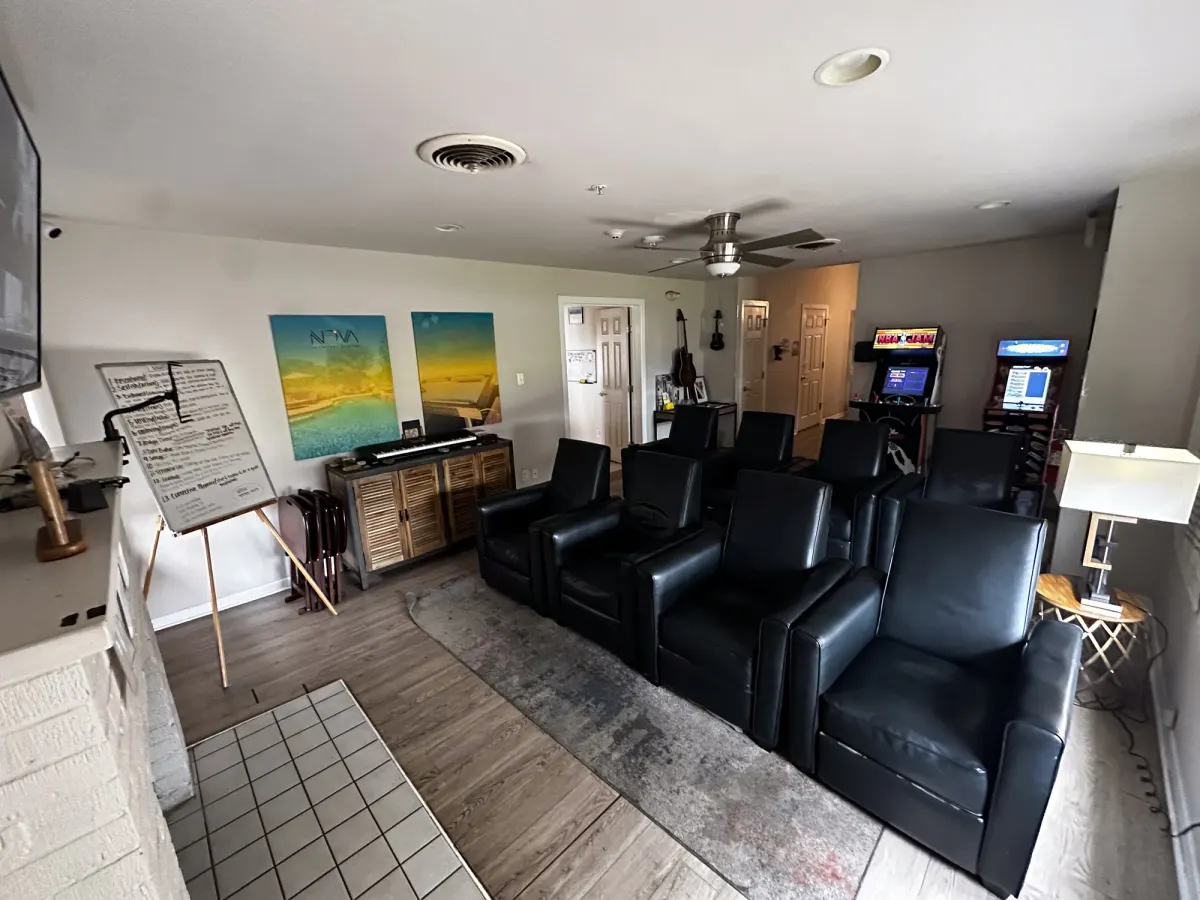 Inpatient
 Austin, TX
11711 N Lamar Blvd · 78753
- 15 beds
- On-site labs
- 24-hour medical staff
Drug & Alcohol Detox in Austin, TX
-
 Inpatient
 Houston, TX
1019 Ashland St · 77008
- On-site labs
- 24-hour medical staff
Drug Detox Center in Houston, TX
-
 Outpatient
 San Antonio, TX
6707 W Hausman Rd · 78249
- Outpatient detox with scheduled medical visits
- Outpatient treatment
Outpatient Drug & Alcohol Detox in San Antonio
What Credentials Should I Look for in Nursing and Clinical Staff?
Registered nurses (RNs) and licensed practical/vocational nurses (LPNs/LVNs) form the front line of detox care, administering medications, monitoring vital signs, and assessing withdrawal symptoms around the clock. In medical detox, nursing credentials matter enormously. Look for facilities that employ RNs with CARN (Certified Addictions Registered Nurse) or CARN-AP (advanced practice) certification from the Addiction Nursing Certification Board.
These specialized credentials demonstrate that nurses have completed continuing education in addiction pharmacology, motivational interviewing, and withdrawal protocols. An RN without addiction-specific training may not recognize early signs of complicated withdrawal or understand the nuances of medication-assisted treatment. During alcohol detox, for example, a CARN-certified nurse uses standardized assessment tools like the Clinical Institute Withdrawal Assessment (CIWA-Ar) to objectively measure symptom severity and guide medication dosing.
Beyond nursing, addiction counselors provide therapeutic support during and after acute withdrawal. A licensed addiction counselor—called an LCDC (Licensed Chemical Dependency Counselor) in Texas or LAC (Licensed Addiction Counselor) in Colorado—has completed thousands of supervised clinical hours and passed state board examinations. These professionals conduct assessments, facilitate group sessions, and develop continuing care plans. Their licensure ensures they adhere to ethical standards and maintain confidentiality.
ASAM Criteria: The Clinical Framework for Level of Care Decisions
The American Society of Addiction Medicine (ASAM) Criteria represent the most widely used and comprehensive set of guidelines for matching patients to appropriate levels of care. While ASAM itself doesn't "certify" facilities in the traditional sense, a quality drug detox center demonstrates ASAM criteria competency through staff training and clinical decision-making processes.
ASAM defines six dimensions of assessment: acute intoxication and withdrawal potential, biomedical conditions, emotional/behavioral conditions, readiness to change, relapse potential, and recovery environment. Based on these dimensions, ASAM outlines five broad levels of care, from Level 0.5 (early intervention) through Level 4 (medically managed intensive inpatient). Medical detox typically falls under Level 3.7-WM (medically monitored intensive inpatient withdrawal management) or Level 4-WM (medically managed intensive inpatient withdrawal management).
When a detox center staff is trained in ASAM criteria, they can accurately place you in the right intensity of care and recognize when you need to step up or down. Outpatient detox in San Antonio, for example, suits stable patients with strong home support systems, while someone with seizure history requires the 24-hour monitoring of inpatient care in Austin. Ask prospective facilities whether their clinical team has completed formal ASAM training and how they apply the criteria to admission decisions.
Ready to talk to someone now? Briarwood Detox Center's admissions team is here 24/7, and every call is confidential. Call (866) 710-7710.Insurance and In-Network Status as a Credential Indicator
While not a clinical credential per se, insurance network participation serves as an indirect quality signal. Major insurance carriers—Aetna, Blue Cross Blue Shield, Cigna, United Healthcare—conduct their own credentialing reviews before contracting with treatment providers. These reviews verify licensure, accreditation, malpractice coverage, staff qualifications, and outcomes data.
A detox center that accepts insurance and maintains in-network status with multiple carriers has already passed these third-party quality checks. It also demonstrates financial stability and administrative competence—factors that correlate with clinical quality. Facilities operating outside insurance networks may do so because they can't meet carrier standards or prefer to avoid utilization review, which can be a red flag.
When verifying benefits with a prospective detox program, ask about their credentialing status with your specific plan. In-network coverage typically reduces your out-of-pocket costs substantially, but it also confirms the facility meets your insurer's quality benchmarks. Best long-term outcomes often start with detox programs that coordinate seamlessly with insurance-approved continuing care, creating continuity rather than treatment gaps.
How to Verify Credentials Before Admission
Don't take credentials on faith—verify them directly. Start with state licensing databases. The Texas Health and Human Services Commission maintains a searchable facility database; Colorado's Office of Behavioral Health publishes licensed provider lists. Look up the facility's license number, check the issue and expiration dates, and review any enforcement actions or deficiencies noted during inspections.
For accreditation, visit The Joint Commission's Quality Check tool or CARF's provider search. Enter the facility name and confirm current accreditation status, the programs covered, and the accreditation expiration date. If a facility claims accreditation, these databases will show it. Absence from the database means the claim is false.
Staff credentials require more direct inquiry. During your assessment or facility tour, ask to see the medical director's board certification, nursing licenses, and counselor credentials. Legitimate providers will share this information proudly. Request staff-to-patient ratios for nurses and counselors—higher ratios often correlate with better outcomes because staff can provide more individualized attention.
Finally, read reviews and ask for references, but weight them appropriately. Online reviews capture patient experience but can't verify clinical competence. State inspection reports, accreditation surveys, and direct credential verification provide objective quality data that reviews cannot.
Red Flags: Credentials That Should Raise Concerns
Certain patterns signal potential problems. Be wary of facilities that cannot or will not provide license numbers, claim "pending" accreditation that never materializes, or employ uncredentialed staff in clinical roles. A detox center that relies heavily on peer recovery coaches—valuable as support but not substitutes for licensed clinicians—may lack adequate medical oversight.
Also question facilities that promise rapid detox under anesthesia or "painless" detox without explaining their medical protocols. While medication-assisted withdrawal management significantly reduces discomfort, legitimate detox centers set realistic expectations and prioritize safety over marketing promises. Ultra-rapid detox procedures carry serious risks and are not endorsed by ASAM or other professional bodies.
Vague language about "holistic" or "alternative" credentials without accompanying state licensure and medical oversight is another warning sign. Complementary therapies like acupuncture or yoga can enhance traditional detox, but they cannot replace medical management of withdrawal. The best treatment centers for addiction integrate evidence-based medical care with supportive therapies, all delivered by appropriately credentialed professionals.
Finding Quality Detox Care in Texas and Colorado
When searching for credentialed detox services, geography matters because state regulations and available providers vary. In Texas, where Briarwood Detox Center operates inpatient detox in Austin and outpatient programs in Austin, San Antonio, and Houston, the state's licensing requirements ensure baseline safety across all levels of care. Texas also maintains robust Medicaid and private insurance networks that credential providers thoroughly.
Colorado Springs, where Briarwood offers outpatient detox, operates under Colorado's behavioral health licensing system, which emphasizes integrated care for co-occurring mental health conditions. This focus means Colorado-licensed facilities often have enhanced psychiatric capabilities—an important consideration if you're managing depression, anxiety, or trauma alongside substance use.
Regardless of location, the credentials outlined here—state licensure, national accreditation, board-certified physicians, licensed nurses and counselors, and ASAM-informed care—form the universal standard for quality detox. These aren't regional preferences; they're evidence-based markers of safety and clinical excellence that apply whether you're seeking the best residential treatment centers for alcohol addiction or outpatient withdrawal management.
If you or someone you care about needs medical detox, Briarwood Detox Center's credentialed clinical team is ready to provide safe, compassionate withdrawal management. Reach out today to verify your insurance benefits and learn how our licensed, accredited programs can support your recovery journey.
Ready to take the next step?
Briarwood Detox Center provides medically supervised drug & alcohol detox. Call (866) 710-7710 to speak with our team today.
Frequently Asked Questions
What is the ASAM level of care certification?+–
ASAM (American Society of Addiction Medicine) doesn't certify facilities directly; rather, ASAM Criteria are evidence-based guidelines that help clinicians match patients to appropriate treatment intensity levels. Facilities demonstrate ASAM competency by training staff in these multidimensional assessment criteria and using them to determine whether a patient needs outpatient, residential, or medically managed care. ASAM levels range from early intervention through intensive inpatient withdrawal management.
What is a licensed addiction counselor called?+–
Licensed addiction counselors go by different titles depending on the state. In Texas, they're called LCDCs (Licensed Chemical Dependency Counselors). Colorado uses LAC (Licensed Addiction Counselor) or CAC (Certified Addiction Counselor) designations. Other states may use LADC, LCADC, or similar abbreviations. All these credentials require extensive supervised clinical hours, continuing education, and passage of state board examinations to ensure competency in addiction treatment.
What is one of the major accrediting agencies for rehabilitation?+–
The Joint Commission is one of the most recognized accrediting bodies for healthcare facilities, including addiction treatment and detox centers. CARF International (Commission on Accreditation of Rehabilitation Facilities) is another major accreditor focused specifically on behavioral health and rehabilitation services. Both organizations conduct comprehensive on-site reviews of quality management, patient safety, clinical protocols, and outcomes tracking, with accreditation requiring renewal every one to three years.
How do I become ASAM certified?+–
ASAM offers training programs and continuing education in the ASAM Criteria, but individuals don't become "ASAM certified" in the formal sense. However, physicians can earn board certification in addiction medicine through the American Board of Addiction Medicine (ABAM) or American Board of Preventive Medicine. Clinicians can also complete ASAM Criteria training courses to demonstrate proficiency in applying these assessment and placement guidelines in clinical practice.
What is a level of care certification?+–
A level of care certification refers to a facility's state license or approval to provide specific treatment intensities—such as outpatient, residential, or medically supervised detox. States regulate these levels separately, requiring facilities to meet distinct staffing, safety, and clinical standards for each. For example, a center licensed for outpatient detox must demonstrate appropriate daily monitoring protocols, while residential detox requires 24-hour nursing coverage and physician availability.
What is the highest paid addiction counselor?+–
Addiction counselors with advanced credentials and specialized roles typically earn higher salaries. Licensed Clinical Social Workers (LCSWs), Licensed Professional Counselors (LPCs), and psychologists specializing in addiction command premium compensation. Clinical supervisors, program directors, and counselors with CARN-AP (advanced practice addiction nursing) or doctoral degrees in psychology or social work generally represent the highest-earning positions in addiction treatment settings, particularly in administrative and leadership roles.
What is an LPC vs LPCC?+–
An LPC (Licensed Professional Counselor) is a master's-level mental health professional licensed to provide psychotherapy and counseling services. An LPCC (Licensed Professional Clinical Counselor) is essentially the same credential with slight title variations depending on the state—some states use LPC, others use LPCC. Both require a master's degree in counseling, thousands of supervised clinical hours, and passage of the National Counselor Examination or state equivalent.
Should a detox center accept my insurance?+–
Insurance acceptance is a strong quality indicator because major carriers credential facilities before contracting with them. Insurers verify state licensure, accreditation, staff qualifications, safety protocols, and outcomes data. In-network status also significantly reduces your out-of-pocket costs and ensures the detox program coordinates with insurance-approved continuing care. Always verify benefits and ask about the facility's credentialing status with your specific insurance plan before admission. Ready to Start Your Recovery in Austin? Briarwood Detox Center offers medically supervised detox in Austin. Explore our locations, see the facility, and verify your insurance in minutes. See our locations
Related guides



In network with most major insurance
Find your plan and see what detox would cost
Most plans cover medical detox. Coverage varies by plan, so we verify it for you before you commit to anything.













Don't see your plan? We work with out-of-network benefits and offer self-pay options — (866) 710-7710
- Confidential
- Takes about 2 minutes
- No obligation to admit
- Accredited The Joint Commission
- Rated 4.7 · 182 Google reviews Flourishing Foundations Recovery, now part of Briarwood
- Admissions 24 hours a day