
Guide
What Happens During Klonopin Withdrawal?
Joint Commission accredited · In network with most major insurance · Admissions answered 24 hours a day

Published October 18, 2021
Reviewed and updated July 29, 2026

What Happens During Klonopin Withdrawal?
Klonopin detox provides gradual tapering for safe, comfortable withdrawal.
Table of contents
- What is Klonopin?
- Klonopin withdrawal symptoms
- How long does Klonopin withdrawal last?
- Klonopin withdrawal timeline
- What is the best way to quit Klonopin?
- Risks of quitting Klonopin cold turkey
- Klonopin detox treatment
Klonopin withdrawal symptoms can be very uncomfortable, and in some cases, they can be life-threatening. If you’re addicted to Klonopin and thinking about getting help to stop using it, here’s what you can expect during medical detox.
If you or someone you love needs more than detox, Briarwood Detox Center also provides rehab in austin texas.
Briarwood Detox Center’s benzo detox program provides medically supervised, evidence-based care.
Related post: How to Taper Off Klonopin Safely
Does your insurance cover detox in Austin?
Find out in about 2 minutes — free, confidential, no obligation.
Verify InsuranceWhat is Klonopin?
Klonopin is the brand name of the generic drug clonazepam. It’s a benzodiazepine that doctors prescribe to treat anxiety and insomnia. It works by enhancing the effects of gamma-aminobutyric acid (GABA), which is a brain chemical that makes you feel calm.
Doctors prescribe Klonopin for short-term treatment because it can cause dependence and withdrawal symptoms after a few weeks. Regardless of whether you take it exactly as prescribed by your doctor or use it recreationally to get high, if you use it for longer than a month, you’re likely to develop a dependence. As a result, you’ll experience withdrawal symptoms if you suddenly stop using it.1
Klonopin withdrawal symptoms
Klonopin withdrawal is very similar to alcohol withdrawal. If you’re dependent on Klonopin and want to quit, you can expect to experience symptoms like:2
- Nausea
- Vomiting
- Anxiety
- Sweating
- Irritability
- Increased body temperature
- Hallucinations
- Sleeplessness
- Tremors
- Panic attacks
- Loss of appetite
- Nightmares
- Depression
- Difficulty concentrating
- Suicidal thoughts
- Grand mal seizures
- Coma
During Klonopin withdrawal, many people also experience something called “rebound” anxiety and insomnia. Essentially, it’s the return of symptoms that Klonopin treated. However, these symptoms can be pretty intense for some people, and they may come on as soon as they start withdrawing from Klonopin. Rebound symptoms typically last a few days before they fade away, so it’s helpful to get professional treatment for Klonopin withdrawal.
Some people also experience something known as protracted withdrawal or post-acute withdrawal. The symptoms of this withdrawal syndrome often include lingering depression and anxiety and may last anywhere from several months to more than a year. However, not everyone who stops taking Klonopin experiences protracted withdrawal symptoms.
Unfortunately, no one can say exactly what you’ll experience during Klonopin withdrawal because it’s highly individualized. If you’re worried that Klonopin withdrawal might be severe or life-threatening for you, it’s always best to seek help from a detox center or a doctor.
How long does Klonopin withdrawal last?
According to World Health Organization research, Klonopin withdrawal can last anywhere from two to eight weeks.3 However, it varies from person to person.
Once Klonopin has fully left your body, you may start feeling the side effects of withdrawal. Klonopin has a long half-life of 30 to 40 hours, which is how long it takes your body to eliminate half of the dose.4
Generally, the duration and severity of your withdrawal symptoms depend on the following factors:
- How long you’ve been taking Klonopin
- How much Klonopin you use regularly
- If you’re taking Klonopin with other drugs or alcohol
- Your mental health and physical health history
Where we are
Detox centers across Texas
Three locations, each with its own admissions line and its own clinical team. Pick the one nearest you — or call and we will tell you which has a bed tonight.
-
 Inpatient
 Austin, TX
11711 N Lamar Blvd · 78753
- 15 beds
- On-site labs
- 24-hour medical staff
Drug & Alcohol Detox in Austin, TX
-
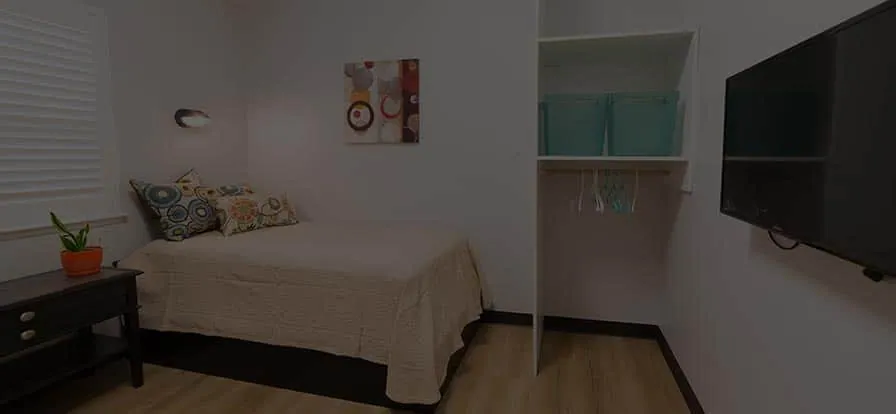 Inpatient
 Houston, TX
1019 Ashland St · 77008
- On-site labs
- 24-hour medical staff
Drug Detox Center in Houston, TX
-
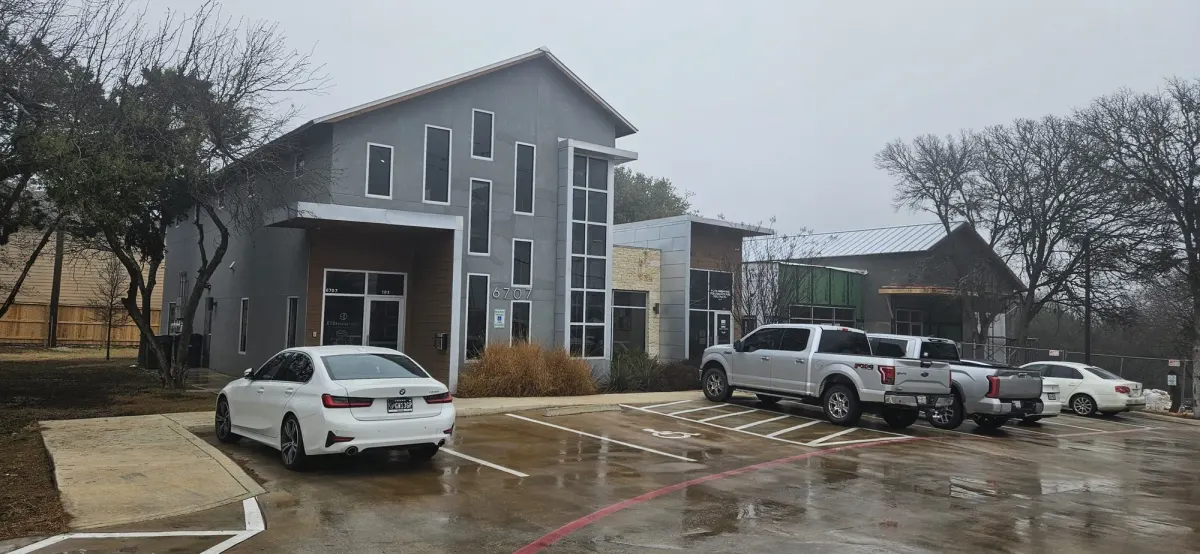 Outpatient
 San Antonio, TX
6707 W Hausman Rd · 78249
- Outpatient detox with scheduled medical visits
- Outpatient treatment
Outpatient Drug & Alcohol Detox in San Antonio
Klonopin withdrawal timeline
When it’s all said and done, Klonopin withdrawal symptoms can last several months, but it varies from person to person. Here’s a general timeline of what you might experience during Klonopin withdrawal.
Ready to talk to someone now? Briarwood Detox Center's admissions team is here 24/7, and every call is confidential. Call (866) 710-7710.| 1 to 3 days after the last dose | The very first signs of withdrawal start to appear. Typically, this includes problems sleeping, anxiety, and mood swings. |
| 1 to 2 weeks after the last dose | Klonopin withdrawal symptoms tend to peak around this time, and anxiety is common. If you quit Klonopin cold turkey, you may also experience tremors, hallucinations, or seizures around this time. |
| 3 to 4 weeks after the last dose | By this point, the worst Klonopin withdrawal symptoms are usually over. However, you may still experience lingering anxiety or other psychological symptoms. |
| 2 months (or more) after the last dose | You might experience some symptoms of Klonopin withdrawal as long as three months after you initially quit. If you were severely addicted, you’re more likely to experience this. |
What is the best way to quit Klonopin?
Due to the risks associated with benzodiazepine withdrawal, it’s always best to get professional help to stop using Klonopin. If you ask your doctor for help or enroll in a medical detox program, you’re less likely to experience extremely severe Klonopin withdrawal symptoms if you receive medical treatment.
The first step to quitting Klonopin is completing a comprehensive assessment with your doctor or a team of detox professionals. This assessment will provide the necessary information to treat any Klonopin withdrawal symptoms you’re experiencing, as well as physical and mental health issues.
With medical treatment during Klonopin detox, a staff of doctors and nurses will gradually taper you off Klonopin under close medical supervision. A slow taper will help you avoid serious physical or psychological problems during withdrawal. Additionally, medical staff will continually monitor you and ensure that you remain as comfortable as possible by treating ongoing and new withdrawal symptoms.
In addition, some cognitive-behavioral treatment methods and peer support groups may help you cope with the discomfort of withdrawal. For example, at Briarwood Detox Center, we offer H&I meetings where detox clients can hear from other people in recovery and connect with potential 12-Step sponsors. We also provide specialized music and art activities to give clients access to expressive and therapeutic work and facilitate healing.
Completing detox and withdrawal is just the first step to quitting Klonopin. After you detox, you’ll need to continue with some form of addiction treatment to address the psychological aspects of your addiction. In treatment, you’ll learn how to make positive behavioral changes that will help you sustain your sobriety long-term.
Also, suppose the doctor or nurses feel that ongoing medication-assisted treatment (MAT) is a good fit for you. In that case, they may recommend a specific treatment regimen that you can continue as you progress to an addiction treatment program after detox.
Risks of quitting Klonopin cold turkey
Quitting Klonopin cold turkey is never recommended because it can potentially lead to life-threatening complications. Instead of quitting cold turkey, it’s best to seek professional medical help to detox from Klonopin. In doing so, you are less likely to experience severe Klonopin withdrawal symptoms like seizures and delirium.
Related post: Can Drug Withdrawal Cause Death?
Klonopin detox treatment
If you or a loved one is addicted to Klonopin, the caring professionals at Briarwood Detox Center are available to help. We provide individualized detox programs for benzodiazepines and all other addictive substances. Please call (866) 710-7710 or contact us online to start your recovery journey today.
References:
Ready to Start Your Recovery in Austin?
Briarwood Detox Center offers medically supervised detox in Austin. Explore our locations, see the facility, and verify your insurance in minutes.
See our locationsRelated guides


In network with most major insurance
Find your plan and see what detox would cost
Most plans cover medical detox. Coverage varies by plan, so we verify it for you before you commit to anything.














Don't see your plan? We work with out-of-network benefits and offer self-pay options — (866) 710-7710
- Confidential
- Takes about 2 minutes
- No obligation to admit
- Accredited The Joint Commission
- Rated 4.7 · 182 Google reviews Flourishing Foundations Recovery, now part of Briarwood
- Admissions 24 hours a day