
Guide
What Is Angel Dust (PCP)? Effects, “Wet,” Detection Times & Risks 2025
Joint Commission accredited · In network with most major insurance · Admissions answered 24 hours a day

Published June 1, 2021
Reviewed and updated July 24, 2026
What Is Angel Dust? Angel dust is a slang term for a drug called Phencyclidine (PCP).
Table of contents
- What Is Angel Dust?
- What Does Angel Dust Do To You?
- What Are the Side Effects of PCP?
- What Are Signs that Someone is Using PCP?
- How Do People Use Angel Dust?
- How Long Does PCP Stay In Your System?
- Can You Get Addicted to PCP?
- Treatment Options for PCP Addiction
- Get PCP Detox Today and Overcome Your Addiction
If you hear a friend or loved one mention “angel dust” in conversation, they might be talking about an illegal drug called PCP. In previous decades, PCP abuse was a big problem and it has slowly made a comeback. Becoming familiar with these terms can help you pick up on conversations about possible drug use. If you suspect someone you care about might be using angel dust, we’ve included some important bits of information you might need to know below. PCP isn’t the only drug with code names—see common nicknames across 21 drugs - street names explained.
What Is Angel Dust?
Angel dust is a street name or slang term for a drug called Phencyclidine (PCP). It’s a mind-altering drug that was developed in the 1950s as an anesthetic called Sernyl but was discontinued for human medical use due to serious side effects (agitation, mania, hallucinations, and irrational thinking). Instead, ketamine (which is structurally similar to PCP) was developed for use as an anesthetic for surgery.1
PCP is still illegally manufactured, primarily in Southern California and it is a Schedule II controlled substance. Although “angel dust” is one of the most common street names for PCP, other slang terms include:
- Embalming fluid
- Rocket fuel
- Hog
- Ozone
- Shermans
- Wack
What Does Angel Dust Do To You?
Researchers don’t yet clearly understand exactly how dissociative drugs like PCP cause their effects. However, research does suggest that they inhibit the reuptake of dopamine, norepinephrine, and serotonin.2 They also work partially by temporarily disrupting communication between neurotransmitter systems throughout the brain and spinal cord. These neurotransmitter systems are responsible for regulating mood, sensory perception, sleep, body temperature, sexual behavior, and muscle control.3 To see how a classic hallucinogen compares, you can read our overview that answers is LSD a stimulant or depressant and explains how LSD’s effects differ from dissociatives like PCP.
The interruption between neurotransmitter systems allows the brain to disengage from “reality” and normal sensory experiences. How long it takes to feel side effects will depend on how the PCP is ingested and how much is being taken. For example:
- Oral ingestion of PCP: The effects are felt within 30 to 60 minutes of taking it and peak within 2 to 5 hours.
- Smoking PCP: The effects are felt within a few minutes of smoking it and peaks at 15 to 30 minutes.
- Injecting PCP through a vein: The effects are felt within 2 to 5 minutes of injecting it and peaks at 15 to 30 minutes.
Any immediate side effects of PCP typically last four to six hours but it can take up to 24 hours to feel “normal” again after using PCP.
What Are the Side Effects of PCP?
According to the DEA, low to moderate doses of PCP (1 to 5 mg) can produce the following side effects:4
- Feelings of detachment from surroundings and self
- Numbness
- Slurred speech
- Loss of coordination
- Sense of strength (feeling invulnerable)
- Rapid and involuntary eye movements
- Catatonic posturing (unusual physical movement)
- Increased blood pressure
- Rapid and shallow breathing
- Elevated heart rate
- Elevated body temperature
- Hallucinations
Chronic long-term PCP use can also impair memory and thinking, produce persistent problems with speech, suicidal thoughts, anxiety, depression, and social withdrawal. Taking a very large dose of PCP has the potential to cause kidney failure, heart arrhythmias, muscle rigidity, seizures, or death.
The high associated with PCP produces some pleasurable effects, which contributes to the likelihood that someone could become addicted. Here’s how the high typically feels:
- Like you’re disconnected from reality and are floating
- A rush of euphoria and less inhibition
- A clear sense of thinking
- Like you have superhuman strength (you aren’t afraid of anything)
Naturally, if you’re using PCP, these side effects could also lead to physical injury or, you could easily hurt someone else unintentionally due to poor judgment and the unpredictable effects of the drug.
Where we are
Detox centers across Texas
Three locations, each with its own admissions line and its own clinical team. Pick the one nearest you — or call and we will tell you which has a bed tonight.
-
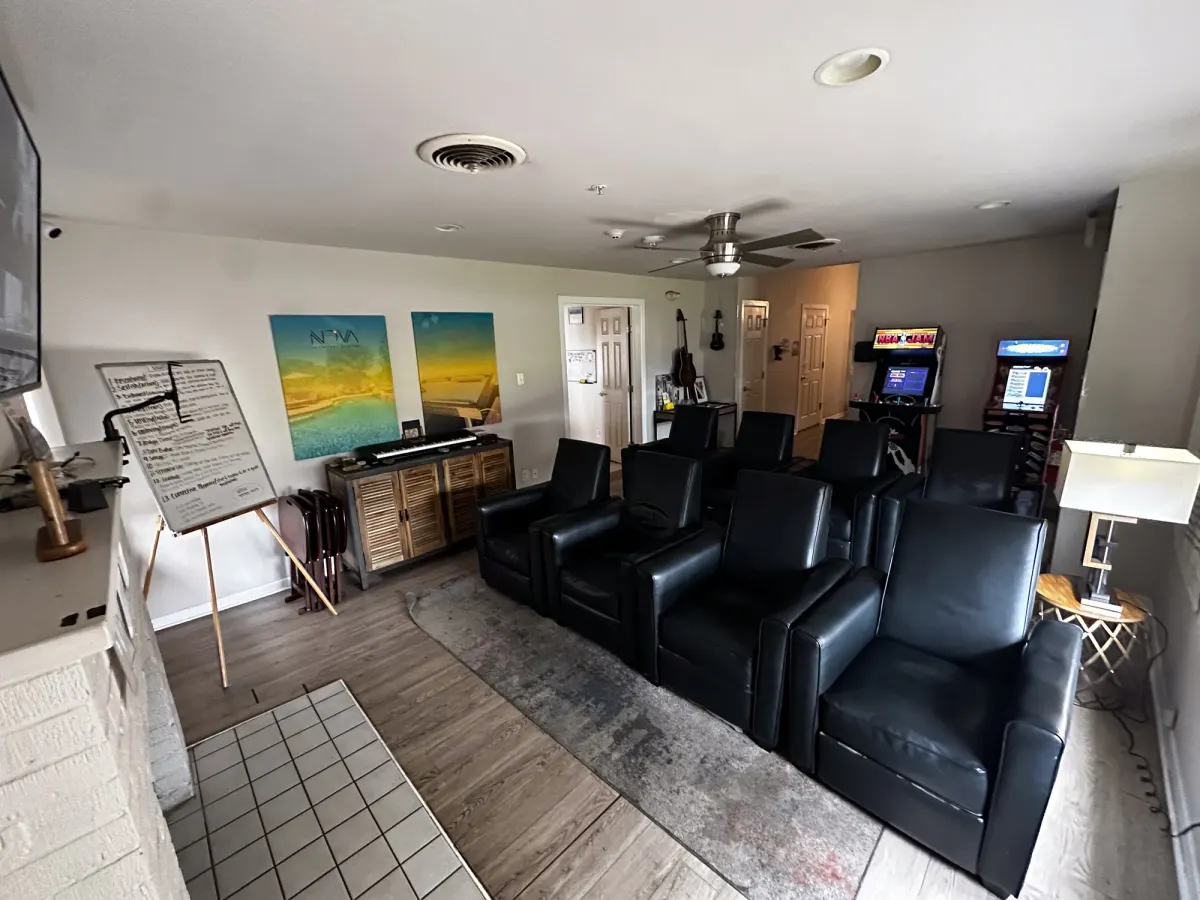 Inpatient
 Austin, TX
11711 N Lamar Blvd · 78753
- 15 beds
- On-site labs
- 24-hour medical staff
Drug & Alcohol Detox in Austin, TX
-
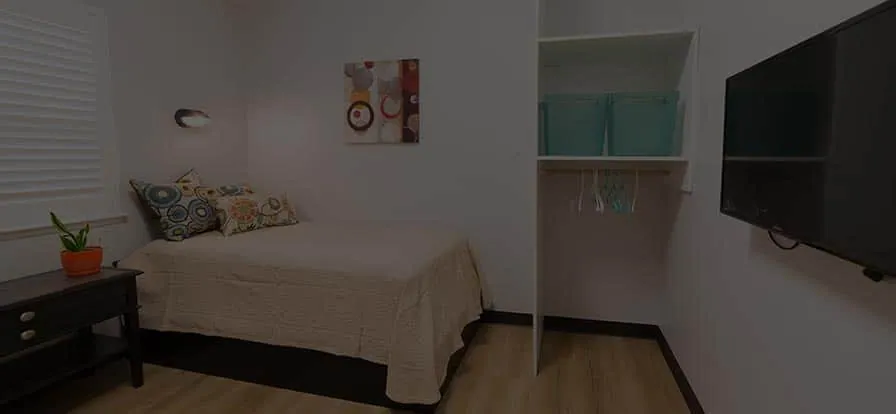 Inpatient
 Houston, TX
1019 Ashland St · 77008
- On-site labs
- 24-hour medical staff
Drug Detox Center in Houston, TX
-
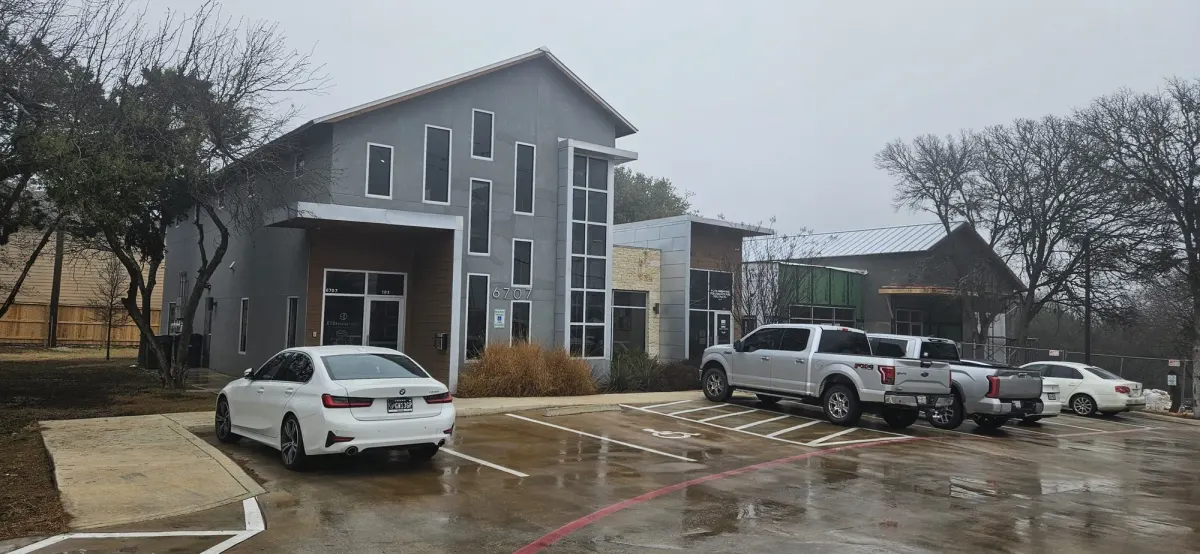 Outpatient
 San Antonio, TX
6707 W Hausman Rd · 78249
- Outpatient detox with scheduled medical visits
- Outpatient treatment
Outpatient Drug & Alcohol Detox in San Antonio
What Are Signs that Someone is Using PCP?
If you think a loved one might be on PCP, you’ll likely notice that they are showing some of the following symptoms:
- Blankly staring
- Poor coordination
- Bloodshot eyes
- Drooling
- Rapid eye movements
- Slurred speech or difficulty talking
- Confusion/disorientation
- Stupor or lack of movement
- Aggressive and/or bizarre behavior
How Do People Use Angel Dust?
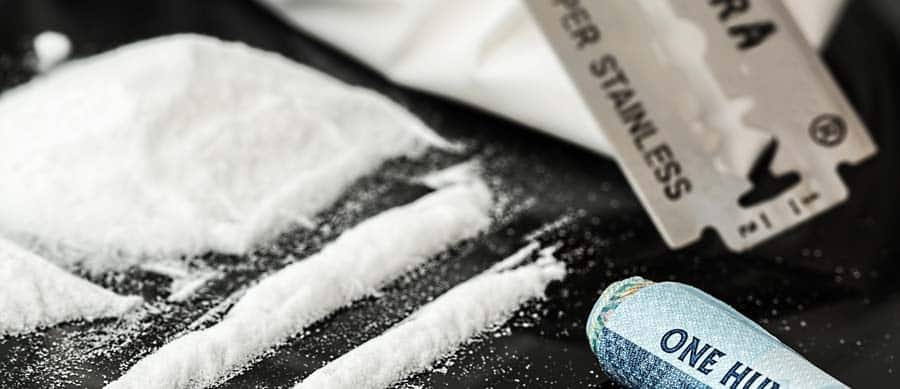
PCP is a white crystalline powder that tastes very bitter and dissolves quickly in water or alcohol. It is also manufactured in tablet or capsule form. There are a few different methods of using angel dust:5
- Many people snort, swallow, or inject PCP to use it.
- People may sprinkle PCP onto leafy plants like parsley, tobacco, or marijuana before smoking it.
- Others may roll a joint and dip the joint in PCP before smoking it. (Known as a “dipper”)
How Long Does PCP Stay In Your System?
PCP use can be detected using several different types of drug tests. The following are estimated ranges of time in which PCP can be detected in the body with certain testing methods.6
- Urine test: 1 to 2 weeks after the last use
- Blood test: 24 hours after the last use
- Saliva test: 24 to 48 hours after the last use
- Hair follicle test: up to 90 days
However, these are just estimations; they are not exact. Determining how long PCP is detectable in your body depends on several factors including:
- Your metabolism
- Your age
- Your body mass
- Your hydration level
- How physically active you are
- Any health conditions you may have
Can You Get Addicted to PCP?
Yes, PCP is highly addictive and is classified as a Schedule II drug under the Controlled Substances Act. Due to its powerful psychoactive and physical effects, chronic use of angel dust can cause physical dependence and addiction. People who are addicted may even experience withdrawal symptoms if they try to stop using it. If you’re seeing phrases like ‘chronic use of angel dust’ and aren’t sure what that really means, our guide explains what clinicians mean by chronic use across different drugs.
Since PCP is illegally manufactured in varying conditions and its ingredients are not regulated, each time you use PCP the side effects may be different and the potency of the drug will vary. Due to the unpredictability, it’s impossible to predict how you’ll react to PCP, how strong the dose will be, and what the likelihood of getting addicted is.
Signs of PCP addiction often include:
- Being unable to control your PCP use
- Needing larger doses of PCP to achieve the desired effects (this is called tolerance)
- Continuing to use PCP despite the negative side effects and consequences it causes
- Experiencing strong cravings for PCP
- Having withdrawal symptoms
- Not being able to get through the day without using PCP
Treatment Options for PCP Addiction
If you find that you can’t stop using PCP, you might be addicted. Seeking professional treatment is the first step toward getting sober. Unlike with other drugs like alcohol or opioids, there are no FDA-approved medications that can be used to treat PCP addiction. However, a medical detox program can help reduce the severity of PCP withdrawal symptoms like confusion, depression, and cravings by treating them. During detox, you’ll also have access to clinical counselors who will provide individual therapy to help you cope with the psychological symptoms of withdrawal.
After you complete PCP detox, inpatient or outpatient rehab can provide a safe and supportive environment where you can heal and focus on your recovery. The best way you can overcome your PCP addiction is by:
- Seeking professional support in detox and rehab
- Continue going to your treatment sessions
- Seek help after rehab (such as through a support group or sober living program)
- Find new activities and goals to replace the time you spent using PCP
Get PCP Detox Today and Overcome Your Addiction
If you’re ready to get help to overcome your PCP addiction, the caring detox professionals at Briarwood Detox Center are here to help you start your journey. Please call (866) 710-7710 to speak with an admissions representative today.
References:
- https://www.drugs.com/illicit/pcp.html
- https://www.medicalnewstoday.com/articles/305328
- https://www.drugabuse.gov/publications/research-reports/hallucinogens-dissociative-drugs/what-are-hallucinogens
- https://www.deadiversion.usdoj.gov/drug_chem_info/pcp.pdf
- https://medlineplus.gov/ency/patientinstructions/000797.htm
Frequently Asked Questions About Prozac (Fluoxetine) and Xanax
Is angel dust the same as PCP?+–
Yes. Angel dust is the street name for PCP (phencyclidine), a dissociative drug that can cause hallucinations and dangerous changes in behavior.
What does “wet” mean with angel dust?+–
“Wet” usually refers to a cigarette or joint dipped in liquid PCP and then smoked. This form can hit faster and harder.
How does angel dust make you feel?+–
Effects range from euphoria and detachment to confusion, panic, paranoia, and violent behavior. High doses can trigger psychosis and blackout-like states.
How long do PCP effects last?+–
Smoked or snorted PCP can last 4–6 hours, but after-effects (confusion, mood swings) may linger 24+ hours—sometimes longer with heavy use.
What are common street names for angel dust?+–
PCP is also called wet, embalming fluid (slang), rocket fuel, ozone, dust, love boat and more (names vary by region).
Can angel dust be laced into other drugs?+–
Yes. PCP is sometimes mixed into cannabis, tobacco, or other substances without the user knowing, raising overdose and injury risk.
What are signs someone used PCP?+–
Watch for nystagmus (rapid eye movement), numbness, slurred speech, unusual strength, agitation, sweating, and disorientation. Behavior can change quickly.
Is angel dust addictive?+–
PCP can lead to compulsive use, tolerance, and withdrawal symptoms (irritability, cravings, headaches, sleep issues), especially with repeated use.
How long does PCP stay in your system?+–
Detection varies: urine up to ~7 days (longer with heavy use), blood ~24–48 hours, hair up to 90 days. Times are approximate and user-dependent.
Can you overdose on PCP?+–
Yes. Overdose signs include severe agitation, seizures, very high blood pressure/heart rate, rigid muscles, high fever, and unresponsiveness. Call emergency services immediately.
What’s the difference between PCP, ketamine, and LSD?+–
PCP and ketamine are dissociatives (detachment, numbness). LSD is a classic hallucinogen (sensory distortions). PCP has a higher risk of violent behavior and psychosis.
What should I do if someone is high on angel dust right now?+–
Call for medical help. Keep the person safe, cool, and away from hazards; avoid confrontation. If unconscious or seizing, follow emergency guidance until help arrives.
Is there treatment for PCP problems?+–
Yes. Medical detox and structured treatment can manage withdrawal, stabilize mood, and build a plan for recovery. Reaching out early improves outcomes.
Related guides
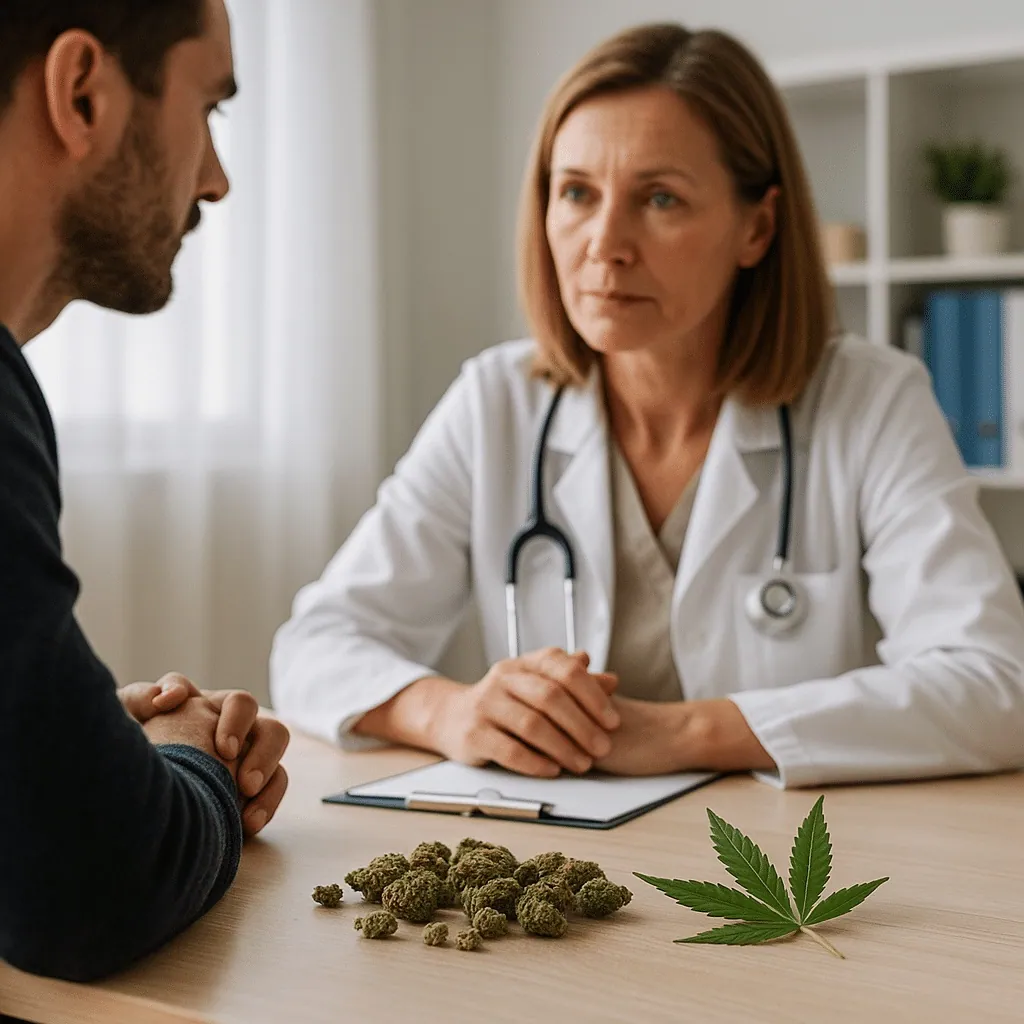

In network with most major insurance
Find your plan and see what detox would cost
Most plans cover medical detox. Coverage varies by plan, so we verify it for you before you commit to anything.

















Don't see your plan? We work with out-of-network benefits and offer self-pay options — (866) 710-7710
- Confidential
- Takes about 2 minutes
- No obligation to admit
- Accredited The Joint Commission
- Rated 4.7 · 182 Google reviews Flourishing Foundations Recovery, now part of Briarwood
- Admissions 24 hours a day