
Guide
What is the Best Form of Treatment for Addiction?
Joint Commission accredited · In network with most major insurance · Admissions answered 24 hours a day

Published November 25, 2022
Reviewed and updated July 29, 2026
Table of contents
- Cognitive Behavioral Therapy (CBT)
- Motivational Interviewing (MI)
- Acceptance and Commitment Therapy (ACT)
- Self-Help Groups and Peer Support
- Detox With Briarwood
There is no single best treatment for substance abuse or addiction. Treatment programs have different mechanisms of action, and each is proven to help people in specific ways.
If you or someone you love needs more than detox, Briarwood Detox Center also provides drug treatment centers austin.
Addiction affects brain circuits that are essential for normal emotion processing, motivation, reward sensitivity, self-control, and cognitive functioning. Certain types of treatments address these underlying causes by helping the individual heal from the trauma that created an attachment disorder and other stressors that led to an addiction. Others help with cravings, relapse prevention, and other symptoms common to substance abuse or addiction. The primary thing that all effective treatment has in common is engagement from the client — they must be committed to their recovery if it’s going to last. Let’s look at some of the most effective forms of treatment available today for your loved one’s substance use or addictive behavior.
Does your insurance cover detox in Austin?
Find out in about 2 minutes — free, confidential, no obligation.
Verify InsuranceCognitive Behavioral Therapy (CBT)
Cognitive behavioral therapy (CBT) is a type of psychotherapy that helps people identify and change the negative thinking patterns that underlie problematic behavior. CBT has been shown to be effective for a wide range of mental health issues. These issues include anxiety and mood disorders, as well as eating disorders, substance abuse, and behavioral addictions like gambling. CBT helps clients identify and correct thinking patterns that cause feelings of obsession, shame, or confusion about their life. By applying CBT techniques, clients are able to identify unrealistic expectations, reduce self-criticism, and develop healthier coping mechanisms for stressful situations.
Dialectical Behavior Therapy (DBT)
Dialectical behavior therapy (DBT) is a type of CBT that focuses on helping people identify, accept, and express their emotions in healthy ways. DBT emphasizes the importance of positive emotions and relationships in one’s life, rather than constantly seeking or avoiding certain feelings. People who struggle with substance abuse or addictive behavior may find this type of therapy especially helpful. A person can identify triggers and cravings, while also teaching coping skills that don’t rely on substances.
Where we are
Detox centers across Texas
Three locations, each with its own admissions line and its own clinical team. Pick the one nearest you — or call and we will tell you which has a bed tonight.
-
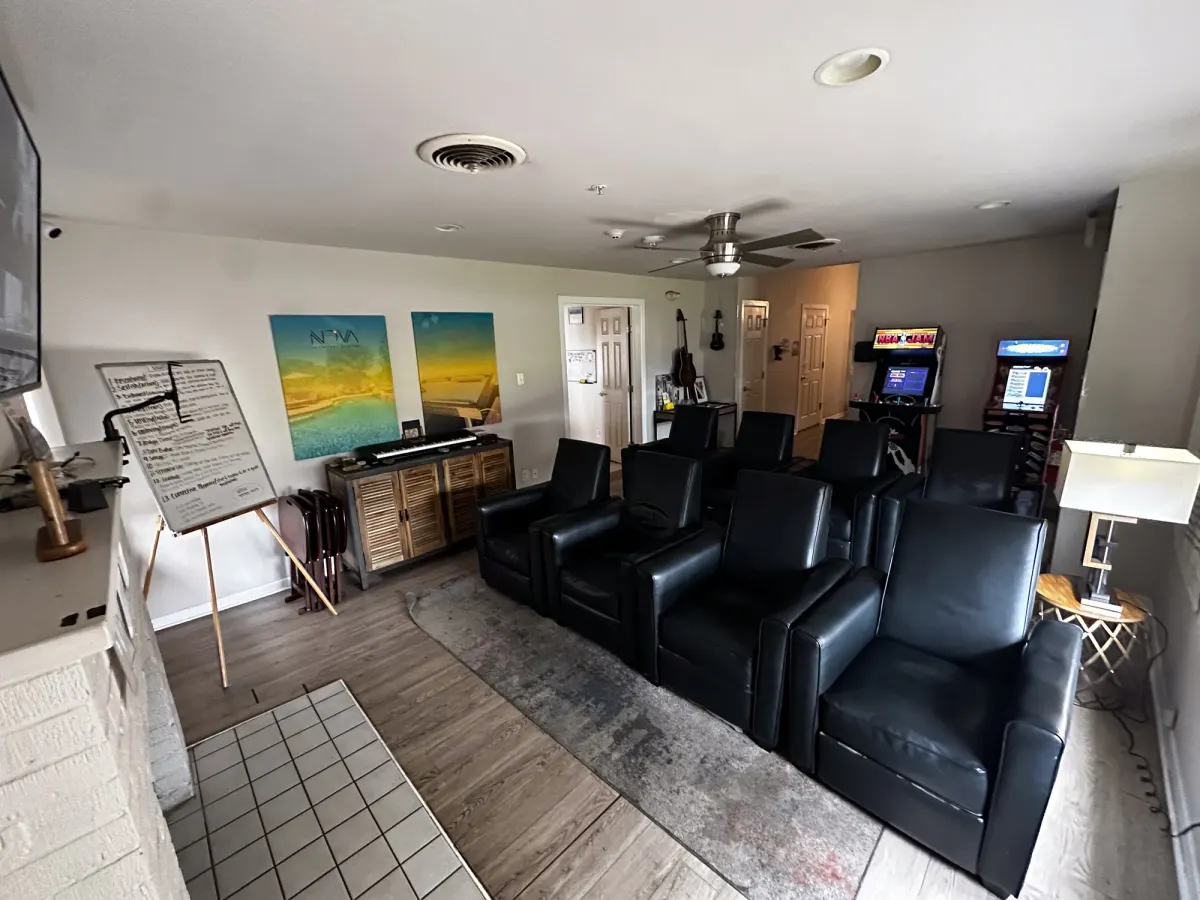 Inpatient
 Austin, TX
11711 N Lamar Blvd · 78753
- 15 beds
- On-site labs
- 24-hour medical staff
Drug & Alcohol Detox in Austin, TX
-
 Inpatient
 Houston, TX
1019 Ashland St · 77008
- On-site labs
- 24-hour medical staff
Drug Detox Center in Houston, TX
-
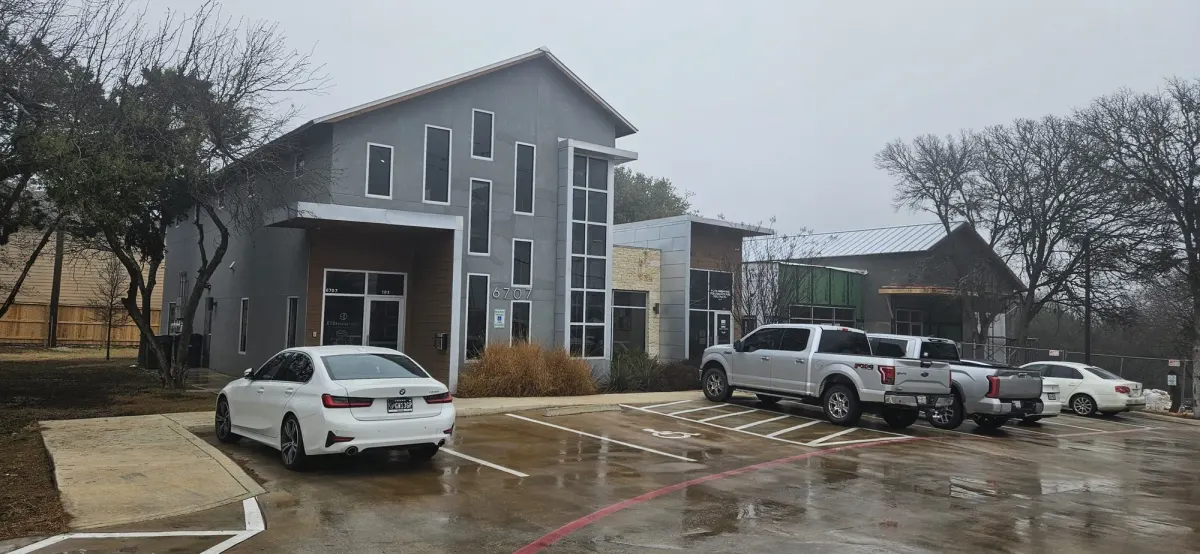 Outpatient
 San Antonio, TX
6707 W Hausman Rd · 78249
- Outpatient detox with scheduled medical visits
- Outpatient treatment
Outpatient Drug & Alcohol Detox in San Antonio
Motivational Interviewing (MI)
MI is a form of motivational interviewing that attempts to help clients identify and pursue personal goals and create a concrete plan of action. Motivational interviewing is most often used to help people who are struggling with substance abuse or addictive behavior get referred for more intensive forms of treatment. Clients are encouraged to identify what they want by thinking of themselves at a moment of emotional clarity. This clarity can help a person identify what they need, like a place to live or a job, or what they want, like continued access to their substance of choice.
Ready to talk to someone now? Briarwood Detox Center's admissions team is here 24/7, and every call is confidential. Call (866) 710-7710.Acceptance and Commitment Therapy (ACT)
Acceptance and commitment therapy (ACT) is an empirically-supported type of psychotherapy. It has been used to help people overcome substance abuse and addictive behavior. Many forms of CBT approach therapy as a series of steps. But ACT is less about getting rid of a specific problem and more about gaining a new perspective on life. Acceptance means accepting the reality of one’s situation, like the fact that one is an alcoholic. Commitment involves deciding to act in a way that will produce positive outcomes, like staying abstinent while in treatment.
Self-Help Groups and Peer Support
Self-help groups and peer support are low-cost, low-pressure, and often a free resource for people who are trying to overcome substance abuse or addictive behavior. Additionally, online self-help groups, such as Alcoholics Anonymous (AA), is a fantastic place to seek support, encouragement, and ask questions. Many treatment programs also provide self-help groups designed specifically for clients who are in treatment. Peer support comes in many forms. This includes 12 Step programs led by someone who has gone through treatment for substance use or addiction. Peer support groups can be really helpful for people who are going through treatment. Either for the first time or who are just trying to stay sober.
Detox With Briarwood
Briarwood Detox Center offers detox treatment for alcohol, opioid, methamphetamine, prescription drugs, and much more. Our experienced clinical staff provides round-the-clock monitoring throughout the detox process and our therapy team provides support to help manage the emotional response to treatment. Additionally, we have detox facilities located in Austin, Houston, and Colorado Springs with state-of-the-art amenities.
Briarwood is dedicated to facilitating a healthy and safe environment that empowers people to make significant and lasting changes in their lives. We look forward to supporting you or your loved one on the journey to recovery. Call (866) 710-7710 today for more information on our programs and admission process.
Ready to Start Your Recovery in Austin?
Briarwood Detox Center offers medically supervised detox in Austin. Explore our locations, see the facility, and verify your insurance in minutes.
See our locationsRelated guides
In network with most major insurance
Find your plan and see what detox would cost
Most plans cover medical detox. Coverage varies by plan, so we verify it for you before you commit to anything.




Don't see your plan? We work with out-of-network benefits and offer self-pay options — (866) 710-7710
- Confidential
- Takes about 2 minutes
- No obligation to admit
- Accredited The Joint Commission
- Rated 4.7 · 182 Google reviews Flourishing Foundations Recovery, now part of Briarwood
- Admissions 24 hours a day