
Guide
What to Expect During Your First Week at a Medical Detox Center in Austin, Texas
Joint Commission accredited · In network with most major insurance · Admissions answered 24 hours a day


Published April 24, 2026
Reviewed and updated July 29, 2026
What Is Medical Detox and Why Does It Matter?
Medical detox is the supervised process of clearing alcohol or drugs from your body while receiving clinical care and monitoring from licensed medical professionals. Unlike attempting to quit on your own, a medical detox program provides around-the-clock support to manage withdrawal symptoms safely and comfortably. Withdrawal from substances like alcohol, opioids, or benzodiazepines can be physically dangerous — and in some cases, life-threatening. Symptoms can include seizures, severe dehydration, heart irregularities, and intense psychological distress. Medical supervision dramatically reduces these risks and ensures your body transitions through withdrawal as safely as possible. For many people, medical detox is the critical first chapter of a longer recovery story. It creates the physical and mental foundation you need before stepping into ongoing treatment, therapy, or sober living.
Day One: Arrival, Intake, and Assessment
Your first day at a medical detox center in Austin will likely feel overwhelming, and that’s okay. The team is there to support you from the moment you walk in. Here’s what typically happens during intake:
- Medical evaluation: A physician or nurse practitioner will conduct a thorough health assessment. This includes reviewing your substance use history, current physical health, any co-occurring mental health conditions, and any medications you’re currently taking.
- Lab work and vitals: Blood tests, urine screenings, and vital sign monitoring help the medical team understand your baseline health and anticipate the type and severity of withdrawal you may experience.
- Treatment planning: Based on your assessment, the clinical team will create an individualized detox plan. This plan outlines the medications, monitoring schedule, and support services that will guide your first week.
- Orientation: Staff will walk you through daily routines, house rules, available amenities, and what to expect in the coming days. You’ll be shown to your room and given time to settle in.
It’s normal to feel vulnerable or emotional on day one. Many people describe a combination of exhaustion, fear, and — for the first time in a while — a sense of relief that they’re finally getting help.
Days Two Through Four: The Peak of Withdrawal
For most substances, withdrawal symptoms peak within the first 48 to 72 hours. This is often the most physically uncomfortable phase of the detox process, and it’s also when medical supervision matters most. What you might experience during this phase depends largely on the substance you’ve been using:
- Alcohol withdrawal can include tremors, sweating, nausea, anxiety, and in more severe cases, seizures or delirium tremens (DTs). If you’re going through alcohol detox in Austin, your medical team will closely monitor these symptoms and administer FDA-approved medications like benzodiazepines to reduce seizure risk and ease the process.
- Opioid withdrawal often brings flu-like symptoms — muscle aches, chills, sweating, vomiting, and insomnia. While rarely life-threatening, these symptoms can be intensely uncomfortable. Medications like buprenorphine or clonidine are commonly used to ease them.
- Stimulant withdrawal (from cocaine or methamphetamine) tends to be less physically dangerous but can involve significant fatigue, depression, and powerful cravings.
- Benzodiazepine withdrawal is among the most medically complex and should never be attempted without professional supervision. Symptoms can include anxiety, insomnia, and seizures.
How Medical Staff Support You Around the Clock
One of the most reassuring aspects of a quality detox program is that you’re never alone. Medical detox centers in Austin like Briarwood Detox Center are staffed with physicians, nurses, and counselors available 24 hours a day, seven days a week. The level of care you receive typically includes:
- Regular vital sign checks throughout the day and night
- Medication management tailored to your withdrawal needs and comfort level
- Emotional support from counselors and peer support staff
- Nutritional support, including hydration and meals designed to help your body heal
- Access to mental health professionals who can address anxiety, depression, or trauma that often surfaces during detox
Days Five Through Seven: Stabilization and Beginning to Heal
By the middle of your first week, many people start to feel a noticeable shift. The most intense physical withdrawal symptoms begin to ease, your appetite may return, and sleep — while still disrupted — starts to improve. This is the stabilization phase, and it’s a sign that your body is beginning to recover. During this period, your experience might include:
- Group and individual check-ins: Light therapeutic sessions may begin, offering you a chance to connect with counselors and peers. This isn’t intensive therapy — it’s gentle exploration and emotional grounding.
- Psychoeducation: Staff may introduce basic information about addiction, the brain, and the recovery process. Understanding what’s happening in your body can be enormously empowering.
- Holistic support: Many detox centers incorporate supportive wellness activities such as guided breathing, gentle movement, journaling, or meditation to help calm the nervous system. You can read more about the therapies and holistic support available during detox at Briarwood.
- Discharge planning: Your team will begin working with you on next steps — whether that’s residential treatment, an intensive outpatient program, or another level of care appropriate for your situation.
This phase is also a time when emotions can run high. As the fog of withdrawal lifts, grief, shame, or fear about the future may surface. This is natural. Having compassionate, trained support around you during this time makes an enormous difference.
What to Bring — and What to Leave Behind
- Comfortable, loose-fitting clothing for several days
- Personal hygiene items (unscented, no aerosols)
- A list of medications you currently take
- Your insurance card and a photo ID
- A small amount of cash for incidentals (if permitted)
- A journal or book for downtime
- Drugs, alcohol, or any substance — obviously, but worth stating
- Valuables like expensive jewelry or large sums of money
- Outside food or drinks (these are typically provided)
- Anything the facility has asked you not to bring during your intake call
Understanding Your Options: Inpatient vs. Outpatient Detox
Where we are
Detox centers across Texas
Three locations, each with its own admissions line and its own clinical team. Pick the one nearest you — or call and we will tell you which has a bed tonight.
-
 Inpatient
 Austin, TX
11711 N Lamar Blvd · 78753
- 15 beds
- On-site labs
- 24-hour medical staff
Drug & Alcohol Detox in Austin, TX
-
 Inpatient
 Houston, TX
1019 Ashland St · 77008
- On-site labs
- 24-hour medical staff
Drug Detox Center in Houston, TX
-
 Outpatient
 San Antonio, TX
6707 W Hausman Rd · 78249
- Outpatient detox with scheduled medical visits
- Outpatient treatment
Outpatient Drug & Alcohol Detox in San Antonio
What Comes After Detox? Planning for Long-Term Recovery
Medical detox is a crucial beginning — but it’s just that: a beginning. Detox alone does not address the psychological, behavioral, and social factors that drive addiction. That’s why continuing care after detox is so important. Common next steps after completing a drug detox program in Austin include:
- Residential treatment (inpatient rehab): A structured, 30- to 90-day program offering intensive therapy, peer support, and life skills development
- Partial hospitalization program (PHP): A step down from inpatient that provides several hours of clinical programming each day while allowing you to sleep in a sober living environment
- Intensive outpatient program (IOP): A flexible option that allows you to attend therapy sessions multiple times per week while maintaining work or family responsibilities
- Sober living homes: Structured, substance-free housing that provides community support as you re-engage with daily life
- 12-step programs and peer support: Groups like Alcoholics Anonymous (AA) or Narcotics Anonymous (NA) provide ongoing community and accountability
You Don’t Have to Face This Alone
Frequently Asked Questions
What should I expect during my first week at a medical detox center in Austin, Texas?+–
What to expect during your first week at a medical detox center includes an initial intake and health assessment, individualized treatment planning, and around-the-clock medical monitoring as your body clears substances. The week typically progresses from arrival and evaluation on day one through the peak of withdrawal symptoms in days two through four, followed by a period of stabilization. Knowing this timeline in advance can help reduce anxiety and mentally prepare you for the process.
Is medical detox dangerous, and why is it safer than quitting on your own?+–
Withdrawing from substances like alcohol, opioids, or benzodiazepines can be physically dangerous and, in some cases, life-threatening without proper supervision. Symptoms such as seizures, severe dehydration, heart irregularities, and intense psychological distress can occur during withdrawal. A medical detox program provides licensed professionals who monitor you around the clock and use medications and clinical interventions to keep you as safe and comfortable as possible.
What happens during the intake process on day one of detox?+–
On your first day, a physician or nurse practitioner will conduct a thorough medical evaluation that includes reviewing your substance use history, current health conditions, and any medications you take. Lab work, urine screenings, and vital sign monitoring are also completed to help the team anticipate your withdrawal needs. Based on this assessment, the clinical team creates a personalized detox plan to guide your care throughout the week.
Will I receive medications to help manage withdrawal symptoms?+–
Yes, most medical detox programs use FDA-approved medications to help reduce the severity of withdrawal symptoms and keep you medically stable. The specific medications prescribed will depend on the substances involved and your individual health assessment completed on day one. Your treatment plan is tailored to your needs and may be adjusted by the medical team as your symptoms evolve throughout the week.
How long does the detox process typically take?+–
The length of detox varies depending on the substance used, the severity of dependence, and individual health factors, but most people complete the initial detox phase within five to seven days. The first week generally moves through intake, peak withdrawal, and stabilization before transitioning to the next stage of treatment. Medical detox is typically the first chapter of a longer recovery journey rather than a standalone solution.
What comes after medical detox is completed?+–
Medical detox creates the physical and mental foundation needed before stepping into ongoing treatment, therapy, or sober living. Once stabilized, most individuals are encouraged to transition into a higher level of care such as inpatient rehab, an intensive outpatient program, or another structured recovery setting. Continuing treatment after detox significantly improves long-term recovery outcomes and helps address the underlying causes of addiction. Ready to Start Your Recovery in Austin? If you or someone you love needs more than detox, Briarwood Detox Center also provides austin tx drug rehab . Does your insurance cover detox in Austin? Find out in about 2 minutes — free, confidential, no obligation. Verify Insurance Briarwood Detox Center offers medically supervised detox in Austin. Explore our locations, see the facility, and verify your insurance in minutes. Ready to talk to someone now? Briarwood Detox Center's admissions team is here 24/7, and every call is confidential. Call (866) 710-7710 . See our locations
What Our Patients Experience: A Clinical Staff Perspective
At Briarwood Detox Center in Austin, our clinical team monitors every patient through withdrawal with structured care designed for safety and comfort. Here's what the first week of medical detox actually looks like from our nurses' and physicians' perspective—hour by hour, day by day.
Day 1: Intake and Stabilization (First 24 Hours)
Hour 0–2 (Admission): Upon arrival at our Austin facility, patients meet with our intake nurse and physician for a comprehensive medical assessment. We record baseline vital signs—blood pressure, pulse, temperature, respiratory rate, and oxygen saturation—and complete a detailed substance use history. If a patient is presenting with active withdrawal symptoms, we begin comfort medications immediately.
Hour 2–6: Patients settle into their private or semi-private room. Our nursing staff checks vitals every 2 hours during the acute phase. We assess withdrawal severity using the Clinical Institute Withdrawal Assessment (CIWA) scale for alcohol or benzodiazepines, or the Clinical Opiate Withdrawal Scale (COWS) for opioids. Meals are served at 8 AM, 12 PM, and 6 PM; we encourage hydration and light eating even if appetite is low.
Hour 6–24: Vitals monitoring continues every 2–4 hours depending on symptom severity. Our medical team adjusts medications—benzodiazepines for alcohol withdrawal, buprenorphine or clonidine for opioid withdrawal, or anticonvulsants and comfort meds as needed. Patients typically rest extensively on Day 1; we provide sleep aids if insomnia is severe. Our night nursing staff conducts hourly safety checks.
Day 2–3: Acute Symptom Management
Vitals Frequency: Every 4 hours for stable patients; every 2 hours if symptoms intensify. We're watching for seizure risk (alcohol/benzo withdrawal), severe hypertension (opioid withdrawal), or cardiac irregularities.
Medication Schedule: Scheduled doses every 6–8 hours with PRN (as-needed) comfort meds available for breakthrough nausea, anxiety, muscle aches, or insomnia. Our physicians round twice daily to evaluate response and adjust protocols.
Meals and Hydration: Three meals plus snacks at 10 AM and 3 PM. We track fluid intake closely—dehydration is common during withdrawal. Our kitchen prepares nutrient-dense, easy-to-digest options; patients can request alternatives if needed.
First Therapy Contact: On Day 2 or 3, patients have a brief (15–20 minute) check-in with a licensed counselor. This isn't formal therapy yet—it's an introduction, rapport-building, and a chance to answer questions about what comes next.
Day 4–5: Transition and Stabilization
Vitals Frequency: Reduced to every 6–8 hours for most patients as acute withdrawal symptoms begin to subside. We continue close monitoring for anyone with co-occurring medical conditions (diabetes, hypertension, heart disease).
Medication Tapering: If withdrawal is resolving well, our physicians begin gradual tapering of short-acting comfort medications. Longer-acting meds (like buprenorphine for opioid use disorder) continue at therapeutic doses.
Increased Activity: Patients are encouraged to spend time in common areas, participate in light physical activity (short walks in our secured outdoor space), and attend optional mindfulness or relaxation groups led by our therapists. These 30-minute sessions occur mid-morning and early evening.
Discharge Planning Begins: Our case management team meets with patients to discuss insurance coverage for ongoing treatment, local outpatient programs (including our own Austin, San Antonio, and Houston locations), and family involvement. We provide written information on medication-assisted treatment (MAT) options if clinically appropriate.
Day 6–7: Preparation for Next Steps
Vitals: Once daily unless medical complexity requires more. Most patients are medically stable by this point.
Therapy Sessions: Patients attend their first formal individual therapy session (45–60 minutes) with a licensed therapist. We focus on motivational interviewing, identifying triggers, and creating a preliminary continuing-care plan. Group psychoeducation sessions (60 minutes) cover topics like the neuroscience of addiction, coping skills, and relapse prevention fundamentals.
Meal and Sleep Normalization: Appetite typically returns; patients eat full meals. Sleep patterns improve, though some insomnia may persist and is addressed with non-addictive sleep aids and sleep-hygiene coaching.
Final Medical Clearance: Our physician conducts a comprehensive exit exam, confirms lab work is stable (liver enzymes, metabolic panel, etc.), provides prescriptions or referrals for ongoing medical or psychiatric care, and signs the discharge summary.
Discharge Coordination: On Day 7 or when medically cleared, patients leave with a written continuing-care plan, medication list, outpatient referrals, family contact protocols, and 24/7 crisis numbers. If a patient is transitioning to our outpatient program, the first appointment is scheduled within 48 hours.
Behind the Scenes: How Our Team Stays Coordinated
Every morning at 8:30 AM, our Austin detox clinical team—physicians, nurses, therapists, and case managers—holds a 15-minute standing huddle. We review every patient: current CIWA/COWS scores, overnight events, medication changes, behavioral observations, and discharge readiness. This daily sync ensures no detail is missed and every patient's plan is personalized and updated in real time.
Our nursing notes are recorded in the electronic health record every shift. Physicians can access vitals trends, symptom scores, and patient-reported comfort levels instantly. This integration allows us to catch complications early—before they escalate—and adjust treatment proactively.
What Makes This Week Effective
The structure isn't arbitrary. Research shows that medically supervised detox with around-the-clock monitoring significantly reduces the risk of life-threatening complications like seizures (alcohol/benzo withdrawal) and severe dehydration or cardiac stress (stimulant or opioid withdrawal). The first 72 hours are the most critical, which is why our vitals frequency is highest then.
Equally important: the therapeutic foundation we lay during Days 4–7. Detox alone rarely leads to sustained recovery. By connecting patients with counseling, family support, and a clear next-step plan before they leave, we increase the likelihood that detox becomes the first chapter of long-term healing—not an isolated medical event.
If you or a loved one is considering medical detox in Austin, our admissions team is available 24/7 to walk you through what to expect, verify insurance, and arrange same-day or next-day admission. Call (866) 710-7710 to speak with a real person who understands what you're facing.
Frequently Asked Questions: The First Week of Medical Detox
How often will my vitals be checked during the first week?
During the first 24–72 hours of acute withdrawal, our nursing staff checks blood pressure, pulse, temperature, and oxygen saturation every 2–4 hours. As symptoms stabilize (typically Days 4–5), vitals are recorded every 6–8 hours. By Day 6–7, most medically stable patients are monitored once daily. Frequency is always individualized based on substance, withdrawal severity, and any co-occurring medical conditions.
What is the daily schedule like during detox at Briarwood?
Wake-up and vitals are at 7 AM, followed by breakfast at 8 AM. Mid-morning (around 10 AM) patients may have vitals rechecked, medication rounds, or attend an optional mindfulness group. Lunch is at 12 PM, afternoon snack at 3 PM, and dinner at 6 PM. Evenings include optional relaxation groups or individual counseling sessions (starting Day 2–3). Patients have personal time to rest, watch TV in common areas, or call family during designated phone hours. Lights-out is at 10 PM, with overnight nursing checks every 1–2 hours for safety.
When does therapy start during medical detox?
Brief counselor check-ins begin on Day 2 or 3, once acute withdrawal symptoms are manageable. These are short (15–20 minutes) and focus on rapport-building and answering questions. Formal individual therapy sessions (45–60 minutes) and group psychoeducation (60 minutes) typically begin on Days 4–5. The goal during detox is stabilization and planning, not intensive psychotherapy—that comes in continuing outpatient or residential care.
Can I have visitors during the first week of detox?
Visitation policies vary by facility and patient needs. At Briarwood Detox Center in Austin, we encourage family involvement and typically allow brief, scheduled visits starting Day 3–4, once the patient is medically stable and comfortable. Visits are coordinated with our clinical team to ensure they support—not disrupt—the patient's recovery process. Phone calls are generally permitted daily during designated hours.
What medications are used during the first week of detox?
Medication is individualized based on substance and symptoms. For alcohol or benzodiazepine withdrawal, we use benzodiazepines (like lorazepam or diazepam) to prevent seizures, plus anticonvulsants if needed. For opioid withdrawal, we offer buprenorphine (Suboxone) or clonidine to ease symptoms. Comfort medications—anti-nausea (ondansetron), sleep aids (trazodone), muscle relaxants, and anti-diarrheals—are provided as needed. All medications are prescribed and monitored by our on-site physicians.
What happens if I want to leave detox early?
Patients have the right to leave treatment at any time unless they are under court order or involuntary commitment. However, leaving detox early—especially in the first 72 hours—can be medically dangerous. If you're considering discharge, our team will have a candid conversation about the risks, ensure you understand the medical implications, and offer alternatives (like stepping down to outpatient care). We document your decision and provide crisis contacts and follow-up resources. Our goal is always your safety, even if you choose to leave.
Related guides

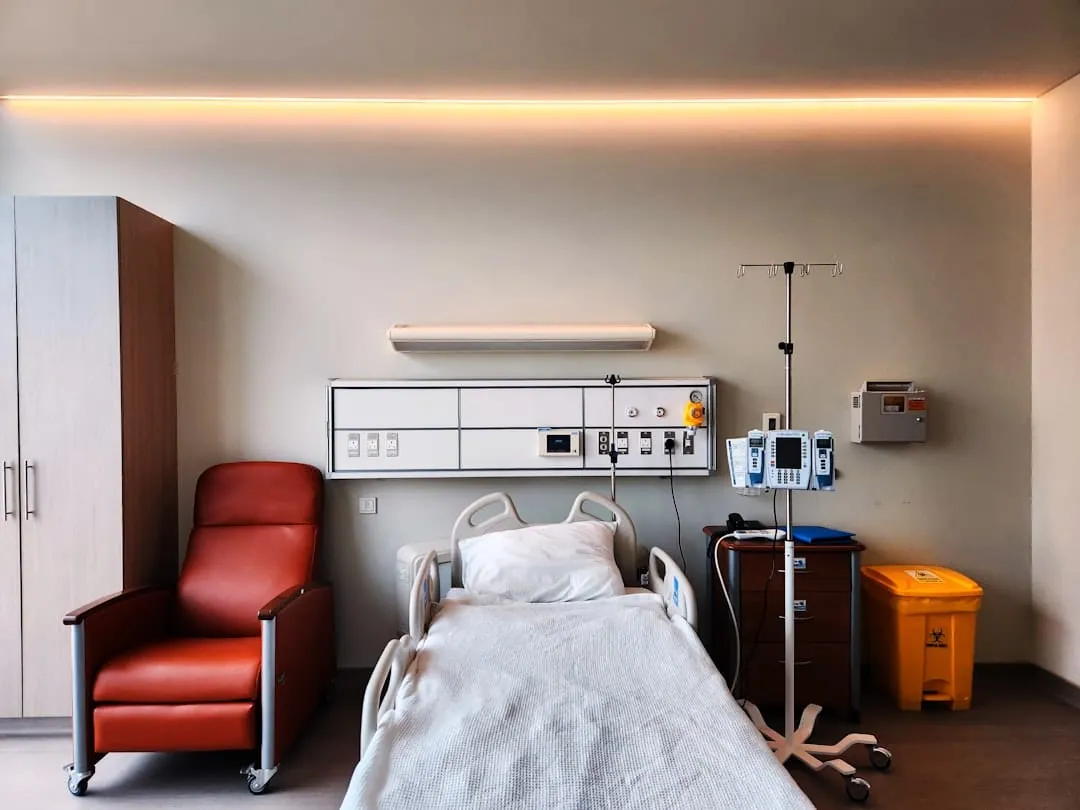

In network with most major insurance
Find your plan and see what detox would cost
Most plans cover medical detox. Coverage varies by plan, so we verify it for you before you commit to anything.

















Don't see your plan? We work with out-of-network benefits and offer self-pay options — (866) 710-7710
- Confidential
- Takes about 2 minutes
- No obligation to admit

- Accredited The Joint Commission
- Rated 4.5 · 94 Google reviews
- Admissions 24 hours a day