
Guide
Working at an Inpatient Drug Rehab in Austin
Joint Commission accredited · In network with most major insurance · Admissions answered 24 hours a day


Published October 31, 2025
Reviewed and updated July 29, 2026
Key Takeaways · 10 points
- Inpatient = residential, 24/7 care. Clients live on‑site in a licensed setting, so teams work rotating shifts with clear handoffs and routines.
- Care is team‑based. Medical/nursing, licensed therapists/counselors, recovery techs/peers, case managers, and operations/hospitality (more visible in luxury drug rehab) all contribute.
- Days are structured. Morning vitals and community check‑ins lead into therapy blocks, wellness/experiential activities, evening recovery work, and quiet hours.
- Documentation is non‑negotiable. Accurate notes, treatment plans, meds logs, and incident reports support safety, licensure, and payer requirements.
- “Luxury” changes the environment, not the standards. Smaller census, upgraded amenities, and added privacy—while clinical protocols and safety expectations stay the same.
- Texas rules and accreditation guide practice. State licensing and (often) Joint Commission standards shape training, audits, and quality‑improvement work.
- It sits within a continuum. Staff coordinate warm handoffs from detox to inpatient drug rehab, then on to PHP/IOP, recovery housing, and alumni care.
- The work is meaningful and demanding. Expect emotional complexity, boundary setting, and shift work—balanced by visible client progress and strong team support.
- Who thrives here. People who value structure, communicate well, and are comfortable with co‑occurring mental health needs do best.
- Real growth paths exist.Options include licensure advancement, charge roles, utilization review, admissions/family programming, and leadership in step‑down services.
What “Inpatient” Means in Austin, Texas
A Clear Definition
In Austin‑area programs, inpatient (often called residential) means clients live on‑site and receive 24/7 structured care from a multidisciplinary team. Texas administrative code describes residential services as round‑the‑clock clinical support in a therapeutic setting. Staff feel this in shift coverage, handoffs, and documentation standards.
[ map — Briarwood Drug and Alcohol Detox, 6707 W Hausman Rd, San Antonio, TX 78249 ]
Oversight You’ll Work Under
Substance‑use facilities in Texas must be licensed to provide treatment; detox programs and residential services have specific requirements, including continuous access to emergency care and clear admission criteria. Expect policies, audits, and training tied to these rules.
Part of a Continuum
Most licensed programs in Austin highlight a continuum—detox → inpatient → PHP/IOP → sober living/aftercare. If withdrawal is a concern, start with our medical detox in Austin to stabilize before stepping into residential care. SAMHSA’s guidance and leading local programs frame residential treatment as one step on that path.
Where we are
Detox centers across Texas
Three locations, each with its own admissions line and its own clinical team. Pick the one nearest you — or call and we will tell you which has a bed tonight.
-
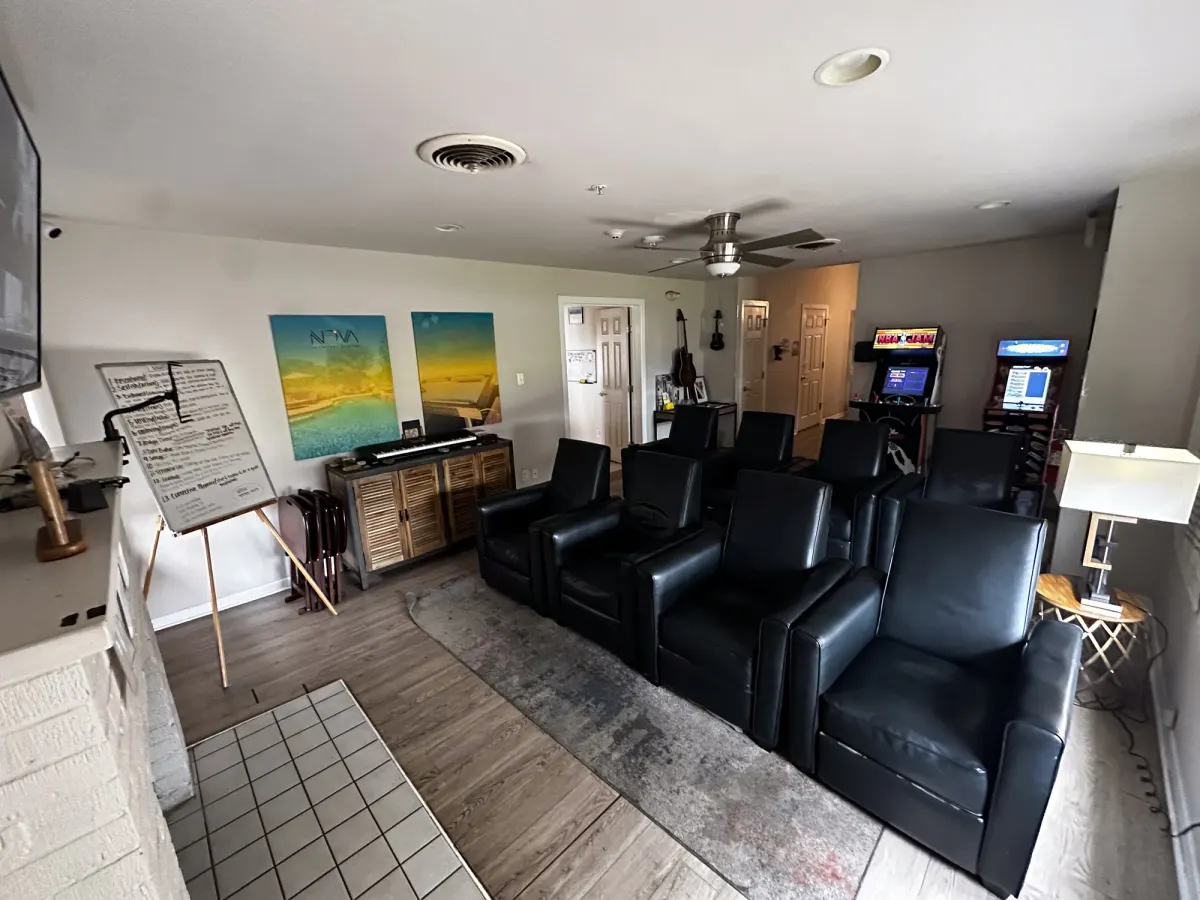 Inpatient
 Austin, TX
11711 N Lamar Blvd · 78753
- 15 beds
- On-site labs
- 24-hour medical staff
Drug Rehab in Austin
-
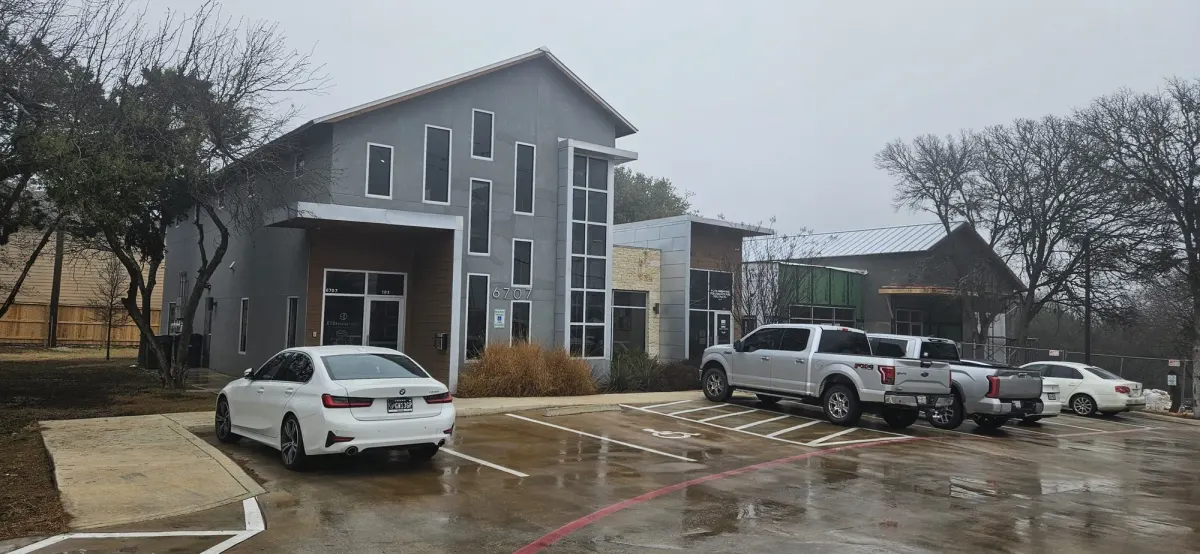 Outpatient
 San Antonio, TX
6707 W Hausman Rd · 78249
- Outpatient detox with scheduled medical visits
- Outpatient treatment
San Antonio Drug Rehab Location
-
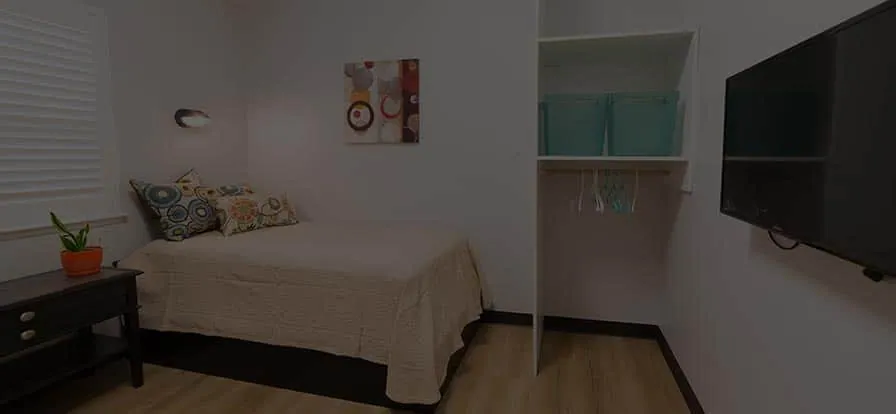 Inpatient
 Houston, TX
1019 Ashland St · 77008
- On-site labs
- 24-hour medical staff
Drug Rehab Location in Houston
The team Inside a Drug Rehab Center in Austin
Medical and Nursing
Physicians/NPs/PAs and RNs/LVNs manage medications, monitor withdrawal and stability, and respond to concerns at any hour—core to inpatient drug rehab.
Therapists and Counselors
LPCs, LCSWs, LMFTs, and LCDCs deliver individual therapy, groups, assessments, and care plans. Many Austin programs advertise dual‑diagnosis capability, blending mental‑health and addiction care.
Recovery Techs and Peers
Behavioral health technicians and peer staff keep the milieu safe, track routines, support groups, and often notice early changes in mood or behavior.
Case Management and Family Services
Case managers coordinate benefits, step‑downs, and discharge plans; family programming is common in drug rehab Austin to strengthen support after discharge. Families can verify your insurance in minutes to understand coverage and next steps.
Operations and Hospitality
In luxury drug rehab settings, you’ll cross paths with culinary, housekeeping, and guest‑services teams. Amenities and service standards support privacy, comfort, and predictable routines that complement clinical work.
A Day on a Residential Unit (Typical Flow)
Mornings: Stabilization and Goals
Handoff, vitals, medications, and a community check‑in set the tone; programs often encourage mindfulness and a structured morning routine.
Mid‑day: Clinical Programming
Clients rotate through skills, process, and psychoeducation groups, plus 1:1 sessions and assessments. Staff document progress toward goals that inform step‑down decisions.
Wellness and Experiential Blocks
Fitness, yoga, ropes, nature walks, and creative groups round out the schedule—common to austin rehab programs that pair evidence‑based care with experiential work.
Evenings: Recovery and Wind‑down
After dinner, many units host recovery meetings, reflection time, or creative activities, followed by quiet hours and overnight monitoring.
Break Free from Addiction. Detox Safely in Austin Today.
Medically Supervised Detox – Compassionate Care Starts Here.
Working in a Luxury‑Level Residential Program: What Changes and What Stays
Clinical Standards Stay the Same
Luxury drug rehabs adhere to the same safety rules, evidence‑based care, and scope of practice; the difference is how those services feel—smaller groups, quieter milieu, more individualized pacing.
Amenities and Census
Luxury pages often note small census (≈15 beds), private or semi‑private rooms, fitness/pool access, spa services, and executive tracks. Staff balance concierge‑level service with firm clinical boundaries.
Communication and Privacy
Expect defined rules for visiting, device use, and protected spaces—policies meant to keep treatment focused while honoring privacy and dignity.
Training, Compliance, and Quality
Licensure and Credentials
Texas rules define residential and detox standards; facilities must maintain licensure and follow program‑specific requirements. Clinicians and counselors must hold appropriate Texas licenses or certifications.
Accreditation and Quality Improvement
Many Austin drug rehab programs pursue external accreditation (e.g., The Joint Commission) to formalize safety and quality routines. Accreditation programs emphasize performance standards, staff readiness, and continuous improvement—processes you’ll feel in daily work.
Documentation and Audits
Admissions, treatment plans, group notes, meds, incidents, and discharge summaries must be timely and complete. Regulators and payers review this record to validate services and determine next steps.
Safety Practices
Controlled‑items protocols, environmental checks, emergency procedures, and medical escalation pathways are standard in inpatient drug rehab settings. Texas rules and internal policy set the baseline.
Break Free from Addiction. Detox Safely in Austin Today.
Medically Supervised Detox – Compassionate Care Starts Here.
Team Culture: What it Feels Like Day to Day
Pace and Collaboration
Residential units run on coordinated calendars: admissions, groups, nursing rounds, family calls, and case‑planning. Clear handoffs keep days smooth.
Emotional Load and Resilience
You will sit with crisis and ambivalence and celebrate steady gains. Programs encourage supervision, huddles, and self‑care to reduce burnout—a theme you’ll see repeatedly in high‑quality residential programs and professional training materials.
Growth Paths
Common paths include counselor licensure, charge nurse roles, utilization review, admissions/outreach, family programming, and leadership in step‑down levels like PHP/IOP or sober living. If you’re exploring roles in nursing, counseling, tech, or operations, see current careers at Briarwood Detox.a
How Inpatient at Austin Programs Connects to PHP, IOP, and Sober Living
The Step‑down Pathway
After inpatient, most clients transition to PHP or IOP, then to recovery housing and alumni care. SAMHSA and provider pages frame this as a best‑practice continuum to extend gains from residential care.
Why the Continuum Matters
Across national guidance and local sites, adequate time in treatment across levels is linked to better outcomes; local pages often highlight 30–90‑day residential options followed by step‑down services.
How Briarwood Detox Homes Supports Inpatient Drug Rehab in Austin
Briarwood Detox Homes can serve as the first step toward inpatient drug rehab in Austin by providing medical detox and early stabilization. During admission, clinicians assess withdrawal risk, co‑occurring needs, and placement goals to determine the right level of care. With round‑the‑clock monitoring, the team manages medications, tracks vitals, and prepares clients for therapy. Case managers coordinate warm handoffs to local residential programs, confirm bed availability, and handle insurance verification and pre‑authorization. If residential care isn’t needed, the team can recommend PHP/IOP alternatives. Families receive structured updates and guidance on what to expect, from daily schedules to visiting policies. By pairing medical stabilization with practical support, Briarwood Detox Homes acts as a bridge from crisis to the right inpatient drug rehab in Austin, helping clients enter treatment with a clear plan for recovery.
Verify Your Insurance Instantly
Don’t guess. Know what’s covered. Click below to verify your insurance coverage with 100% confidentiality and zero obligation.
Frequently Asked Questions About Inpatient Drug Rehab in Austin
What does inpatient drug rehab in Austin include?+–
Inpatient (residential) care means living on‑site with 24/7 multidisciplinary support, structured therapy, medical oversight, and discharge planning aligned to Texas licensing rules and national treatment guidance. Programs often combine group therapy, individual counseling, medication management (as appropriate), wellness activities, and coordinated step‑downs.
How long does inpatient rehab usually last?+–
Length varies by clinical need, but research emphasizes that adequate time in treatment is critical; many programs offer 30–90‑day residential options, with total time across the continuum (inpatient → PHP/IOP) often approaching ~90 days or more for stronger outcomes.
Do you need detox before starting inpatient rehab?+–
If withdrawal is likely or potentially dangerous, medically supervised detox is recommended as the first step to stabilize before therapy. National clinical guidance (TIP 45; ASAM) outlines when and how withdrawal management should occur prior to or alongside entry to treatment.
What is a typical day like in residential treatment?+–
Days are structured: morning health check‑ins and reflection, clinical programming (skills, process, psychoeducation, and 1:1s), wellness/experiential activities, evening recovery meetings, and quiet hours. Austin‑area centers publicly describe similar daily rhythms.
Does insurance cover inpatient drug rehab in Texas?+–
Many plans provide some coverage for mental health and substance use treatment, but benefits vary by plan and medical necessity. SAMHSA advises verifying specifics (level of care, in‑network status, prior authorization, and deductibles) with your insurer and the facility.
Can you use your phone during inpatient rehab?+–
Device policies differ by facility. Some allow limited, scheduled phone use; others restrict personal devices to protect privacy and focus. Check the center’s admissions materials for current rules.
What should I bring to inpatient rehab?+–
Packing lists usually include ID/insurance card, current medications in original bottles, comfortable clothing, and basic toiletries (often alcohol‑free), with limits on prohibited items. Review your program’s official list before arrival.
What is a luxury drug rehab and what amenities are offered in Austin?+–
“Luxury” programs deliver evidence‑based care in upscale settings—smaller census, private or semi‑private rooms, chef‑prepared meals, on‑site fitness/spa, and enhanced privacy. Several Austin‑area residential programs market these amenities.
What happens after inpatient rehab (PHP/IOP/aftercare)?+–
Residential care is typically followed by step‑down services such as PHP or IOP, then sober living and alumni/aftercare supports. This continuum is reflected in national guidance and provider pathways.
Are visitors allowed during inpatient rehab?+–
Most centers allow visitors on a schedule, with rules that avoid disrupting therapy or violating privacy. Policies vary; always confirm details with the facility.
Related guides


In network with most major insurance
Find your plan and see what detox would cost
Most plans cover medical detox. Coverage varies by plan, so we verify it for you before you commit to anything.
















Don't see your plan? We work with out-of-network benefits and offer self-pay options — (866) 710-7710
- Confidential
- Takes about 2 minutes
- No obligation to admit

- Accredited The Joint Commission
- Rated 4.5 · 94 Google reviews
- Admissions 24 hours a day