
Guide
Your 2025 Guide to Drug Detox in Austin: Safe Care, Timelines, Costs & What Comes Next
Joint Commission accredited · In network with most major insurance · Admissions answered 24 hours a day


Published October 13, 2025
Reviewed and updated July 29, 2026
Austin’s recovery ecosystem keeps expanding—from hospital‑based detox to residential programs and outpatient step‑downs, plus a strong peer‑support scene. Recent local data suggest overdose fatalities have declined from 2023 to 2024, driven in part by naloxone access and targeted prevention—hopeful momentum that underscores why entering evidence‑based care now can save lives.
What “detox” really means: Drug detox Austin is the medically supervised management of acute intoxication and withdrawal, designed to stabilize you safely so you can continue treatment. By itself, detox is not a complete treatment for substance use disorder; it’s the first clinical step in a longer care plan.
Who needs drug detox—and how clinicians decide
Whether detox is appropriate depends on medical risk, substance type, history, and your home supports. Clinicians use standardized tools and ASAM Criteria to match you to the right level of withdrawal management. In plain English: the more severe or medically risky your withdrawal, the more intensive the setting you’ll need.
Common red flags that point to supervised detox:
History of severe withdrawal (e.g., seizures, delirium tremens for alcohol)
Co‑occurring medical or psychiatric conditions (e.g., severe depression, cardiac disease)
High‑dose or long‑duration use of alcohol, opioids, or benzodiazepines
Limited social support or unstable housing
Pregnancy or older age
For alcohol withdrawal specifically, national guidelines outline when inpatient vs. outpatient management is indicated and how medications (e.g., benzodiazepines) are used safely.
Break Free from Addiction. Detox Safely in Austin Today.
Medically Supervised Detox – Compassionate Care Starts Here.
ASAM withdrawal‑management levels in Austin (what they mean to you)
Consider this your “decoder ring” for levels you’ll see on program pages:
Level 3.2 – Clinically Managed Residential WM: 24‑hour structure without continuous on‑site nursing—appropriate for lower medical risk but needing a supportive environment.
Level 3.7 – Medically Monitored Inpatient WM: 24‑hour nursing care with physician oversight for moderate to high medical risk in non‑hospital settings.
Level 4.0 – Medically Managed Intensive Inpatient: Hospital‑based, physician‑directed care for highest risk cases.
These levels help clinicians recommend the least restrictive, safe setting, then step you down as you stabilize.
Where we are
Detox centers across Texas
Three locations, each with its own admissions line and its own clinical team. Pick the one nearest you — or call and we will tell you which has a bed tonight.
-
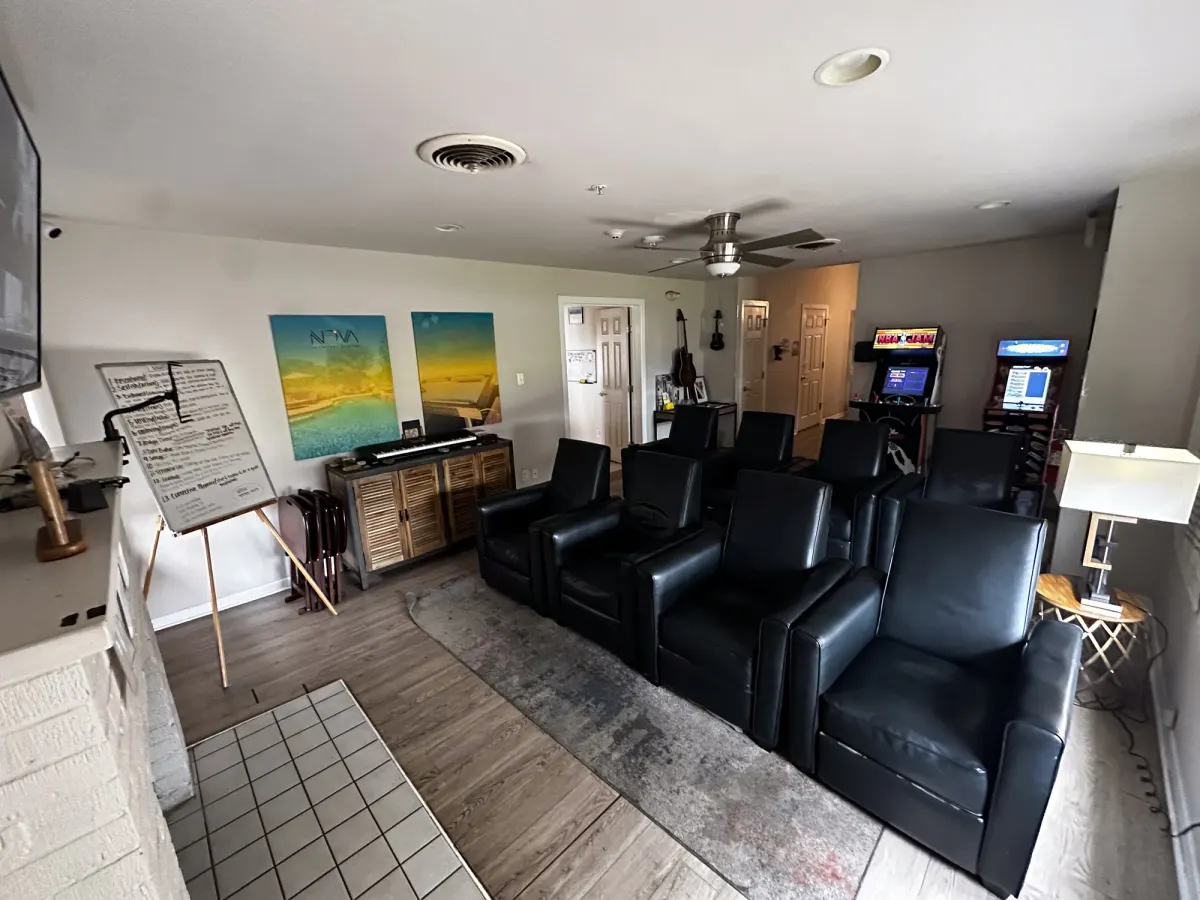 Inpatient
 Austin, TX
11711 N Lamar Blvd · 78753
- 15 beds
- On-site labs
- 24-hour medical staff
Drug & Alcohol Detox in Austin, TX
-
 Inpatient
 Houston, TX
1019 Ashland St · 77008
- On-site labs
- 24-hour medical staff
Drug Detox Center in Houston, TX
-
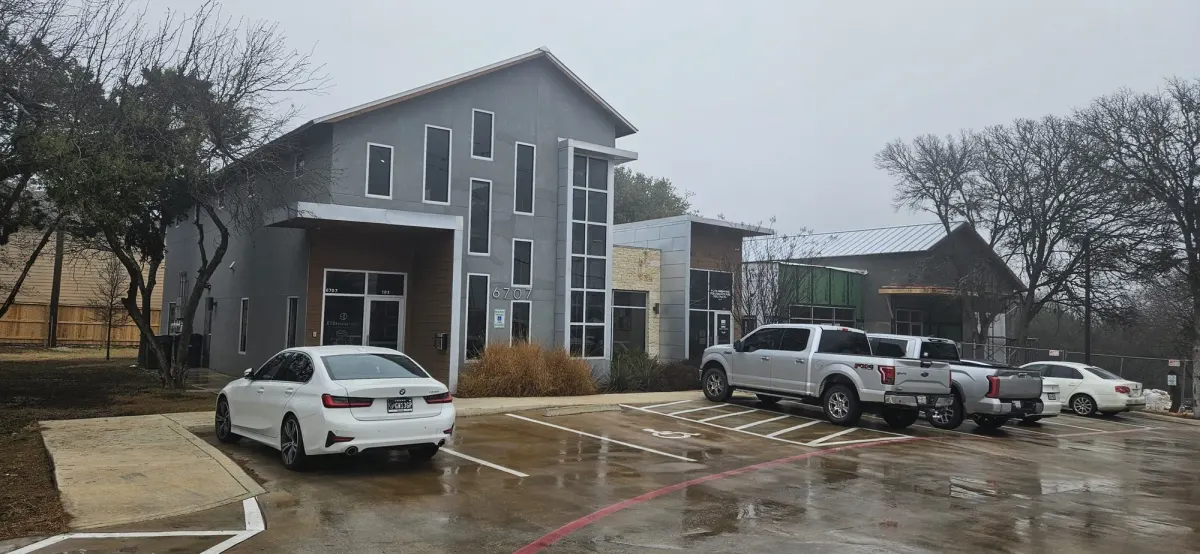 Outpatient
 San Antonio, TX
6707 W Hausman Rd · 78249
- Outpatient detox with scheduled medical visits
- Outpatient treatment
Outpatient Drug & Alcohol Detox in San Antonio
Break Free from Addiction. Detox Safely in Austin Today.
Medically Supervised Detox – Compassionate Care Starts Here.
What to expect in a quality Austin detox program
24/7 intake & admissions team+–
Many centers assess by phone/chat and can admit same day, capacity permitting. Hospital ERs can facilitate rapid medical clearance when needed.
Comprehensive evaluation+–
Medical history, physical exam, psychiatric screening, and labs tailor the treatment plan and anticipate complications. You’ll hear terms like CIWA‑Ar (for alcohol) or COWS (for opioids).
Medication‑assisted withdrawal+–
Depending on substance: Alcohol: benzodiazepines are mainstays; adjuncts as indicated. Opioids: buprenorphine or methadone to manage symptoms and transition to maintenance; naltrexone later if appropriate. Benzodiazepines: gradual taper under close supervision (never DIY). Stimulants: supportive care, sleep, nutrition, mental health support.
24/7 medical supervision+–
Vitals monitoring to manage symptoms (anxiety, tremors, insomnia, pain) and prevent complications.
Holistic supports+–
Hydration, nutrition, behavioral therapy, and group sessions for stabilization; early family engagement when helpful.
Discharge planning on day one+–
Detox is step one. Expect a warm handoff to residential, PHP, or IOP, plus sober living or community supports (AA/NA/SMART).
How long does detox take?
It varies by substance, dose, and health profile—but typical acute detox windows are measured in days, not weeks:
Alcohol: often 3–7 days, risk‑stratified by severity.
Opioids: 3–7+ days depending on short‑ vs. long‑acting opioids and induction to buprenorphine/methadone.
Benzodiazepines: may require longer tapers for safety.
Stimulants: acute withdrawal peaks within several days; mood/sleep issues can persist.
Many programs offer 3‑, 5‑, or 7‑day tracks with flexibility. Your team adjusts length based on clinical response.
Break Free from Addiction. Detox Safely in Austin Today.
Medically Supervised Detox – Compassionate Care Starts Here.
Cost & insurance: what Austin patients should know
Will insurance help? Under the ACA, substance use disorder treatment is an essential health benefit, and most plans offer some coverage for detox. Exact copays/deductibles vary. Verify benefits with admissions coordinators.
Rough private‑pay ranges: Public sources suggest $250–$800/day for medical detox, though totals vary by level (hospital vs. residential), meds, and length of stay. Always request a good‑faith estimate.
If you have limited means or no insurance: The Texas Health & Human Services network funds withdrawal management and other services statewide and can connect you to programs via regional providers. In Central Texas, community organizations also publish guidance on costs and funding options.
What comes after detox: building long‑term recovery
Detox stabilizes the body; rehab addresses the why behind use. Expect a personalized mix of:
Evidence‑based therapies (CBT, MI, trauma‑informed care)
Medication for alcohol/opioid use disorders when indicated (e.g., naltrexone, buprenorphine)
Peer support (AA, NA, SMART) and family programs
Step‑downs across residential → PHP → IOP → outpatient, mapped to your needs using ASAM dimensions.
Protracted withdrawal (lingering sleep, mood, cravings) can persist; plan proactive coping and medication follow‑up.
FAQ
What is drug detox, and why is medical supervision important?+–
Detox is the medically supervised process of managing acute withdrawal and stabilizing you so that you can continue treatment; supervision reduces dangerous complications and improves comfort.
How long does drug detox in Austin take?+–
Most acute detox plans last several days (often 3–7), though benzodiazepine tapers can take longer. Your length depends on substance, dose, and medical factors.
Is outpatient detox an option, or do I need inpatient?+–
Clinicians use ASAM Criteria to recommend a safe level of care. Lower‑risk cases may do outpatient; higher‑risk cases (e.g., history of severe alcohol withdrawal) need inpatient/hospital care.
What substances are commonly treated in Austin detox programs?+–
Alcohol, opioids (including fentanyl and pain meds), benzodiazepines, stimulants, and polysubstance use—each with tailored protocols and monitoring.
Does insurance cover drug detox in Texas?+–
Most plans include some coverage for SUD treatment as an essential health benefit, but your out‑of‑pocket costs vary. Verify benefits with admissions.
What are typical costs if I pay cash?+–
Public estimates suggest $250–$800/day, varying by level (hospital vs. residential), meds, and stay length. Request a written estimate.
Can I start detox today or get same‑day admission?+–
Often yes—same‑day intake may be available depending on capacity and clinical fit. Call admissions to confirm.
What happens after detox?+–
Expect a warm handoff into residential, PHP, or IOP, plus peer support and relapse‑prevention planning; detox alone isn’t treatment.
How does Austin’s recovery community help?+–
The region has robust support groups, sober‑living options, and public resources (Texas HHS). This ecosystem helps you sustain progress post‑detox.
Is there any good news about overdoses in Austin?+–
Yes—fatalities have declined from pandemic highs, aided by naloxone access and training—another reason to seek help now.
Related guides


In network with most major insurance
Find your plan and see what detox would cost
Most plans cover medical detox. Coverage varies by plan, so we verify it for you before you commit to anything.

















Don't see your plan? We work with out-of-network benefits and offer self-pay options — (866) 710-7710
- Confidential
- Takes about 2 minutes
- No obligation to admit
- Accredited The Joint Commission
- Rated 4.5 · 94 Google reviews
- Admissions 24 hours a day