
Guide
A Comprehensive Overview of Inpatient Detox Programs in Austin, Texas
Joint Commission accredited · In network with most major insurance · Admissions answered 24 hours a day

Published August 15, 2023
Reviewed and updated July 29, 2026
Table of contents
- Benefits of Inpatient Detox Programs
- Exploring Outpatient Detox Options in Austin
- Sober-Friendly Points of Interest in Austin, Texas
- Drug Detox With Briarwood
- Break Free From Your Addiction Today
Inpatient detox programs are a highly effective option for individuals seeking comprehensive and intensive treatment for drug addiction. These programs offer a safe and supportive place for people to stop using drugs or alcohol with constant care from doctors.
If you or someone you love needs more than detox, Briarwood Detox Center also provides austin tx drug rehab.
We will give an overview of inpatient detox programs, including benefits, treatment approaches, and what to expect during your stay.
Does your insurance cover detox in Austin?
Find out in about 2 minutes — free, confidential, no obligation.
Verify InsuranceBenefits of Inpatient Detox Programs
- Medical Supervision: Inpatient detox programs offer 24/7 medical supervision, ensuring your safety throughout the withdrawal process. Medical professionals can monitor your vital signs, manage withdrawal symptoms, and provide necessary medical interventions if needed.
- Emotional Support: Inpatient programs provide emotional support from a team of healthcare professionals, including doctors, nurses, counselors, and therapists. This assistance can help people with the emotional difficulties that often accompany withdrawal. It can also establish a strong foundation for long-term recovery.
- Structured Environment: Inpatient detox programs offer a structured and drug-free environment, eliminating access to substances and minimizing triggers that can lead to relapse. This structured setting helps individuals focus solely on their recovery and develop healthy coping skills.
- Individualized Treatment Plans: Inpatient programs develop individualized treatment plans tailored to each individual's needs. Plans may include medicine, therapy, counseling, and holistic treatments to help with addiction's physical, mental, and emotional effects.
- Continuum of Care: Inpatient detox programs are often part of a larger continuum of care, providing a smooth transition from detox to further addiction treatment. After completing detox, individuals can seamlessly move into an inpatient rehabilitation program or an outpatient program to continue their recovery journey.
Treatment Approaches in Inpatient Detox Programs
- Medication-Assisted Treatment (MAT): In some cases, medication may be prescribed to ease withdrawal symptoms and cravings during detox. Doctors may use medications such as methadone, buprenorphine, or naltrexone, depending on the substance of abuse. Medical professionals closely monitor medication usage to ensure safe and effective treatment.
- Individual and Group Therapy: Inpatient detox programs often incorporate various therapy modalities to address underlying issues related to addiction. Individual therapy helps people understand why they are addicted and learn how to deal with it. Group therapy gives support from others and a feeling of belonging.
- Dual Diagnosis Treatment: Many individuals with substance use disorders also struggle with mental health disorders. Inpatient detox programs may offer dual diagnosis treatment, which addresses both addiction and co-occurring mental health conditions simultaneously.
What to Expect During an Inpatient Detox Program
- Admission and Assessment: Upon admission, individuals undergo a comprehensive assessment to determine their medical and psychological needs. This assessment helps create an individualized treatment plan.
- Medical Stabilization: During the first few days of detox, the primary focus is on medical stabilization. Medical professionals closely monitor vital signs, manage withdrawal symptoms, and ensure the individual's safety and comfort.
- 24/7 Care and Support: Inpatient detox programs provide round-the-clock care and support. Medical professionals are available at all times to address any medical concerns or provide emotional support.
- Therapeutic Interventions: Individuals receive individual and group therapy sessions, where they can explore the underlying causes of their addiction, develop coping skills, and receive support from peers.
- Transition to Further Treatment: Once detox is complete, individuals can transition to an inpatient rehabilitation program or outpatient treatment, continuing their recovery journey in a supportive environment.
Exploring Outpatient Detox Options in Austin
Inpatient detox programs offer care and supervision. Outpatient detox programs are available for those who need help with drug addiction. Outpatient detox programs provide flexibility and allow individuals to receive detox services while living at home and maintaining their daily responsibilities.
We will discuss outpatient detox options in Austin. This includes the benefits, treatment methods, and what to expect during outpatient detox.
Benefits of Outpatient Detox Programs
- Flexibility: Outpatient detox programs provide flexibility in terms of scheduling. People have the flexibility to choose sessions that align with their daily schedules. This allows them to continue working, attending school, and fulfilling other responsibilities while receiving detox assistance.
- Privacy and Comfort: Outpatient detox allows individuals to receive treatment in the privacy and comfort of their own homes. This is good for people who want privacy or have important things to do and can't leave for long.
- Cost-Effective: Outpatient detox programs are often more affordable than inpatient programs, as they do not require overnight stays or 24/7 medical supervision. This makes outpatient detox a cost-effective option for individuals seeking treatment for drug addiction.
- Supportive Community: While inpatient programs offer a structured and drug-free environment, outpatient detox programs provide the opportunity to navigate the challenges of detox while staying connected to the community. Individuals can receive support from friends, family, and local support groups during their detox journey.
Treatment Approaches in Outpatient Detox Programs
- Medication-Assisted Treatment (MAT): Similar to inpatient detox programs, outpatient detox programs may utilize medication to ease withdrawal symptoms and cravings. Doctors can prescribe medications such as methadone, buprenorphine, or naltrexone to support individuals during the detox process.
- Counseling and Therapy: Outpatient detox programs often incorporate individual counseling and therapy sessions. These sessions assist individuals with addiction by addressing their mental and emotional concerns. They also teach them effective coping strategies and offer guidance and support from experts.
- Support Groups: Outpatient detox programs may encourage individuals to participate in support groups, such as Alcoholics Anonymous (AA) or Narcotics Anonymous (NA). These groups offer support and guidance to people going through detox, who share similar experiences.
What to Expect During Outpatient Detox
- Initial Assessment: Individuals starting an outpatient detox program will undergo an initial assessment to determine their specific needs and develop an individualized treatment plan. This assessment may include medical, psychological, and social evaluations.
- Medication Management: If medication-assisted treatment is prescribed, individuals will receive instructions on how and when to take medications. It's important to take the right amount of medicine and see doctors regularly to track progress and change treatment if needed.
- Counseling and Therapy Sessions: Individuals will attend counseling and therapy sessions, either in-person or through telehealth platforms. These sessions assist individuals struggling with addiction. They provide a safe environment to address issues and acquire long-term recovery strategies.
- Support Group Participation: Outpatient detox programs may encourage individuals to participate in local support groups or online communities to connect with peers who are also on their recovery journey. These support groups provide additional support, accountability, and a sense of community during the detox process.
- Gradual Transition: After completing outpatient detox, individuals may transition to outpatient treatment programs or other support services to continue their recovery journey. We will carefully plan the transition to ensure individuals have the necessary resources and support to maintain sobriety.
Where we are
Detox centers across Texas
Three locations, each with its own admissions line and its own clinical team. Pick the one nearest you — or call and we will tell you which has a bed tonight.
-
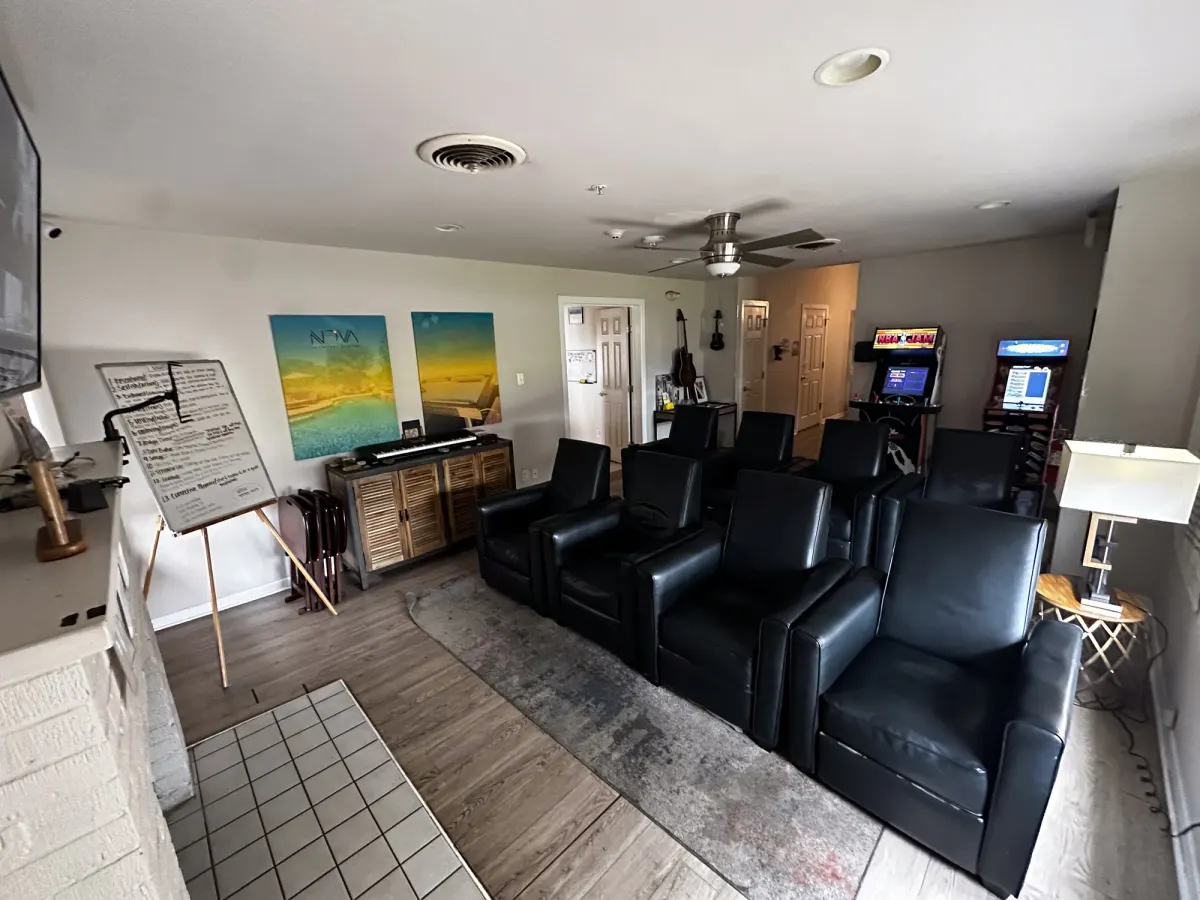 Inpatient
 Austin, TX
11711 N Lamar Blvd · 78753
- 15 beds
- On-site labs
- 24-hour medical staff
Drug & Alcohol Detox in Austin, TX
-
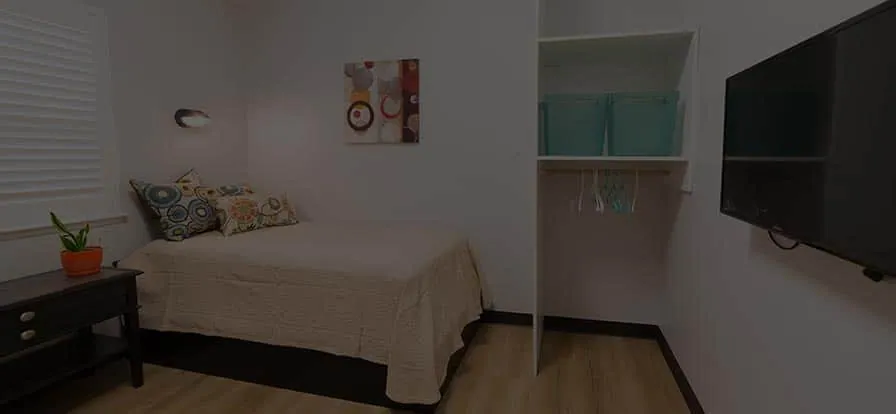 Inpatient
 Houston, TX
1019 Ashland St · 77008
- On-site labs
- 24-hour medical staff
Drug Detox Center in Houston, TX
-
 Outpatient
 San Antonio, TX
6707 W Hausman Rd · 78249
- Outpatient detox with scheduled medical visits
- Outpatient treatment
Outpatient Drug & Alcohol Detox in San Antonio
Sober-Friendly Points of Interest in Austin, Texas
Discovering Austin, Texas, can be thrilling and fulfilling, even for those looking for a sober lifestyle. Austin has many things to do and see for people who don't drink alcohol, including outdoor activities and cultural attractions. In this section, we will delve into some of the top sober fun points of interest in Austin, Texas.
- Barton Springs Pool: Nestled within Zilker Park, Barton Springs Pool is a natural spring-fed pool that offers year-round swimming. This iconic attraction is a perfect spot to relax, swim, and soak up the sun, all without the need for alcohol.
- Lady Bird Lake: Located in the heart of Austin, Lady Bird Lake provides a serene escape from the bustling city. You can rent a kayak or paddleboard to explore the lake. Alternatively, you can take a relaxing walk or bike ride on the beautiful trails nearby.
- Austin Nature and Science Center: Immerse yourself in nature at the Austin Nature and Science Center, where you can learn about the local flora and fauna through educational exhibits and interactive programs. Enjoy guided hikes, wildlife encounters, and hands-on activities that offer a unique way to connect with the natural world.
- The Blanton Museum of Art: Feed your artistic soul at The Blanton Museum of Art, located on the University of Texas at Austin campus. The famous museum displays various types of art. It includes both old and modern pieces. This gives people an opportunity to appreciate and learn about different artistic styles and movements.
- Austin Bouldering Project: Get active and challenge yourself at the Austin Bouldering Project, an indoor rock climbing facility. This place is safe and supportive for climbers of all levels. It's a great place to exercise and meet people with similar interests.
Drug Detox With Briarwood
Briarwood Detox Center offers detox treatment for alcohol, opioid, methamphetamine, prescription drugs, and much more. Our experienced clinical staff provides round-the-clock monitoring throughout the drug detox process and our therapy team provides support to help manage the emotional response to treatment. Additionally, we have detox facilities located in Austin, Houston, and Colorado Springs with state-of-the-art amenities.
Ready to talk to someone now? Briarwood Detox Center's admissions team is here 24/7, and every call is confidential. Call (866) 710-7710.Briarwood is dedicated to facilitating a healthy and safe environment that empowers people to make significant and lasting changes in their lives. We look forward to supporting you or your loved one on the journey to recovery. Call (866) 710-7710 today for more information on our programs and admission process.
Our center is in-network with many insurances
Using BlueCross BlueShield to pay for detox
Using United Healthcare to pay for detox
Using Magellan to pay for detox
Using Beacon Health to pay for detox
Call (866) 710-7710 to verify your benefits.





Break Free From Your Addiction Today
(in 3 easy, confidential steps)
Verify your insurance
Complete our fast, free, and easy verification process over the phone to determine the extent of your insurance coverage.
Make an informed decision
We will provide personalized placement recommendations based on your insurance, treatment needs, financial situation, and schedule.
Contact us
Call (866) 710-7710 or fill out our online form for a free and confidential personal consultation with an admissions specialist.


Family Visitation During Inpatient Detox at Briarwood
Can I visit my husband during his inpatient detox program?
Yes, Briarwood Detox Center welcomes family visits during inpatient detox programs in Austin, Texas. Visitation supports the recovery process by maintaining emotional connections and family involvement. Our clinical team works with each patient and their family to establish a visitation schedule that supports medical safety and therapeutic progress during the acute withdrawal phase.
During the initial 24-72 hours of medically supervised detox, visitation may be temporarily limited while our medical staff stabilizes withdrawal symptoms and ensures patient safety. This brief period allows your husband to focus on the physical demands of detoxification under close medical monitoring. Once the acute withdrawal phase stabilizes, regular visitation is encouraged as part of our family-centered approach to recovery.
Each patient's visitation plan is individualized based on:
- Medical stability — withdrawal severity and symptom management needs
- Clinical recommendations — therapeutic milestones and readiness for family engagement
- Patient preferences — personal comfort level and recovery goals
- Family dynamics — relationship health and support network strength
Our Austin inpatient facility provides comfortable visitation areas designed for privacy and meaningful connection. Video calls and phone communication are available when in-person visits aren't possible, ensuring families stay connected throughout the detox process.
What to Expect During Visitation
Visits typically occur during designated hours established by our clinical team. Before your first visit, our family services coordinator will:
- Explain current visitation policies and schedules
- Brief you on your husband's progress and what to expect
- Provide guidance on supportive communication during early recovery
- Answer questions about the detox process and next steps
- Connect you with family support resources and education
Family involvement is a cornerstone of effective addiction treatment. Research consistently shows that patients with engaged, supportive family members experience better treatment outcomes and lower relapse rates. Your presence and encouragement play a vital role in your husband's recovery journey.
Family Support Beyond Visitation
Briarwood Detox Center offers comprehensive family support services alongside our inpatient detox programs:
- Family education sessions — understanding addiction, detox, and recovery
- Communication coaching — learning supportive, effective ways to connect
- Discharge planning involvement — preparing for the transition to ongoing treatment
- Resource connections — local support groups and family therapy referrals
To discuss visitation arrangements or learn more about family involvement during inpatient detox at our Austin facility, call our admissions team at (866) 710-7710. We're available 24/7 to answer your questions and support both patients and their families through every step of the detox and recovery process.
For more information about what to expect during detox, visit our guides on preparing for drug and alcohol detox and what to expect when a loved one is in detox.
Ready to Start Your Recovery in Austin?
Briarwood Detox Center offers medically supervised detox in Austin. Explore our locations, see the facility, and verify your insurance in minutes.
See our locationsRelated guides



In network with most major insurance
Find your plan and see what detox would cost
Most plans cover medical detox. Coverage varies by plan, so we verify it for you before you commit to anything.














Don't see your plan? We work with out-of-network benefits and offer self-pay options — (866) 710-7710
- Confidential
- Takes about 2 minutes
- No obligation to admit
- Accredited The Joint Commission
- Rated 4.5 · 94 Google reviews
- Admissions 24 hours a day