
Guide
Supporting a Loved One in Active Addiction: A Practical Crisis-to-Care Guide
Joint Commission accredited · In network with most major insurance · Admissions answered 24 hours a day


Published February 10, 2026
Reviewed and updated July 29, 2026
Key Takeaways · 6 points
Break Free from Addiction. Detox Safely in Austin Today.
Medically Supervised Detox – Compassionate Care Starts Here.
When a loved one is in active addiction, families often feel stuck between fear and urgency. In those moments, broad lists of addiction recovery resources are less helpful than a clear, practical plan. This guide is designed to help families move from crisis toward addiction treatment readiness with calm, structure, and purpose.
Rather than focusing on meeting directories or community listings, this article centers on what matters first: safety, stabilization, and timing. By using a simple crisis-to-care framework, you can reduce risk today while preparing for the moment your loved one is willing to accept help.
Briarwood Detox Center helps families across Texas navigate this transition with medically supervised detox and next-step planning. If location matters for speed and follow-through, support is available in Austin, San Antonio, and Houston.




















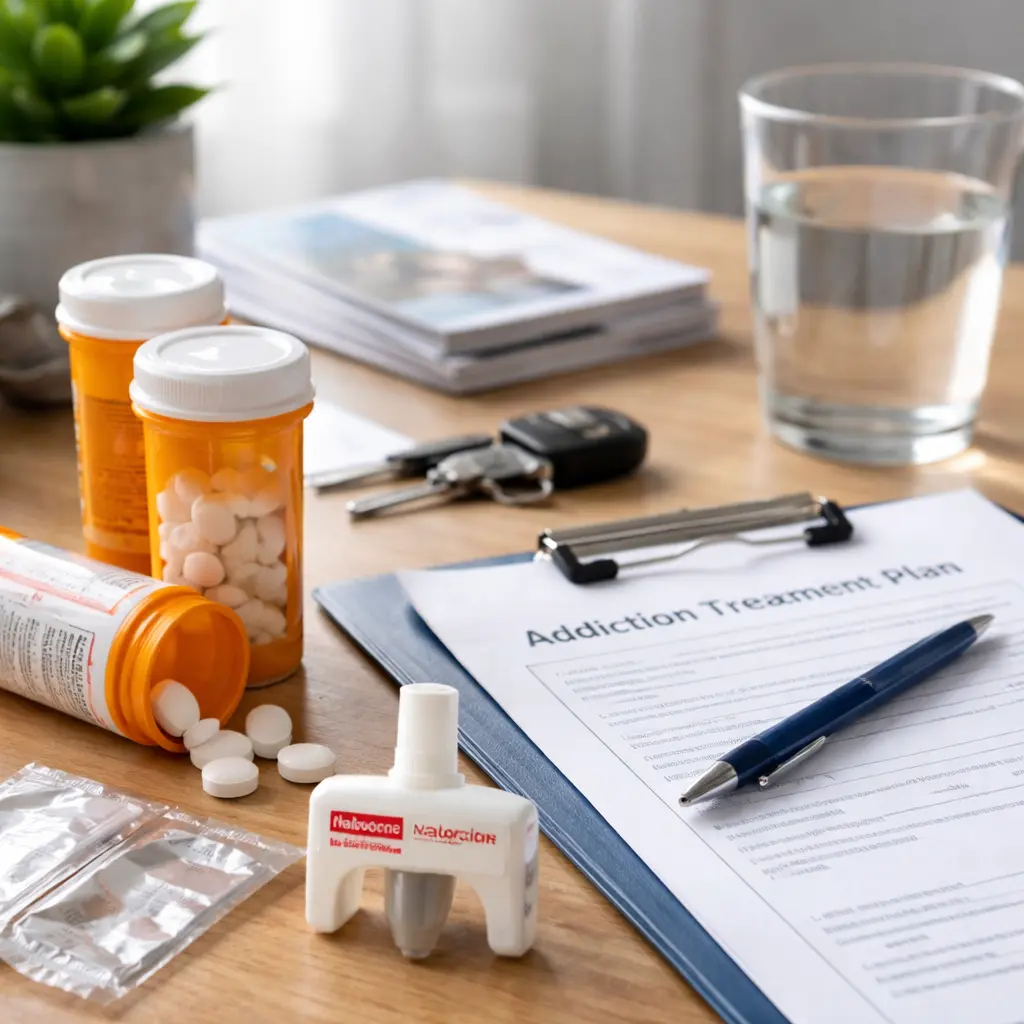
What families need during active addiction
Why “resources” are different in a crisis phase
During active addiction, families do not need long lists or vague encouragement. Instead, they need tools that lower immediate risk and shorten the path into addiction treatment. At this stage, the most effective resources are decisions, boundaries, and medical guidance.
Because substance use patterns can change quickly, planning must be simple and repeatable. A good framework helps you act even when stress is high and communication is strained.
The three priorities to keep in focus
- Safety: overdose risk, withdrawal risk, and emergency response.
- Stability: medical detox planning and short-term structure.
- Readiness: reducing barriers when willingness appears.
Where we are
Detox centers across Texas
Three locations, each with its own admissions line and its own clinical team. Pick the one nearest you — or call and we will tell you which has a bed tonight.
-
 Inpatient
 Austin, TX
11711 N Lamar Blvd · 78753
- 15 beds
- On-site labs
- 24-hour medical staff
Drug & Alcohol Detox in Austin, TX
-
 Inpatient
 Houston, TX
1019 Ashland St · 77008
- On-site labs
- 24-hour medical staff
Drug Detox Center in Houston, TX
-
 Outpatient
 San Antonio, TX
6707 W Hausman Rd · 78249
- Outpatient detox with scheduled medical visits
- Outpatient treatment
Outpatient Drug & Alcohol Detox in San Antonio
Safety first: reducing medical and overdose risk
When immediate help matters most
Some situations require urgent medical care rather than discussion. Signs such as overdose symptoms, seizures, severe confusion, or breathing problems call for emergency services. When in doubt, choosing safety is always the right decision.
Why unsupervised detox can increase danger
Stopping substance use abruptly can be medically risky, especially after long-term or heavy use. Withdrawal symptoms may escalate quickly, which is why detox should be treated as a clinical transition rather than a test of willpower.
For a deeper look at these risks, see the dangers of attempting detox without medical support.
Grounding decisions in evidence-based guidance
Federal health agencies describe recovery as a process that improves health, wellness, and quality of life over time. This perspective reinforces the importance of stabilization before long-term change. Families can review SAMHSA’s overview of recovery to better understand this continuum. SAMHSA: Recovery and Recovery Support.
Create a one-page crisis-to-care plan
Step 1: Document what is happening now
Begin by writing down the current pattern of use in clear terms. Include substances used, frequency, recent withdrawal symptoms, and any medical or legal events. This information helps addiction treatment teams recommend the safest next step.
Step 2: Set clear decision triggers
Next, agree on a few “if-then” actions. For example, if withdrawal symptoms worsen, seek medical guidance. If overdose risk is present, contact emergency services. If your loved one is open to talking, move directly to an assessment call.
Step 3: Keep contacts simple and accessible
- Emergency: 911 and the nearest emergency department.
- Support: one calm, reliable family contact.
- Care: a detox admissions team prepared to guide next steps.
This single page becomes your anchor during stressful moments, removing the need to rethink decisions each time.
Break Free from Addiction. Detox Safely in Austin Today.
Medically Supervised Detox – Compassionate Care Starts Here.
Communicating without escalating conflict
Lowering defensiveness through language
Conversations during active addiction are more productive when tone stays steady. Focus on observable concerns and immediate impact rather than labels or ultimatums. Asking for one small action often works better than demanding total change.
A structure that keeps dialogue open
A helpful formula is: concern, impact, and request. For example, “I care about you. I am worried about your safety after this week. I am asking you to talk with a medical professional today.”
Additional guidance on timing and boundaries is available in this conversation guide for families.
Boundaries that protect rather than punish
Boundaries work best when they are realistic and enforceable. They might include not providing cash, not covering missed obligations, or limiting unsafe behavior at home. Clear boundaries support safety while reducing unintentional enabling.
Moving quickly when readiness appears
Why preparation shortens the treatment gap
Willingness to seek help may appear briefly during active addiction. When families prepare in advance, they can act without delay. Preparation reduces stress and increases the likelihood of entering addiction treatment.
Information to gather ahead of time
- Substances used and last use.
- History of withdrawal or detox.
- Current medications and medical conditions.
- Insurance details, if available.
What effective treatment planning includes
Research shows that individualized treatment plans combining medical care and therapy improve outcomes. The National Institute on Drug Abuse explains that treatment may require adjustments over time to match changing needs. NIDA: Treatment and Recovery.
Stabilization and next steps in Texas
Why local access can matter
Proximity often affects follow-through during a crisis. Having access to medically supervised detox nearby can ease logistics and help families transition from urgency to structure more smoothly.
Planning beyond detox
Detox addresses immediate medical needs, yet long-term recovery requires continued support and structure. Federal recovery resources outline how ongoing care and monitoring support sustained change. DEA: Recovery Resources.
Getting guidance when you need it
If you are unsure which step is safest, speaking with an experienced admissions team can clarify timing and options. Even before your loved one commits, planning reduces risk and increases readiness.
What to Expect When You’re Ready to Move From Active Addiction to Care
When active addiction is affecting your health, safety, or daily stability, having a clear plan matters. Briarwood Detox Center helps people take the next step by offering medically supervised detox with support that prioritizes comfort, safety, and clinical oversight. Because withdrawal can change quickly, their team focuses on monitoring symptoms, reducing risk, and guiding you through the first phase of recovery with structure. Just as importantly, Briarwood helps you transition from detox into a practical next-step plan, so you are not left guessing what to do after stabilization. If you are unsure whether detox is necessary, their admissions team can walk you through what to expect, how timing works, and how to prepare. They can also help you understand insurance options and logistics, which can remove barriers when you are ready to act. For families, Briarwood provides clarity around boundaries, safety triggers, and how to support a loved one without escalating conflict. Overall, the goal is to move you from active addiction to a safer, more stable starting point where long-term recovery planning becomes possible.
Frequently Asked Questions About Active Addiction, Detox Support in Austin, and Next Steps After Detox
What are addiction recovery resources when someone is in active addiction in Austin?+–
Addiction recovery resources in active addiction are practical tools that reduce risk now and support treatment planning next, including withdrawal help, medical guidance, and a clear admissions plan. In Austin, recovery resources are most useful when they create a fast path from crisis to detox support in Austin and then to structured next steps after detox. A simple resource plan includes safety triggers, transportation, and one point of contact for care. If you want to understand what to expect before you arrive, review Briarwood’s detox FAQ and what to expect.
When should someone seek medical detox support in Austin instead of trying to stop at home?+–
Medical detox is recommended when stopping suddenly could be unsafe due to severe withdrawal risk, heavy daily use, prior complicated withdrawal, or co-occurring medical or mental health concerns. Detox support in Austin is especially important for alcohol, benzodiazepines, and opioids because withdrawal can escalate quickly and may require monitoring or medication. Detox is not a willpower test; it is a clinical safety step that protects the brain and body during early stabilization. If you are unsure, contact our team to discuss detox and next steps or call (866) 710-7710 for Austin-focused guidance.
What withdrawal symptoms mean you should get urgent medical help?+–
Urgent withdrawal symptoms include seizures, severe confusion, hallucinations, chest pain, trouble breathing, uncontrolled vomiting, or signs of dehydration. These symptoms can indicate dangerous complications and require immediate medical attention. If overdose risk is present or breathing is slow or irregular, call 911 right away. For non-emergency withdrawal concerns and treatment planning, detox support in Austin can help determine the safest next step.
How long does detox usually take, and what affects the timeline?+–
Detox often lasts several days to about a week, but the timeline varies based on the substance used, dose, duration of use, overall health, and whether multiple substances are involved. Withdrawal help may extend longer for certain substances, and symptoms can peak at different times depending on the drug. A medical team adjusts care based on symptom severity rather than a fixed calendar. Planning ahead makes it easier to move into addiction treatment without gaps after detox.
What happens right after detox, and what are the next steps after detox?+–
The next steps after detox typically include a clinical assessment, a recovery-focused routine, and a treatment plan that matches relapse risk and support needs. Detox stabilizes the body, yet ongoing addiction treatment addresses triggers, coping skills, and mental health factors that drive return to use. A strong plan includes follow-up appointments, therapy or structured programming, and a realistic support system. If you want a clearer picture of what happens next, see what to expect during detox and planning.
Can you start addiction treatment if your loved one is not ready to quit yet?+–
Treatment planning can begin even if someone is not ready to quit, because safety and readiness are part of addiction treatment. Families can start by reducing immediate risks, setting clear boundaries, and arranging an assessment pathway for when willingness appears. Small steps like discussing withdrawal help, transportation, and timing can prevent delays later. For Austin recovery resources that support a fast transition into care, contact our team to discuss detox and next steps.
What should families say to someone in active addiction without making things worse?+–
The most effective approach is calm, specific communication that focuses on safety and one clear request. A simple structure is: concern, impact, and next step, such as asking for an assessment call or medical detox evaluation. Avoid arguing about labels and focus on observable risks like withdrawal symptoms or unsafe behavior. Clear communication supports treatment planning and reduces escalation during active addiction.
What should you bring to detox, and how can you prepare for admission?+–
A detox packing list typically includes a photo ID, insurance card (if available), a list of medications, basic clothing, and personal hygiene items, while avoiding valuables. Preparation also means arranging transportation, notifying work if needed, and identifying a family contact for coordination. Having accurate information about recent use helps clinicians provide safer withdrawal help. For practical admissions details, review what to expect before and during detox.
Does insurance cover detox, and what does insurance verification do?+–
Insurance coverage often depends on benefits, medical necessity, and plan details, which is why verification matters before admission. Insurance verification checks your benefits and clarifies what services may be covered for detox and related care, reducing surprises during treatment planning. It also helps confirm eligibility and speeds up the intake process when timing is urgent. You can verify your insurance coverage and admissions options to support detox planning in Austin.
How do you know what level of care is needed after detox in Austin?+–
Level-of-care decisions are based on withdrawal severity, relapse risk, home environment safety, and co-occurring mental health or medical needs. After detox, some people need structured therapy and monitoring, while others may be appropriate for step-down care with strong accountability. The goal is a plan that supports long-term stability, not just short-term abstinence. For Austin-focused detox support and next-step planning, call (866) 710-7710 or contact our team to discuss detox and next steps.
Related guides


In network with most major insurance
Find your plan and see what detox would cost
Most plans cover medical detox. Coverage varies by plan, so we verify it for you before you commit to anything.

















Don't see your plan? We work with out-of-network benefits and offer self-pay options — (866) 710-7710
- Confidential
- Takes about 2 minutes
- No obligation to admit

- Accredited The Joint Commission
- Rated 4.7 · 182 Google reviews Flourishing Foundations Recovery, now part of Briarwood
- Admissions 24 hours a day