
Guide
Anxiety and Panic Attacks in Alcohol and Drug Withdrawal: Why They Happen, How Long They Last, and When Panic Is Something Else
Joint Commission accredited · In network with most major insurance · Admissions answered 24 hours a day

Published October 5, 2026
Anxiety is often the first thing people feel when they stop drinking, and for some it turns into full panic attacks. That can be frightening enough to send a person back to the bottle within a day. This page explains why withdrawal causes anxiety, how long it usually lasts, and how to tell a panic attack from something more dangerous. It also covers what helps, what makes it worse, and how to know whether the anxiety will lift with sobriety or needs its own treatment. Every figure comes from the medical sources named under each section.
Why does alcohol withdrawal cause anxiety?
Alcohol withdrawal causes anxiety because the brain has adjusted to alcohol’s calming effect. When drinking stops, the brain’s own alarm signals run unchecked for a while.
Alcohol slows the nervous system down. With steady drinking, the brain turns up its own excitement to stay balanced. When the alcohol is gone, that extra excitement is still there. The result is a body on high alert: a racing heart, sweating, shaking, poor sleep and a mind that will not settle.
The National Institute on Alcohol Abuse and Alcoholism describes the pattern. Anxiety can follow even one heavy night of drinking, which the popular press calls “hangxiety”. It builds between drinking episodes. It reaches high levels during withdrawal. That rising floor of anxiety is one reason people keep drinking: a drink makes it stop, for a while, and then makes the next one worse.
Source: Mental Health Issues: Alcohol Use Disorder and Common Co-occurring Conditions, Core Resource on Alcohol, National Institute on Alcohol Abuse and Alcoholism.
How long does anxiety last after you stop drinking?
Anxiety after you stop drinking usually peaks in the first three days and is back to normal for most people within about two weeks. It keeps easing with each week of sobriety after that.
The National Library of Medicine puts the start of alcohol withdrawal within about 8 hours of the last drink. Anxiety and nervousness are among the first symptoms. They peak, with the rest of withdrawal, at 24 to 72 hours.
A study of 171 men in inpatient treatment tracked anxiety three times a week. At admission, 40 percent had high levels of anxiety. By the second week, scores were typically back in the normal range. They kept falling with each week of abstinence. The men with the most anxiety were those who had a history of panic attacks or anxiety before they drank heavily.
Some anxiety and poor sleep can last longer. The National Library of Medicine says sleep changes, mood swings and fatigue may go on for months. The post-acute withdrawal page covers that stretch, and the alcohol withdrawal timeline sets out the first week hour by hour.
Source: Alcohol withdrawal, MedlinePlus Medical Encyclopedia, National Library of Medicine, reviewed January 1, 2025; Changes in anxiety among abstinent male alcoholics, Brown, Irwin and Schuckit, Journal of Studies on Alcohol, 1991.
Is it a panic attack, or something more dangerous?
A panic attack comes on suddenly, peaks within 10 to 20 minutes and then eases. Withdrawal that is turning dangerous does not ease. It comes with confusion, fever, a seizure or an irregular heartbeat.
The National Library of Medicine lists the signs of a panic attack. They include chest pain, a pounding heart, dizziness, a choking feeling, numbness or tingling, and an intense fear of dying or losing control. It notes that a panic attack may be mistaken for a heart attack. Some symptoms can last an hour or more.
In alcohol withdrawal, the line matters, because the same racing heart can be the start of something worse. Call 911 if anxiety comes with any of these:
- Confusion, or not knowing where you are
- A seizure
- Fever
- Hallucinations: seeing, hearing or feeling things that are not there
- An irregular heartbeat, or chest pain that does not ease
Those are the National Library of Medicine’s signs of severe withdrawal. The alcohol-induced psychosis page explains how hallucinations differ from delirium tremens. When in doubt, call. Nobody at an emergency room minds being told it was panic.
Source: Panic disorder, MedlinePlus Medical Encyclopedia, National Library of Medicine, reviewed May 15, 2026.
Where we are
Detox centers across Texas
Three locations, each with its own admissions line and its own clinical team. Pick the one nearest you — or call and we will tell you which has a bed tonight.
-
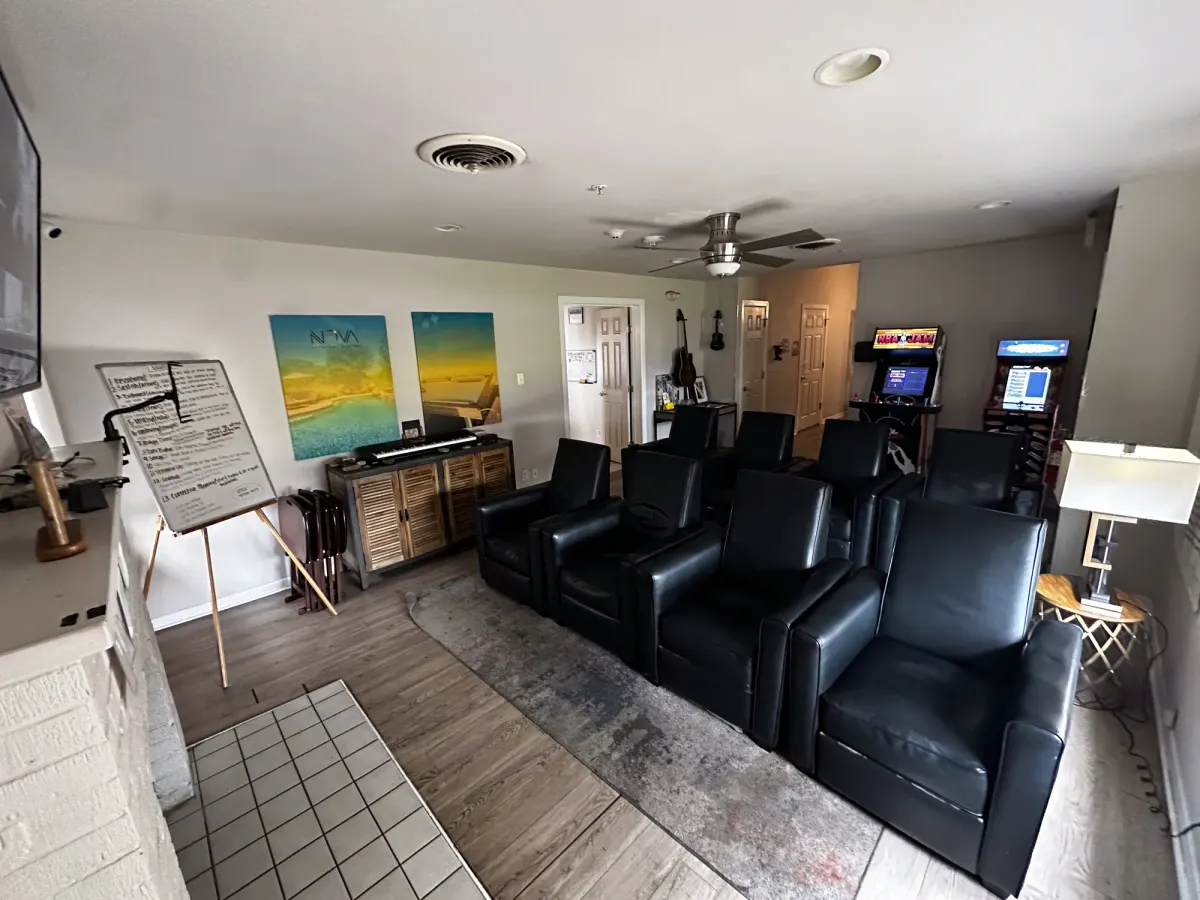 Inpatient
Austin, TX
11711 N Lamar Blvd · 78753
- 15 beds
- On-site labs
- 24-hour medical staff
Drug & Alcohol Detox in Austin, TX
-
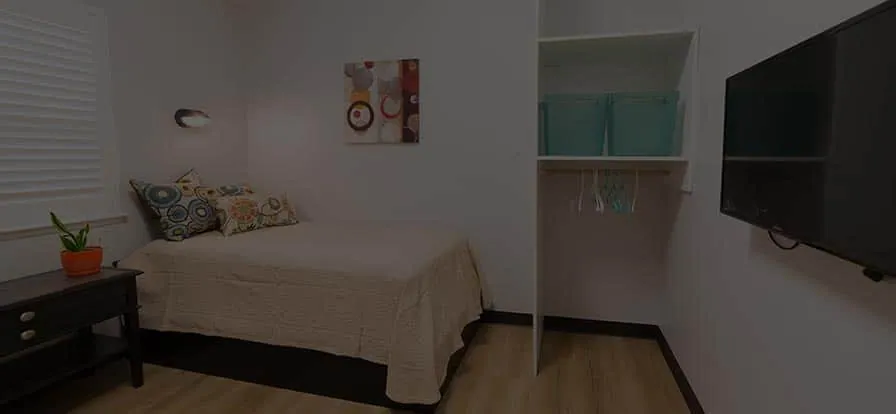 Inpatient
Houston, TX
1019 Ashland St · 77008
- On-site labs
- 24-hour medical staff
Drug Detox Center in Houston, TX
-
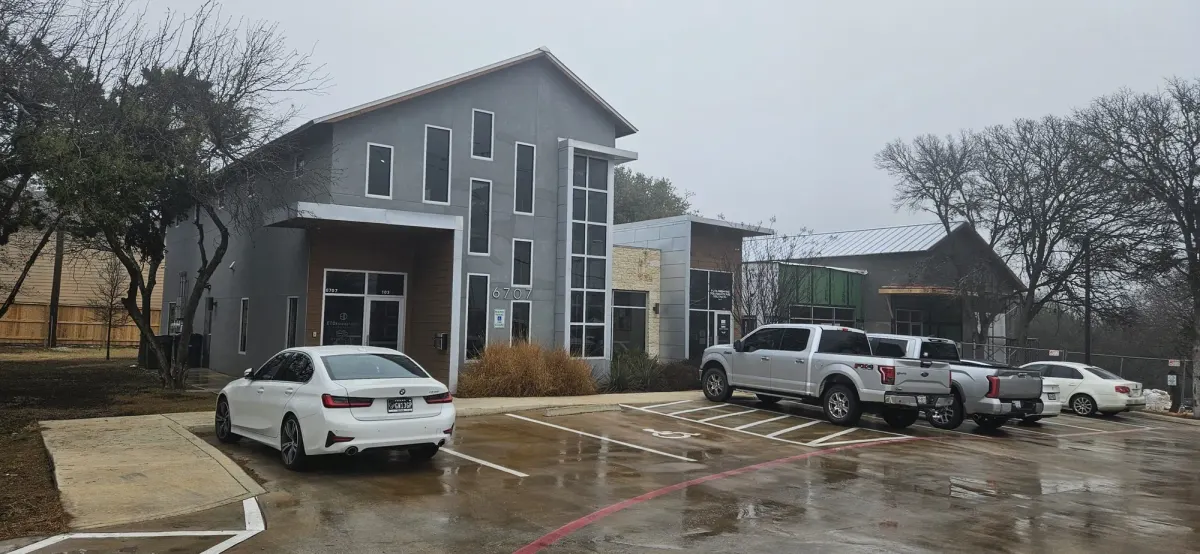 Outpatient
San Antonio, TX
6707 W Hausman Rd · 78249
- Outpatient detox with scheduled medical visits
- Outpatient treatment
Outpatient Drug & Alcohol Detox in San Antonio
What helps with anxiety during withdrawal?
What helps most with withdrawal anxiety is treating the withdrawal itself. In medical detox, the same medicine that prevents seizures also calms the nervous system, so the anxiety eases as the withdrawal is controlled.
Medical detox for alcohol uses a benzodiazepine on a set schedule, or in doses matched to a withdrawal score. Anxiety is one of the items on that score. The CIWA-Ar scale page shows how it is measured. As the score comes down, so does the dose.
Simple things help too. A quiet, dim room. Regular meals and water. Slow breathing during a panic attack, while reminding yourself that it will peak and pass. Someone nearby who knows what is happening. None of this replaces medical care in withdrawal, but it makes the hours easier.
What does not help is a drink “to take the edge off”. It works for an hour and restarts the clock.
Should you take Xanax or other benzos for withdrawal anxiety?
Not on your own. Benzodiazepines are the standard treatment for alcohol withdrawal, but only under a doctor’s dosing. Taking someone else’s pills with alcohol still in your system can stop your breathing.
The FDA is direct about mixing them: do not drink alcohol with benzodiazepines, because alcohol raises the risk of serious and life-threatening side effects. The danger is greatest in the first hours and days after drinking stops, which is exactly when people reach for leftover pills.
There is a second risk. Benzodiazepines can cause their own dependence within days to weeks of steady use, even as prescribed. Swapping a drinking problem for a benzo problem is common, and benzo withdrawal can also cause seizures. That is why detox uses a schedule that ends. The Xanax withdrawal page covers what happens when it does not.
Source: FDA requiring Boxed Warning updated to improve safe use of benzodiazepine drug class, Drug Safety Communication, U.S. Food and Drug Administration, September 23, 2020.
Does anxiety from other drugs work the same way?
Yes, in most cases. Opioid withdrawal brings anxiety and agitation in its first wave. Cocaine and meth withdrawal bring anxiety along with a deep low in mood. Benzodiazepine withdrawal can bring the strongest rebound anxiety of all.
The National Library of Medicine lists agitation and anxiety among the early symptoms of opioid withdrawal, starting within about 12 hours of the last heroin use. For cocaine, it lists anxiety, irritability and sometimes extreme suspicion during the crash. For benzodiazepines, the FDA describes withdrawal anxiety that can, in some people, go on for months.
The worst drug to detox from page compares how dangerous each withdrawal is. The short version: anxiety alone is rarely the dangerous part, but it is often what drives people back to using.
Source: Opiate and opioid withdrawal and Cocaine withdrawal, MedlinePlus Medical Encyclopedia, National Library of Medicine.
Will the anxiety go away, or do I have an anxiety disorder?
For many people, the anxiety fades with sobriety. For others, it was there before the drinking and needs its own treatment. The way to tell is to look at the timeline.
The NIAAA suggests a few questions. When did the anxiety start, and when did the drinking start? What happened to the anxiety during the longest stretch without alcohol? Does anxiety run in the family? Anxiety that began with heavy drinking and lifts in the first weeks of sobriety was probably caused by the alcohol. Anxiety that came first, or stays after a month or two, is likely its own condition.
Both are common. The NIAAA says anxiety disorders are among the conditions that most often occur alongside alcohol use disorder. It also says quitting drinking often improves them, and that treating both together gives the best chance of recovering from both. Safe, non-addictive medication for anxiety can be started once withdrawal is over. The dual diagnosis support page explains how that works at Briarwood.
How does Briarwood handle anxiety and panic in detox?
Briarwood treats withdrawal anxiety as part of the withdrawal, with medication on a physician’s schedule and nursing around the clock. Anxiety that was there before the drinking is assessed and planned for before discharge.
Medically supervised alcohol detox runs in Austin and Houston, usually for five to seven days. The first days, when anxiety and the risk of seizures both peak, are spent under observation. Benzodiazepine detox uses a slow taper for the same reason.
Briarwood is a detox center, not a hospital. Someone who is confused, feverish or seizing needs an emergency room first. San Antonio is an outpatient program and is not the setting for withdrawal at that level.
The step after detox is arranged before discharge, and so is care for anxiety that does not lift. Cost and insurance covers what a stay costs. Admissions answers at every hour, and if you are calling in the middle of a panic attack, that is fine too.
Common Questions
Is anxiety a symptom of alcohol withdrawal?+–
Yes. Anxiety and nervousness are among the first symptoms, usually within about 8 hours of the last drink. They peak at 24 to 72 hours, along with the rest of withdrawal.
How long does withdrawal anxiety last?+–
For most people it eases a lot within about two weeks. In a study of 171 men in treatment, anxiety scores were typically back to normal by the second week. Sleep problems and mood swings can last longer.
Can alcohol withdrawal cause panic attacks?+–
Yes, especially in people who had panic attacks before they drank heavily. A panic attack peaks within 10 to 20 minutes and eases. If it comes with confusion, fever, a seizure or hallucinations, call 911.
How do I know if it is a panic attack or a heart attack?+–
You often cannot tell on your own, and the National Library of Medicine notes that panic attacks can be mistaken for heart attacks. Chest pain that does not ease, or that comes with fainting, needs 911.
Can I take Xanax for alcohol withdrawal anxiety?+–
Not without a doctor. Benzodiazepines are used in medical detox at set doses. Taken on your own with alcohol in your system, they can slow your breathing dangerously, and they can cause their own dependence.
Will my anxiety go away when I stop drinking?+–
Often, yes. Anxiety caused by drinking usually fades in the first weeks of sobriety. Anxiety that started before the drinking, or stays after a month or two, is likely its own condition and responds to treatment.
Related guides

About the people behind this guide
Anna-Grace Washington
Medical Content Writer
Anna-Grace Washington is a Medical Content Writer for Briarwood Detox Center. She holds a master’s degree in clinical psychology from the University of Texas and brings a strong understanding of behavioral health, addiction recovery, and evidence-based treatment concepts to her writing.
In network with most major insurance
Find your plan and see what detox would cost
Most plans cover medical detox. Coverage varies by plan, so we verify it for you before you commit to anything.



















Don't see your plan? We work with out-of-network benefits and offer self-pay options — (866) 710-7710
- Confidential
- Takes about 2 minutes
- No obligation to admit

- Accredited The Joint Commission
- Rated 4.7 · 183 Google reviews Flourishing Foundations Recovery, now part of Briarwood
- Admissions 24 hours a day