
Guide
At-Home vs. Medical Detox: What’s Best for Drug and Alcohol Detox in Austin, TX?
Joint Commission accredited · In network with most major insurance · Admissions answered 24 hours a day

Published October 8, 2024
Reviewed and updated July 29, 2026
Table of contents
- Understanding the Detox Process
- What Is At-Home Detox?
- What Is Medical Detox?
- Factors to Consider When Choosing Between At-Home and Medical Detox
- The Verdict: Why Medical Detox Is the Safer Choice
- Ready to Begin Your Journey?
- Drug Detox With Briarwood
- Break Free From Your Addiction Today
When it comes to overcoming drug and alcohol addiction, detoxification is often the first major step in the recovery journey. Detoxification, or simply detox, is the process by which harmful substances are cleared from your body, allowing you to begin your path to sobriety with a fresh start. But the question many people ask is: should I attempt detoxification at home, or should I seek a medical detoxification program? This decision is crucial for both your safety and your success in recovery, and it's not always easy to determine which option is best. Here at Briarwood Detox Center in Austin, TX, we want to help you make the right choice.
If you or someone you love needs more than detox, Briarwood Detox Center also provides drug rehab austin.
Briarwood Detox Center’s alcohol detox program program provides medically supervised, evidence-based care.
Understanding the Detox Process
Before diving into the comparison, it's essential to understand the detoxification process itself. Drug and alcohol detoxification can vary in length and intensity depending on the substance, frequency of use, and individual health. Detox symptoms can range from mild discomfort to severe, life-threatening conditions like seizures or delirium tremens (DTs). Regardless of where you choose to detoxification, it’s important to recognize that this process is not just about physical withdrawal, but also about addressing the psychological and emotional aspects of addiction.
Does your insurance cover detox in Austin?
Find out in about 2 minutes — free, confidential, no obligation.
Verify InsuranceWhat Is At-Home Detox?
At-home detox involves quitting drug or alcohol use on your own, typically without medical supervision. Many people choose this method because it feels more private or less costly. The idea of detoxing from the comfort of your home may seem appealing, but there are serious risks involved. The lack of professional oversight during withdrawal can lead to dangerous complications, especially with substances like alcohol, opioids, or benzodiazepines. While some may think that drinking plenty of water and resting will suffice, the body and mind are undergoing significant stress during detoxification, and without proper medical attention, the consequences could be severe.
Benefits of At-Home Detox:
- Privacy and comfort in a familiar environment
- Lower immediate costs than professional detox
- Flexibility in managing your own schedule
Risks of At-Home Detox:
- High potential for medical emergencies due to withdrawal symptoms
- Limited or no access to medical support
- Increased likelihood of relapse without professional guidance
- No emotional or psychological support to manage cravings and triggers
For these reasons, at-home detox is rarely recommended for people with moderate to severe addiction. Even though it may seem like an easier route, the dangers far outweigh the perceived benefits.
What Is Medical Detox?
Medical detoxification, on the other hand, is conducted in a professional setting like Briarwood Detox Center in Austin. It involves constant supervision by medical professionals, who monitor your physical and emotional well-being throughout the detoxification process. Medical detox ensures that your symptoms are managed safely, often with the help of medications to ease withdrawal. This method also provides access to immediate care in case complications arise, which can be crucial for substances like alcohol, opioids, and other drugs that have high-risk withdrawal syndromes.
Benefits of Medical Detox:
- 24/7 medical supervision and support
- Safer, controlled environment for managing withdrawal symptoms
- Access to medications that ease symptoms and reduce cravings
- Emotional and psychological support from trained professionals
- Reduced risk of relapse
Risks of Medical Detox:
- Higher cost compared to at-home detox
- Requires time away from home and daily responsibilities
While medical detoxification may involve higher upfront costs, its benefits significantly improve your chances of long-term recovery. At Briarwood Detox Center, we offer evidence-based treatments and individualized care plans that prioritize both safety and comfort, helping you build the foundation for sustained sobriety.
Factors to Consider When Choosing Between At-Home and Medical Detox
When deciding which detox path to take, it’s important to consider the following factors:
Severity of Addiction: If your addiction involves substances like alcohol, opioids, or benzodiazepines, medical detox is generally the safest option. These substances often result in dangerous withdrawal symptoms that require medical intervention.
Personal Health: Individuals with underlying health conditions are at greater risk during detoxification. Medical supervision ensures that any health complications are immediately addressed, and medications can be adjusted as necessary.
Ready to talk to someone now? Briarwood Detox Center's admissions team is here 24/7, and every call is confidential. Call (866) 710-7710.Support System: If you have a strong support network of family and friends, you may feel more confident attempting at-home detox. However, even with support, the absence of professional medical guidance increases the risk of complications and relapse.
Long-Term Goals: Are you seeking more than just detox? Medical detoxification is often the first step in a comprehensive treatment program. Briarwood Detox Center offers a continuum of care, from detoxification through inpatient and outpatient programs, that helps clients maintain sobriety beyond the initial detoxification phase.
Cost: While at-home detoxification might seem cheaper initially, consider the potential for hospital bills or other costs if complications arise. Medical detox provides a safer, controlled environment, and most insurance plans cover a portion or all of the costs at centers like Briarwood Detox Center.
The Verdict: Why Medical Detox Is the Safer Choice
Ultimately, medical detoxification is the safer, more effective option for individuals facing drug and alcohol addiction. It provides the necessary medical support and emotional care to ensure that you or your loved one can navigate withdrawal symptoms safely. At Briarwood Detox Center, we understand that detox is a critical first step, and our dedicated staff is committed to offering comprehensive care tailored to your specific needs. By choosing a medically supervised detoxification, you're making the first crucial step toward lasting recovery.
Ready to Begin Your Journey?
If you or a loved one is struggling with addiction, don’t face it alone. Briarwood Detox Center in Austin offers personalized, evidence-based care that addresses your physical, mental, and emotional needs. Get help today and see availability for our detoxification programs. Confidential insurance and availability checks are available, and most insurances are accepted. Contact us to start your path to recovery today. path toward a healthier, addiction-free life. Confidential Insurance and Availability Check is available, and Most Insurances Accepted.
Where we are
Detox centers across Texas
Three locations, each with its own admissions line and its own clinical team. Pick the one nearest you — or call and we will tell you which has a bed tonight.
-
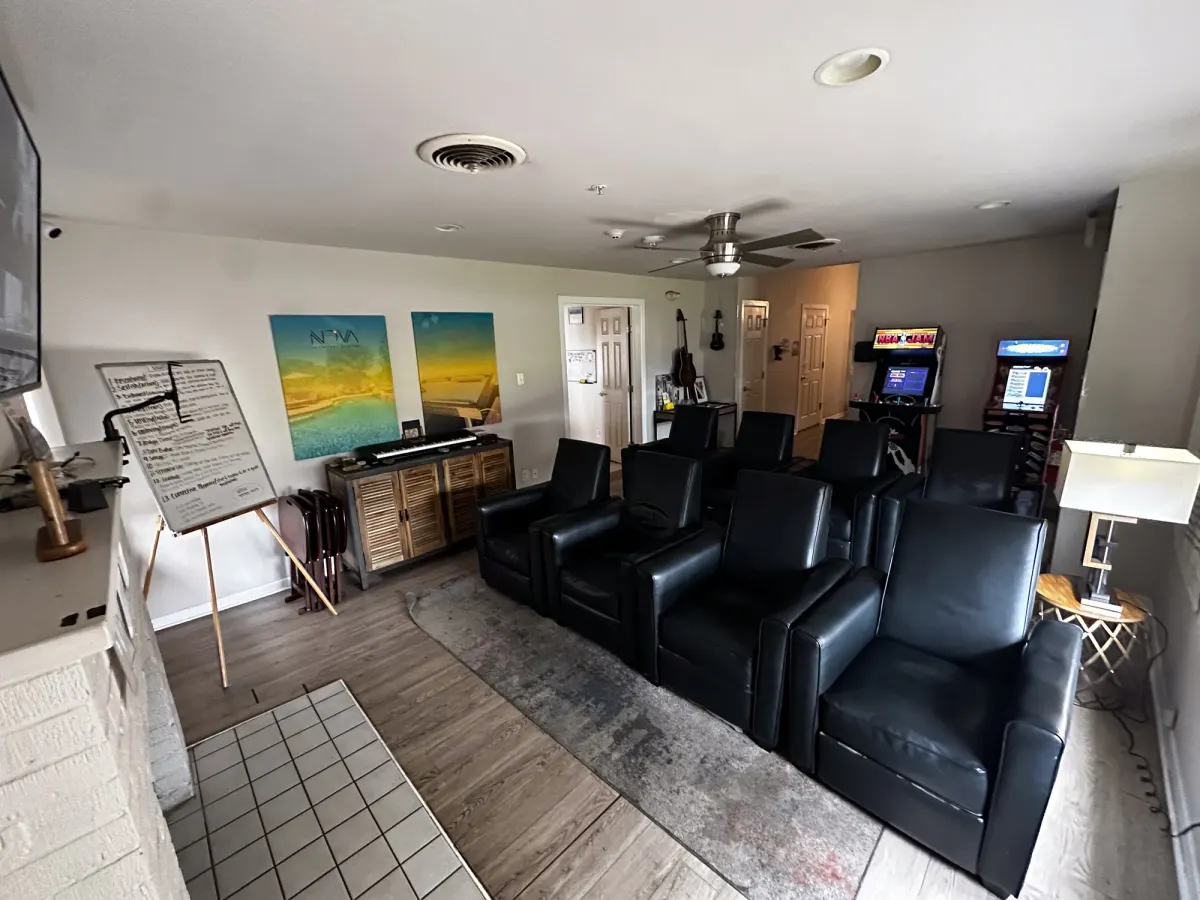 Inpatient
 Austin, TX
11711 N Lamar Blvd · 78753
- 15 beds
- On-site labs
- 24-hour medical staff
Drug & Alcohol Detox in Austin, TX
-
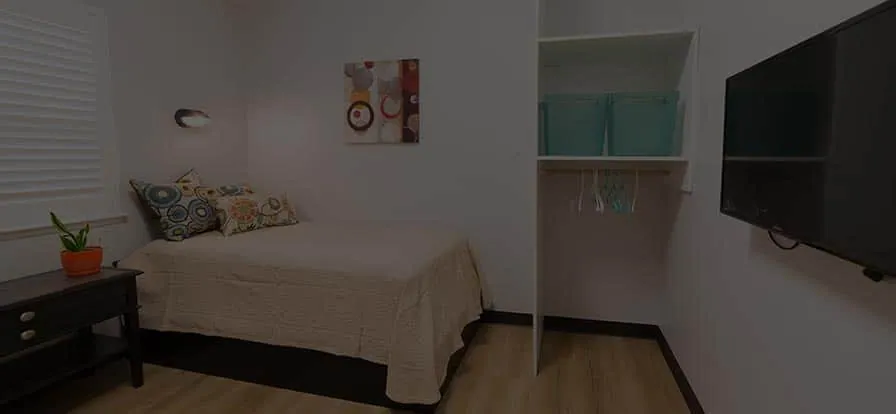 Inpatient
 Houston, TX
1019 Ashland St · 77008
- On-site labs
- 24-hour medical staff
Drug Detox Center in Houston, TX
-
 Outpatient
 San Antonio, TX
6707 W Hausman Rd · 78249
- Outpatient detox with scheduled medical visits
- Outpatient treatment
Outpatient Drug & Alcohol Detox in San Antonio
Drug Detox With Briarwood
Briarwood Detox Center offers detoxification treatment for alcohol, opioid, methamphetamine, prescription drugs, and much more. Our experienced clinical staff provides round-the-clock monitoring throughout the drug detoxification process and our therapy team provides support to help manage the emotional response to treatment. Additionally, we have detox facilities located in Austin, Houston, and Colorado Springs with state-of-the-art amenities.
Briarwood is dedicated to facilitating a healthy and safe environment that empowers people to make significant and lasting changes in their lives. We look forward to supporting you or your loved one on the journey to recovery. Call (866) 710-7710 today for more information on our programs and admission process.
What's the Success Rate of Residential Treatment Compared to Outpatient Programs?
Direct answer: Research shows that residential (inpatient) treatment programs typically report completion rates of 60–75%, while outpatient programs see completion rates of 40–60%. However, long-term success depends less on setting and more on individual factors like treatment duration, engagement, aftercare participation, and the severity of the substance use disorder. Both models can be highly effective when matched to the patient's clinical needs.
Success rates are influenced by how "success" is defined—whether measured by program completion, abstinence at 6 or 12 months, quality-of-life improvements, or reduced relapse frequency. The National Institute on Drug Abuse (NIDA) emphasizes that effective treatment is individualized, evidence-based, and addresses co-occurring mental health conditions.
Key Factors That Influence Success in Both Settings
- Treatment duration: NIDA research indicates that individuals who remain in treatment for at least 90 days have significantly better outcomes, regardless of inpatient or outpatient setting.
- Severity of addiction: Patients with severe withdrawal risks, polysubstance use, or unstable living environments often benefit more from the 24/7 medical supervision of residential detox and inpatient care.
- Co-occurring disorders: Integrated treatment for mental health conditions (depression, anxiety, PTSD) improves success rates in both residential and outpatient programs.
- Aftercare and ongoing support: Transitioning from detox to outpatient therapy, counseling, peer support groups, and medication-assisted treatment (MAT) sustains recovery far beyond the initial program.
- Family and social support: Strong support networks and stable home environments enhance outpatient success; residential programs provide structure when those supports are lacking.
When Residential (Inpatient) Detox Is Recommended
Residential detox at Briarwood Detox Center in Austin, TX offers 24/7 medical supervision, making it the safest choice for:
- Severe alcohol or benzodiazepine withdrawal (risk of seizures or delirium tremens)
- Opioid dependence requiring managed withdrawal and MAT induction
- Polysubstance use or complex medical/psychiatric needs
- Previous unsuccessful outpatient attempts or high relapse risk
- Unsafe or unsupportive home environments
Our inpatient detox program provides immediate stabilization, comfort medications, and a safe environment before patients transition to outpatient or residential rehab.
When Outpatient Detox and Treatment Work Best
Briarwood's outpatient detox programs in Austin, San Antonio, Houston TX, and Colorado Springs CO are ideal for individuals with:
- Mild to moderate substance use disorders
- Strong home support systems and stable housing
- Work, school, or family commitments they cannot leave
- Successful completion of inpatient detox and a need for step-down care
- Motivation and ability to attend regular appointments
Outpatient care allows patients to apply recovery skills in real-world settings while maintaining daily responsibilities.
The Bottom Line: Matching Treatment Intensity to Individual Needs
There is no universal "better" option—residential and outpatient programs serve different clinical needs. A comprehensive assessment by addiction medicine specialists determines the appropriate level of care. At Briarwood Detox Center, our clinical team evaluates medical history, substance use patterns, co-occurring disorders, and social stability to recommend the safest, most effective detox pathway.
If you or a loved one need help deciding between inpatient and outpatient detox, call us at (866) 710-7710 for a confidential assessment. Our team is available 24/7 to guide you toward the right level of care for lasting recovery.
Frequently Asked Questions
What's the success rate of residential treatment compared to outpatient programs?
Residential programs report 60–75% completion rates, while outpatient programs see 40–60%. Long-term success depends on treatment duration, individual engagement, severity of addiction, and aftercare—not just the setting. Both models are effective when properly matched to the patient's needs.
How do I know if I need inpatient or outpatient detox?
Inpatient detox is recommended for severe withdrawal risks (alcohol, benzodiazepines, opioids), complex medical needs, or lack of safe housing. Outpatient detox works for mild-to-moderate cases with strong home support. A clinical assessment determines the safest level of care.
Can I switch from outpatient to inpatient treatment if needed?
Yes. If withdrawal symptoms worsen or complications arise during outpatient detox, Briarwood Detox Center can immediately transition you to our inpatient program in Austin for 24/7 medical care and safety.
Ready to Start Your Recovery in Austin?
Briarwood Detox Center offers medically supervised detox in Austin. Explore our locations, see the facility, and verify your insurance in minutes.
See our locationsWhat's the Success Rate of Residential Treatment Compared to Outpatient Programs?
Direct answer: Research shows that residential (inpatient) treatment programs typically report completion rates of 60–75%, while outpatient programs see completion rates of 40–60%. However, long-term success depends less on setting and more on individual factors like treatment duration, engagement, aftercare participation, and the severity of the substance use disorder. Both models can be highly effective when matched to the patient's clinical needs.
Success rates are influenced by how "success" is defined—whether measured by program completion, abstinence at 6 or 12 months, quality-of-life improvements, or reduced relapse frequency. The National Institute on Drug Abuse (NIDA) emphasizes that effective treatment is individualized, evidence-based, and addresses co-occurring mental health conditions.
Key Factors That Influence Success in Both Settings
- Treatment duration: NIDA research indicates that individuals who remain in treatment for at least 90 days have significantly better outcomes, regardless of inpatient or outpatient setting.
- Severity of addiction: Patients with severe withdrawal risks, polysubstance use, or unstable living environments often benefit more from the 24/7 medical supervision of residential detox and inpatient care.
- Co-occurring disorders: Integrated treatment for mental health conditions (depression, anxiety, PTSD) improves success rates in both residential and outpatient programs.
- Aftercare and ongoing support: Transitioning from detox to outpatient therapy, counseling, peer support groups, and medication-assisted treatment (MAT) sustains recovery far beyond the initial program.
- Family and social support: Strong support networks and stable home environments enhance outpatient success; residential programs provide structure when those supports are lacking.
When Residential (Inpatient) Detox Is Recommended
Residential detox at Briarwood Detox Center in Austin, TX offers 24/7 medical supervision, making it the safest choice for:
- Severe alcohol or benzodiazepine withdrawal (risk of seizures or delirium tremens)
- Opioid dependence requiring managed withdrawal and MAT induction
- Polysubstance use or complex medical/psychiatric needs
- Previous unsuccessful outpatient attempts or high relapse risk
- Unsafe or unsupportive home environments
Our inpatient detox program provides immediate stabilization, comfort medications, and a safe environment before patients transition to outpatient or residential rehab.
When Outpatient Detox and Treatment Work Best
Briarwood's outpatient detox programs in Austin, San Antonio, Houston TX, and Colorado Springs CO are ideal for individuals with:
- Mild to moderate substance use disorders
- Strong home support systems and stable housing
- Work, school, or family commitments they cannot leave
- Successful completion of inpatient detox and a need for step-down care
- Motivation and ability to attend regular appointments
Outpatient care allows patients to apply recovery skills in real-world settings while maintaining daily responsibilities.
The Bottom Line: Matching Treatment Intensity to Individual Needs
There is no universal "better" option—residential and outpatient programs serve different clinical needs. A comprehensive assessment by addiction medicine specialists determines the appropriate level of care. At Briarwood Detox Center, our clinical team evaluates medical history, substance use patterns, co-occurring disorders, and social stability to recommend the safest, most effective detox pathway.
If you or a loved one need help deciding between inpatient and outpatient detox, call us at (866) 710-7710 for a confidential assessment. Our team is available 24/7 to guide you toward the right level of care for lasting recovery.
Frequently Asked Questions
What's the success rate of residential treatment compared to outpatient programs?
Residential programs report 60–75% completion rates, while outpatient programs see 40–60%. Long-term success depends on treatment duration, individual engagement, severity of addiction, and aftercare—not just the setting. Both models are effective when properly matched to the patient's needs.
How do I know if I need inpatient or outpatient detox?
Inpatient detox is recommended for severe withdrawal risks (alcohol, benzodiazepines, opioids), complex medical needs, or lack of safe housing. Outpatient detox works for mild-to-moderate cases with strong home support. A clinical assessment determines the safest level of care.
Can I switch from outpatient to inpatient treatment if needed?
Yes. If withdrawal symptoms worsen or complications arise during outpatient detox, Briarwood Detox Center can immediately transition you to our inpatient program in Austin for 24/7 medical care and safety.
Related guides



In network with most major insurance
Find your plan and see what detox would cost
Most plans cover medical detox. Coverage varies by plan, so we verify it for you before you commit to anything.













Don't see your plan? We work with out-of-network benefits and offer self-pay options — (866) 710-7710
- Confidential
- Takes about 2 minutes
- No obligation to admit
- Accredited The Joint Commission
- Rated 4.5 · 94 Google reviews
- Admissions 24 hours a day