
Guide
Cocaine Addiction Treatment in Austin
Joint Commission accredited · In network with most major insurance · Admissions answered 24 hours a day


Published December 22, 2025
Reviewed and updated July 29, 2026
Key Takeaways · 5 points
- Cocaine addiction treatment in Austin starts with safe, medical detox at Briarwood Detox Center so individuals can stabilize and begin recovery with support.
- Cocaine changes the brain and behavior in ways that make quitting without support difficult, which is why structured withdrawal care is important.
- Briarwood Detox Center offers individualized cocaine treatment options that begin with medical detox and round-the-clock monitoring.
- Planning for cocaine rehab after detox helps reduce relapse risk by connecting clients to appropriate ongoing treatment and support.
- Coke rehab in Austin is recommended when cocaine use causes repeated problems, binges, or health concerns that feel hard to control alone.
Break Free from Addiction. Detox Safely in Austin Today.
Medically Supervised Detox – Compassionate Care Starts Here.
For many people who seek addiction treatment in Austin, cocaine is a major problem. The drug produces a short, intense high. It can quickly lead to all‑night binges, emotional crashes, and an exhausting cycle of use and regret. When that pattern starts to feel out of control, professional cocaine addiction treatments become important.




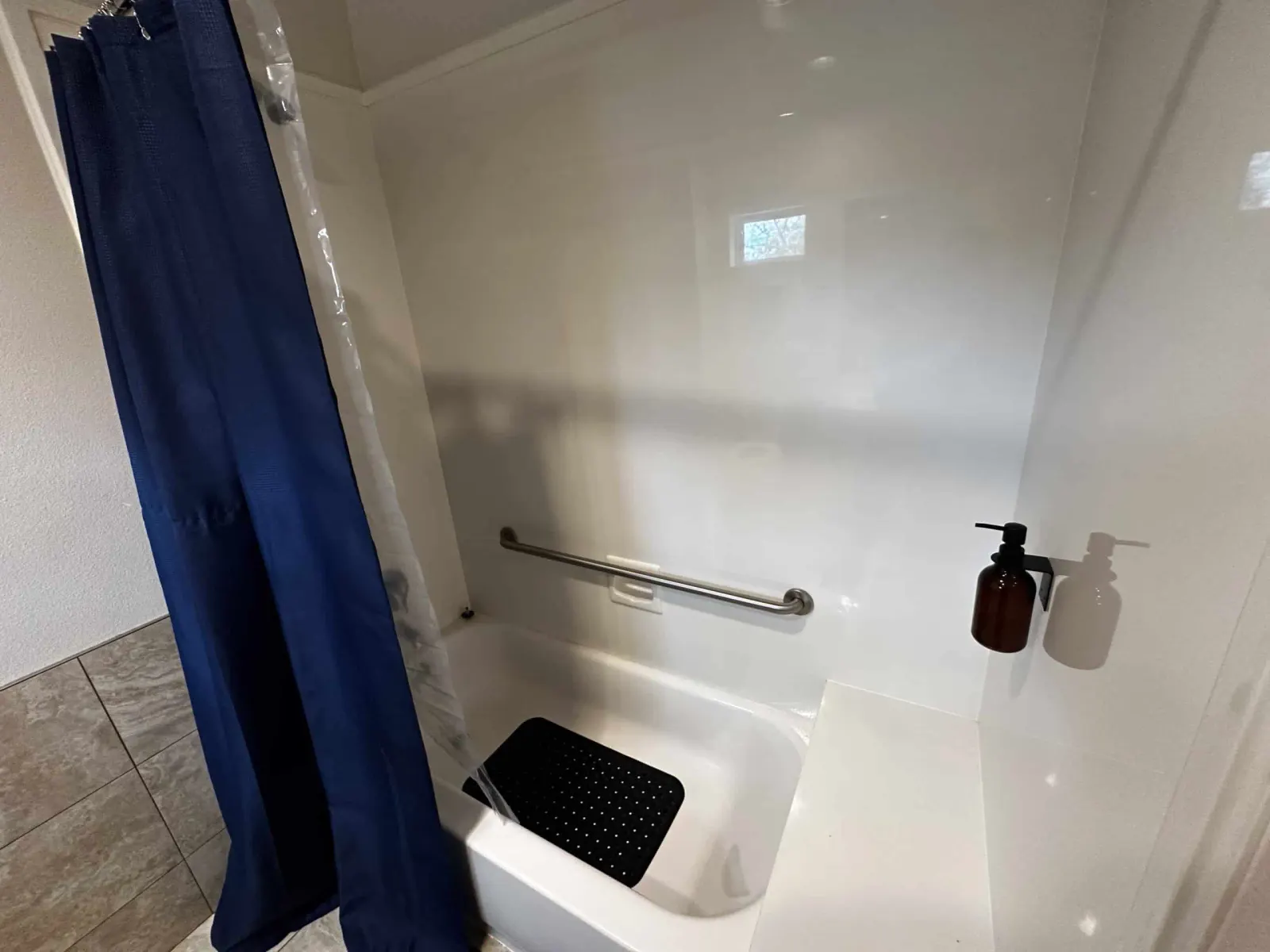











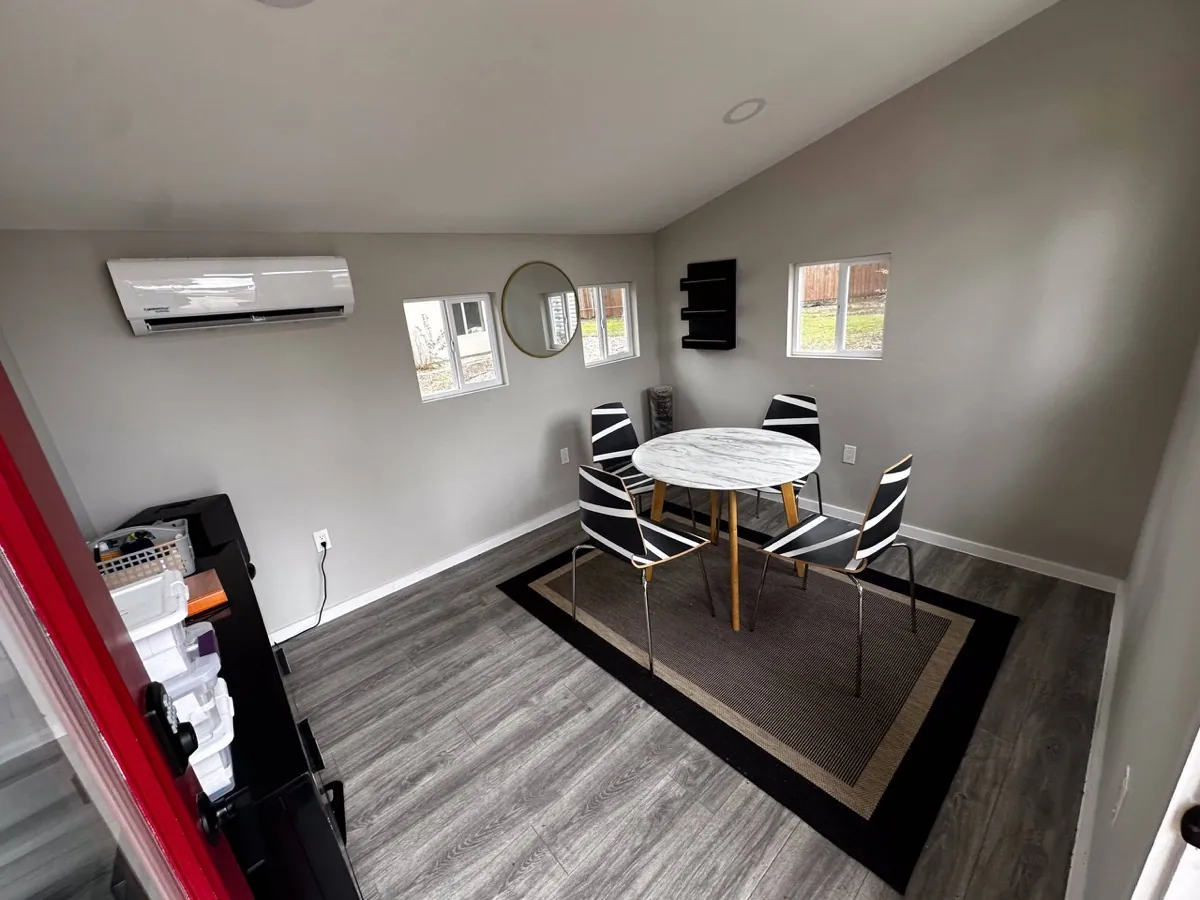




At Briarwood Detox Center, we provide medically supervised cocaine detox in Austin as a first step toward cocaine addiction recovery. Our goal is to help you move through withdrawal safely, steady your body and mind, and prepare for the next stage of cocaine rehab. With the basics handled, you can focus on long‑term change instead of just surviving the comedown. Many people seeking addiction treatment Austin resources also want guidance on finding programs that fit their budget and clinical needs.
Understanding Cocaine Addiction and Withdrawal
Repeated cocaine use affects more than sleep and mood. It changes the way the brain’s reward, stress, and decision‑making systems work. Over time, people often find that they use more cocaine than they planned. They may feel unable to cut back or continue to use despite serious consequences. These are key signs that cocaine use has progressed into a substance use disorder.
How cocaine changes the brain
Cocaine blocks the reuptake of dopamine and other neurotransmitters. This causes a surge of pleasure, energy, and confidence. With ongoing use, the brain adapts by reducing its own dopamine activity. Everyday experiences feel flat, and it becomes harder to feel motivated without the drug. Many people describe feeling “normal” only when they are high, and depleted or depressed when they are not using.
These changes do not mean recovery is impossible. They do help explain why quitting cocaine without support can feel so overwhelming. A structured detox environment gives your brain time to begin recalibrating while you receive medical and emotional support.
When cocaine use becomes addiction
Cocaine addiction does not look the same for everyone. Some people use daily. Others binge on certain days or in specific situations. Warning signs that it may be time to seek help include:
- Strong cravings or urges to use cocaine
- Needing more cocaine to get the same effect
- Spending large amounts of time obtaining, using, or recovering from cocaine
- Neglecting responsibilities at work, school, or home
- Continuing to use despite relationship problems, health issues, or financial strain
- Using cocaine in risky situations, such as while driving or when already impaired by alcohol
If you recognize several of these patterns, focused cocaine addiction recovery support can help interrupt the cycle before more damage occurs.
Why quitting cocaine on your own can be risky
Unlike alcohol or benzodiazepines, cocaine withdrawal is not usually medically dangerous. It can still be intense. People often experience deep fatigue, agitation, anxiety, vivid dreams, and strong cravings. For those with depression, bipolar disorder, or trauma histories, mood symptoms can spike during withdrawal, including thoughts of self‑harm.
Trying to quit cocaine alone often leads to rapid relapse because the discomfort and emotional distress feel hard to manage. A medical detox program provides monitoring, non‑addictive medications when appropriate, and a quiet environment where you do not have access to cocaine. That combination makes it easier to get past the most difficult days of quitting cocaine.
Where we are
Detox centers across Texas
Three locations, each with its own admissions line and its own clinical team. Pick the one nearest you — or call and we will tell you which has a bed tonight.
-
 Inpatient
 Austin, TX
11711 N Lamar Blvd · 78753
- 15 beds
- On-site labs
- 24-hour medical staff
Detox & Rehab in Austin
-
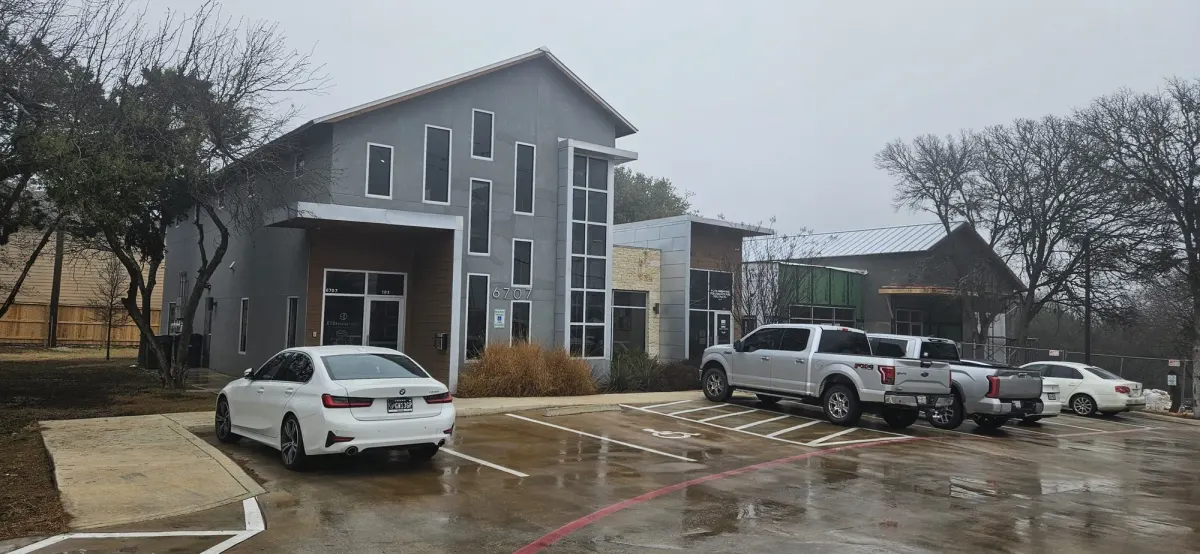 Outpatient
 San Antonio, TX
6707 W Hausman Rd · 78249
- Outpatient detox with scheduled medical visits
- Outpatient treatment
San Antonio Outpatient & Treatment Services
-
 Inpatient
 Houston, TX
1019 Ashland St · 77008
- On-site labs
- 24-hour medical staff
Drug Detox Center in Houston
Cocaine Treatment Options at Briarwood Detox Center
Detox is not a one‑size‑fits‑all process. At Briarwood Detox Center, cocaine addiction treatments begin with understanding your health history, patterns of use, mental health needs, and goals for recovery. From there, the team designs a plan that keeps you safe and prepares you for the next phase of care.
Comprehensive assessment and individualized planning
On arrival, you receive a medical assessment that reviews your cocaine use, other substances, medications, mental health history, and any chronic conditions such as heart disease or asthma. Lab work, vital signs, and screening tools help the medical team gauge the level of risk for complications like cardiovascular strain or severe mood changes.
This information guides decisions about monitoring level, medication options, and the length of your stay. It also begins the conversation about what type of cocaine rehab will make sense after detox. Planning for the future starts on day one.
Medically supervised cocaine detox in Austin
During detox, you stay in a structured, 24/7 setting with licensed medical staff on site. Nurses check vital signs, track sleep and appetite, and watch for signs of complications. Physicians and advanced practitioners may use non‑addictive medications to ease symptoms such as anxiety, insomnia, or intense cravings, depending on your specific presentation.
Many clients arrive using multiple substances, such as alcohol, benzodiazepines, opioids, or prescription stimulants, along with cocaine. The care team accounts for each substance and adjusts your detox plan to address combined withdrawal effects. Briarwood’s inpatient environment allows for these adjustments in real time. This helps keep detox as stable and predictable as possible.
Managing withdrawal and cravings while quitting cocaine
Cocaine withdrawal is often described more as a “crash” than a physical detox, but the symptoms can still be intense. You may experience:
- Extreme tiredness and sleep changes
- Low mood or irritability
- Slowed thinking and poor concentration
- Vivid, sometimes disturbing dreams
- Strong urges to return to cocaine use
At Briarwood Detox Center, staff members monitor these symptoms, provide reassurance, and teach basic coping strategies you can continue using after discharge. Medication may be used to support sleep, stabilize mood, or reduce anxiety, but the focus remains on non‑addictive, short‑term options.
Clinical therapists provide brief counseling and education about cocaine addiction recovery, including how cravings work and why they tend to come in waves. These early sessions help you understand what to expect after detox and why ongoing treatment is so important.
Preparing for Cocaine Rehab After Detox
Detox clears cocaine from your body, but lasting change usually requires structured care after discharge. Briarwood’s role is to bridge the gap between acute stabilization and longer‑term cocaine rehab. To learn more about affordable addiction treatment in Austin, you can explore options that support long-term recovery.
Connecting you with ongoing cocaine addiction treatments
Before you leave detox, your case manager reviews your needs, preferences, and practical realities, such as insurance coverage, work schedule, family responsibilities, and transportation. They can also explain options for affordable drug rehab in Austin so you can continue care without delaying treatment.
Together you discuss cocaine treatment options such as residential programs, intensive outpatient services, or outpatient therapy in the Austin area.
Instead of sending you home with a generic list, the team helps coordinate referrals and communicate clinical information to your next providers. You arrive with a clear plan. This continuity reduces the risk of relapse in the vulnerable days right after detox, when cravings can spike but structure is still limited.
Therapies that support cocaine addiction recovery
While Briarwood focuses on safe detox, staff also emphasize the kinds of therapies that often help people maintain sobriety after cocaine withdrawal. Many Austin‑area programs use approaches such as:
- Cognitive‑behavioral therapy (CBT) to identify patterns that lead to cocaine use
- Motivational interviewing to strengthen internal reasons for change
- Trauma‑informed therapy to address adverse experiences that may fuel substance use
- Group counseling to practice new skills and build sober social connections
Detox clinicians discuss these options with you so that cocaine addiction recovery feels less abstract and more like a series of concrete steps.
For a deeper overview of how Briarwood combines detox with ongoing care, you can also read Effective Treatment for Cocaine Addiction at Briarwood Detox Center.
Some clients also benefit from medication management for co‑occurring conditions such as depression, anxiety disorders, or ADHD. When these conditions are treated, the risk of relapse often decreases.
Who Can Benefit from Coke Rehab in Austin?
Cocaine addiction is not limited to any one age group, profession, or neighborhood. People arrive at Briarwood from across Austin and Central Texas with very different stories. What they share is a pattern of cocaine use that no longer feels under control.
Signs it may be time for professional help
You may be a good candidate for coke rehab and medical detox if:
- You have tried quitting cocaine on your own but keep returning to use
- Your heart races, chest hurts, or you feel short of breath when using
- Cocaine use is affecting your job, schooling, parenting, or finances
- Friends or family have expressed concern about your cocaine use
- You are using cocaine to manage stress, anxiety, or low mood
- You mix cocaine with alcohol, opioids, or other substances to “level out”
Any of these signs suggests that quitting cocaine with medical support could improve both safety and comfort.
Support for families and loved ones
Cocaine addiction often strains relationships. Loved ones may feel anxious, angry, or unsure how to help. During detox, Briarwood staff, with your permission, can explain what is happening, outline your treatment plan, and share practical guidance about setting boundaries and offering support.
Families are also encouraged to learn about cocaine addiction through educational materials and blog resources such as Understanding the Addictive Nature of Cocaine and How Long Is Cocaine in Your System?. Families often want to understand cost-effective rehab options so they can help their loved one access the right level of care in Austin.
These resources help loved ones make sense of what you are experiencing and why a structured detox program is an essential first step.
Break Free from Addiction. Detox Safely in Austin Today.
Medically Supervised Detox – Compassionate Care Starts Here.
How Briarwood Detox Center Supports Cocaine Addiction Treatment at Briarwood Detox Center
Briarwood Detox Center offers medically supervised cocaine detox for people seeking a safe first step toward recovery in Austin. Our medical team monitors vital signs around the clock and follows evidence-based protocols to ease withdrawal symptoms and cravings. This structured setting helps you move through the crash, fatigue, and mood swings without returning to use. Comfortable rooms, scheduled meals, and a calm environment support rest while your body clears cocaine and other substances. Licensed clinicians provide education about cocaine addiction, triggers, and practical coping tools you can use after detox. Case managers help coordinate appropriate next-step cocaine rehab options that fit your needs, schedule, and insurance. When appropriate, staff also keep approved family members informed so they can support your plan. By combining medical care, emotional support, and thoughtful discharge planning, Briarwood Detox Center helps you build a stronger foundation for long-term cocaine addiction recovery in Austin.
Frequently Asked Questions About Cocaine Addiction Treatment
What is the best treatment for cocaine addiction?+–
The most effective cocaine addiction treatments combine medical support with behavioral therapies and ongoing recovery planning. Many people start with medical detox to manage withdrawal safely, then move into residential or outpatient care where they receive counseling, relapse‑prevention skills, and support for mental health needs. The “best” plan depends on how much you are using, your health history, and your responsibilities at home or work.
How long does cocaine detox take?+–
Cocaine detox is usually shorter than detox from some other substances. Many people find that the most intense withdrawal symptoms improve within several days, though fatigue, low mood, and cravings can last one to two weeks or longer. The exact timeline depends on how often you used cocaine, how much you used, and whether other substances are involved.
What are common cocaine withdrawal symptoms?+–
Common symptoms include extreme tiredness, increased sleep or restless sleep, low mood, irritability, anxiety, and strong cravings. Some people report vivid dreams, difficulty concentrating, and a general loss of motivation. These symptoms can feel overwhelming, which is why professional support is often recommended during cocaine detox.
Can I quit cocaine on my own without rehab?+–
Some people do stop using cocaine on their own, but many struggle with repeated relapse because cravings and mood changes are difficult to manage alone. Trying to quit without support can also leave underlying mental health or medical issues unaddressed. Working with a medical detox program and follow‑up care gives you structure, monitoring, and a safer environment while you learn new coping skills.
Is there medication for cocaine addiction?+–
There is currently no single FDA‑approved medication that “cures” cocaine addiction, but several non‑addictive medicines may be used to ease specific symptoms such as insomnia, anxiety, or depression during detox and early recovery. Your healthcare provider or detox team will consider your overall health, other medications, and co‑occurring conditions when deciding whether medication is appropriate.
How long does it take to recover from cocaine addiction?+–
Recovery is an ongoing process rather than a fixed timeline. Many people notice big improvements in energy, mood, and thinking within a few months of stopping cocaine, especially when they stay engaged in counseling and support. Long‑term recovery also involves building new habits, repairing relationships, and managing stress in healthier ways.
Is cocaine addiction treatment covered by insurance?+–
Many health insurance plans provide some coverage for cocaine addiction treatments, including detox and outpatient services. The exact benefits depend on your policy and network. Briarwood Detox Center can verify your insurance, explain your options, and help you understand any out-of-pocket costs before you begin care. If you have questions about the cost of addiction treatment in Austin, this overview can help you see how safe, medical detox fits into your budget.
What happens in a cocaine detox program at Briarwood Detox Center?+–
In cocaine detox at Briarwood Detox Center, you stay in a structured setting where medical staff monitor your vital signs, manage withdrawal symptoms, and help you stay as comfortable as possible. You receive education about cravings, emotional changes, and next‑step treatment options, and case managers work with you to plan ongoing care. If you are ready to talk about whether detox is right for you, Call our admissions team today at (866) 710-7710.
How can I start cocaine addiction treatment in Austin?+–
Getting started usually begins with a confidential phone assessment where a specialist asks about your health, substance use, and goals. From there, the team can recommend an admission date for detox or discuss other appropriate levels of care. If you or a loved one is ready to take the first step toward quitting cocaine, Call our admissions team today at (866) 710-7710.
Related guides



In network with most major insurance
Find your plan and see what detox would cost
Most plans cover medical detox. Coverage varies by plan, so we verify it for you before you commit to anything.

















Don't see your plan? We work with out-of-network benefits and offer self-pay options — (866) 710-7710
- Confidential
- Takes about 2 minutes
- No obligation to admit

- Accredited The Joint Commission
- Rated 4.5 · 94 Google reviews
- Admissions 24 hours a day