
Guide
Codeine vs. Hydrocodone: What's the Difference?
Joint Commission accredited · In network with most major insurance · Admissions answered 24 hours a day

Published May 3, 2022
Reviewed and updated July 29, 2026
Table of contents
- What is Codeine?
- What is Hydrocodone?
- Signs of Hydrocodone and/or Codeine Addiction
- Hydrocodone Withdrawal Symptoms
- Codeine Withdrawal Symptoms
- Treatment for Prescription Opioid Abuse is Possible
Codeine and hydrocodone are both prescription opioid painkillers which are commonly abused in the United States [1]. Many people mistakenly believe that the only dangerous opioids are ones of the highly potent variety, such as morphine, heroin, or fentanyl. However, even the prescription opioids used to treat minor to moderate pain have the potential to be addictive and dangerous. This article will discuss the differences and similarities between codeine and hydrocodone, along with the risks associated with both drugs.
Briarwood Detox Center’s opiate detox program provides medically supervised, evidence-based care.
What is Codeine?
Codeine is naturally occurring opioid derived from morphine which is prescribed to treat mild to moderate pain and is also used as a cough suppressant. When used to alleviate pain, codeine binds to opioid receptors in the body to reduce pain signals, and when prescribed to treat coughing it works by decreasing activity in the part of the brain responsible for the cough response. Codeine is considered a relatively mild opioid as compared to others, but it still carries a risk of abuse, addiction, and overdose [2]. Common side effects associated with codeine use can include dizziness, lightheadedness, nausea, vomiting, and sedation.
Does your insurance cover detox in Austin?
Find out in about 2 minutes — free, confidential, no obligation.
Verify InsuranceWhat is Hydrocodone?
Hydrocodone is also classified as an opioid pain reliever that works by binding to certain central nervous system receptors. Hydrocodone is considered a semi-synthetic opioid that is more potent than codeine, and the drug is intended for pain ranging from moderate to severe. Hydrocodone is often used in combination drugs such as Lortab and Vicodin, which include both hydrocodone and acetaminophen. It is also available in controlled-release versions for longer lasting pain relief. Like codeine, hydrocodone also carries a risk of abuse, addiction, and overdose; however, hydrocodone has been classified by the DEA as a Schedule II controlled substance, indicating that it has a higher potential for abuse than drugs like codeine [3][4].
Where we are
Detox centers across Texas
Three locations, each with its own admissions line and its own clinical team. Pick the one nearest you — or call and we will tell you which has a bed tonight.
-
 Inpatient
 Austin, TX
11711 N Lamar Blvd · 78753
- 15 beds
- On-site labs
- 24-hour medical staff
Drug & Alcohol Detox in Austin, TX
-
 Inpatient
 Houston, TX
1019 Ashland St · 77008
- On-site labs
- 24-hour medical staff
Drug Detox Center in Houston, TX
-
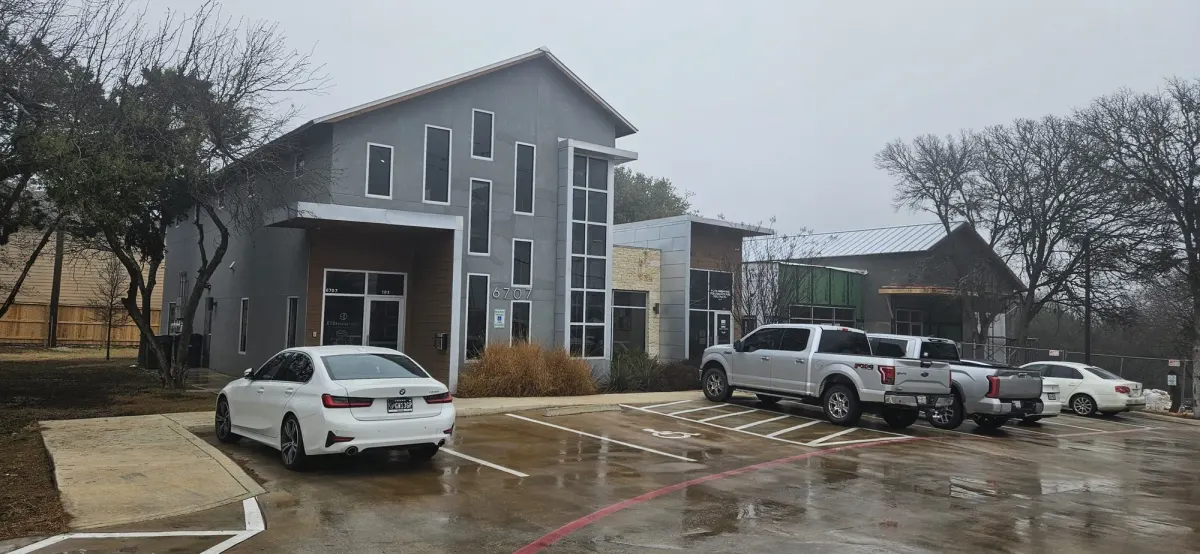 Outpatient
 San Antonio, TX
6707 W Hausman Rd · 78249
- Outpatient detox with scheduled medical visits
- Outpatient treatment
Outpatient Drug & Alcohol Detox in San Antonio
Signs of Hydrocodone and/or Codeine Addiction
Both hydrocodone and codeine can cause physical dependence and addiction with ongoing abuse. Some of the common signs and symptoms of hydrocodone and/or codeine addiction include:
- Using more hydrocodone or codeine than prescribed or taking it longer than intended
- Being unable to cut back on the amount of hydrocodone or codeine used
- Continuing to use hydrocodone or codeine despite the mental, physical, and social problems it causes
- Having strong urges or cravings to use hydrocodone or codeine
- Spending large amounts of time planning to get hydrocodone or codeine, using it, or recovering from its use
- Needing more hydrocodone or codeine to achieve the same effects (tolerance)
- Displaying withdrawal symptoms when hydrocodone or codeine use stops suddenly
Hydrocodone Withdrawal Symptoms
Withdrawal symptoms from stopping hydrocodone use are varied, and may include some or all of the following [5]:
- Anxiety
- Insomnia
- Irritability
- Sweating
- Muscle aches
- Agitation
- Yawning
- Runny nose
- Tearing
- Sweating
- Goose bumps
- Dilated pupils
- Nausea
- Vomiting
- Abdominal cramping
- Diarrhea
Related post: How Long Does Hydrocodone Withdrawal Last?
Ready to talk to someone now? Briarwood Detox Center's admissions team is here 24/7, and every call is confidential. Call (866) 710-7710.Codeine Withdrawal Symptoms
There are a variety of unpleasant codeine withdrawal symptoms that can stem from stopping the use of codeine cold-turkey as well.[6]
- Body aches and pains
- Anxiety
- Diarrhea
- Fever and chills
- Depression
- High blood pressure
- Insomnia
- Irritability
- Agitation
- Muscle twitching
- Nausea and vomiting
- Rapid heart rate
- Runny nose
- Sweating
- Stomach pain
Related post: Codeine Withdrawal Symptoms, Timeline, and Detox
Treatment for Prescription Opioid Abuse is Possible
Opioid abuse and addiction is a dangerous widespread epidemic, and if you or a loved one are experiencing signs of addiction or dependence to either codeine or hydrocodone, the expert medical staff at Briarwood Detox Center will work with you to develop a drug tapering plan and withdrawal treatment program that is best suited to you or your loved one’s needs in order for you to recover safely. Please call us today at (866) 710-7710 or contact us online.
References:
- 11 Commonly Abused OTC and Prescription Drugs (webmd.com)
- Codeine Addiction And Abuse - Addiction Center
- Hydrocodone Addiction And Abuse - Addiction Center
- Hydrocodone - StatPearls - NCBI Bookshelf (nih.gov)
- Hydrocodone Withdrawal| Symptoms & Side Effects (recovery.org)
- Codeine Withdrawal Symptoms (& The Top 20 Things That Can Help) - Opiate Addiction Support
Ready to Start Your Recovery in Austin?
Briarwood Detox Center offers medically supervised detox in Austin. Explore our locations, see the facility, and verify your insurance in minutes.
See our locationsRelated guides
In network with most major insurance
Find your plan and see what detox would cost
Most plans cover medical detox. Coverage varies by plan, so we verify it for you before you commit to anything.

















Don't see your plan? We work with out-of-network benefits and offer self-pay options — (866) 710-7710
- Confidential
- Takes about 2 minutes
- No obligation to admit

- Accredited The Joint Commission
- Rated 4.7 · 182 Google reviews Flourishing Foundations Recovery, now part of Briarwood
- Admissions 24 hours a day