
Guide
Tramadol Addiction: Signs of Abuse, Withdrawal Symptoms, and Treatment
Joint Commission accredited · In network with most major insurance · Admissions answered 24 hours a day

Published April 27, 2022
Reviewed and updated July 29, 2026
What is Tramadol?
Tramadol is a frequently prescribed synthetic opioid medication that is used in the treatment and management of moderate to moderately severe pain. Although it is considered to have a lower risk of addiction as compared to other opioid pain relievers, Tramadol is classified by the Food and Drug Administration (FDA) as a Schedule VI controlled substance with the potential to become habit-forming and to be misused recreationally.[1][2]
If you or someone you love needs more than detox, Briarwood Detox Center also provides austin tx drug rehab.
Briarwood Detox Center’s opiate opioid detox program provides medically supervised, evidence-based care.
Tramadol is sold under such brand names as Ultram, Ultracet, and Conzip, and works to relieve pain in a similar manner to other opioid drugs by binding to and activating opioid receptors in the body and brain. In 2019, it was the 35th most commonly prescribed medication in the U. S., with over 19 million prescriptions.[3] Even though tramadol is considered to be less habit-forming than similar prescription opioids it still carries the risk of potential abuse and addiction.
Does your insurance cover detox in Austin?
Find out in about 2 minutes — free, confidential, no obligation.
Verify InsuranceIs Tramadol Addictive?
Tramadol is a controlled substance due its risk of addiction. Many people begin taking tramadol as prescribed by a doctor for pain relief but ultimately end up abusing it later. Even if you take tramadol exactly as prescribed, it can be addictive and may cause withdrawal symptoms when you stop taking it suddenly, especially if you've grown accustomed to taking a large dose of the medication over a long period of time.
Tramadol can also carry the risk of overdose when taken in large quantities. Signs of tramadol overdose may include the following:
- Clammy skin that is cold to the touch
- Excessive drowsiness
- Slow heart rate
- Slowed breathing
- Low blood pressure
- Constricted pupils
- Seizures
- Cardiac arrest
- Coma
Taking tramadol in conjunction with other opioids, alcohol, or sedatives is particularly dangerous because it can significantly increase your risk of overdosing.
What Are the Signs of Tramadol Addiction?
Two of the most common signs of tramadol addiction are developing a tolerance (needing more tramadol to achieve the desired effects) and exhibiting withdrawal symptoms when the medication is stopped. Depending on the length and severity of the person’s tramadol addiction, other symptoms may include:
- Inability to control tramadol use.
- Spending a great deal of time thinking about using tramadol or trying to obtain it, or increased time spent recovering after use.
- Being unable to stop using tramadol.
- Losing interest in normal hobbies and activities.
- Hiding tramadol use from friends and family.
- Having trouble at work, in relationships, or at school due to tramadol abuse.
- Making appointments with more than one doctor (also known as "doctor shopping") to obtain tramadol prescriptions.
- Combining tramadol with other drugs or alcohol to enhance its effects.
- Continuing to take tramadol long after you need it for its intended medical purpose.
Related post: Heroin Addiction Recovery: What to Expect
Detoxing From Tramadol
While detoxing from tramadol on your own at home is possible, it can potentially be dangerous without medical assistance and will include withdrawal symptoms that can also be extremely uncomfortable. A medical detox program can provide professional treatment and therapy to help you cope with common tramadol withdrawal symptoms, including:
Ready to talk to someone now? Briarwood Detox Center's admissions team is here 24/7, and every call is confidential. Call (866) 710-7710.- Muscle and body aches
- Restlessness or agitation
- Excessive sweating
- Depression and anxiety
- Hypertension
- Rapid breathing
- Racing heart
- Insomnia or other sleep disturbances
- Chills
- Diarrhea
- Loss of appetite
- Stomach pain
- Strong cravings for the drug[4]
Tramadol withdrawal symptoms generally appear between 6 and 12 hours after your last dose. The most severe tramadol withdrawal symptoms will likely peak a few days after your last dose and will gradually taper off. Some psychological effects of tramadol withdrawal, such as depression, insomnia, or anxiety may last for a longer period.
In the case of a severe addiction to tramadol, withdrawal symptoms are likely to be more severe and longer lasting than they will be for someone with a mild dependence. It’s always wise to have medical professionals nearby during the tramadol detox process to ensure a patient's comfort and safety in the case of a medical emergency.
Where we are
Detox centers across Texas
Three locations, each with its own admissions line and its own clinical team. Pick the one nearest you — or call and we will tell you which has a bed tonight.
-
 Inpatient
 Austin, TX
11711 N Lamar Blvd · 78753
- 15 beds
- On-site labs
- 24-hour medical staff
Drug & Alcohol Detox in Austin, TX
-
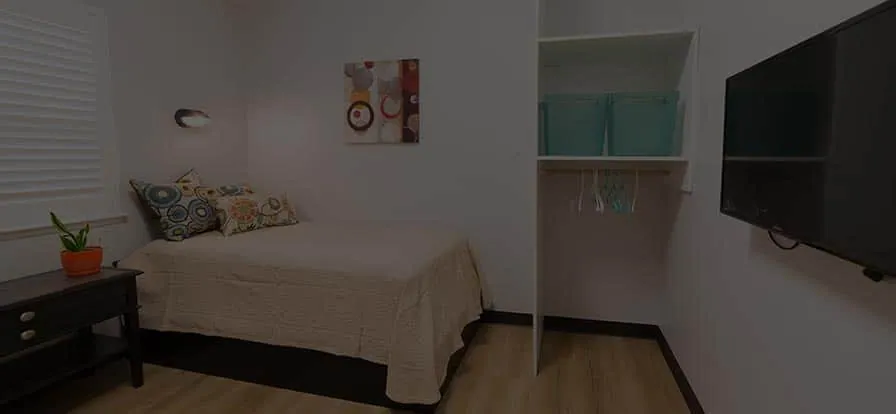 Inpatient
 Houston, TX
1019 Ashland St · 77008
- On-site labs
- 24-hour medical staff
Drug Detox Center in Houston, TX
-
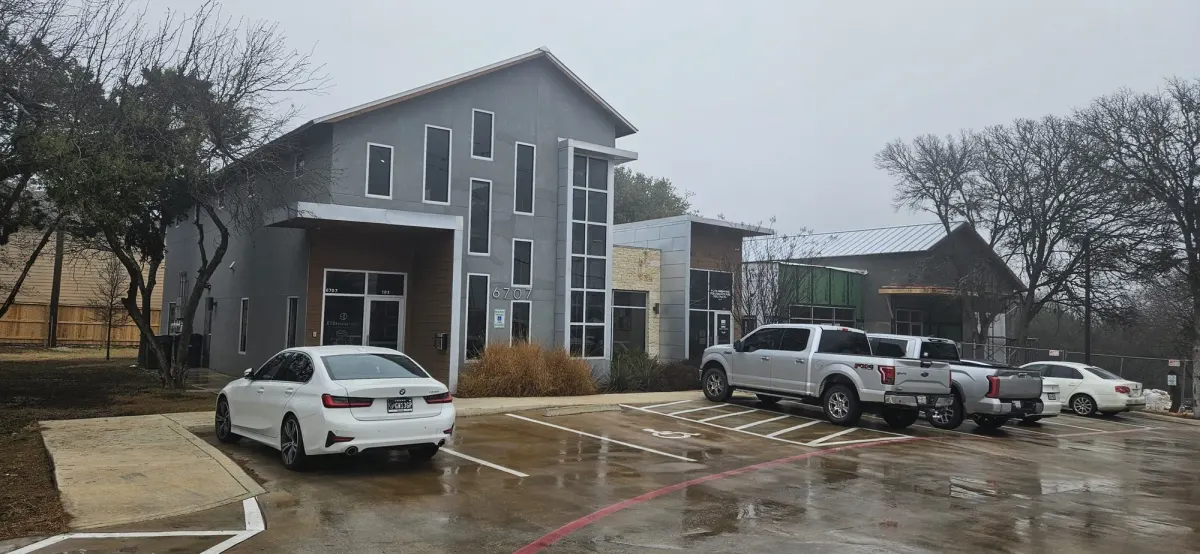 Outpatient
 San Antonio, TX
6707 W Hausman Rd · 78249
- Outpatient detox with scheduled medical visits
- Outpatient treatment
Outpatient Drug & Alcohol Detox in San Antonio
Tramadol Addiction Treatment and Recovery
After a successful tramadol detox, medical staff may recommend that you continue with tramadol addiction treatment at a rehab center, as detox is usually considered to be only the first step in the treatment process. Tramadol addiction treatment in a rehab setting consists of counseling, therapy, and medication, but treatment plans will vary depending on your individual treatment needs.
As with other chronic conditions, tramadol addiction must be managed in order to prevent relapse. As a result, completing a rehab program after detox is ideal for those who wish to sustain long-term and lasting sobriety.
Related post: How Long Oxycodone Stays In Your System
Getting Help for Your Tramadol Addiction
If you or a loved one needs help overcoming your tramadol addiction, Briarwood Detox Center can provide safe and effective opioid detox treatment and recovery plans to help you achieve long-lasting sobriety. Call us today at (866) 710-7710 or contact us online.
References:
- Tramadol Addiction: Signs, Symptoms, & Treatment
- Controlled Substances - Alphabetical Order (usdoj.gov)
- The Top 300 of 2019
- Tramadol Withdrawal | Symptoms, Side Effects, & Timeline
Ready to Start Your Recovery in Austin?
Briarwood Detox Center offers medically supervised detox in Austin. Explore our locations, see the facility, and verify your insurance in minutes.
See our locationsUnderstanding Maeng Da Kratom Effects and Addiction Risk
Maeng Da kratom produces stimulant-like effects at low doses (increased energy, focus, sociability) and opioid-like effects at higher doses (pain relief, sedation, euphoria). Users report onset within 10–15 minutes, with effects lasting 2–5 hours. However, kratom carries significant addiction potential, physical dependence, and withdrawal symptoms similar to opioids—making medically supervised detox essential for safe cessation.
Common Effects of Maeng Da Kratom Use
- Low-dose stimulant effects: Enhanced energy, mental alertness, increased talkativeness, and reduced appetite—often compared to caffeine but more intense
- High-dose opioid effects: Pain relief, sedation, relaxation, euphoria, and reduced anxiety—mimicking prescription opioids
- Physical symptoms: Constricted pupils, nausea, sweating, dry mouth, increased urination, and constipation with regular use
- Duration and tolerance: Effects peak at 1.5–2.5 hours; tolerance develops rapidly, requiring escalating doses within weeks of daily use
Why Maeng Da Kratom Leads to Dependence
Maeng da kratom contains mitragynine and 7-hydroxymitragynine—alkaloids that bind to the same opioid receptors as heroin, fentanyl, and prescription painkillers. Daily use for as little as two weeks can produce physical dependence, and cessation triggers withdrawal symptoms including muscle aches, insomnia, irritability, aggression, fever, nausea, and intense cravings. Many users who started kratom to self-manage pain or opioid withdrawal find themselves trapped in a new cycle of dependence.
At Briarwood Detox Center, we provide medically supervised detox for kratom dependence at our Austin, Texas inpatient facility and through outpatient programs in Austin, San Antonio, Houston, and Colorado Springs. Our clinicians use evidence-based protocols to manage withdrawal symptoms safely, prevent complications, and connect patients to ongoing treatment for sustained recovery.
When to Seek Professional Kratom Detox
If you or a loved one experiences any of the following, professional detox is the safest path forward:
- Using kratom daily or multiple times per day to avoid withdrawal
- Failed attempts to cut down or quit on your own
- Escalating doses to achieve the same effects
- Withdrawal symptoms (anxiety, sweating, muscle pain, insomnia) when doses are delayed or missed
- Continued use despite negative consequences to health, work, or relationships
Call Briarwood Detox Center at (866) 710-7710 to speak with an admissions specialist 24/7. We verify insurance, answer questions, and can admit you the same day for inpatient detox in Austin or connect you to outpatient care in San Antonio, Houston, or Colorado Springs.
Frequently Asked Questions About Maeng Da Kratom Effects
How long do maeng da kratom effects last?
Effects begin within 10–15 minutes of ingestion, peak at 1.5–2.5 hours, and last 2–5 hours total depending on dose and individual metabolism. Higher doses produce longer-lasting sedative and analgesic effects, while lower doses yield shorter stimulant effects.
Is maeng da kratom as addictive as opioids?
Yes. Maeng da kratom's active alkaloids bind to mu-opioid receptors in the brain, producing physical dependence and withdrawal symptoms similar to prescription opioids and heroin. Daily use for two weeks or more can result in tolerance, dependence, and a withdrawal syndrome requiring medical management for safe cessation.
Can you detox from kratom at home safely?
Home detox from kratom is not recommended. Withdrawal symptoms include severe anxiety, insomnia, muscle pain, nausea, sweating, and intense cravings that frequently lead to relapse. Medically supervised detox at Briarwood Detox Center provides symptom management, 24/7 monitoring, medications to ease discomfort, and a structured environment that significantly improves success rates.
What does kratom withdrawal feel like?
Kratom withdrawal mirrors opioid withdrawal: muscle aches, restlessness, insomnia, irritability, aggression, sweating, runny nose, nausea, abdominal cramping, fever, and intense drug cravings. Symptoms peak within 2–3 days and may persist for 7–10 days or longer without medical intervention. Professional detox significantly reduces symptom severity and duration.
Does Briarwood Detox Center treat kratom addiction?
Yes. Briarwood Detox Center specializes in medically supervised detox for kratom dependence at our inpatient facility in Austin, Texas, and through outpatient detox programs in Austin, San Antonio, Houston, and Colorado Springs. Our board-certified physicians and addiction specialists use evidence-based protocols to manage withdrawal safely and connect patients to ongoing treatment. Call (866) 710-7710 24/7 for immediate help.
Reviewed by the clinical team at Briarwood Detox Center. Last updated May 2025. For medical accuracy and patient safety, all content is reviewed by board-certified addiction medicine specialists.
Related guides



In network with most major insurance
Find your plan and see what detox would cost
Most plans cover medical detox. Coverage varies by plan, so we verify it for you before you commit to anything.

















Don't see your plan? We work with out-of-network benefits and offer self-pay options — (866) 710-7710
- Confidential
- Takes about 2 minutes
- No obligation to admit

- Accredited The Joint Commission
- Rated 4.7 · 182 Google reviews Flourishing Foundations Recovery, now part of Briarwood
- Admissions 24 hours a day