
Guide
Heroin Rehab in Austin, TX
Joint Commission accredited · In network with most major insurance · Admissions answered 24 hours a day


Published December 9, 2025
Reviewed and updated July 29, 2026
Key Takeaways · 6 points
- Heroin detox at Briarwood Detox Center in Austin provides a medically supervised start to heroin rehab and recovery. It manages withdrawal symptoms in a safe setting so you can stabilize before moving into longer‑term treatment.
- Understanding how heroin addiction develops and recognizing warning signs helps you decide when it is time to seek professional heroin addiction help. Knowing the physical, emotional, and behavioral changes linked to heroin use makes it easier to act early.
- Professional heroin addiction treatment is safer and more effective than attempting to quit heroin alone. Medical monitoring, withdrawal‑relief medications, and counseling lower the risk of complications and early relapse.
- Briarwood’s team plans the transition from detox into ongoing heroin rehab so you are not left managing recovery on your own. Case managers help coordinate appropriate residential or outpatient care and share information with receiving providers when you consent.
- Long‑term heroin addiction recovery depends on relapse‑prevention skills, structure, and continued support. Ongoing therapy, medication management, and healthy routines help you handle triggers and maintain progress after detox.
- Reaching out to Briarwood Detox Center connects you with staff who can explain heroin detox, review your options, and start the admissions process. Open communication and clear answers help you and your family make informed decisions about treatment.
Break Free from Addiction. Detox Safely in Austin Today.
Medically Supervised Detox – Compassionate Care Starts Here.
Heroin addiction affects people from many backgrounds and age groups. National survey data estimate that about 1.1 million people in the United States used heroin in 2021, roughly 0.4% of those aged 12 and older. For Austin residents, access to safe, evidence-based care is essential when heroin use begins to take over daily life. For Austin residents, access to safe, evidence‑based addiction treatment in Austin is essential when heroin use begins to take over daily life.

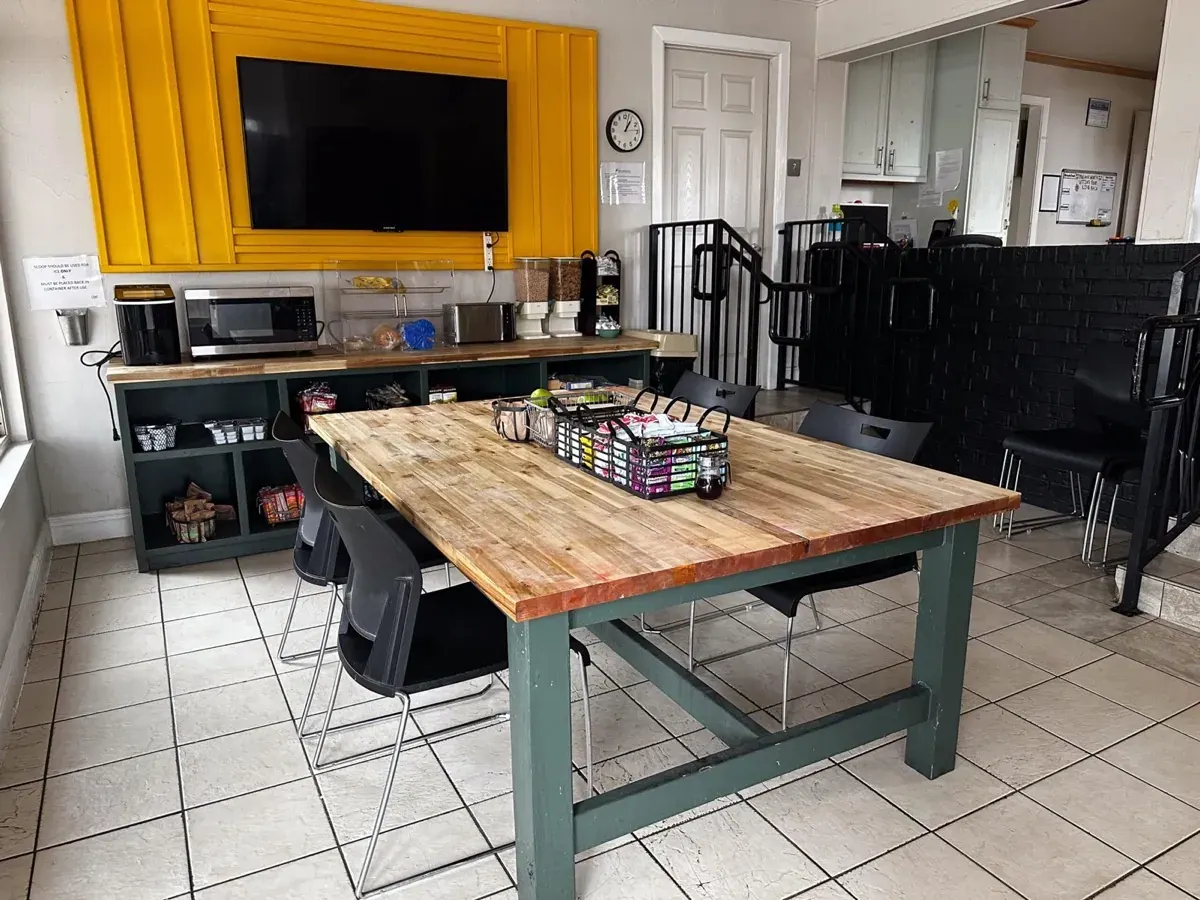


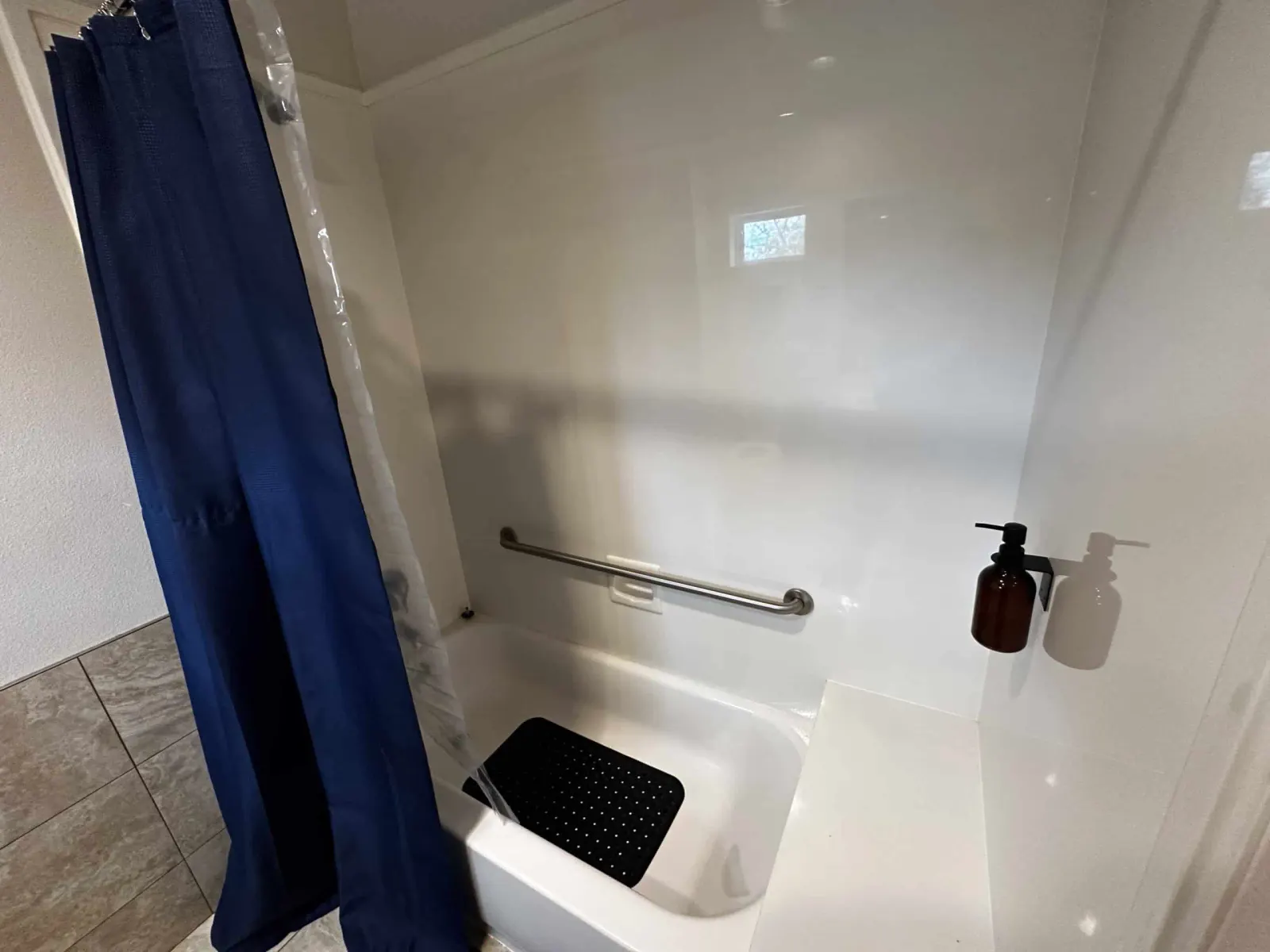




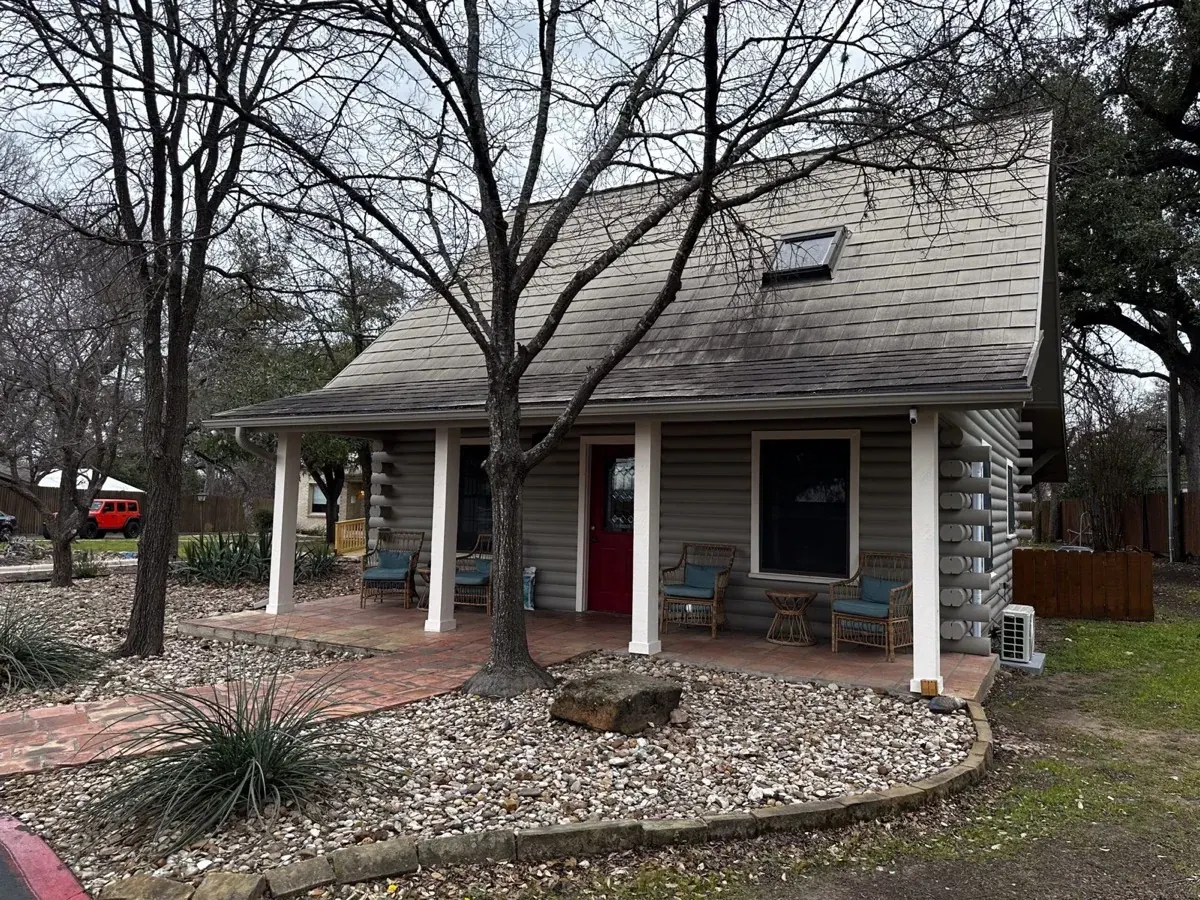


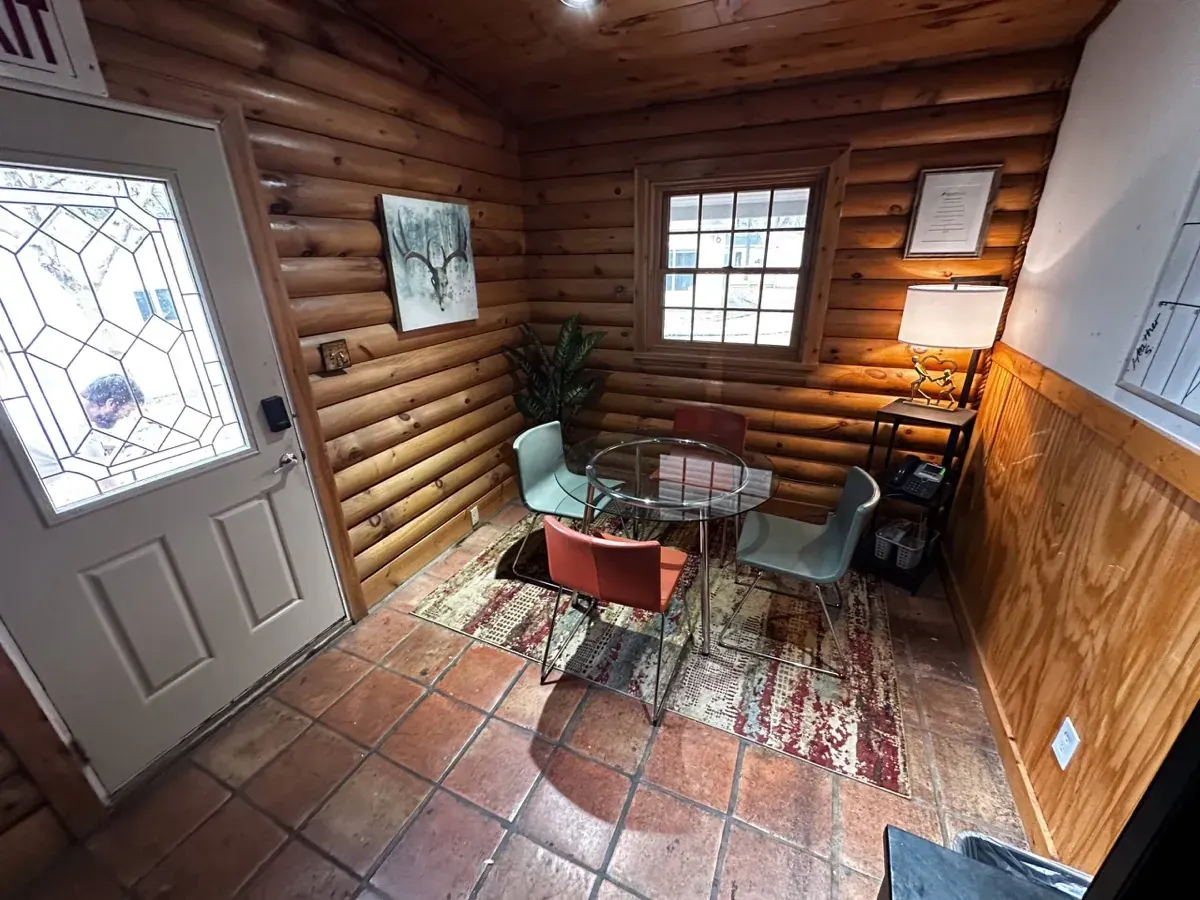



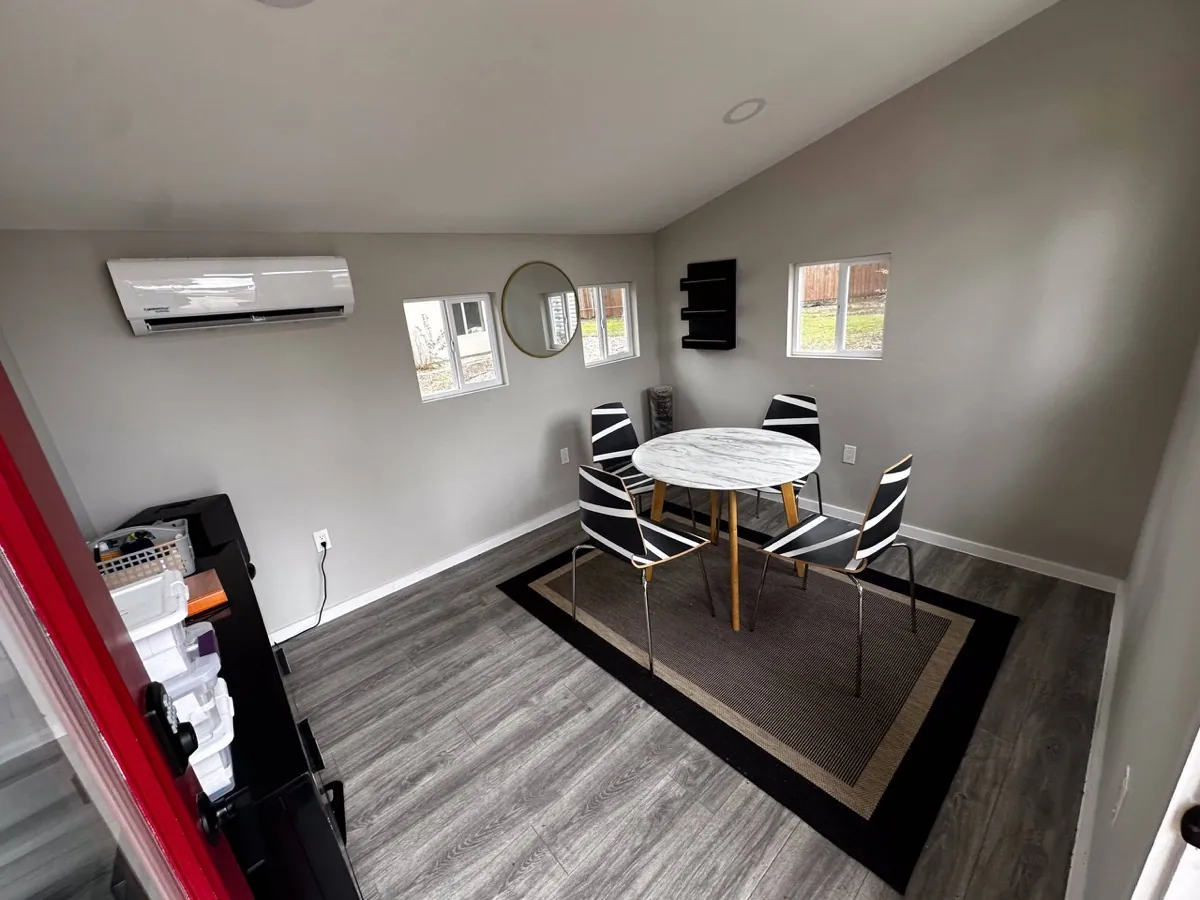


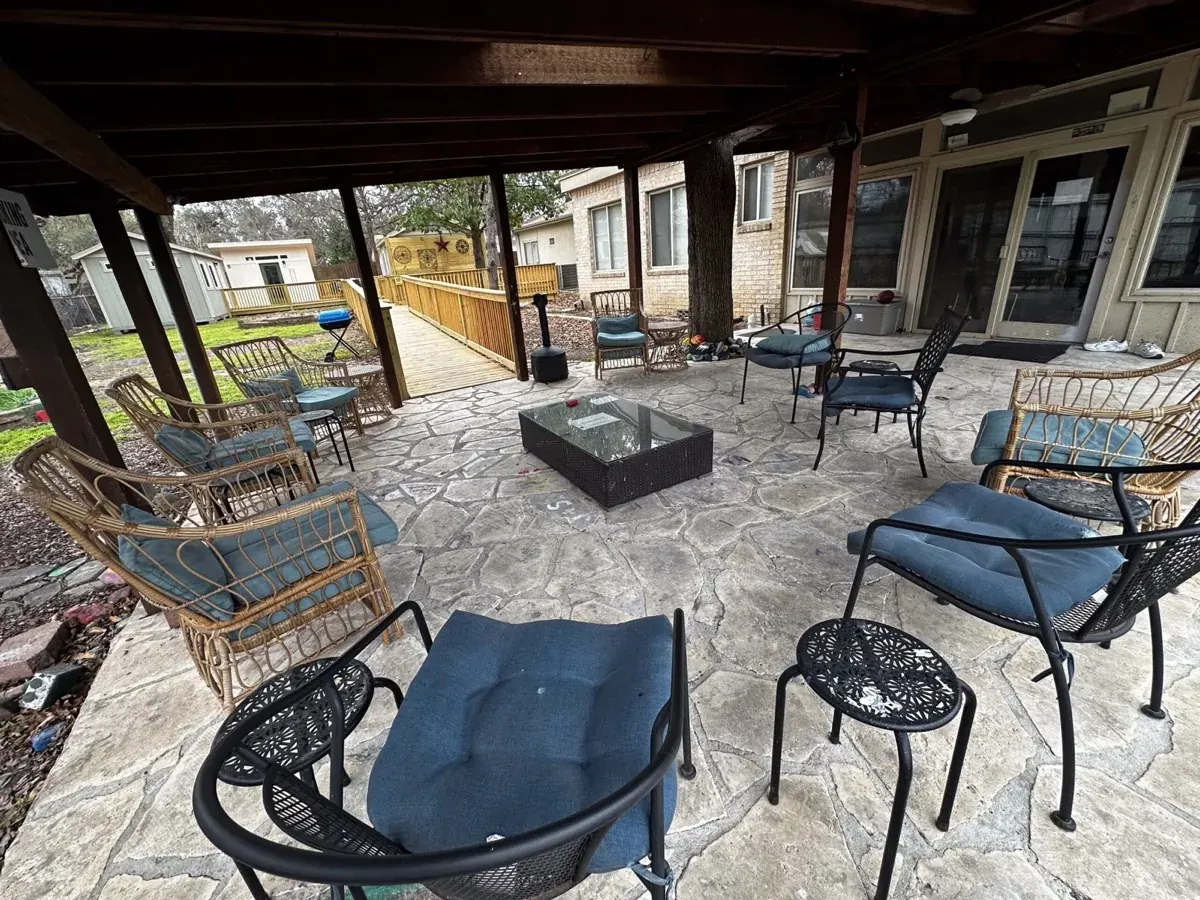

At Briarwood Detox Center in Austin, heroin rehab starts with medically supervised detox. Detox is not the full answer to addiction, but it lays the groundwork for effective heroin addiction treatment and long‑term heroin recovery. The goal is to help you get through withdrawal as safely and comfortably as possible, then move into the right next level of care.
Whether you are seeking help for yourself or supporting someone you care about, understanding how heroin addiction treatment works can make the next step feel more manageable.
Understanding Heroin Addiction and Recovery
How Heroin Addiction Develops
Heroin is a powerful opioid derived from morphine. It activates brain areas that control pleasure and pain and releases large amounts of dopamine. Over time, the brain adapts to these surges and becomes less responsive to natural rewards.
Many people do not start with heroin. Some first misuse prescription pain medication, then switch to heroin when pills become harder to get or more expensive. Others begin heroin use in social settings, expecting it to be a short‑term escape. In both cases, repeated use can quickly turn into dependency and then addiction.
Heroin addiction recovery is challenging because the brain and body learn to rely on the drug. Without it, people may feel physically sick, anxious, and unable to function. That is why structured heroin addiction treatment is usually more effective than trying to quit on your own.
Common Signs of Heroin Addiction
Heroin use can be hard to recognize at first. Over time, certain patterns tend to appear. These may include:
- Needing higher or more frequent doses to feel the same effects
- Strong cravings or preoccupation with getting and using heroin
- Withdrawal symptoms—such as chills, aches, nausea, or agitation—when heroin wears off
- Changes in sleep, appetite, or personal hygiene
- Pulling away from family, friends, or work responsibilities
- Risky behaviors, such as driving while under the influence or sharing needles
If these signs sound familiar, it is a strong indication that heroin addiction help may be needed.
When Heroin Use Becomes a Crisis
Heroin use always carries risk, especially with today’s drug supply often contaminated with potent synthetic opioids. Overdose, infections, and mental health crises can develop quickly.
A crisis may look like:
- Overdose symptoms (slow or stopped breathing, blue lips or fingers, loss of consciousness)
- Repeated failed attempts to quit
- Legal or financial consequences related to heroin use
- Suicidal thoughts, severe depression, or paranoia
When any of these are present, seeking heroin addiction treatment as soon as possible can be life‑saving. Briarwood Detox Center is equipped to manage acute withdrawal and coordinate higher medical care when necessary.
Where we are
Detox centers across Texas
Three locations, each with its own admissions line and its own clinical team. Pick the one nearest you — or call and we will tell you which has a bed tonight.
-
 Inpatient
 Austin, TX
11711 N Lamar Blvd · 78753
- 15 beds
- On-site labs
- 24-hour medical staff
Drug & Alcohol Detox in Austin, TX
-
 Outpatient
 San Antonio, TX
6707 W Hausman Rd · 78249
- Outpatient detox with scheduled medical visits
- Outpatient treatment
Outpatient Drug & Alcohol Detox in San Antonio
-
 Inpatient
 Houston, TX
1019 Ashland St · 77008
- On-site labs
- 24-hour medical staff
Drug Detox Center in Houston, TX
Why Professional Heroin Addiction Treatment Matters
The Risks of Detoxing Alone
Quitting heroin “cold turkey” at home is not only uncomfortable; it can be dangerous. Withdrawal may involve severe vomiting, diarrhea, and dehydration, as well as intense cravings and mood changes.
Without medical supervision, people going through withdrawal may:
- Develop complications such as dehydration or heart strain
- Experience uncontrolled anxiety, insomnia, or depressive symptoms
- Return to heroin use to stop the discomfort, often at higher doses than their bodies can now tolerate
After even a brief period of abstinence, tolerance drops. Using the same amount of heroin as before detox greatly increases overdose risk. Professional detox reduces these risks by combining monitoring, symptom management, and close follow‑up.
Benefits of Medically Supervised Heroin Detox
In a medical detox setting like Briarwood’s Austin facility, nurses and physicians monitor vital signs, manage symptoms, and respond quickly to complications. Detox plans are individualized based on factors such as:
- Length and pattern of heroin use
- Use of other substances, including alcohol or benzodiazepines
- Medical conditions such as asthma, heart disease, or liver problems
- Mental health concerns like depression or PTSD
Medications may be used to ease muscle aches, nausea, insomnia, or anxiety. In some cases, medications such as buprenorphine or methadone can help reduce withdrawal and cravings as part of an overall heroin addiction treatment plan.
Creating Space for Real Heroin Recovery
When the immediate physical stress of withdrawal is managed, it becomes easier to think clearly and make decisions about the future. During detox at Briarwood, clients meet with counselors to explore how heroin has affected their lives and what they want recovery to look like next.
This early work does not replace full heroin rehab, but it helps people transition into ongoing care with more realistic expectations and a clearer sense of motivation.
Heroin Detox at Briarwood Detox Center in Austin
Admissions and Assessment
The heroin rehab process at Briarwood begins with a confidential phone call. An admissions specialist collects basic information about your health, heroin use, and insurance coverage, then schedules admission as soon as possible.
What Heroin Withdrawal Feels Like
Most people begin to feel early withdrawal symptoms within 6–12 hours after their last dose of heroin. These can include restlessness, sweating, yawning, and muscle aches. Symptoms usually peak within the first 1–3 days, then gradually ease over the next several days.
While the physical phase is usually limited to about a week, some people experience lingering sleep problems, mood swings, or cravings for longer. These later symptoms are one reason ongoing heroin addiction recovery support is so important.
Medications and Comfort Measures
To make heroin detox as safe and tolerable as possible, Briarwood Detox Center uses a combination of:
- Symptom‑relief medications for pain, nausea, diarrhea, and insomnia
- Carefully monitored MAT, such as buprenorphine, when appropriate
- Hydration and nutrition support, including fluids and balanced meals
- Clinical counseling, helping you process emotions and stay focused on recovery goals
Throughout detox, staff check in frequently, adjust medications as needed, and ensure that you are progressing safely.
Typical Length of Heroin Detox
Most heroin detox programs at Briarwood last between five and seven days, although some may be shorter or longer depending on individual needs. During this time, you remain in a supervised environment with 24/7 medical coverage.
As symptoms begin to resolve, your team shifts focus toward planning the next steps in heroin addiction treatment, ensuring that you have a clear path from detox into longer‑term care.
From Detox to Heroin Rehab and Ongoing Care
Planning the Next Step Before Discharge
Successful heroin rehab rarely ends with detox. Research shows that ongoing therapy, medication, and recovery support improve long‑term outcomes.
At Briarwood Detox Center, discharge planning starts early. Case managers discuss your goals, support system, financial situation, and practical needs. Together, you explore addiction treatment options in Austin, such as residential or inpatient heroin rehab, intensive outpatient programs, outpatient counseling with MAT, and sober living homes. Together, you explore options such as:
- Residential or inpatient heroin rehab
- Intensive outpatient programs
- Outpatient counseling with MAT
- Sober living homes and structured recovery housing
The aim is to connect you with a level of care that matches the severity of your heroin use and any co‑occurring mental health conditions.
How Briarwood Supports the Transition
Briarwood’s staff coordinate directly with receiving programs when possible, sharing assessment information (with your consent) so you do not have to repeat your story each time. They may help with:
- Scheduling intake dates
- Providing documentation needed for work or legal obligations
- Answering family members’ questions about what to expect after detox
This continuity reduces gaps between detox and heroin recovery services, which is particularly important for people at high risk of relapse.
Internal Resources for Continuing Education
Briarwood’s blog and educational materials offer additional support as you move forward. Articles on topics such as the heroin withdrawal timeline, what to expect during heroin addiction recovery, and relapse prevention reinforce what you learn in treatment and help families understand the process.
These resources are designed for people in Austin and beyond who want practical, trustworthy information about heroin addiction recovery.
Break Free from Addiction. Detox Safely in Austin Today.
Medically Supervised Detox – Compassionate Care Starts Here.
Building a Long‑Term Heroin Addiction Recovery Plan
Relapse Prevention Skills
Relapse does not mean treatment has failed, but it is common and can be dangerous after heroin detox. Effective heroin recovery plans focus on identifying triggers and building concrete skills such as:
- Recognizing early warning signs (stress, isolation, resentment)
- Using coping tools like relaxation techniques, exercise, or support meetings
- Creating a crisis plan for high‑risk situations
- Staying engaged with therapy and medical appointments
During detox, Briarwood counselors introduce these ideas so you can practice them more deeply in rehab and aftercare.
Life in Early Heroin Recovery
Early heroin recovery often involves big lifestyle adjustments. You may be rebuilding relationships, finding new routines, or addressing health issues that were neglected during active addiction. Briarwood encourages clients and families to view this period as a time for gradual progress rather than perfection.
Maintaining structure—such as regular sleep, balanced meals, and consistent therapy or support group attendance—can help stabilize mood and decrease cravings. Many people find that combining medical care, counseling, and peer support gives them the best foundation for long‑term heroin addiction recovery.
When to Seek Additional Help
Recovery is not always linear. If cravings return, stress builds, or old patterns reappear, reaching out early can prevent a full relapse. You might:
- Schedule extra sessions with a counselor
- Discuss medication adjustments with a provider
- Consider a brief return to a higher level of care
Briarwood’s team remains a resource for questions about detox, relapse risk, and how to access additional heroin addiction help in Austin when needed.
Getting Heroin Addiction Help at Briarwood Detox Center
What Happens When You Reach Out
When you contact Briarwood Detox Center—whether by phone or online—you speak with staff who understand both the medical and emotional sides of heroin addiction. They review your situation, explain what heroin detox involves, and check insurance benefits when applicable. When you contact Briarwood Detox Center—whether by phone or online—you speak with staff who understand both the medical and emotional sides of heroin addiction. They review your situation, explain what heroin detox involves, and check insurance benefits when applicable. This helps you understand your options for affordable drug rehab in Austin before you commit to the next step in treatment.
If Briarwood is an appropriate fit, the team works to secure a detox bed as soon as possible. If specific needs fall outside the scope of detox (for example, medical complications that require hospital care), staff help direct you to the right setting and stay available for follow‑up about future detox and rehab planning.
Questions to Ask About Heroin Rehab and Detox
As you explore heroin rehab options in Austin, it can help to ask:
- Is medical staff available 24/7 during detox?
- How are withdrawal symptoms monitored and treated?
- Does the program coordinate next‑step heroin addiction treatment after detox?
- What support is offered for families and loved ones?
- How are privacy and confidentiality protected?
Briarwood Detox Center welcomes these questions. Transparent information allows you and your family to make informed choices about heroin rehab and heroin recovery.
How Briarwood Detox Center Helps With Heroin Rehab in Austin
Briarwood Detox Center offers a safe, medically supervised first step for heroin rehab in Austin. At admission, the team completes a thorough health and substance use assessment. This guides a personalized detox plan that manages withdrawal symptoms and reduces medical risks. Nurses and physicians are available 24/7 to monitor progress and adjust medications as needed. Comfort medications can ease cravings, pain, and insomnia during the first days without heroin. Counselors offer encouragement, education, and simple coping tools for early heroin addiction recovery. The Austin setting helps many families stay involved, informed, and connected during detox. With coordinated discharge planning, Briarwood Detox Center supports a smoother transition into ongoing heroin rehab and longer‑term treatment.
Heroin Rehab and Detox Frequently Asked Questions
How does heroin rehab work?+–
Heroin rehab usually starts with medically supervised detox to manage withdrawal safely. Once the body is stabilized, treatment continues with counseling, education, and support to address the psychological and behavioral aspects of addiction. Many people move from detox into residential or outpatient programs where they learn coping skills, relapse‑prevention strategies, and ways to rebuild daily routines. Ongoing care, such as therapy and support groups, helps maintain recovery over time.
How long does heroin rehab usually take?+–
The length of heroin rehab varies from person to person. Medical detox often lasts about a week, depending on how much and how often someone has been using. After detox, residential or outpatient treatment can range from several weeks to several months. Some people benefit from extended care and continuing support for a year or longer. The most effective timeline is one that matches your medical needs, responsibilities, and progress in recovery.
What are the common symptoms of heroin withdrawal?+–
Heroin withdrawal can include muscle aches, sweating, chills, yawning, runny nose, nausea, vomiting, diarrhea, anxiety, and insomnia. Symptoms typically begin within hours after the last use and peak in the first few days. While withdrawal is rarely life‑threatening on its own, it can be very uncomfortable and may lead to dehydration or other complications. Medical detox provides monitoring, medications, and support to reduce risks and help you stay as comfortable as possible.
Can someone fully recover from heroin addiction?+–
Many people achieve long‑term recovery from heroin addiction with the right combination of medical care, counseling, and lifestyle changes. Recovery often involves ongoing work, including therapy, relapse‑prevention planning, and building a strong support system. While cravings and triggers can appear even after years of sobriety, people who stay connected to treatment and support have a much greater chance of maintaining a stable, healthy life.
What medications are used in heroin addiction treatment?+–
Heroin addiction treatment may include medications known as medications for opioid use disorder. Common options include methadone, buprenorphine, and naltrexone. These medications can reduce withdrawal symptoms, lower cravings, and help stabilize brain chemistry. They are most effective when combined with counseling and are always prescribed and monitored by qualified medical providers.
Is heroin rehab covered by insurance?+–
Many health insurance plans provide at least partial coverage for heroin detox and rehab services. The exact benefits depend on the policy, network, and level of care needed. Deductibles, co‑pays, and preauthorization requirements may apply. Briarwood Detox Center can review your insurance information, explain your options in clear terms, and help you understand what heroin addiction treatment may cost out of pocket.
How can Briarwood Detox Center help with heroin addiction in Austin?+–
Briarwood Detox Center offers medically supervised heroin detox with 24/7 nursing support, physician oversight, and individualized care plans. The team focuses on easing withdrawal, monitoring your safety, and preparing you for the next phase of treatment. Counselors provide education, emotional support, and discharge planning so you can move smoothly into ongoing rehab or outpatient care. If you are ready to talk about heroin rehab in Austin, Call our admissions team today at (866) 710-7710.
What should I expect when I arrive for heroin detox at Briarwood?+–
On arrival, staff welcome you, review basic information, and complete a comprehensive medical and substance use assessment. Vital signs are checked, medications are reviewed, and a detox plan is created based on your health history and level of heroin use. You are shown to a comfortable room, given information about daily routines, and introduced to the care team. Throughout your stay, staff monitor symptoms, adjust medications as needed, and keep you informed about your progress.
How can I help a loved one who needs heroin rehab?+–
Start by having an honest, calm conversation about your concerns and how their heroin use is affecting their life and health. Offer support rather than judgment, and let them know treatment is available and effective. You can gather information about detox and rehab options, help with logistics, and offer to make the first call together. If you are unsure how to begin, the staff at Briarwood Detox Center can walk you through the process and answer questions. For guidance on helping a loved one take the next step, Call our admissions team today at (866) 710-7710.
Related guides

In network with most major insurance
Find your plan and see what detox would cost
Most plans cover medical detox. Coverage varies by plan, so we verify it for you before you commit to anything.

















Don't see your plan? We work with out-of-network benefits and offer self-pay options — (866) 710-7710
- Confidential
- Takes about 2 minutes
- No obligation to admit

- Accredited The Joint Commission
- Rated 4.5 · 94 Google reviews
- Admissions 24 hours a day