
Guide
My Son Refuses to Go to Rehab: What Parents of an Adult Child Can Do
Joint Commission accredited · In network with most major insurance · Admissions answered 24 hours a day
Published October 26, 2026
When your son or daughter is an adult and refuses rehab, you can feel shut out of their life. You cannot make them go, and arguing usually backfires. But parents have more influence than they think, and the research on families backs that up. This page covers what the law allows once your child is over 18, the approaches with the best evidence, how insurance works for young adults, and what to have ready if they say yes. You can call Briarwood yourself, without them, at any hour.
Can you make an adult child go to rehab?
Usually not. Once your son or daughter is 18, treatment is their choice. Texas does allow court-ordered treatment, but it is a last resort with strict rules.
Under the Texas Health and Safety Code, an adult such as a parent can file a sworn application with the county clerk for court-ordered treatment of alcohol or drug dependency. The hearing cannot go ahead without certificates from two physicians who have examined your child. If the case is proved by clear and convincing evidence, the court can order 30 to 90 days of treatment.
This is a legal process, not a quick fix, so talk to your county or district attorney’s office or a lawyer before starting it. If your child is in immediate danger, call 911. In a mental health or substance crisis, call or text 988.
Source: Texas Health and Safety Code, Chapter 462, Sections 462.062, 462.064 and 462.069.
What actually helps parents get a child into treatment?
Getting structured help for yourself. In trials, parents who worked with a counselor on how to respond at home got their child into treatment more often than parents who confronted or simply waited.
The best-studied approach is CRAFT, or Community Reinforcement and Family Training. It teaches families to reward time sober, stop shielding the person from the results of their use, and suggest treatment at good moments. In a trial with families of people who drank and refused help, 64 percent of loved ones entered treatment with CRAFT. That compared with 30 percent with a confrontational intervention and 13 percent with Al-Anon referral. Parents did better than spouses.
In a later trial with families of people who used drugs, 58.6 percent entered treatment with CRAFT alone and 76.7 percent with added group sessions. Only 29 percent did when families were pointed to Al-Anon and Nar-Anon.
Source: Miller, Meyers and Tonigan, Journal of Consulting and Clinical Psychology, 1999; Meyers et al., Journal of Consulting and Clinical Psychology, 2002.
Does CRAFT work for parents of young adults?
It helps, but so does good counseling. A 2024 trial with parents of 18 to 24 year olds found about a third of young adults entered treatment either way, and their substance use fell in both groups.
The trial, in Sweden, compared CRAFT with structured counseling for 113 parents. After 24 weeks, 33 percent of the CRAFT group and 31 percent of the counseling group said their child had entered treatment. The difference was not meaningful.
The lesson for parents is practical. The exact method matters less than getting real, structured support from a professional, and sticking with it. In the earlier drug trial, no family member got a loved one into treatment after their own sessions had ended.
Source: A randomized trial of CRAFT for parents of treatment-refusing young adults, Siljeholm et al., Addiction, 2024.
Where we are
Detox centers across Texas
Three locations, each with its own admissions line and its own clinical team. Pick the one nearest you — or call and we will tell you which has a bed tonight.
-
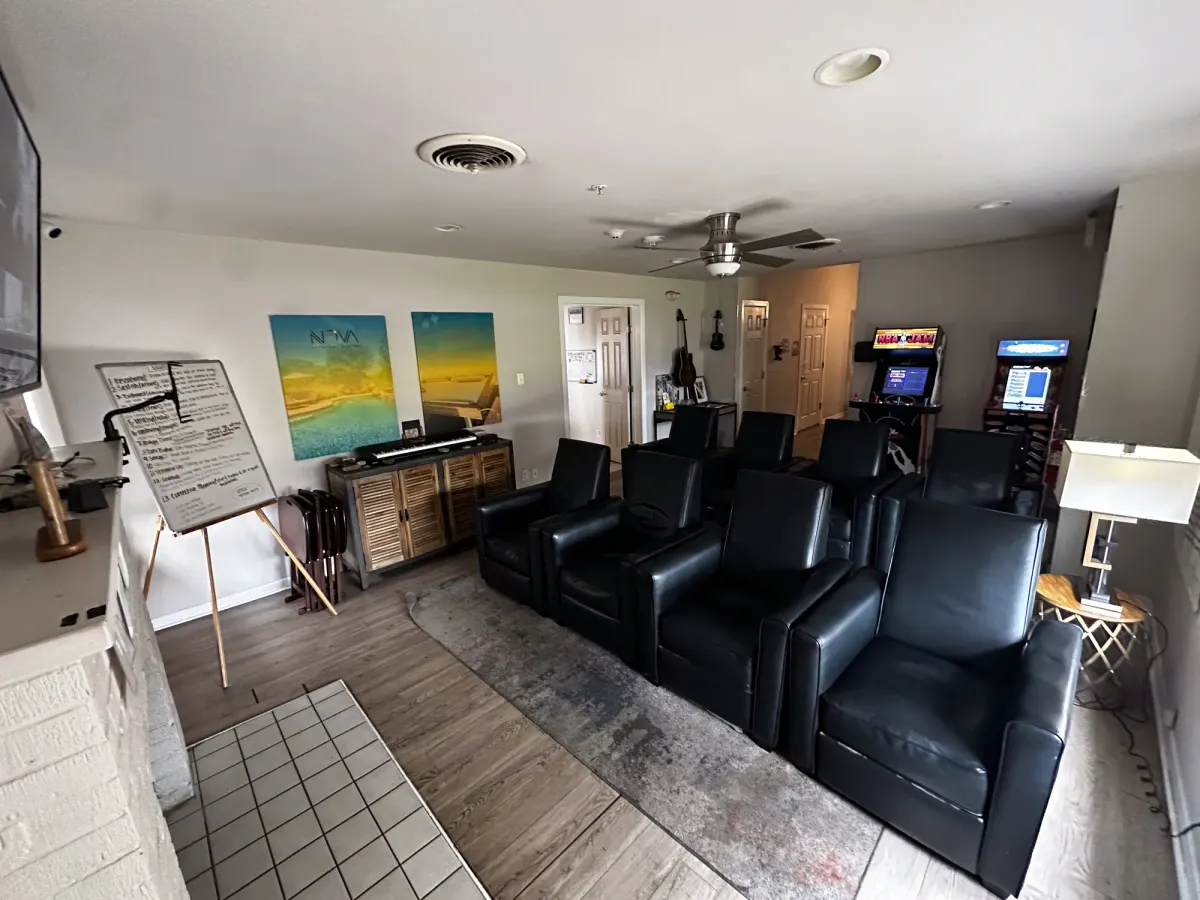 Inpatient
Austin, TX
11711 N Lamar Blvd · 78753
- 15 beds
- On-site labs
- 24-hour medical staff
Drug & Alcohol Detox in Austin, TX
-
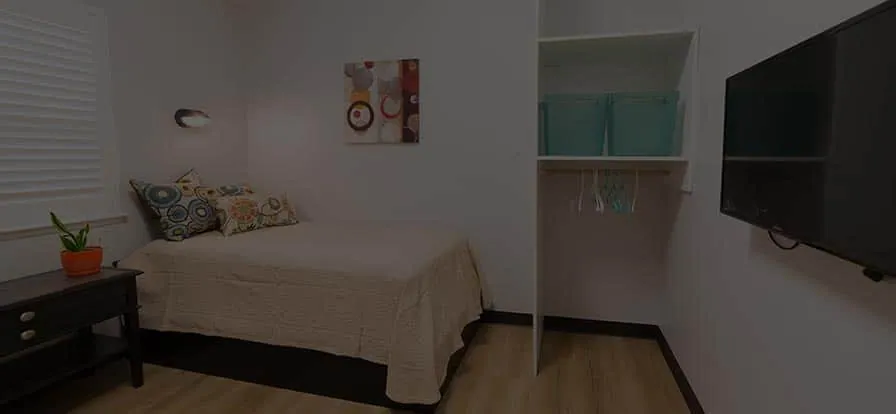 Inpatient
Houston, TX
1019 Ashland St · 77008
- On-site labs
- 24-hour medical staff
Drug Detox Center in Houston, TX
-
 Outpatient
San Antonio, TX
6707 W Hausman Rd · 78249
- Outpatient detox with scheduled medical visits
- Outpatient treatment
Outpatient Drug & Alcohol Detox in San Antonio
What should parents stop doing?
Stop covering for the drug use. Paying debts it caused, calling in sick for them, or explaining away missed events takes away the results that might push them toward help.
That does not mean cutting your child off. It means separating your love and support from the things that make continued use easier. Some practical shifts:
- Pay for things directly, such as a phone bill or rent, instead of handing over cash.
- Say what you will do, not what they must do. “I will not drive you if you have been using” is something you control.
- Talk about specific events, such as “you missed your sister’s birthday”, rather than labels like “addict”.
- Notice and reward sober time, even small amounts of it.
Can my adult child use my insurance for detox?
Often, yes. Young adults can generally stay on a parent’s job-based health plan until they turn 26, even if they are married, out of school, or living away from home.
On a Marketplace plan, coverage generally lasts through December 31 of the year they turn 26. Check with your employer or insurer, because plans can differ.
Briarwood accepts commercial insurance, TRICARE and VA benefits. It does not accept Medicare or Medicaid. A free benefit check shows what your plan covers in about two minutes, and you can run it before your child agrees to anything.
Source: Health insurance coverage for children and young adults under 26, HealthCare.gov.
Will a treatment center tell me what is happening?
Only if your adult child agrees. Briarwood staff can keep you informed during a stay only if your son or daughter signs a release that names you.
It is worth asking them to sign one at admission. You can still call admissions at any time for general questions about detox, insurance and what to expect, without sharing anything about your child.
Is it dangerous for them to just stop on their own?
It can be. After heavy drinking, withdrawal can quickly become life threatening. Opioid withdrawal is rarely deadly in itself, but the overdose risk afterward is high.
The National Library of Medicine says alcohol withdrawal usually starts within 8 hours of the last drink and peaks by 24 to 72 hours, and its severe form can bring seizures and hallucinations. It also warns that most opioid overdose deaths happen in people who have just detoxed, because their tolerance has dropped. If opioids are involved, keep naloxone at home. It reverses an overdose and is sold without a prescription.
That is why medical detox matters even for someone who has finally decided to quit. The intervention page covers how to prepare a conversation, and the what to expect in medical detox page explains a stay.
Source: Alcohol withdrawal, Opiate and opioid withdrawal and Opioid Overdose, MedlinePlus, National Library of Medicine.
What happens if they say yes?
Act the same day if you can. Call admissions, run the insurance check, and arrange the admission while they are willing.
Briarwood’s inpatient centers in Austin and Houston have a nurse on site 24 hours a day and a physician on call, and most stays last five to seven days. Briarwood’s San Antonio location offers outpatient detox for milder withdrawal. Before discharge, a counselor helps settle the next step with real dates, whether that is residential treatment, an intensive outpatient program or sober living. The after detox page compares them.
Common Questions
Can I force my adult son to go to rehab?+–
Usually not. Texas allows a parent to apply to a county court for court-ordered treatment, with two physician certificates and a hearing, but it is a last resort. Talk to the county attorney or a lawyer first.
How do I convince my son to go to rehab?+–
Arguing rarely works. Getting structured counseling for yourself, such as CRAFT, has the best evidence. In trials, families who learned new ways to respond got more loved ones into treatment.
What if my daughter refuses to go to rehab?+–
The same approaches apply to sons and daughters. Get support for yourself, stop covering for the drug use, keep naloxone at home if opioids are involved, and have a treatment option ready.
Can my 23-year-old use my health insurance for rehab?+–
Generally yes. Young adults can usually stay on a parent's job-based plan until they turn 26. A free benefit check shows what the plan covers.
Will the detox center tell me how my son is doing?+–
Only if he signs a release that names you. Ask him to sign one at admission.
Can I call Briarwood for my son or daughter?+–
Yes. Briarwood's admissions line answers 24 hours a day, and parents call to ask about detox, insurance and next steps all the time.
Related guides
About the people behind this guide
Anna-Grace Washington
Medical Content Writer
Anna-Grace Washington is a Medical Content Writer for Briarwood Detox Center. She holds a master’s degree in clinical psychology from the University of Texas and brings a strong understanding of behavioral health, addiction recovery, and evidence-based treatment concepts to her writing.
In network with most major insurance
Find your plan and see what detox would cost
Most plans cover medical detox. Coverage varies by plan, so we verify it for you before you commit to anything.



















Don't see your plan? We work with out-of-network benefits and offer self-pay options — (866) 710-7710
- Confidential
- Takes about 2 minutes
- No obligation to admit
- Accredited The Joint Commission
- Rated 4.7 · 183 Google reviews Flourishing Foundations Recovery, now part of Briarwood
- Admissions 24 hours a day