
Guide
How to Stage an Intervention for Addiction, and the Approach Research Says Works Better
Joint Commission accredited · In network with most major insurance · Admissions answered 24 hours a day
Published October 24, 2026
When someone you love will not get help for drinking or drug use, a surprise intervention can look like the only option left. It is worth knowing what the research says before planning one. A classic confrontational intervention can work when families go through with it, but most do not. A different approach, in which families learn new ways to respond at home, got far more people into treatment in head-to-head trials. This page explains both, how to prepare, what to avoid, and what to have ready if your loved one says yes.
What is an addiction intervention?
A classic intervention is a planned meeting where family and friends confront a loved one about their drinking or drug use and ask them to enter treatment, often that same day.
The best-known model is the Johnson Institute intervention. The family works with a counselor to rehearse, each person prepares what to say, and the meeting ends with a request to start treatment right away, often backed by consequences if the person refuses.
It is popular because it feels decisive. It is also confrontational by design, and that is where the research raises questions.
Do interventions work?
They can, but most families never go through with one. In a randomized trial, 70 percent of families prepared for a confrontational intervention decided not to hold it. Of those who did, 75 percent got their loved one into treatment.
Researchers at the University of New Mexico compared three approaches for 130 family members of problem drinkers who refused help. Each family got 12 hours of counseling in one approach and was followed for a year.
- CRAFT, which teaches families new ways to respond at home: 64 percent of loved ones entered treatment
- A Johnson-style confrontational intervention: 30 percent
- Encouragement to join Al-Anon: 13 percent
The confrontation worked well for families who held it. The problem was that most families, once they had prepared, chose not to.
Source: Engaging the unmotivated in treatment for alcohol problems: a comparison of three strategies for intervention through family members, Miller, Meyers and Tonigan, Journal of Consulting and Clinical Psychology, 1999.
What is CRAFT, and how is it different?
CRAFT, or Community Reinforcement and Family Training, teaches families to change how they respond day to day, instead of staging one big confrontation. It aims to make treatment more appealing than continuing.
It teaches families behavior-change skills to use at home, such as encouraging time sober and choosing good moments to suggest treatment. In the trials, a counselor taught it over several sessions.
It has held up for drug use as well as drinking. In a later trial with families of people using illicit drugs, 58.6 percent of loved ones entered treatment with CRAFT alone, and 76.7 percent with added group sessions. Only 29 percent did when families were pointed toward Al-Anon and Nar-Anon.
Source: A randomized trial of two methods for engaging treatment-refusing drug users through concerned significant others, Meyers et al., Journal of Consulting and Clinical Psychology, 2002.
Where we are
Detox centers across Texas
Three locations, each with its own admissions line and its own clinical team. Pick the one nearest you — or call and we will tell you which has a bed tonight.
-
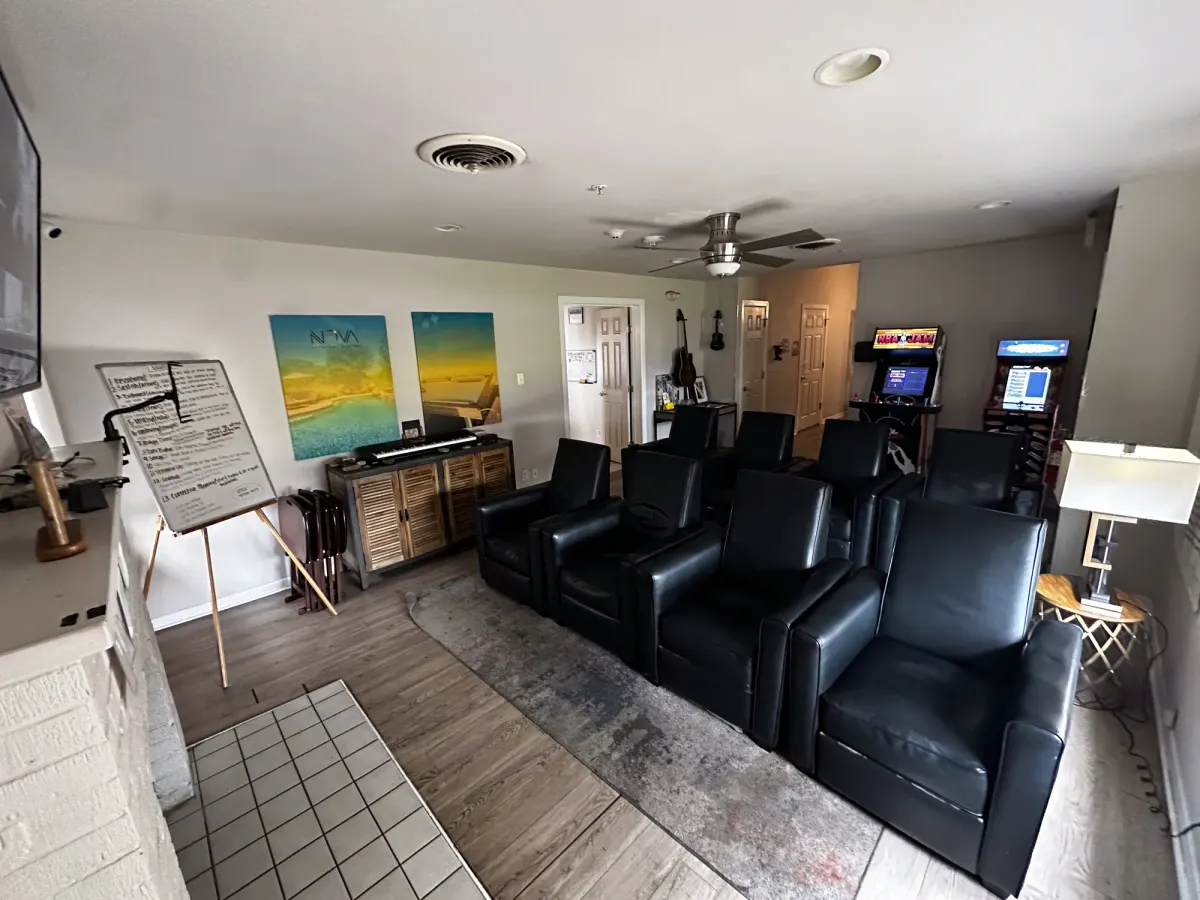 Inpatient
Austin, TX
11711 N Lamar Blvd · 78753
- 15 beds
- On-site labs
- 24-hour medical staff
Drug & Alcohol Detox in Austin, TX
-
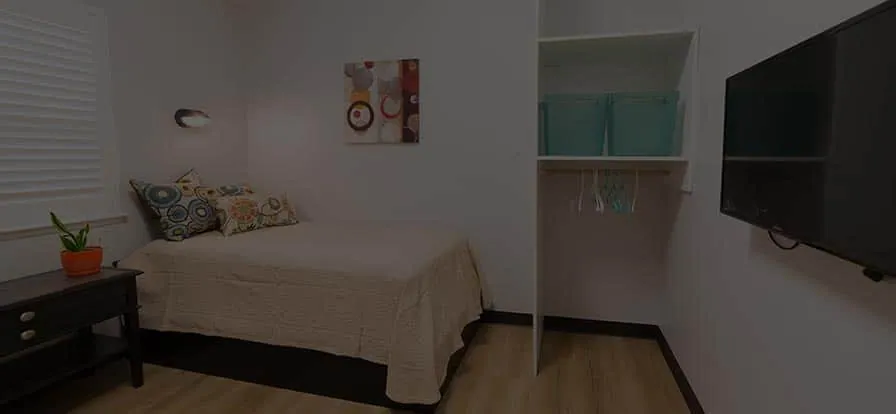 Inpatient
Houston, TX
1019 Ashland St · 77008
- On-site labs
- 24-hour medical staff
Drug Detox Center in Houston, TX
-
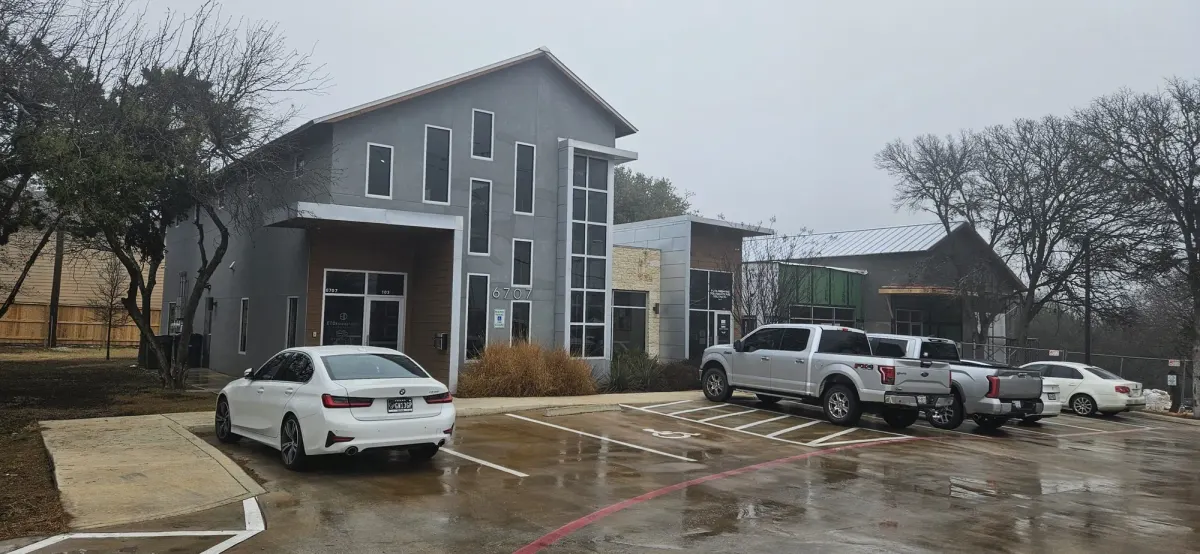 Outpatient
San Antonio, TX
6707 W Hausman Rd · 78249
- Outpatient detox with scheduled medical visits
- Outpatient treatment
Outpatient Drug & Alcohol Detox in San Antonio
How do you prepare for an intervention?
Whichever approach you choose, preparation matters more than the speech. Get support for yourself, plan for safety, and have a treatment option ready before you raise it.
- Get a counselor involved. Both approaches in the trials were taught by trained counselors, not improvised.
- Know your loved one’s risks. Someone who drinks heavily every day, or uses benzodiazepines, can have dangerous withdrawal if they stop suddenly.
- Line up the next step. Call a treatment center first to learn about admission and insurance, so a yes can turn into a bed the same day.
- Keep naloxone at home if opioids are involved. It reverses an overdose and is sold without a prescription.
Source: Alcohol withdrawal and Opioid Overdose, MedlinePlus, National Library of Medicine.
What should you avoid?
Avoid ambushes that turn into arguments, threats you will not carry out, and labels that invite a debate. Calm, specific, honest statements work better than an angry crowd.
A specific statement, such as “you missed our daughter’s game because you were drinking”, is hard to argue with. A label such as “you’re an alcoholic” usually starts a fight about the word. Consequences should be ones you are truly ready to follow through on, because empty threats teach that nothing will change.
If the meeting turns unsafe, or someone talks about suicide, stop and get help. Call 911 for immediate danger, or call or text 988.
Who does better at getting a loved one into treatment?
In the 1999 trial, parents succeeded more often than spouses. Treatment usually started after four to six counseling sessions, so this is a matter of weeks, not one conversation.
All three approaches in that trial also improved the family members’ own well-being and relationships. That matters on its own. You can get support for yourself whether or not your loved one ever agrees to treatment.
The same researchers found that no family member got a loved one into treatment once their own counseling sessions had ended. Support works while you are in it, so it is worth committing to the full course.
Source: Miller, Meyers and Tonigan, 1999; Meyers et al., 2002.
What happens if they say yes?
Act the same day if you can. Call admissions, confirm insurance, and arrange the admission while your loved one is willing.
Briarwood’s admissions line answers 24 hours a day, and families call ahead to plan this all the time. Briarwood’s inpatient centers in Austin and Houston have a nurse on site 24 hours a day and a physician on call, and most stays last five to seven days. Briarwood’s San Antonio location offers outpatient detox for milder withdrawal.
The what to expect in medical detox page explains a stay, and the intake assessment page explains the first call. For spouses, the husband won’t admit a drinking problem page and the husband addicted to painkillers page go further.
Common Questions
Do interventions actually work?+–
When families go through with a confrontational intervention, most succeed. But in a randomized trial, 70 percent of families decided not to hold one. CRAFT got more loved ones into treatment overall: 64 percent against 30 percent.
What is the most effective way to get someone into treatment?+–
In head-to-head trials, CRAFT, which teaches families new ways to respond at home, got more loved ones into treatment than confrontational interventions or Al-Anon referral alone.
How do I stage an intervention for a family member?+–
Work with a counselor, know your loved one's medical risks, plan calm and specific statements, and have a treatment option ready to start the same day.
Should I hire a professional interventionist?+–
Both approaches studied in the trials were taught by trained counselors. Whatever you choose, get professional help to plan it rather than improvising.
What if my loved one refuses help?+–
Keep getting support for yourself. CRAFT works over weeks, and family members' own well-being improved in the trials whether or not their loved one entered treatment.
Can I call a detox center before the intervention?+–
Yes. Briarwood's admissions line answers 24 hours a day, and calling ahead lets you know about admission and insurance before you ask.
Related guides


About the people behind this guide
Anna-Grace Washington
Medical Content Writer
Anna-Grace Washington is a Medical Content Writer for Briarwood Detox Center. She holds a master’s degree in clinical psychology from the University of Texas and brings a strong understanding of behavioral health, addiction recovery, and evidence-based treatment concepts to her writing.
In network with most major insurance
Find your plan and see what detox would cost
Most plans cover medical detox. Coverage varies by plan, so we verify it for you before you commit to anything.



















Don't see your plan? We work with out-of-network benefits and offer self-pay options — (866) 710-7710
- Confidential
- Takes about 2 minutes
- No obligation to admit
- Accredited The Joint Commission
- Rated 4.7 · 183 Google reviews Flourishing Foundations Recovery, now part of Briarwood
- Admissions 24 hours a day