
Guide
Consequences of College Alcohol Abuse
Joint Commission accredited · In network with most major insurance · Admissions answered 24 hours a day

Published August 15, 2017
Reviewed and updated July 29, 2026
In movies, books, and popular media, college students are typically portrayed as crazy party-goers who binge drink every weekend and participate in promiscuous sexual activities. Unfortunately, this portrayal may hit a little too close to home.
Briarwood Detox Center’s alcohol detox program provides medically supervised, evidence-based care.
While it’s a well-known fact that college students drink alcohol, oftentimes the negative consequences of college alcohol abuse are swept under the rug and simply accepted as a rite of passage or tradition. Although some students will choose not to engage in unhealthy binge drinking habits, others may fall into an extremely harmful or even deadly way of living.
Does your insurance cover detox in Austin?
Find out in about 2 minutes — free, confidential, no obligation.
Verify InsuranceWhy Do College Students Drink Alcohol?
College students are at an increased risk of developing an alcohol abuse disorder or addiction due to a number of significant factors.
- Increased independence - In college, students have less contact with parents and adults in general, which leaves them with more choices to make on their own. While this time provides many opportunities for personal growth, it can also be very harmful if negative choices go unchecked for a long period of time.
- Unstructured time - Students have full control over their schedules in college. They can choose to go to class (or not) and they can choose how they want to spend their time outside of class. This large amount of unstructured time can sometimes lead to trouble, as students may choose to spend it drinking with their friends instead of studying, working, or participating in an extracurricular activity on campus.
- Harmful living environments - College and university campuses may passively or actively promote alcohol abuse, and in many cases, students view this type of behavior as a rite of passage or something they are expected to fulfill during this time in their lives. This type of living environment fosters harmful drinking habits.
- Availability - Older college students can easily access alcohol legally but even underage students can obtain alcohol easily through older friends and lax enforcement of underage drinking policies at local bars, clubs, and parties.
- Social pressures - College students are especially vulnerable to peer pressure and social expectations set on campus, especially during their first semester. They may also view binge drinking activities or hazing as an effective way to make friends and be accepted into a social circle.
Common Negative Effects of College Alcohol Abuse
The effects of college alcohol abuse do not go unnoticed and a large amount of research has been done to study its impact on college students. Below are some of the most common consequences of alcohol abuse among college students.
Poor Academic Performance
The Harvard College Alcohol Study of American undergraduate students found that college students who consume large amounts of alcohol frequently are much more likely to miss class and fall behind academically than students who occasionally drink heavily or who don’t at all.1
Verbal, Physical, and Sexual Assault
As of the most recent data available in 2025, it is estimated that over 750,000 college students are physically assaulted each year by another student who has been drinking. Additionally, approximately 98,000 students experience alcohol-related sexual assault or date rape annually.2
Development of Alcohol Addiction or Alcohol Use Disorder (AUD)
Ready to talk to someone now? Briarwood Detox Center's admissions team is here 24/7, and every call is confidential. Call (866) 710-7710.According to updated 2025 study, college students continue to face a significantly higher risk of developing alcohol use disorders compared to their non-college-attending peers. Recent national surveys show that full-time college students ages 18–22 are more likely to engage in binge drinking and heavy alcohol use than those not enrolled in college. In addition, college students were significantly less likely to receive drug and alcohol addiction treatment than their peers who were not attending college.3 While psychiatric disorders are also very common among the student population, students are especially at high risk of developing alcohol abuse disorders and about 20 percent of college students meet the criteria for an AUD.4
Death
As of 2025, unintentional alcohol-related injury deaths among college students aged 18–24 remain a serious public health issue. Recent estimates indicate that over 1,900 college students in this age group die each year from unintentional injuries related to alcohol use—an increase from previous decades. Within that age group, injury is the leading cause of death, with alcohol being the leading contributor. In fact, alcohol is a factor in more than 5,000 deaths in that age group each year.5
Where we are
Detox centers across Texas
Three locations, each with its own admissions line and its own clinical team. Pick the one nearest you — or call and we will tell you which has a bed tonight.
-
 Inpatient
 Austin, TX
11711 N Lamar Blvd · 78753
- 15 beds
- On-site labs
- 24-hour medical staff
Drug & Alcohol Detox in Austin, TX
-
 Inpatient
 Houston, TX
1019 Ashland St · 77008
- On-site labs
- 24-hour medical staff
Drug Detox Center in Houston, TX
-
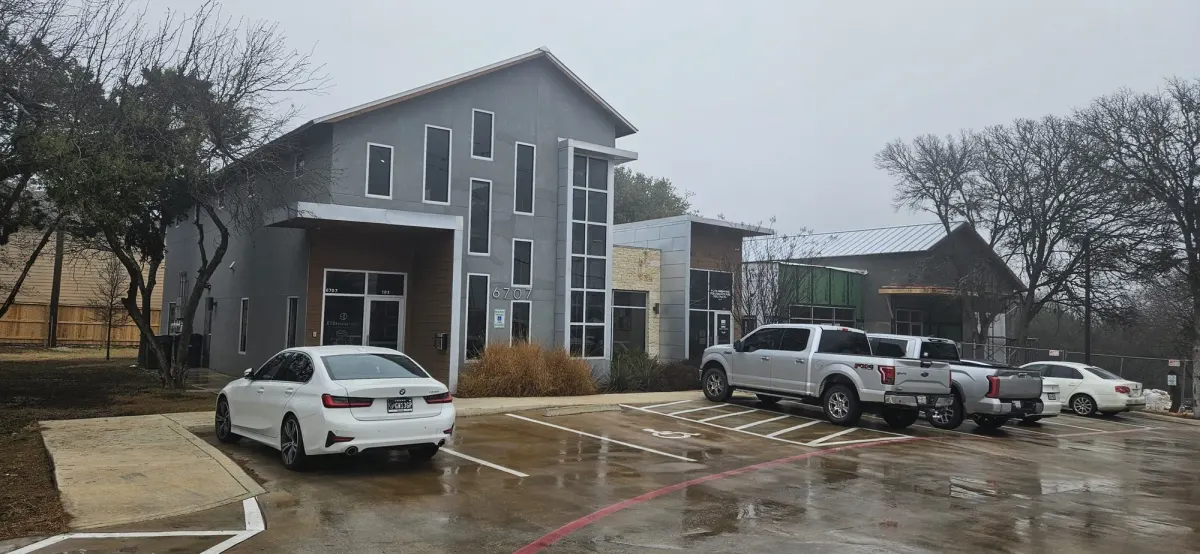 Outpatient
 San Antonio, TX
6707 W Hausman Rd · 78249
- Outpatient detox with scheduled medical visits
- Outpatient treatment
Outpatient Drug & Alcohol Detox in San Antonio
What Can Be Done to Reduce College Drinking?
According to the College Drinking, Changing the Culture campaign from The National Institute on Alcoholism and Alcohol Abuse, there are several things that can be done to curb the harmful habits of college drinking.
First and foremost, providing students and parents with education on the topic of college drinking can aid in the prevention of alcohol abuse disorders. The harmful effects of alcohol should be discussed with students well before they reach college-age, as many students are already displaying harmful drinking habits in high school.
Additionally, strong student and faculty leadership within the college community can help raise awareness about the issues related to college drinking and reduce the social acceptance and availability of alcoholic beverages on campus. Leadership can also provide increased mental health resources for students (especially those in their first year of college) to help them manage the social and educational stressors that students experience.
If you or a family member is struggling with alcohol abuse within a college setting, it’s not too late to get help. Call now to speak with a member of the Briarwood Detox Center admissions team and let us help you begin a treatment plan today. We can provide treatment and alcohol detox in Austin, Texas. If you attend college in San Antonio, Texas, we have an outpatient alcohol detox program in San Antonio as well.
References:
Ready to Start Your Recovery in Austin?
Briarwood Detox Center offers medically supervised detox in Austin. Explore our locations, see the facility, and verify your insurance in minutes.
See our locationsRelated guides


In network with most major insurance
Find your plan and see what detox would cost
Most plans cover medical detox. Coverage varies by plan, so we verify it for you before you commit to anything.

















Don't see your plan? We work with out-of-network benefits and offer self-pay options — (866) 710-7710
- Confidential
- Takes about 2 minutes
- No obligation to admit

- Accredited The Joint Commission
- Rated 4.7 · 182 Google reviews Flourishing Foundations Recovery, now part of Briarwood
- Admissions 24 hours a day