
Guide
Do I Need Detox Before Rehab? How to Know If Detox Comes First in Austin
Joint Commission accredited · In network with most major insurance · Admissions answered 24 hours a day


Published April 24, 2026
Reviewed and updated July 29, 2026
What’s the Difference Between Detox and Rehab?
Signs You May Need Detox Before Starting a Rehab Program
Not everyone requires medically supervised detox before entering rehab, but many people do. Here are some of the most important signs that detox should come first:
- You use alcohol heavily or daily. Alcohol withdrawal can cause seizures and a dangerous condition called delirium tremens (DTs). This is one of the most medically serious forms of withdrawal and should never be managed alone or without professional oversight. If you drink every day or have a history of heavy drinking, alcohol detox in Austin under medical supervision is strongly recommended before entering rehab.
- You use opioids — prescription or otherwise. Opioid withdrawal is intensely uncomfortable and often leads people to relapse just to relieve the symptoms. Medical detox allows clinicians to use medications like buprenorphine or methadone to ease the process and reduce relapse risk.
- You use benzodiazepines (Xanax, Valium, Klonopin, etc.). Like alcohol, benzo withdrawal can cause seizures and can be fatal if not properly managed. A supervised medical detox is essential for anyone dependent on these medications.
- You’ve experienced withdrawal symptoms in the past. If you’ve ever felt shaky, nauseous, anxious, or experienced sweating or racing heart when you haven’t used for a period of time, your body is physically dependent on the substance. That’s a clear signal that you need medical supervision during withdrawal.
- You use multiple substances. Poly-substance use adds complexity to the withdrawal process. Medical teams need to monitor and manage multiple withdrawal timelines simultaneously.
- You have co-occurring physical or mental health conditions. Conditions like heart disease, liver disease, anxiety disorders, or depression can be significantly worsened during withdrawal. Medical detox allows providers to monitor these conditions and adjust care accordingly.
- Previous attempts to quit “cold turkey” failed or were dangerous. If you’ve tried to stop on your own before and it didn’t stick — or you felt severely ill — that’s a strong indicator that medical support is needed.
What Happens If You Skip Detox and Go Straight to Rehab?
Some rehab programs accept clients who haven’t been through detox — particularly for substances where withdrawal is not medically dangerous, like marijuana or cocaine. But for alcohol, opioids, and benzodiazepines, attempting to enter a rehab program without completing detox first can create serious problems:
- Many reputable rehab facilities simply will not admit clients who are still in active withdrawal. It’s a safety and liability issue for them.
- Even if you’re admitted, trying to focus on group therapy and counseling while your body is in withdrawal is nearly impossible. The physical discomfort dominates everything.
- Severe withdrawal symptoms that go unmanaged — like seizures — can be life-threatening and may require emergency hospitalization, which disrupts your treatment entirely.
- People who attempt to get through withdrawal without support are far more likely to relapse, often before they ever reach the rehab stage.
Completing a proper medical detox program before transitioning to rehab dramatically improves your ability to engage with therapy, absorb new coping tools, and stay committed to the process.
Where we are
Detox centers across Texas
Three locations, each with its own admissions line and its own clinical team. Pick the one nearest you — or call and we will tell you which has a bed tonight.
-
 Inpatient
 Austin, TX
11711 N Lamar Blvd · 78753
- 15 beds
- On-site labs
- 24-hour medical staff
Drug & Alcohol Detox in Austin, TX
-
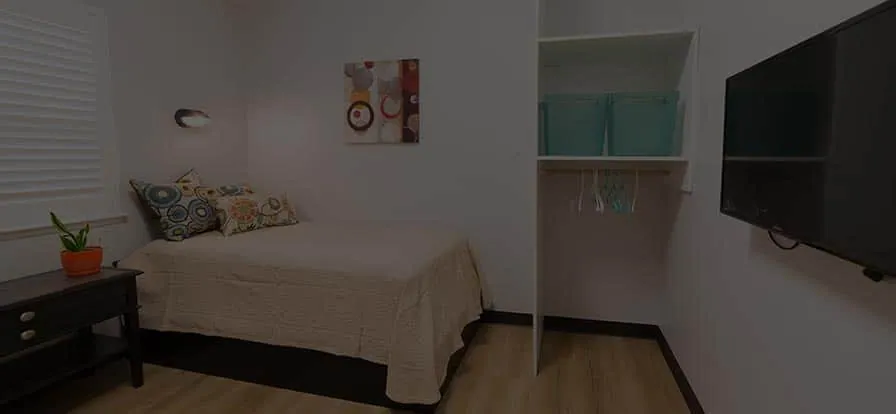 Inpatient
 Houston, TX
1019 Ashland St · 77008
- On-site labs
- 24-hour medical staff
Drug Detox Center in Houston, TX
-
 Outpatient
 San Antonio, TX
6707 W Hausman Rd · 78249
- Outpatient detox with scheduled medical visits
- Outpatient treatment
Outpatient Drug & Alcohol Detox in San Antonio
What Does Medical Detox in Austin Actually Look Like?
Do I Need Detox for Drugs Too — Not Just Alcohol?
Yes — though the answer depends on the specific substance. While alcohol and benzodiazepines carry the highest medical risk during withdrawal, drug detox in Austin is also strongly recommended for people who are dependent on opioids (including heroin, fentanyl, and prescription painkillers), stimulants used in heavy amounts, and other substances that create significant physical dependence. Here’s a quick breakdown by substance type:
- Heroin and opioids: Withdrawal is extremely uncomfortable (flu-like symptoms, muscle cramps, insomnia, intense cravings) and has a very high relapse rate without medical support. Medication-assisted treatment (MAT) during detox significantly improves outcomes.
- Cocaine and stimulants: Withdrawal is less physically dangerous but can cause severe depression, fatigue, and psychological cravings. Medical monitoring is helpful, especially for heavy users.
- Marijuana: Withdrawal symptoms (irritability, sleep disruption, appetite changes) are typically mild and not medically dangerous, but emotional support during early abstinence is still valuable.
- Prescription medications (sedatives, sleep aids, muscle relaxers): Depending on the specific medication and level of dependence, withdrawal can range from uncomfortable to dangerous. Always consult with a medical professional before stopping these on your own.
How to Transition from Detox to Rehab in Austin
One of the most important things your detox team does is help you plan what comes next. The days immediately following detox are a vulnerable window — cravings are still strong, and without a clear plan, the risk of relapse is high. A good detox program will connect you with appropriate continuing care before you even walk out the door. Your options after detox may include:
- Inpatient or residential rehab: A 30-90 day live-in program that provides structured therapy, group support, and 24-hour accountability.
- Intensive Outpatient Program (IOP): A step-down option where you attend therapy several hours a day, several days a week, while living at home or in sober living housing.
- Partial Hospitalization Program (PHP): A higher level of outpatient care, often used as a bridge between inpatient treatment and IOP.
- Outpatient counseling and 12-step programs: For those with strong support systems and a less severe history of use, outpatient therapy combined with peer support groups like AA or NA can be highly effective.
Taking the First Step: Getting Help in Austin, TX
Frequently Asked Questions
Do I need detox before rehab if I only drink alcohol?+–
Yes, if you drink heavily or daily, you likely need detox before rehab. Alcohol withdrawal can cause life-threatening complications like seizures and delirium tremens (DTs), making medically supervised detox essential before beginning a rehab program. Never attempt to stop drinking abruptly on your own without professional medical oversight.
What is the difference between detox and rehab?+–
Detox is a medical process focused on safely clearing substances from your body and managing withdrawal symptoms, typically lasting 3 to 10 days. Rehab comes afterward and addresses the psychological, behavioral, and emotional aspects of addiction through therapy and counseling. Think of detox as preparing your body so you can fully engage in the deeper work of rehab.
Is detox before rehab always required?+–
Not everyone needs medically supervised detox before rehab, but many people do — particularly those who use alcohol, opioids, or benzodiazepines regularly. If you're unsure whether detox comes first in your situation, a professional assessment at a detox center can help determine the right level of care for your needs. Skipping detox when it's medically necessary can be dangerous and increase the risk of relapse.
Can I detox at home before entering a rehab program?+–
Home detox is not recommended for people withdrawing from alcohol, benzodiazepines, or opioids, as these substances carry serious — sometimes fatal — withdrawal risks. Medically supervised detox provides clinical monitoring and medications to keep you safe and as comfortable as possible. A professional detox center in Austin can ensure your withdrawal is managed properly before you transition into rehab.
How long does detox take before I can start rehab?+–
Medical detox typically lasts between 3 and 10 days, depending on the substance used, the duration of use, and your overall health. Once you are physically stable, you can transition into a rehab program to begin addressing the psychological and behavioral roots of addiction. The full continuum — detox followed by rehab — gives you the strongest foundation for lasting recovery.
What happens during opioid detox before rehab?+–
During opioid detox, clinicians may use medications like buprenorphine or methadone to ease withdrawal symptoms and significantly reduce the risk of relapse. Opioid withdrawal is intensely uncomfortable, and without medical support, many people relapse simply to relieve the physical distress. Knowing that you need detox before rehab when opioids are involved can be life-saving, as medically supervised care makes the process far more manageable and safe. Ready to Start Your Recovery in Austin? If you or someone you love needs more than detox, Briarwood Detox Center also provides drug treatment centers austin . Does your insurance cover detox in Austin? Find out in about 2 minutes — free, confidential, no obligation. Verify Insurance Briarwood Detox Center offers medically supervised detox in Austin. Explore our locations, see the facility, and verify your insurance in minutes. Ready to talk to someone now? Briarwood Detox Center's admissions team is here 24/7, and every call is confidential. Call (866) 710-7710 . See our locations
Related guides



In network with most major insurance
Find your plan and see what detox would cost
Most plans cover medical detox. Coverage varies by plan, so we verify it for you before you commit to anything.

















Don't see your plan? We work with out-of-network benefits and offer self-pay options — (866) 710-7710
- Confidential
- Takes about 2 minutes
- No obligation to admit
- Accredited The Joint Commission
- Rated 4.5 · 94 Google reviews
- Admissions 24 hours a day