
Guide
Examples of Detox Medications | Drug and Alcohol Detox Austin - Briarwood Detox Center
Joint Commission accredited · In network with most major insurance · Admissions answered 24 hours a day

Published November 5, 2024
Reviewed and updated July 29, 2026
Table of contents
- The Role of Medications in Drug and Alcohol Detox
- Common Medications Used in Alcohol Detox
- Medications Used in Drug Detox
- Why Detox Medications Are Essential
- Customized Care at Briarwood Detox Center
- Start Your Recovery Today
- Drug Detox With Briarwood
- Break Free From Your Addiction Today
Detoxing from drugs or alcohol is the first and most important step in overcoming addiction. At Briarwood Detox Center in Austin, Texas, we know that the process of withdrawal can be tough. That’s why we offer care that supports you through every stage of your recovery. Detox medications are a key part of this care. These medications not only help reduce withdrawal symptoms, but they also manage cravings and ensure that detox is safer.
If you or someone you love needs more than detox, Briarwood Detox Center also provides drug rehab austin.
Briarwood Detox Center’s medical alcohol detox program provides medically supervised, evidence-based care.
In this blog, we’ll go over some common detox medications, explain how they work, and show why they’re important for your recovery. By understanding these medications, you can feel more confident going into the detox process.
Does your insurance cover detox in Austin?
Find out in about 2 minutes — free, confidential, no obligation.
Verify InsuranceThe Role of Medications in Drug and Alcohol Detox
To begin with, detoxification medications serve several important roles. Not only do they help ease withdrawal symptoms, but they also make the process more comfortable overall. For people quitting alcohol, opioids, or other drugs, these medications are especially useful in preventing serious health problems. Moreover, medications make the detox process safer and help control cravings, which, in turn, lowers the chances of a relapse.
At Briarwood Detox Center, we create a personalized detoxification plan for each person. In addition to using proven treatments, we make sure to offer the best care, so your detox will be as safe and comfortable as possible.
Common Medications Used in Alcohol Detox
Alcohol withdrawal can cause a wide range of symptoms, from mild anxiety to more serious issues like seizures. Several medications make this process safer and easier to manage.
- Acamprosate
Acamprosate helps stabilize brain chemistry after long-term alcohol use. By reducing cravings, it supports individuals in maintaining sobriety. - Benzodiazepines
Doctors often prescribe diazepam (Valium) or lorazepam (Ativan) to reduce anxiety, prevent seizures, and promote relaxation during alcohol detoxification. They taper the dosage over time to allow your body to adjust safely to life without alcohol. - Naltrexone
After detox, naltrexone helps prevent relapse. It blocks the pleasurable effects of alcohol, making drinking less rewarding. This reduction in cravings helps you stay sober. - Disulfiram (Antabuse)
Doctors also use disulfiram (Antabuse) to prevent relapse. When you consume alcohol while on this medication, it causes nausea, vomiting, and headaches. This unpleasant reaction helps discourage drinking.
Medications Used in Drug Detox
Drug detox, especially from opioids or benzodiazepines, often requires medications to help manage withdrawal symptoms and cravings.
- Naltrexone
In drug detoxification, naltrexone also blocks the effects of opioids, preventing individuals from feeling high if they relapse. It’s a valuable tool for staying on track during recovery. - Methadone
For those detoxing from opioids, methadone offers a well-known treatment option. It eases cravings and manages withdrawal symptoms without producing a high. Healthcare professionals reduce the dose gradually to help you transition smoothly to a drug-free life. - Buprenorphine (Suboxone)
Another medication commonly used in opioid detox is buprenorphine, often combined with naloxone in Suboxone. This medication reduces cravings and withdrawal symptoms. It partially activates opioid receptors in the brain without the intense effects of full opioids, and naloxone helps prevent misuse. - Clonidine
Doctors frequently use clonidine to ease physical symptoms of opioid withdrawal, like muscle pain, sweating, and anxiety. While it doesn’t affect cravings, it makes the detoxification process less uncomfortable, which improves the chances of completing detox.
Why Detox Medications Are Essential
Detox medications are important for several reasons. First, they ease withdrawal symptoms, making the process more comfortable. For example, in alcohol or benzodiazepine detoxification, medications can prevent life-threatening complications such as seizures. Additionally, they reduce cravings, which helps keep you focused on recovery.
At Briarwood Detox Center, we take a whole-person approach. Not only do we treat the physical symptoms of withdrawal, but we also care for your emotional and spiritual needs. As a result, this all-around care helps you build a strong foundation for long-term recovery.
Customized Care at Briarwood Detox Center
Each person’s detoxification experience is different, so we offer individualized care at Briarwood Detox Center. Whether you’re detoxing from alcohol, opioids, or other substances, we create a treatment plan that matches your unique needs.
Ready to talk to someone now? Briarwood Detox Center's admissions team is here 24/7, and every call is confidential. Call (866) 710-7710.Our approach addresses the mind, body, and soul to help you heal from addiction fully. Detox is only the beginning, but we are here to support you through each stage of recovery, from detoxification to sober living and beyond.
Start Your Recovery Today
If you or a loved one is struggling with drug or alcohol addiction, don’t wait any longer to seek help. At Briarwood Detox Center, we provide a safe, supportive environment for detoxification with evidence-based treatments and long-term support.
- Get Help Today
- See Availability Today
- Confidential Insurance and Availability Check
- Most Insurances Accepted
Drug Detox With Briarwood
Briarwood Detox Center offers detoxification treatment for alcohol, opioid, methamphetamine, prescription drugs, and much more. Our experienced clinical staff provides round-the-clock monitoring throughout the drug detoxification process and our therapy team provides support to help manage the emotional response to treatment. Additionally, we have detox facilities located in Austin, Houston, and Colorado Springs with state-of-the-art amenities.
Briarwood is dedicated to facilitating a healthy and safe environment that empowers people to make significant and lasting changes in their lives. We look forward to supporting you or your loved one on the journey to recovery. Call (866) 710-7710 today for more information on our programs and admission process.
Our center is in-network with many insurances
Using BlueCross BlueShield to pay for detox
Using United Healthcare to pay for detox
Using Magellan to pay for detox
Using Beacon Health to pay for detox
Call (866) 710-7710 to verify your benefits.





Where we are
Detox centers across Texas
Three locations, each with its own admissions line and its own clinical team. Pick the one nearest you — or call and we will tell you which has a bed tonight.
-
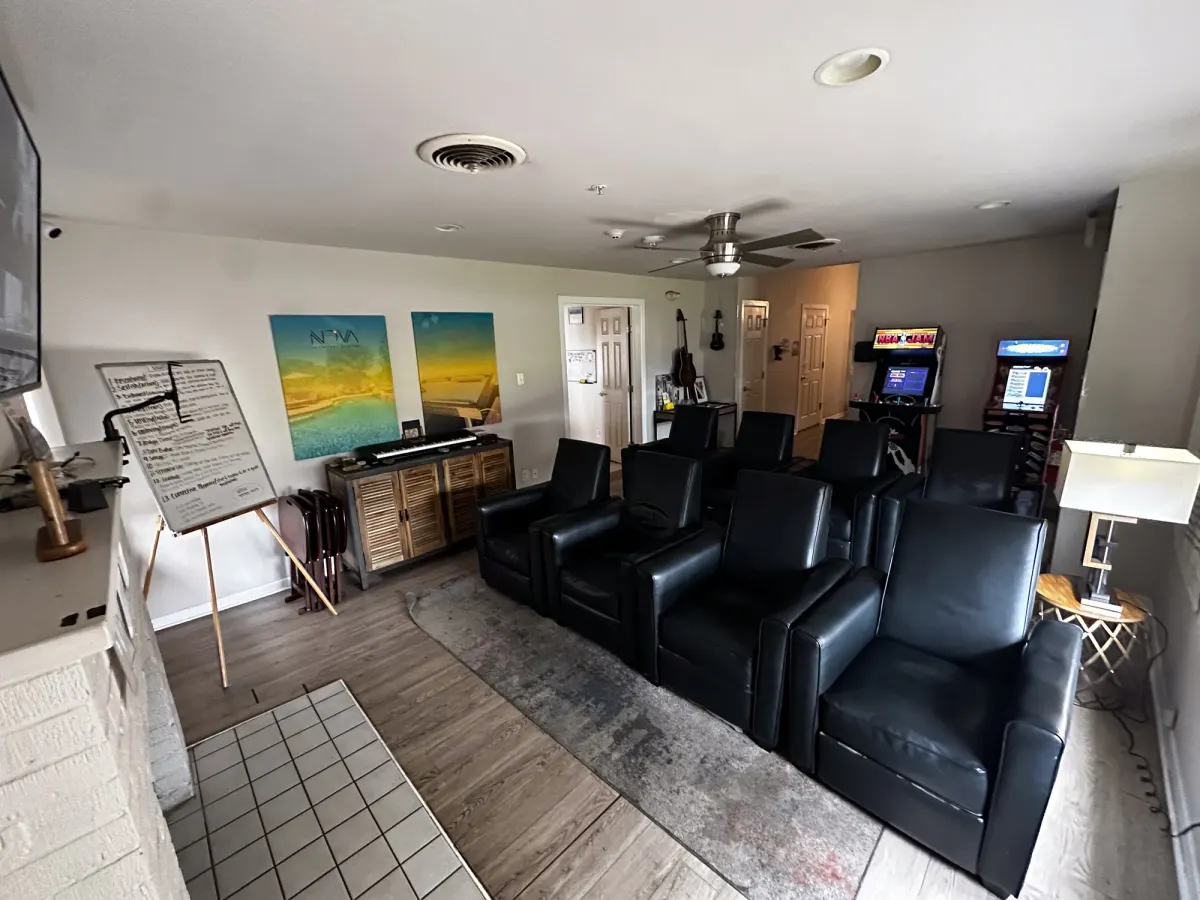 Inpatient
 Austin, TX
11711 N Lamar Blvd · 78753
- 15 beds
- On-site labs
- 24-hour medical staff
Drug & Alcohol Detox in Austin, TX
-
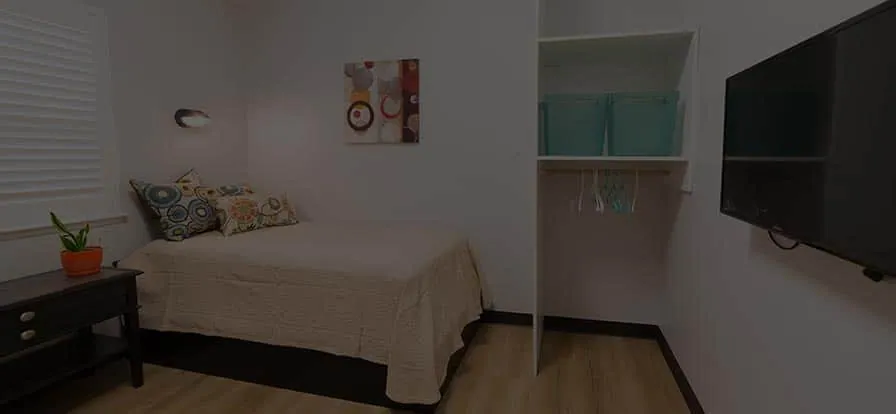 Inpatient
 Houston, TX
1019 Ashland St · 77008
- On-site labs
- 24-hour medical staff
Drug Detox Center in Houston, TX
-
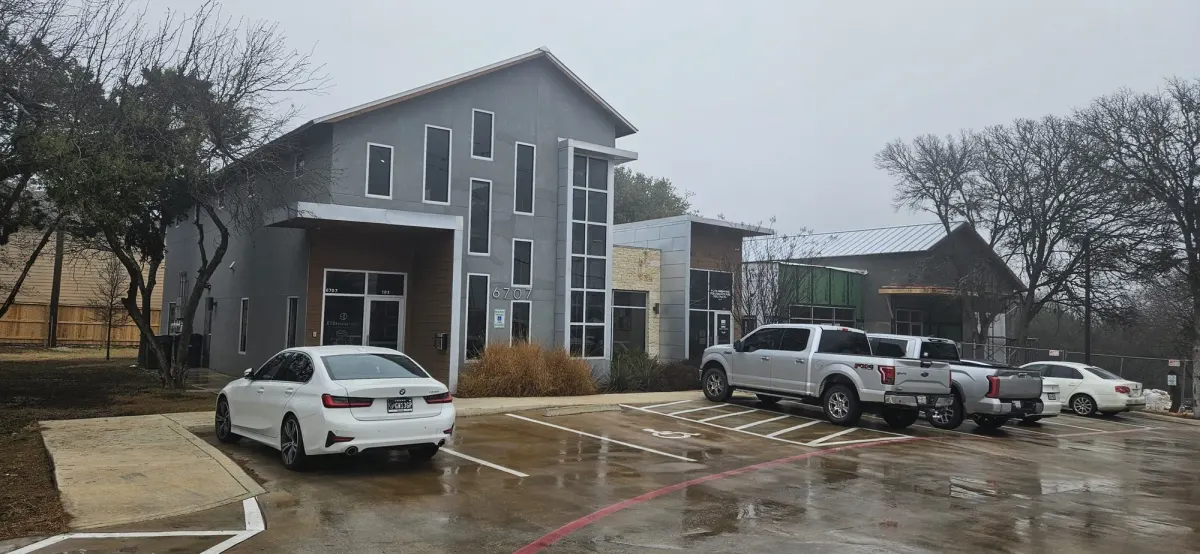 Outpatient
 San Antonio, TX
6707 W Hausman Rd · 78249
- Outpatient detox with scheduled medical visits
- Outpatient treatment
Outpatient Drug & Alcohol Detox in San Antonio
Break Free From Your Addiction Today
(in 3 easy, confidential steps)
Verify your insurance
Complete our fast, free, and easy verification process over the phone to determine the extent of your insurance coverage.
Make an informed decision
We will provide personalized placement recommendations based on your insurance, treatment needs, financial situation, and schedule.
Contact us
Call (866) 710-7710 or fill out our online form for a free and confidential personal consultation with an admissions specialist.


Is Suboxone or Vivitrol Better for Long-Term Opioid Addiction Recovery?
Both Suboxone and Vivitrol are FDA-approved medications for opioid use disorder, and the "better" choice depends on individual patient factors, treatment history, and clinical assessment. Suboxone (buprenorphine/naloxone) is a partial opioid agonist taken daily that reduces cravings and withdrawal symptoms, while Vivitrol (naltrexone extended-release injection) is a monthly opioid antagonist that blocks opioid receptors. At Briarwood Detox Center in Austin, Texas, our medical team evaluates each patient to determine the most appropriate medication-assisted treatment (MAT) for sustainable recovery.
The choice between these medications involves several clinical considerations that our board-certified addiction specialists assess during medical detox and treatment planning.
Key Differences Between Suboxone and Vivitrol
- Mechanism of Action: Suboxone partially activates opioid receptors to prevent withdrawal and cravings without producing euphoria, while Vivitrol completely blocks opioid receptors, preventing any opioid effect if relapse occurs.
- Administration: Suboxone is a daily sublingual film or tablet requiring patient compliance, whereas Vivitrol is a once-monthly injection administered by healthcare providers, eliminating daily adherence concerns.
- Treatment Timing: Suboxone can be initiated during medically supervised detox once mild withdrawal begins, while Vivitrol requires complete opioid detoxification (7-10 days opioid-free) before the first injection to avoid precipitated withdrawal.
- Relapse Risk: Suboxone provides continuous opioid receptor occupancy that may reduce relapse in early recovery, while Vivitrol's blocking action prevents opioid effects if relapse occurs but doesn't reduce cravings as directly.
- Side Effects: Suboxone may cause constipation, drowsiness, and carries potential for misuse (though significantly lower than full opioids), while Vivitrol common side effects include injection site reactions, nausea, and headache with no abuse potential.
Who May Benefit From Suboxone
Suboxone is often recommended for patients who:
- Are in early detox stages and cannot safely complete full opioid withdrawal immediately
- Have severe opioid use disorder with high physical dependence
- Need rapid stabilization to prevent medical complications
- Have previously failed abstinence-only approaches
- Require flexible dosing adjustments during treatment
- Are transitioning from inpatient detox to outpatient continuing care
At Briarwood Detox Center's Austin inpatient facility, Suboxone is frequently initiated during medically supervised detox to safely manage withdrawal symptoms and establish stability before transitioning to outpatient treatment in Austin, San Antonio, Houston, or Colorado Springs.
Who May Benefit From Vivitrol
Vivitrol may be preferred for patients who:
- Have completed full opioid detoxification successfully
- Want to eliminate daily medication and compliance concerns
- Have a history of diverting or misusing buprenorphine products
- Are highly motivated for complete opioid abstinence
- Have strong recovery support systems in place
- Prefer a non-opioid medication approach
Our medical team may recommend Vivitrol for patients completing inpatient detox who demonstrate readiness for monthly injection therapy and have adequate psychosocial support during ongoing outpatient treatment.
Clinical Evidence and Treatment Outcomes
Research published in JAMA Psychiatry and The Lancet shows both medications significantly improve opioid use disorder outcomes compared to behavioral treatment alone. Studies indicate:
- Suboxone demonstrates higher treatment retention rates in the first 6 months, with approximately 75% of patients remaining in treatment versus 65% for Vivitrol
- Vivitrol shows lower relapse rates among patients who complete the initiation phase and remain adherent to monthly injections
- Both medications reduce overdose mortality risk by approximately 50% when combined with behavioral therapy
- Long-term recovery success (12+ months) is comparable when patients remain engaged in MAT with either medication
The American Society of Addiction Medicine (ASAM) emphasizes that medication choice should be individualized based on comprehensive assessment, patient preference, and clinical judgment rather than a one-size-fits-all approach.
Briarwood's Approach to MAT Selection
At Briarwood Detox Center, our addiction medicine specialists conduct thorough evaluations including:
- Detailed substance use history and previous treatment attempts
- Physical examination and laboratory testing
- Co-occurring mental health disorder screening
- Assessment of social support and recovery environment
- Patient preferences and treatment goals discussion
- Insurance coverage verification for both medication options
We accept most major insurance plans that cover medication-assisted treatment, including Aetna, Blue Cross Blue Shield, Cigna, UnitedHealthcare, and Humana. Our admissions team verifies your specific coverage for both Suboxone and Vivitrol before treatment begins.
For patients requiring immediate help, call our 24/7 admissions line at (866) 710-7710 to speak with an addiction specialist about medication-assisted treatment options.
Combining MAT With Comprehensive Treatment
Neither Suboxone nor Vivitrol is a standalone solution. At Briarwood Detox Center, medication-assisted treatment is integrated with:
- Individual addiction counseling and behavioral therapy
- Group therapy and peer support
- Co-occurring mental health treatment for anxiety, depression, or trauma
- Care coordination for transition to ongoing outpatient services
- Family education and support resources
- Relapse prevention planning and coping skills development
Our inpatient detox program in Austin, Texas provides medical stabilization and MAT initiation, while our outpatient programs in Austin, San Antonio, Houston, and Colorado Springs offer continued medication management and therapy for sustained recovery.
How long do patients typically stay on Suboxone or Vivitrol?
Treatment duration is individualized, but research supports MAT for a minimum of 12 months, with many patients benefiting from longer-term or indefinite maintenance. At Briarwood Detox Center, our medical team works with each patient to develop a personalized timeline based on stability, recovery progress, and relapse risk. Some patients transition off medication after 1-2 years, while others maintain long-term MAT as part of chronic disease management, similar to medications for diabetes or hypertension.
Can I switch from Suboxone to Vivitrol or vice versa?
Yes, patients can transition between medications under medical supervision. Switching from Suboxone to Vivitrol requires a supervised taper and 7-10 days completely opioid-free before the first Vivitrol injection to prevent precipitated withdrawal. Switching from Vivitrol to Suboxone is simpler and can occur once the monthly Vivitrol injection wears off. Our addiction medicine specialists at Briarwood Detox Center manage these transitions safely with appropriate monitoring and support.
Does insurance cover Suboxone and Vivitrol treatment?
Most major insurance plans cover both Suboxone and Vivitrol as part of substance use disorder treatment, though coverage specifics, prior authorization requirements, and copays vary by plan. Briarwood Detox Center accepts Aetna, Blue Cross Blue Shield, Cigna, UnitedHealthcare, Humana, and many other commercial plans. Our admissions specialists verify your exact coverage for both medications and associated medical services during the admissions process. Call (866) 710-7710 for a free, confidential insurance verification.
Is medication-assisted treatment considered "replacing one drug with another"?
No—this is a common misconception. MAT with Suboxone or Vivitrol is FDA-approved medical treatment for opioid use disorder, a chronic brain disease. These medications normalize brain chemistry disrupted by addiction, reduce cravings and withdrawal symptoms, and allow patients to engage in behavioral therapy and rebuild their lives. Research consistently shows MAT reduces overdose deaths, improves treatment retention, and supports long-term recovery far better than abstinence-only approaches. The Substance Abuse and Mental Health Services Administration (SAMHSA), American Medical Association, and American Society of Addiction Medicine all endorse MAT as the gold standard for opioid use disorder treatment.
What happens if I relapse while on Vivitrol?
Vivitrol blocks opioid receptors, so using typical opioid doses will produce no euphoric effect, which may deter relapse. However, patients should understand two critical risks: attempting to override the blockade with very high opioid doses can cause overdose, and after Vivitrol wears off (or if doses are missed), tolerance is significantly reduced, making previously tolerated doses potentially fatal. If relapse occurs or cravings become unmanageable on Vivitrol, contact your treatment team immediately at (866) 710-7710. Briarwood Detox Center provides 24/7 crisis support and can adjust your treatment plan, including transitioning to alternative MAT if clinically appropriate.
Ready to Start Your Recovery in Austin?
Briarwood Detox Center offers medically supervised detox in Austin. Explore our locations, see the facility, and verify your insurance in minutes.
See our locationsRelated guides



In network with most major insurance
Find your plan and see what detox would cost
Most plans cover medical detox. Coverage varies by plan, so we verify it for you before you commit to anything.














Don't see your plan? We work with out-of-network benefits and offer self-pay options — (866) 710-7710
- Confidential
- Takes about 2 minutes
- No obligation to admit

- Accredited The Joint Commission
- Rated 4.5 · 94 Google reviews
- Admissions 24 hours a day