
Guide
Facts and Statistics About Current Opioid Abuse in America
Joint Commission accredited · In network with most major insurance · Admissions answered 24 hours a day
Published November 5, 2019
Reviewed and updated July 29, 2026
The current U.S. opioid crisis began back in 1999, as prescription opioid drugs were being rampantly over-prescribed for chronic pain. By 2010, heroin had also made its mark in the ongoing crisis with a rapid increase in overdose deaths. Three years later, synthetic opioid deaths, especially those involving fentanyl, also began to increase significantly. Ultimately, these waves of drug overdoses and opioid abuse greatly contributed to the 70,237 drug overdose deaths that occurred in America in 2017.1
Briarwood Detox Center’s opiate detox program provides medically supervised, evidence-based care.
Table of contents
- 2017 Trends in Opioid Prescribing
- Heroin Use and Prescription Opioid Abuse in 2017
- Characteristics of Today’s Opioid Abusers
- Opioid Addiction Treatment in 2017
- Opioid Overdose Hospitalizations and Emergency Department Visits
- Opioid Overdose Deaths in 2017
After two decades of ill effects caused by nationwide opioid abuse, there have been many efforts made locally and nationally to curb the misuse of opioid drugs. But what is the current state of the opioid crisis in America now?
Does your insurance cover detox in Austin?
Find out in about 2 minutes — free, confidential, no obligation.
Verify InsuranceThe following facts and statistics about current opioid abuse and addiction in America provide the latest information available regarding these areas of concern:
2017 Trends in Opioid Prescribing
- In 2017, about 17 percent of Americans (56,935,332 people) filled at least one prescription for an opioid drug. While 15 percent of those were males, about 20 percent were female.2
- People over the age of 65 were most likely to fill an opioid prescription and the opioid prescribing rate in the U.S. was 58.5 prescriptions per 100 people.2
- In total, 191,146,822 opioid prescriptions were dispensed by retail pharmacies.2
- Over the last decade (2006 to 2017), the annual opioid prescribing rate per 100 people decreased by about 19 percent.2
The states with the highest opioid prescribing rates in 2017 were:
- Alabama - 107.2 prescriptions per 100 people2
- Arkansas - 105.4 prescriptions per 100 people2
- Tennessee - 94.4 prescriptions per 100 people2
- Mississippi - 92.9 prescriptions per 100 people2
- Louisiana - 89.5 prescriptions per 100 people2
The states with the lowest opioid prescribing rates in 2017 were:
- District of Columbia - 28.5 prescriptions per 100 people2
- Hawaii - 37 prescriptions per 100 people2
- New York - 37.8 prescriptions per 100 people2
- California - 39.5 prescriptions per 100 people2
- Massachusetts - 40.1 prescriptions per 100 people2
Ready to talk to someone now? Briarwood Detox Center's admissions team is here 24/7, and every call is confidential. Call (866) 710-7710.
Heroin Use and Prescription Opioid Abuse in 2017
- In 2017, 11.4 million people ages 12 and up (or 4.2 percent of the population aged 12 or older) misused opioids in the past year.3
- Among those who misused opioids in the past year:
- 2 percent (11.1 million people) abused pain relievers3
- 8 percent (886,000 people) used heroin3
- 2 percent (10.5 million people) only abused pain relievers but had not used heroin3
- 9 percent (562,000 people) abused pain relievers and used heroin3
- 8 percent (324,000 people) only used heroin3
Heroin Use and Prescription Opioid Abuse in 2017
Infogram
Where we are
Detox centers across Texas
Three locations, each with its own admissions line and its own clinical team. Pick the one nearest you — or call and we will tell you which has a bed tonight.
-
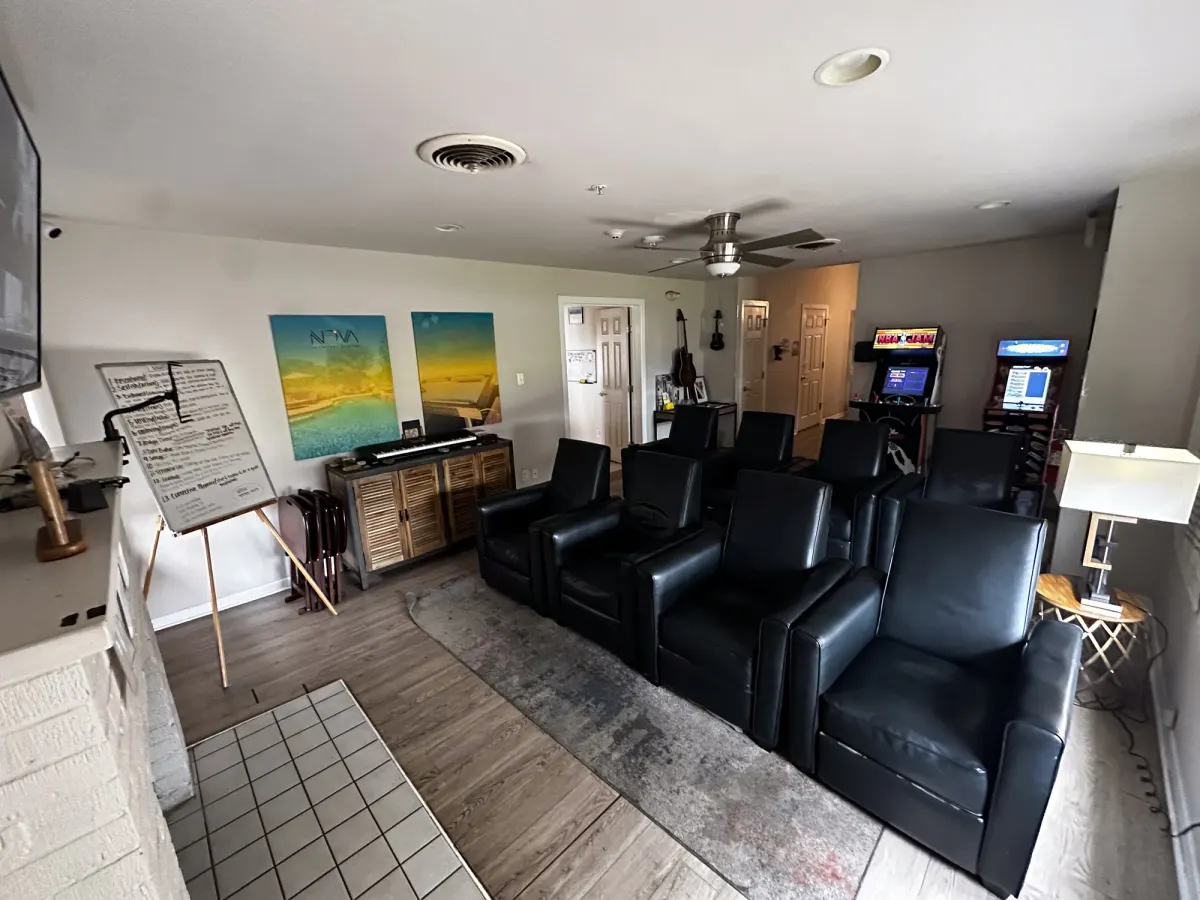 Inpatient
 Austin, TX
11711 N Lamar Blvd · 78753
- 15 beds
- On-site labs
- 24-hour medical staff
Drug & Alcohol Detox in Austin, TX
-
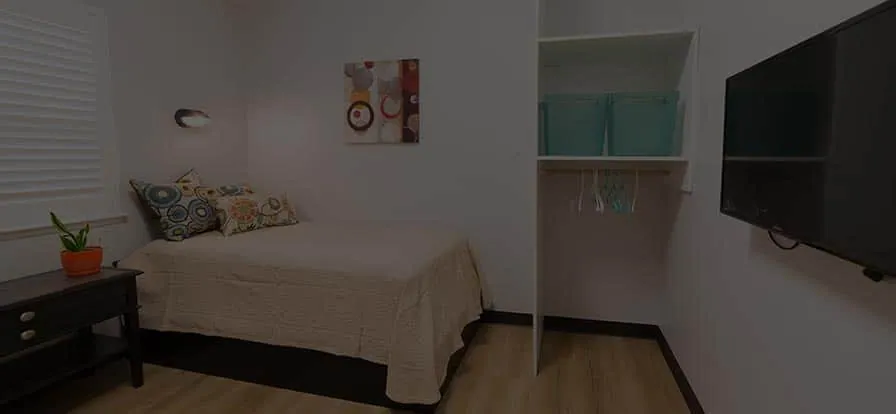 Inpatient
 Houston, TX
1019 Ashland St · 77008
- On-site labs
- 24-hour medical staff
Drug Detox Center in Houston, TX
-
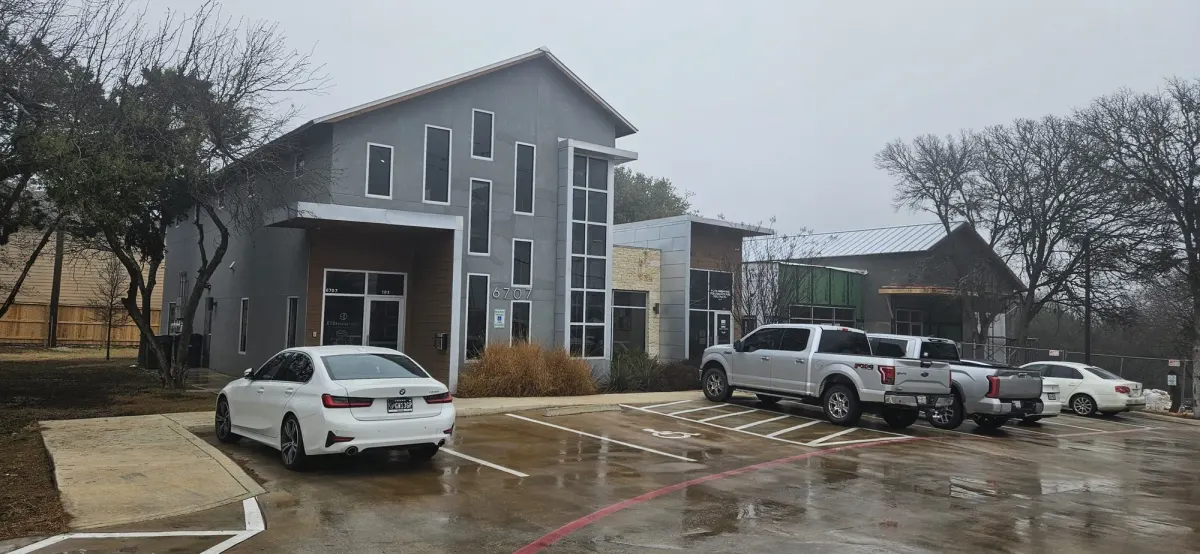 Outpatient
 San Antonio, TX
6707 W Hausman Rd · 78249
- Outpatient detox with scheduled medical visits
- Outpatient treatment
Outpatient Drug & Alcohol Detox in San Antonio
Characteristics of Today’s Opioid Abusers
- Reported opioid misuse is slightly higher among males (4.9 percent) than females (3.9 percent).2
- Reported opioid misuse is most common among people ages 18 to 25 (7.3 percent) and 26 to 34 (7.2 percent).2
- In 2016, an estimated 2,144,000 people ages 12 and older reported an opioid use disorder, 626,000 reported a substance use disorder involving heroin, and 1,753,000 reported a substance use disorder involving the misuse of prescription pain relievers in the past year.2
- The majority of reported prescription opioid abusers were white.2
- 4.5 percent were white
- 4.2 percent were Native Hawaiian or other Pacific Islander
- 4.2 percent were Hispanic
- 3.9 percent were black
- 3.9 percent were American Indian or Alaska Native
- 1.8 percent were Asian
- Most reported prescription opioid abusers lived in the Western Region of the U.S.2
- 5 percent lived in the Western U.S.
- 4.1 percent lived in the Midwestern U.S.
- 4.1 percent lived in the Southern U.S.
- 3.8 percent lived in the Northeast U.S.
- Most reported prescription opioid abusers lived in large metropolitan areas.2
- 4.4 percent lived in large metropolitan areas
- 4.3 percent lived in small metropolitan areas
- 3.9 percent lived in non-metropolitan areas
- 3.6 percent lived in completely rural areas
Opioid Addiction Treatment in 2017
- In 2017, 17.5 percent of people ages 12 or older who received treatment in the past year got help for heroin addiction.4
- In 2017, 23.8 percent of people ages 12 or older who received treatment in the past year got help for prescription painkiller addiction.4
Opioid Overdose Hospitalizations and Emergency Department Visits
According to the CDC, opioid overdoses in the U.S. increased for both males and females of all ages. People who have already overdosed on opioid drugs are also more likely to have another one.5
- Opioid overdose emergency department visits rose 30% in all parts of the U.S. from July 2016 through September 2017.5
- The Midwestern states in the U.S. saw a 70% increase in opioid overdoses from July 2016 through September 2017.5
- In 2015, about 78,840 hospitalizations occurred for opioid-related poisonings and about 16,770 occurred for heroin-related poisonings in the U.S.2
- In 2015, about 140,077 ED visits occurred for opioid-related poisonings and about 81,326 ED visits occurred for heroin-related poisonings in the U.S.2
Opioid Overdose Deaths in 2017
- In 2017, the number of overdose deaths involving opioids (including prescription opioids, illegal opioids, and fentanyl) was 6 times higher than in 1999.6
- About 68% of the more than 70,200 drug overdose deaths in 2017 involved an opioid.6
- On average, 130 Americans die every day from an opioid overdose.7
- From 1999-2017, almost 400,000 people died from an overdose involving any opioid.8
Economic Impact of U.S. Opioid Crisis
- The estimated cost to the U.S. economy from non-medical use of opioids will be more than $819 billion from 2015 through 2019.9
- Costs associated with criminal justice activities related to opioid abuse totaled $39 billion from 2015 to 2018.9
- Mortality costs from 2015 to 2018 accounted for 40% ($253 billion) of the estimated economic impact of opioids.9
- Child and family assistance costs associated with opioid abuse totaled $33.4 billion from 2015-2018.9
- Education costs associated with opioid abuse totaled $5.2 billion from 2015-2018.9
- Lost productivity costs associated with opioid abuse totaled $95.7 billion from 2015-2018.9
Help for Opioid Addiction
As you can see by these facts and figures, opioid addiction and abuse is still very much an ongoing problem in America. If you or a loved one is struggling with heroin addiction or prescription opioid abuse, you’re not alone and help is available. Please call (866) 710-7710 to speak with a caring Nova representative today to learn more about your treatment options.
References:
- https://www.cdc.gov/drugoverdose/pdf/pubs/2018-cdc-drug-surveillance-report.pdf
- 2017 NSDUH annual national report (SAMHSA)
- https://www.samhsa.gov/data/sites/default/files/cbhsq-reports/NSDUHDetailedTabs2017/NSDUHDetailedTabs2017.pdf
- https://www.cdc.gov/vitalsigns/opioid-overdoses/modules/vital-signs-Opioids-508.pdf
- https://www.cdc.gov/drugoverdose/epidemic/index.html
- CDC
- CDC
- Econ impact non medical opioid use (soa.org)
Ready to Start Your Recovery in Austin?
Briarwood Detox Center offers medically supervised detox in Austin. Explore our locations, see the facility, and verify your insurance in minutes.
See our locationsRelated guides
In network with most major insurance
Find your plan and see what detox would cost
Most plans cover medical detox. Coverage varies by plan, so we verify it for you before you commit to anything.














Don't see your plan? We work with out-of-network benefits and offer self-pay options — (866) 710-7710
- Confidential
- Takes about 2 minutes
- No obligation to admit
- Accredited The Joint Commission
- Rated 4.7 · 182 Google reviews Flourishing Foundations Recovery, now part of Briarwood
- Admissions 24 hours a day