
Guide
Ganja Addiction Treatment in Austin
Joint Commission accredited · In network with most major insurance · Admissions answered 24 hours a day


Published December 13, 2025
Reviewed and updated July 29, 2026
Key Takeaways · 7 points
- Ganja addiction treatment in Austin is available at Briarwood Detox Center for people whose cannabis use is starting to feel out of control. This section introduces how daily weed use can affect work, relationships, and overall functioning.
- Cannabis, ganja, and dagga all contain THC, which can lead to cannabis use disorder when use becomes frequent and long term. The “Understanding Cannabis, Ganja, and Dagga Use Disorder” section explains how THC affects the brain and why dependence develops.
- Specific behavioral, emotional, and physical changes can signal that treatment for cannabis use in Austin would be helpful. The “Signs You May Need Treatment for Cannabis in Austin” section outlines what to watch for in yourself or a loved one.
- Cannabis withdrawal often includes irritability, sleep problems, and cravings, and medical detox can make this phase safer and more manageable. In “Cannabis Withdrawal and Why Detox Support Matters,” you’ll see typical symptoms, timelines, and risks of quitting on your own.
- Briarwood Detox Center’s THC addiction treatment focuses on 24/7 medical monitoring, comfort, and individualized planning for what comes after detox. The “How Briarwood Detox Center Supports THC Addiction Treatment in Austin” section describes assessment, withdrawal management, and discharge planning.
- Long‑term weed sobriety depends on new coping skills, ongoing support, and a clear plan after detox. “How to Recover from Weed and Build Lasting Weed Sobriety” walks through early recovery steps, coping tools, and the role of ongoing care.
- People who use weed heavily, mix it with other substances, or struggle with mental health symptoms may benefit from ganja addiction treatment and cannabis detox at Briarwood. The “Who Can Benefit from Ganja Addiction Treatment at Briarwood?” section clarifies who is a good fit and how to start the process.
Break Free from Addiction. Detox Safely in Austin Today.
Medically Supervised Detox – Compassionate Care Starts Here.
If you use weed every day, it can start to feel less like a choice and more like something you have to do. Many people in Austin reach a point where cannabis, ganja, or dagga use is affecting work, school, sleep, and relationships. When that happens, it is reasonable to ask whether professional addiction treatment in Austin could help.


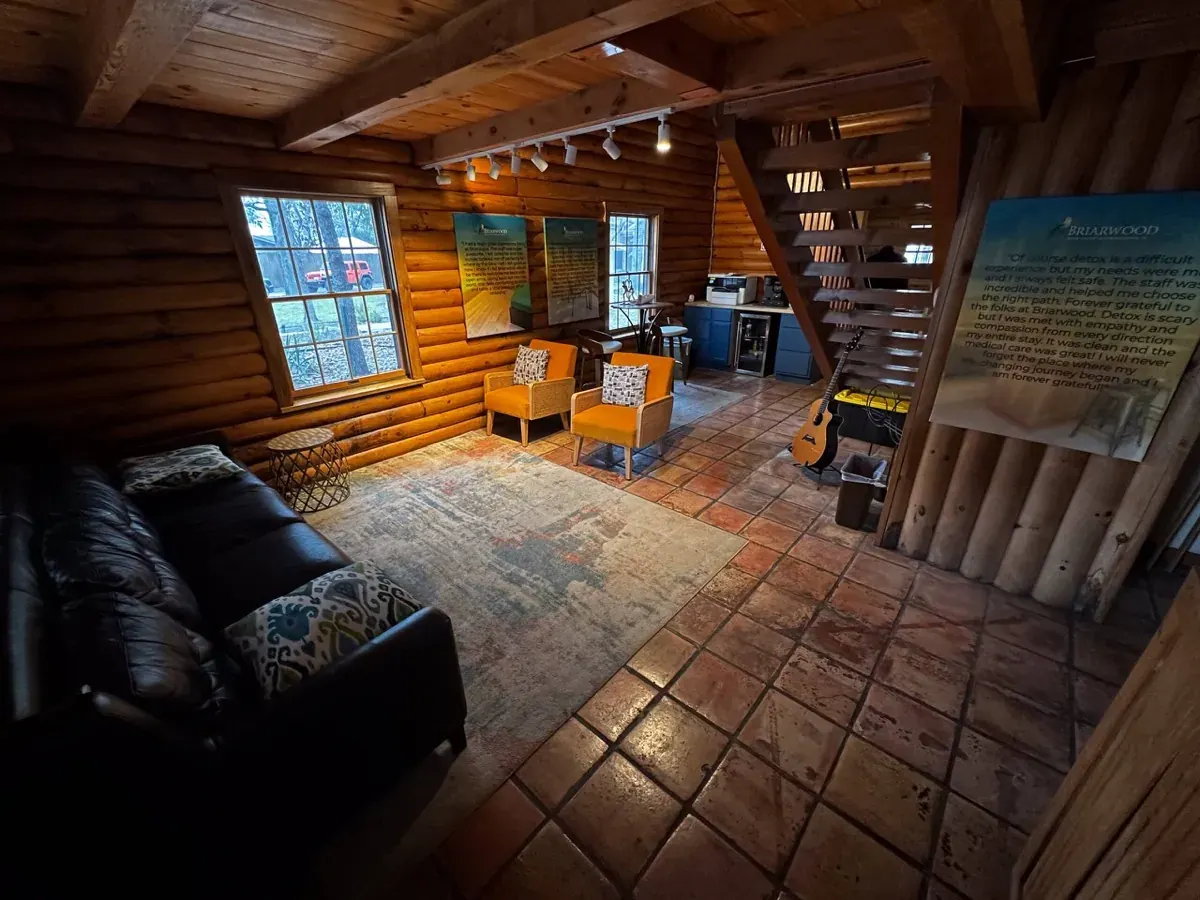

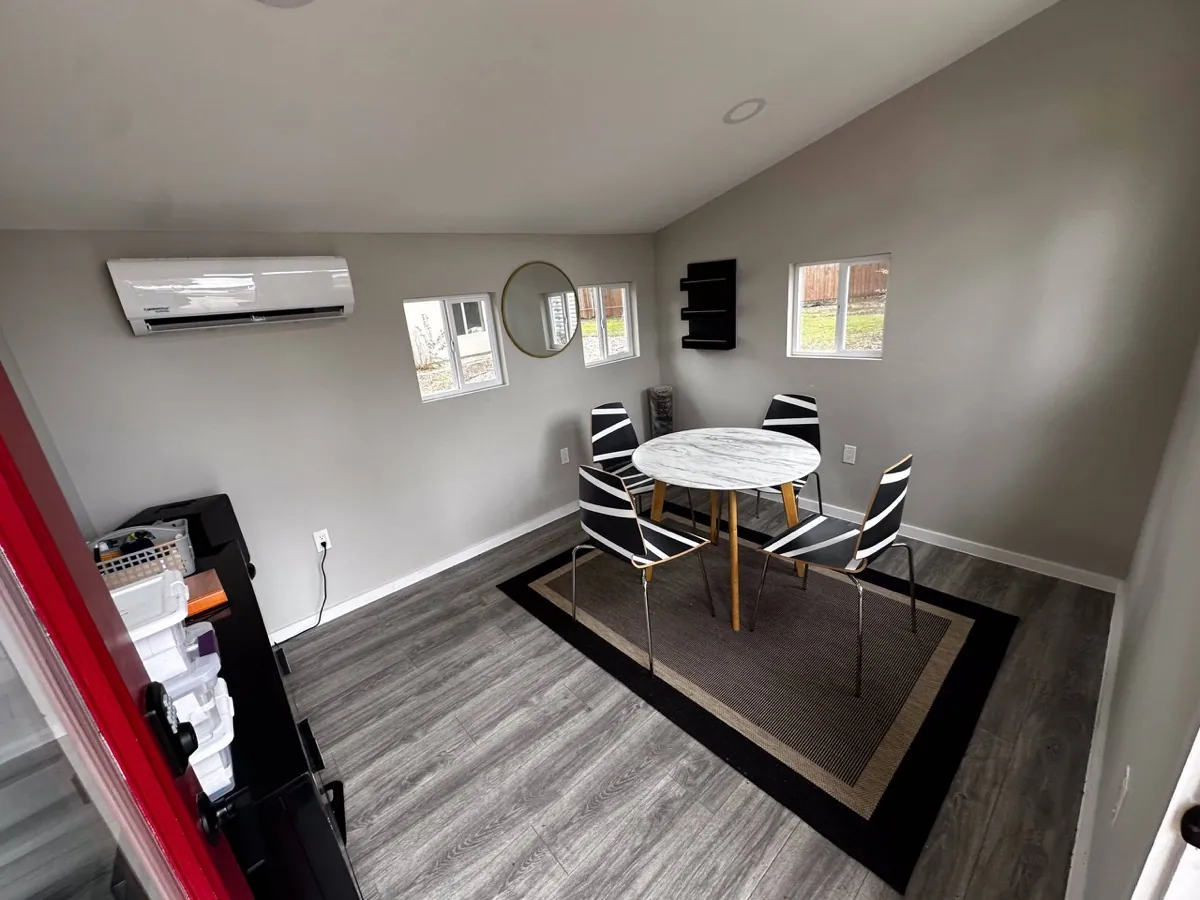


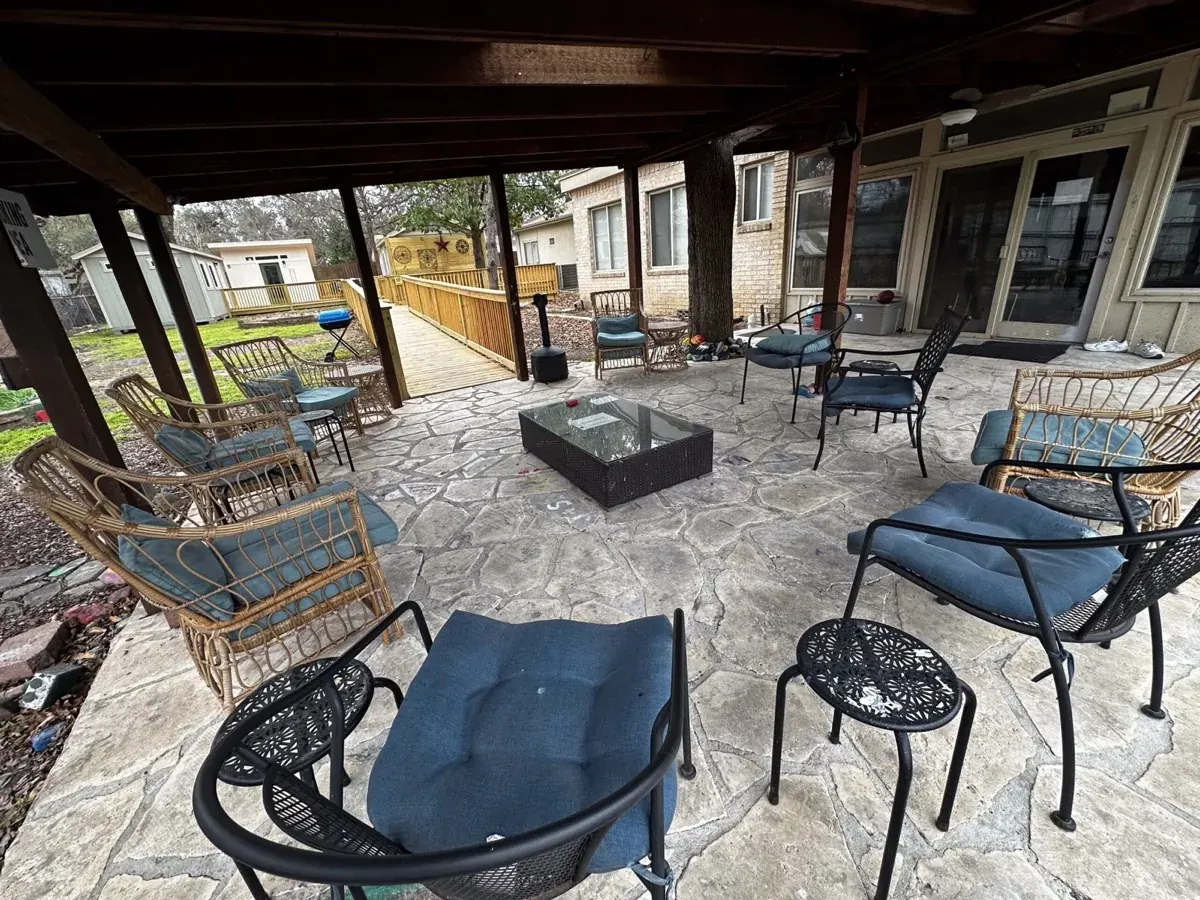

Marijuana is often seen as a mild or harmless drug, yet research shows that about three in ten people who use cannabis will develop cannabis use disorder at some point in their lives. Heavy, long‑term use is linked with memory problems, mood changes, and higher risks for anxiety, depression, and psychosis in vulnerable people. For some, stopping alone is difficult because withdrawal symptoms and cravings make it hard to stay with the decision.
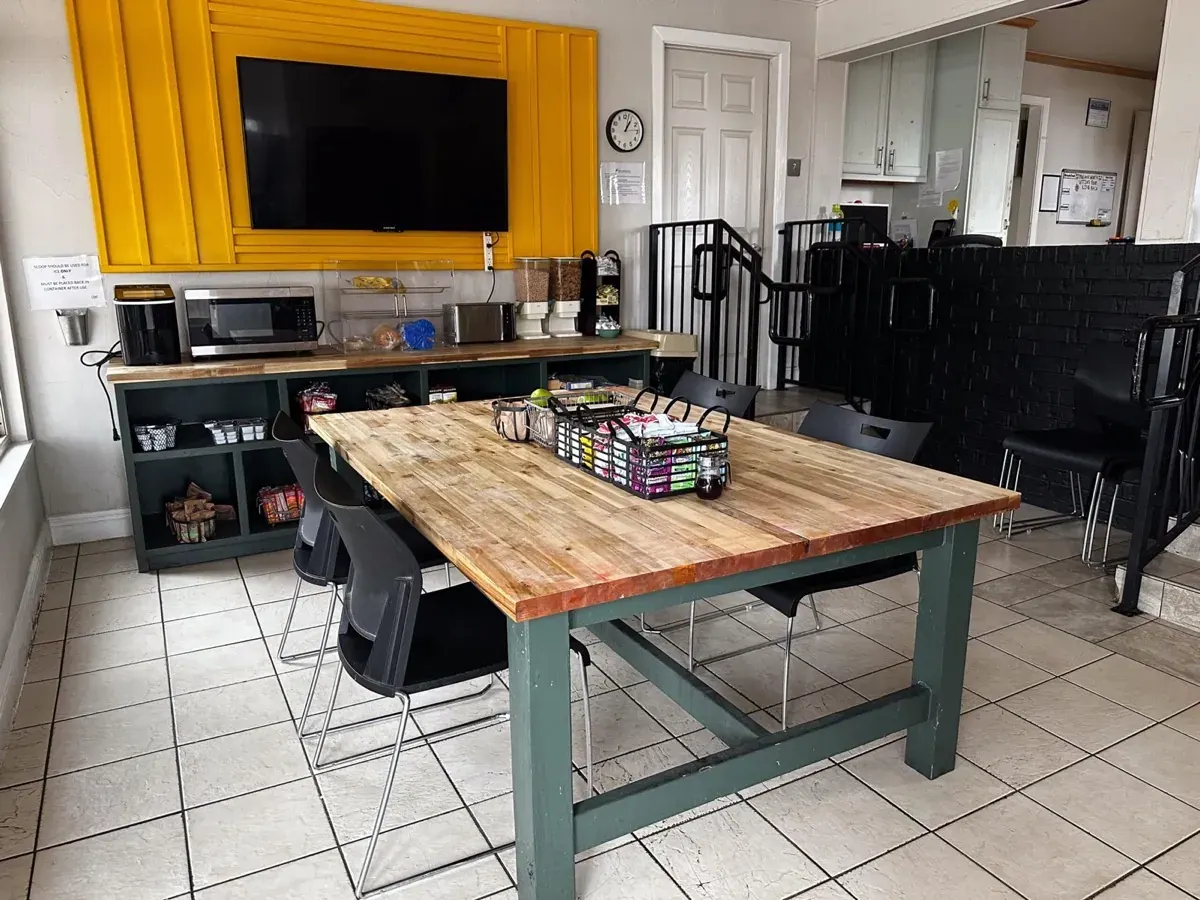
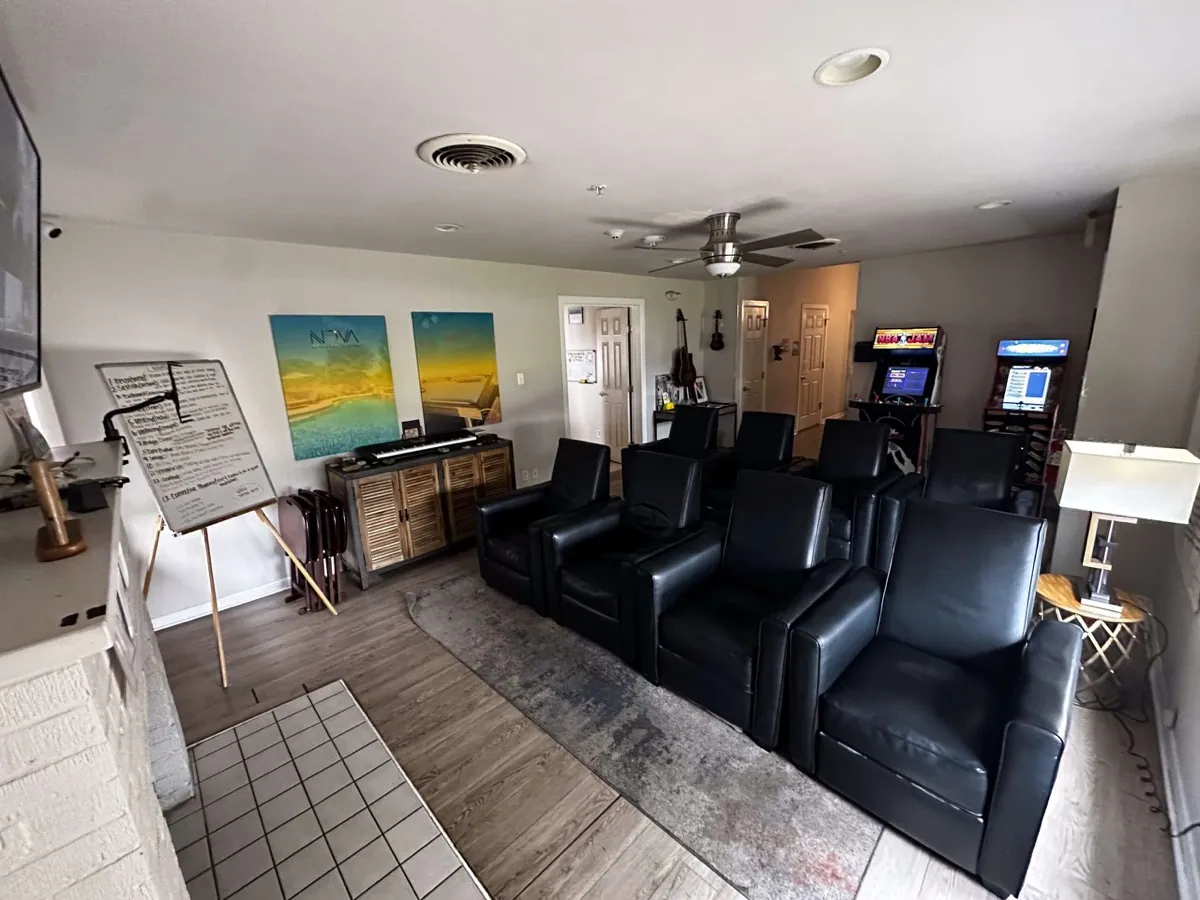
Briarwood Detox Center in Austin provides medically supervised detox for people who want a safe first step toward weed sobriety. The team focuses on comfort, privacy, and practical planning for what comes after detox, so you are not left to figure out the next phase of care on your own.
Understanding Cannabis, Ganja, and Dagga Use Disorder
Cannabis goes by many names, including marijuana, weed, ganja, and dagga. All of these refer to products from the cannabis plant that contain psychoactive compounds such as delta‑9‑tetrahydrocannabinol, usually shortened to THC. THC acts on the brain’s endocannabinoid system, which is involved in reward, memory, sleep, and mood.
With regular use, the brain adapts to frequent THC exposure. Over time, a person may need more cannabis to feel the same effects, a process called tolerance. Some people begin to feel off, irritable, or anxious when they do not use. They may spend more time obtaining, using, and recovering from weed and find it hard to cut back even when they want to. When these patterns show up together, clinicians may diagnose cannabis use disorder.
Signs You May Need Treatment for Cannabis in Austin
Every person’s situation is different, but certain warning signs suggest that a structured treatment for cannabis, including medical detox, could be useful.
Behavioral and Emotional Signs
You might:
- Use weed, ganja, or dagga more often or in larger amounts than you planned.
- Spend a lot of time thinking about when you will use next.
- Keep using even after loved ones express concern.
- Skip social events, hobbies, or responsibilities because you are high or recovering.
- Feel anxious, restless, or down when you try to cut back.
- Notice that weed has become your main way to cope with stress, boredom, or sleep.
Physical and Health Changes
You might also notice:
- Ongoing cough or breathing issues from smoking.
- Changes in appetite or weight.
- Sleep problems, especially if you only fall asleep easily when you are high.
- Trouble with memory, focus, or motivation at work or school.
- Worsening anxiety, paranoia, or low mood with high‑THC products.
If these patterns sound familiar, a conversation with a medical detox team in Austin can clarify whether ganja addiction treatment or broader addiction treatment in Austin is appropriate.
Where we are
Detox centers across Texas
Three locations, each with its own admissions line and its own clinical team. Pick the one nearest you — or call and we will tell you which has a bed tonight.
-
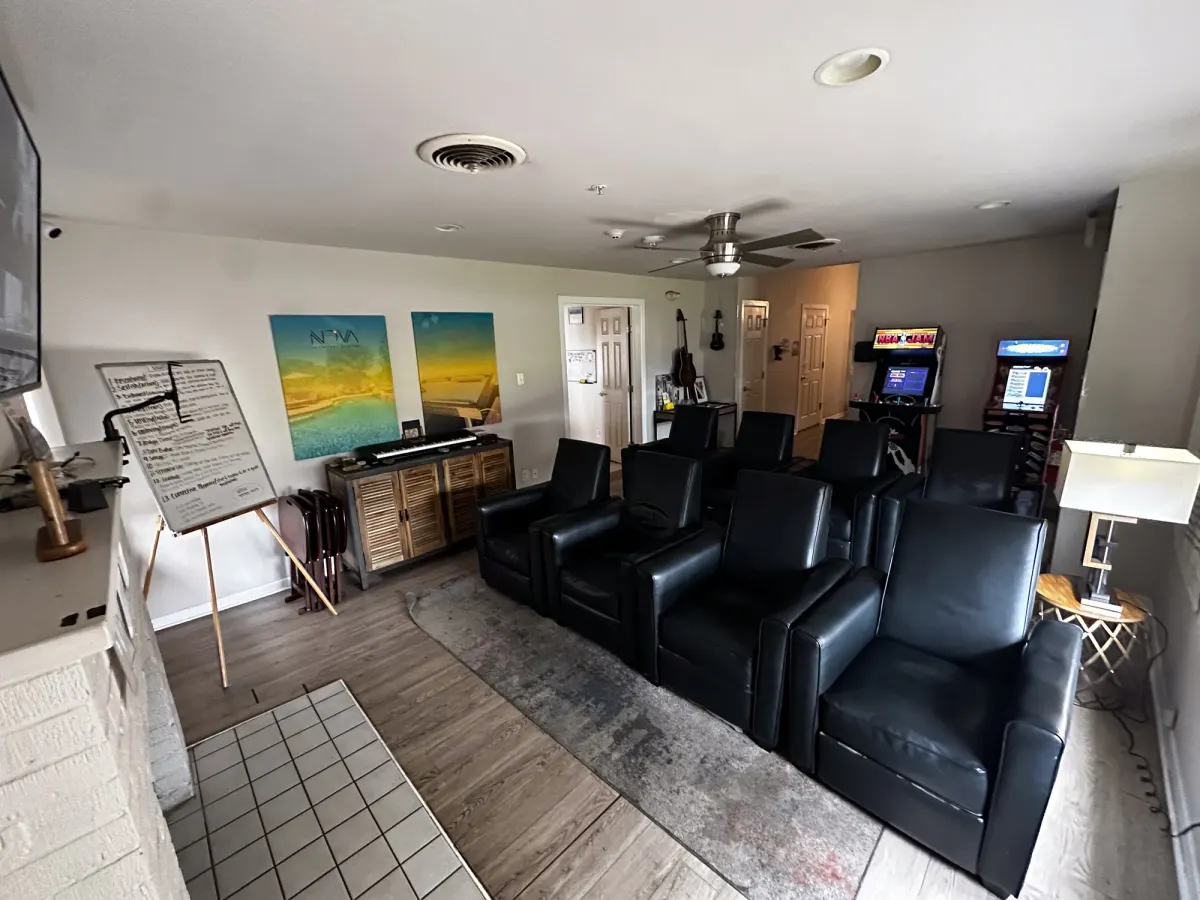 Inpatient
 Austin, TX
11711 N Lamar Blvd · 78753
- 15 beds
- On-site labs
- 24-hour medical staff
Drug & Alcohol Detox in Austin, TX
-
 Inpatient
 Houston, TX
1019 Ashland St · 77008
- On-site labs
- 24-hour medical staff
Drug Detox Center in Houston, TX
-
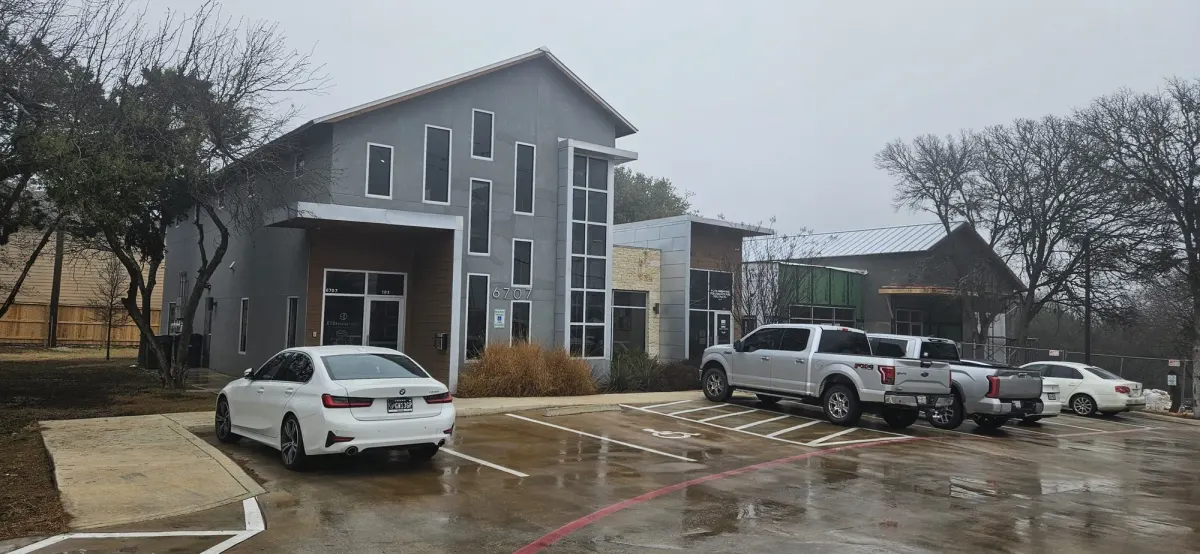 Outpatient
 San Antonio, TX
6707 W Hausman Rd · 78249
- Outpatient detox with scheduled medical visits
- Outpatient treatment
Outpatient Drug & Alcohol Detox in San Antonio
Cannabis Withdrawal and Why Detox Support Matters
Cannabis withdrawal is real, especially after heavy or long‑term use. Symptoms often begin within a day or two after stopping and can peak around days two through six. Many people describe feeling irritable, wired but tired, or emotionally flat. Others have intense or disturbing dreams, appetite changes, headaches, or stomach discomfort. Briarwood’s marijuana detox guides explain how long THC tends to stay in your system and what to expect from withdrawal testing and timelines.
Most withdrawal symptoms are not medically dangerous. Even so, they can make it harder to stay away from cannabis, particularly when life is stressful. Trying to manage withdrawal alone while working, parenting, or going to school may lead you back to using just to feel normal for a few hours.
Common Weed Withdrawal Symptoms
People who stop or sharply reduce cannabis use may notice:
- Irritability or anger.
- Anxiety or restlessness.
- Insomnia or vivid, unsettling dreams.
- Decreased appetite and mild weight loss.
- Low mood or lack of motivation.
- Headaches, sweating, chills, or stomach upset.
Detox Timeline for THC
Timing varies, but many people experience:
- First 24 to 48 hours: Cravings, irritability, and sleep trouble begin.
- Days two through six: Symptoms usually peak. Mood swings, anxiety, and sleep disruption can feel intense.
- Weeks two through four: Physical symptoms often improve, but sleep, dreams, and mood can still be irregular, especially after heavy use.
- Beyond a month: Many people notice clearer thinking and more stable energy, though cravings may appear in high‑stress situations.
Risks of Going “Cold Turkey” Alone
Quitting weed on your own may seem simple, yet without support you might:
- Use alcohol, sedatives, or other drugs to take the edge off, which can create new risks.
- Isolate from friends or family during withdrawal.
- Return quickly to your previous level of use after a few difficult nights of sleep.
- Overestimate how much weed you need when you relapse, which can increase the risk of paranoia or panic.
Medical detox is not required for every person, but it offers a structured, monitored environment that can reduce these risks and stabilize you for the next stage of care.
How Briarwood Detox Center Supports THC Addiction Treatment in Austin
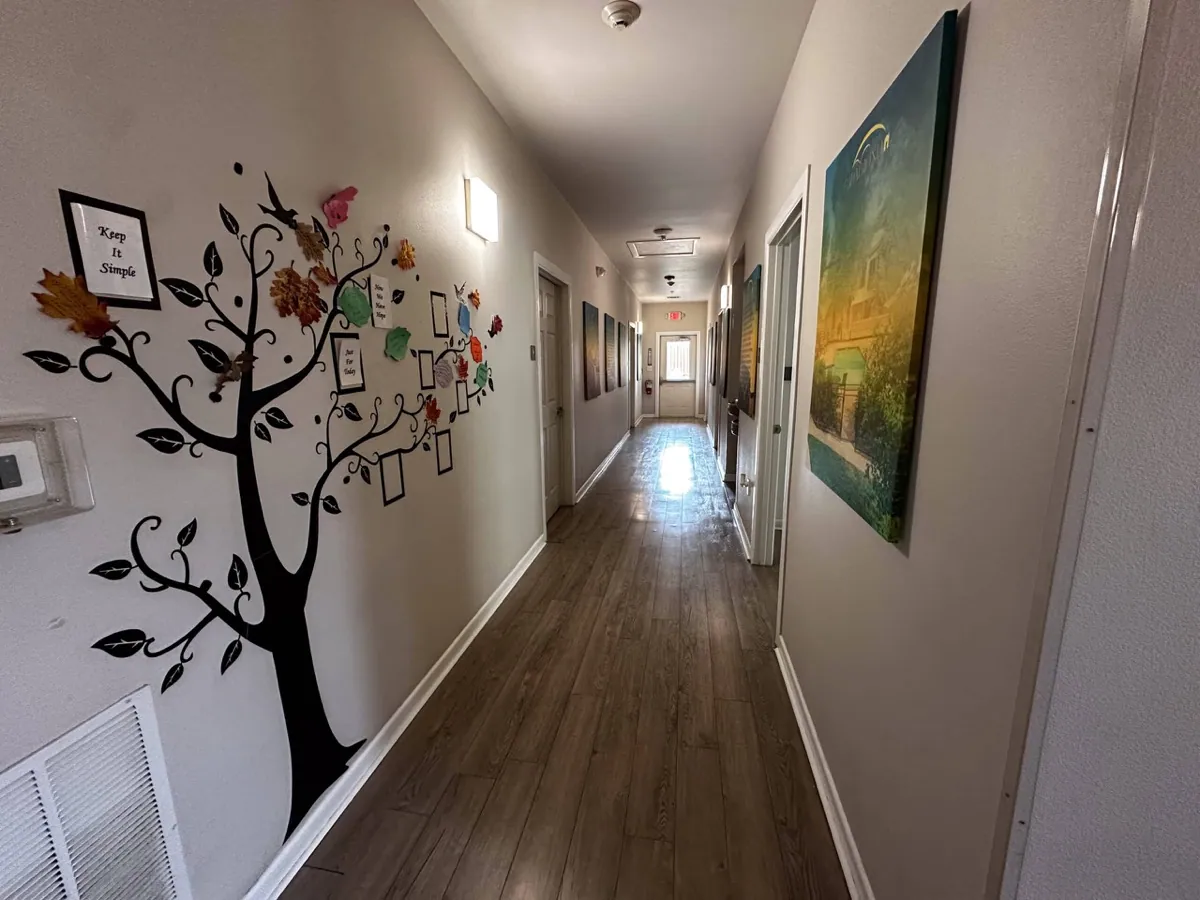
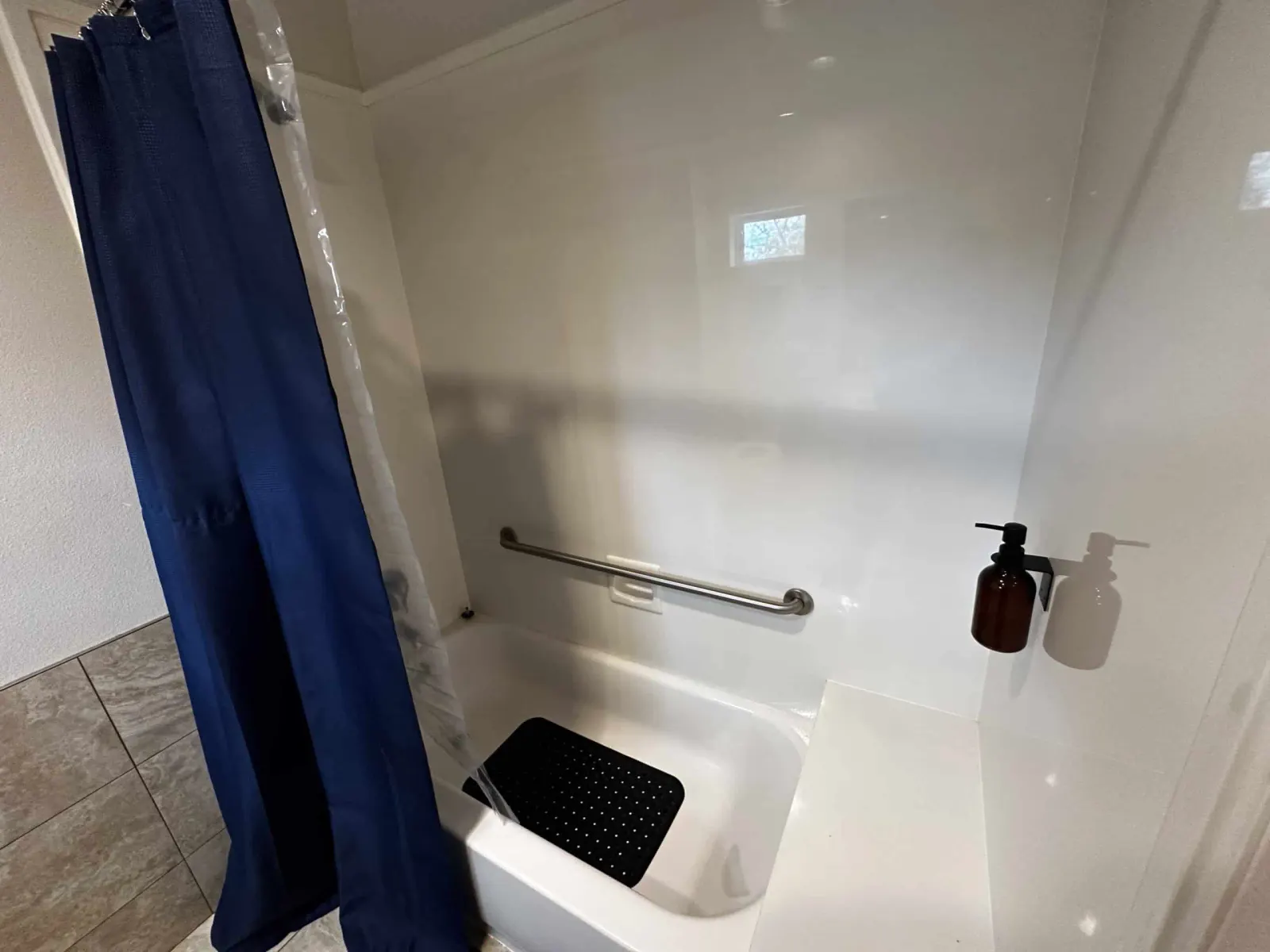
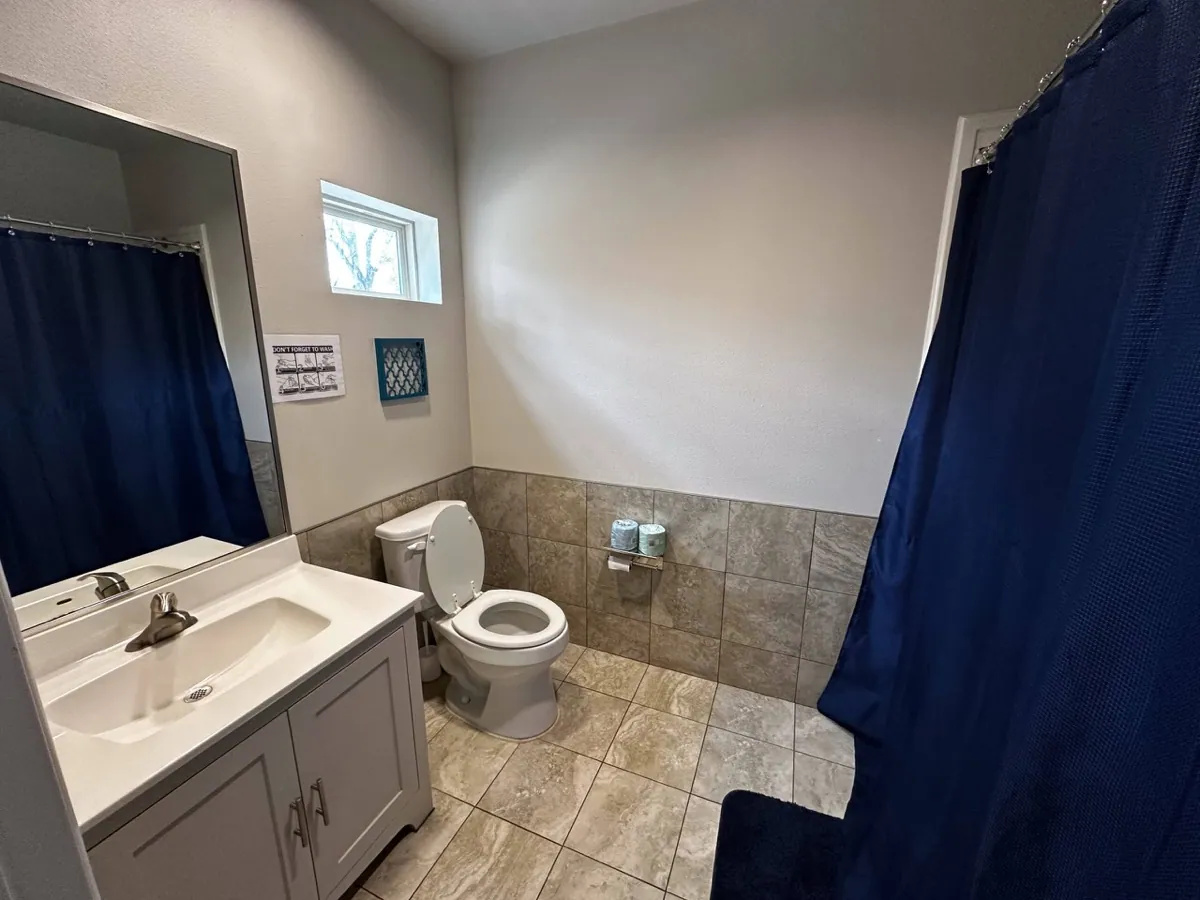
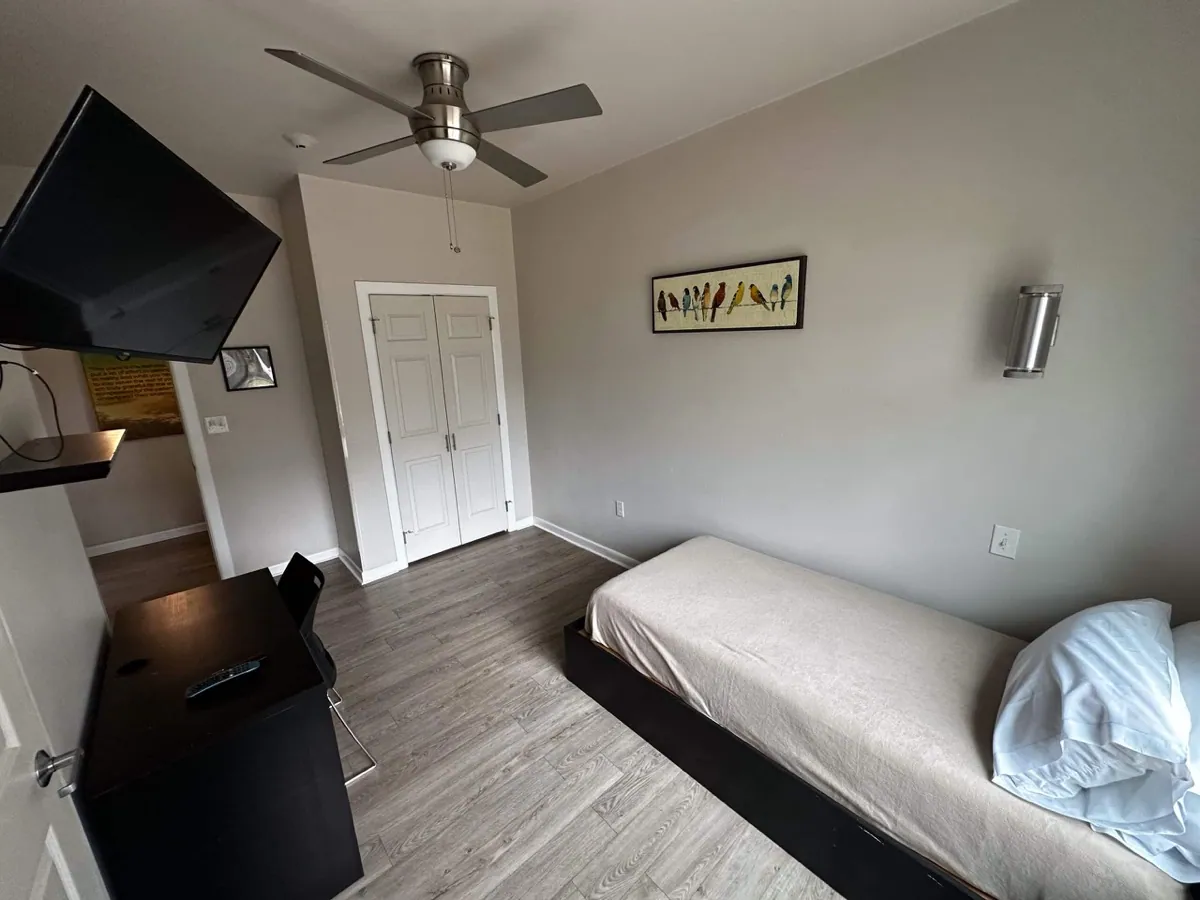
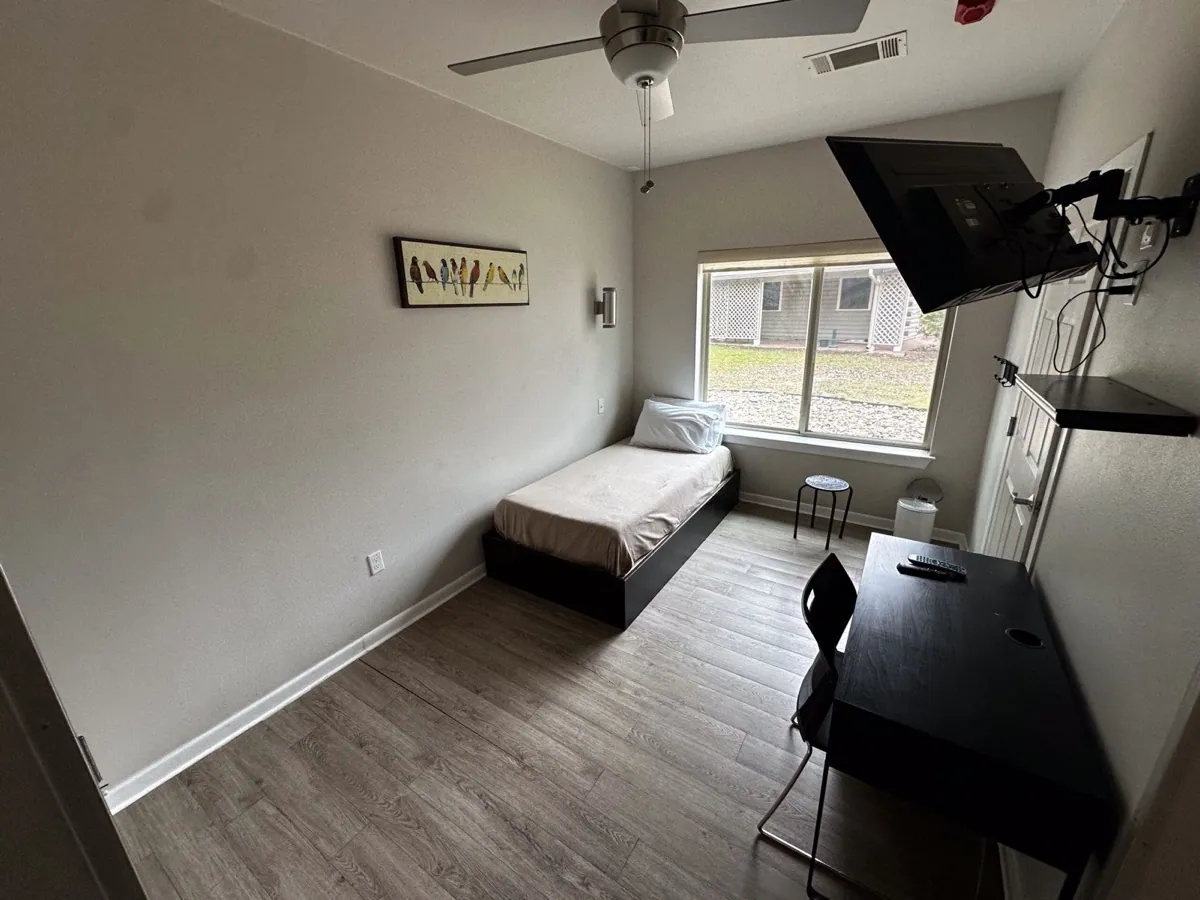
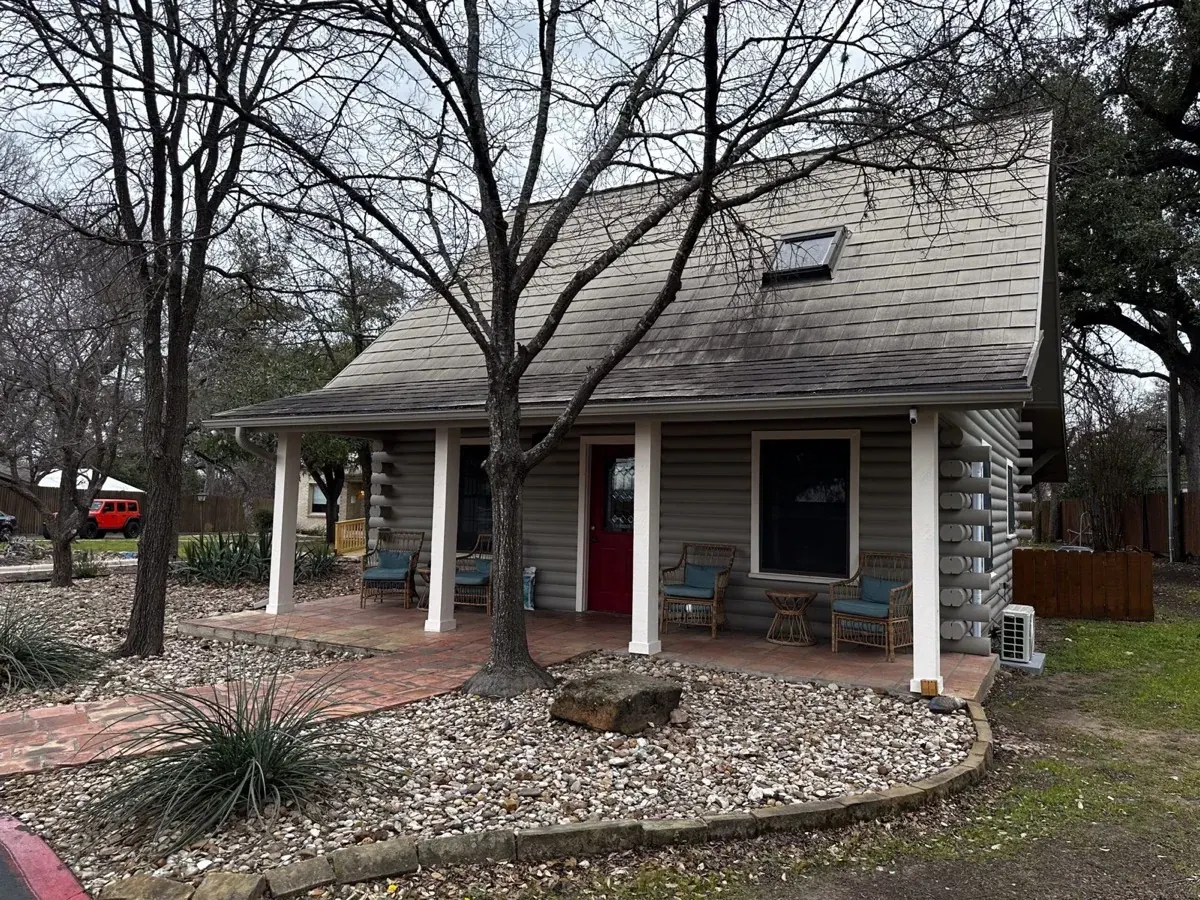
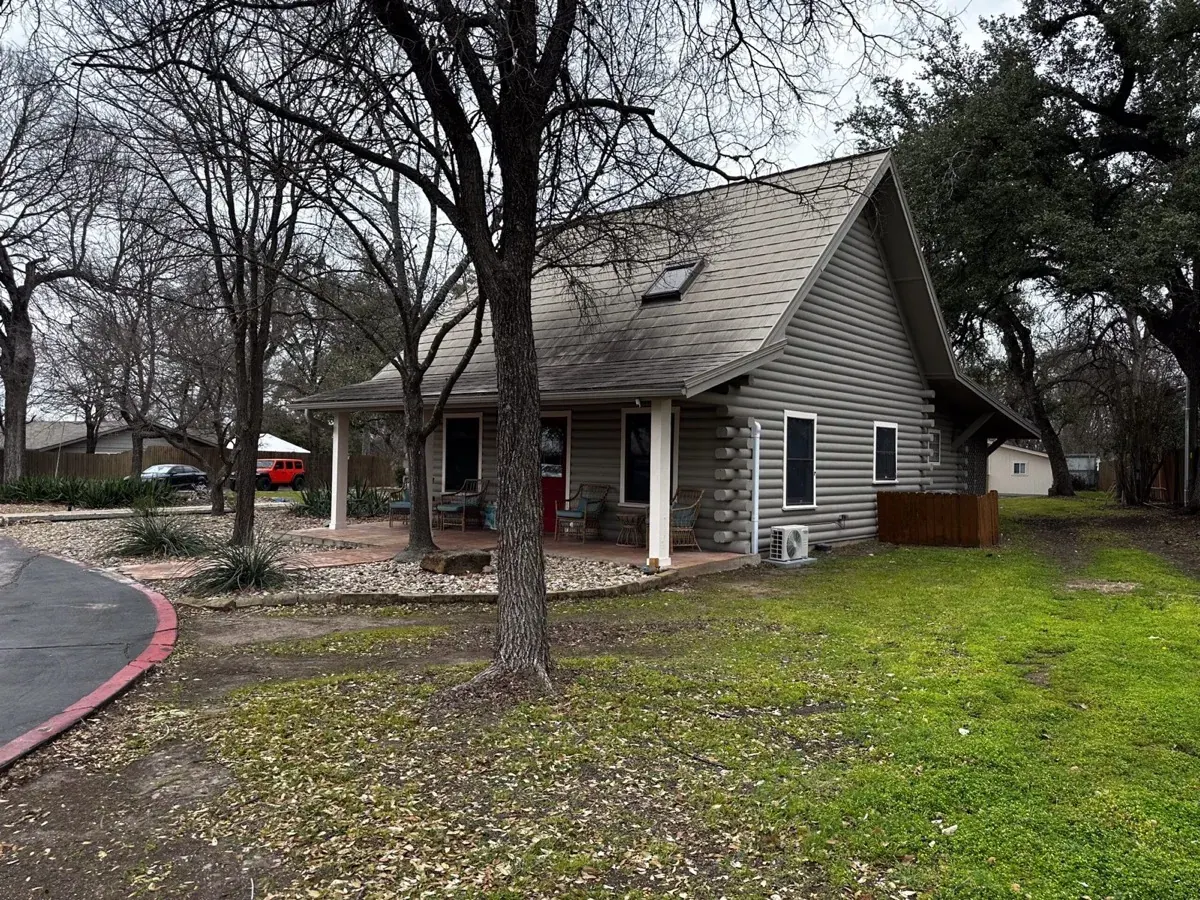
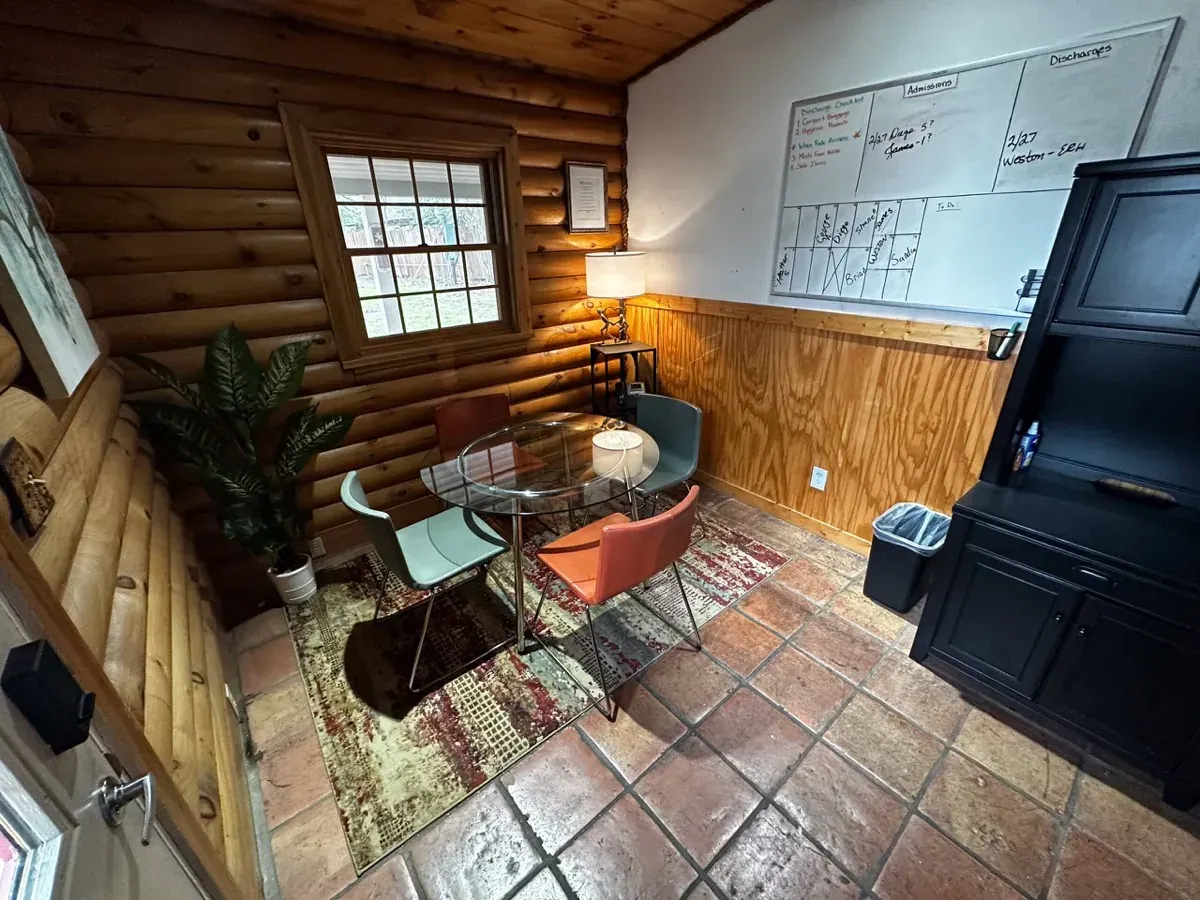
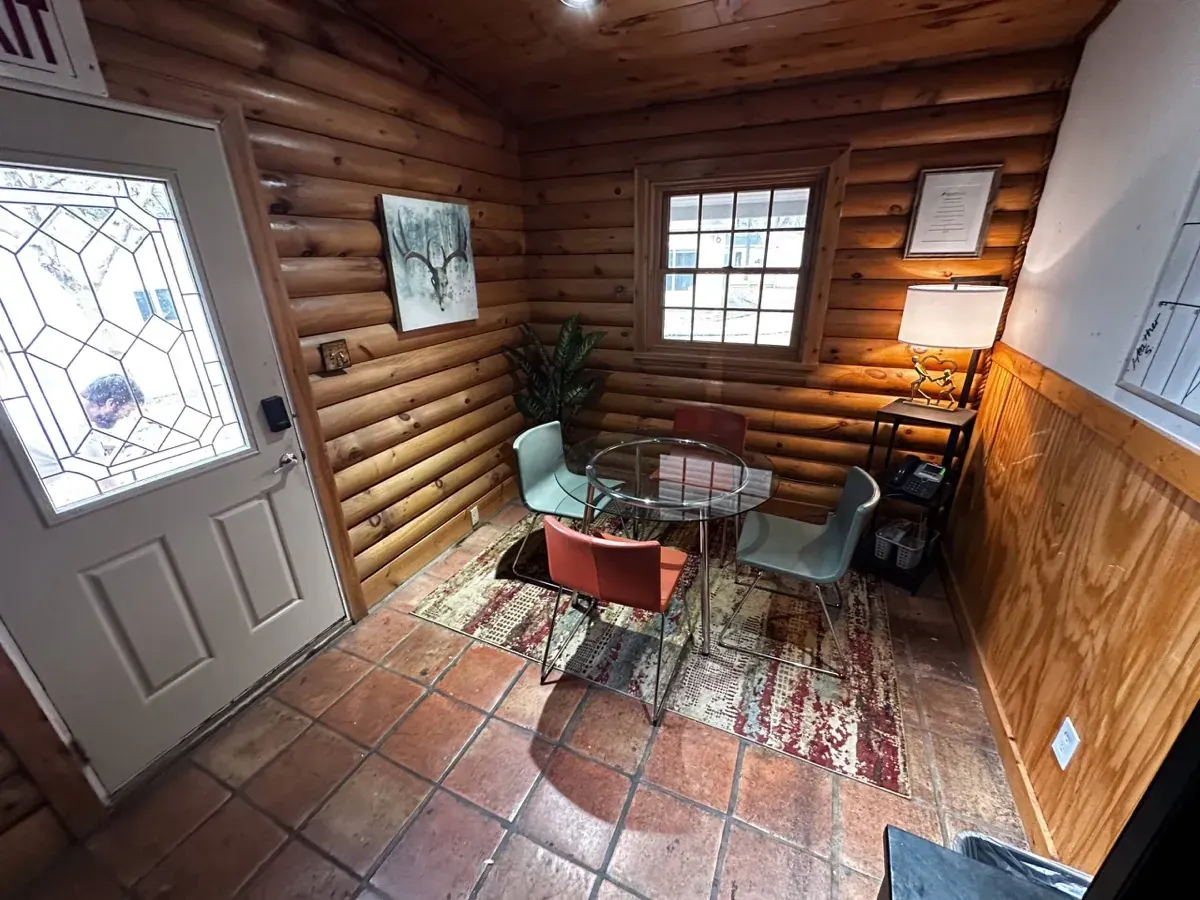
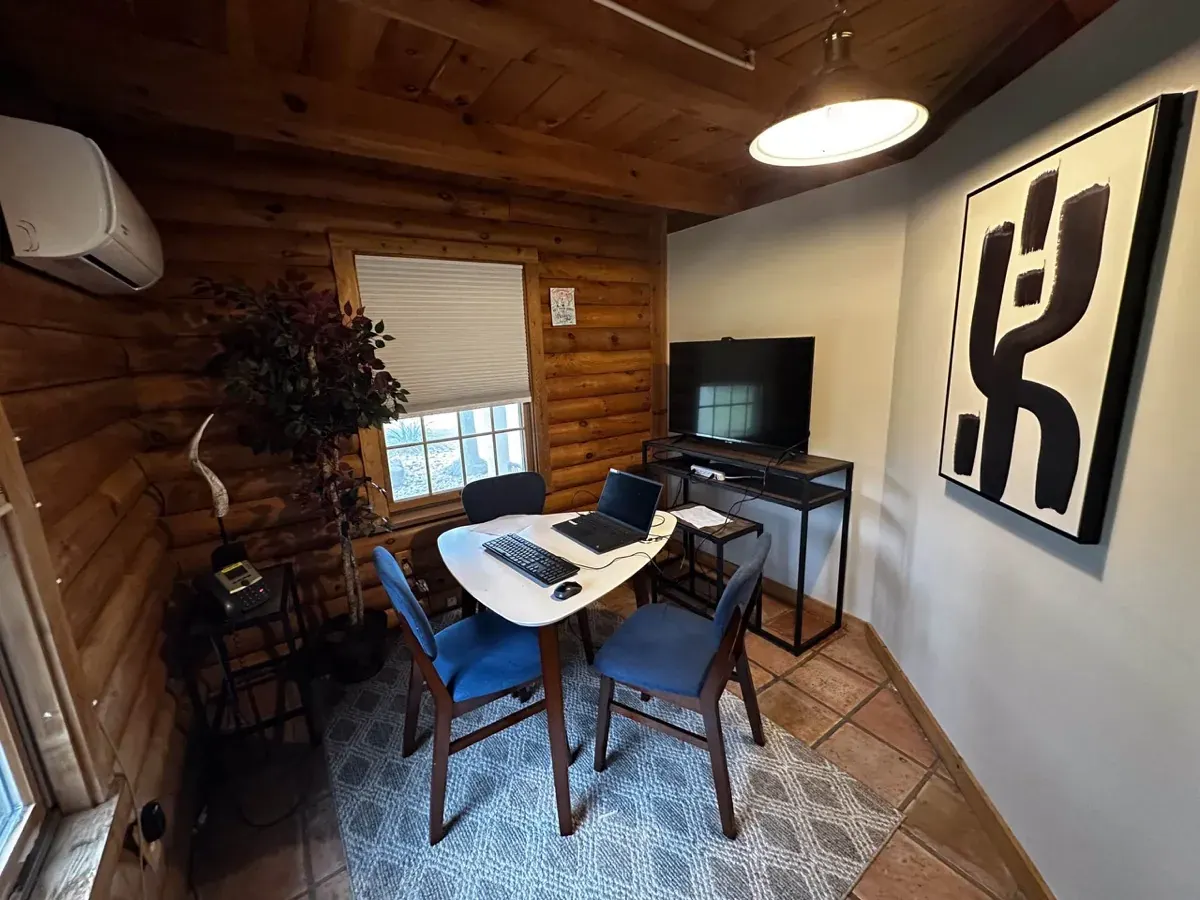
Briarwood Detox Center focuses on the first phase of THC addiction treatment: safe and comfortable detox. The Austin location provides 24/7 nursing supervision, on‑site physicians, and private, home‑like spaces where you can step away from daily triggers while you stabilize. Understanding the cost of addiction treatment in Austin is also an important part of planning your next steps.
Medical Assessment and Individualized Care
On arrival, staff complete a full medical and psychological assessment. This review looks at:
- Your cannabis pattern, including products, potency, and frequency.
- Other substances you may be using, such as alcohol, benzos, or stimulants.
- Current medications and medical conditions.
- Mental health history, including anxiety, depression, trauma, or psychosis.
Based on this information, the team creates an individualized detox plan. For some, that means monitoring and supportive care only. For others, short‑term medications may target sleep, anxiety, nausea, or headaches related to withdrawal.
Managing Withdrawal from Weed, Ganja, or Dagga
During detox, staff check vital signs, monitor mood, and ask about cravings and sleep. You have access to nurses and support staff around the clock. The aim is not to “knock you out” for several days but to keep you as comfortable and oriented as possible while your body adjusts to the absence of THC.
Many clients participate in low‑intensity group and individual counseling during detox. Sessions might cover craving management, basic relapse prevention, and education about how cannabis affects the brain. These early conversations lay the groundwork for more in‑depth therapy that often happens in residential treatment, intensive outpatient programs, or other long‑term settings after detox.
Managing Withdrawal from Weed, Ganja, or Dagga
During detox, staff check vital signs, monitor mood, and ask about cravings and sleep. You have access to nurses and support staff around the clock. The aim is not to “knock you out” for several days but to keep you as comfortable and oriented as possible while your body adjusts to the absence of THC.
Many clients participate in low‑intensity group and individual counseling during detox. Sessions might cover craving management, basic relapse prevention, and education about how cannabis affects the brain. These early conversations lay the groundwork for more in‑depth therapy that often happens in residential treatment, intensive outpatient programs, or other long‑term settings after detox.
Planning Treatment for Cannabis After Detox
Detox is only the first step. As your thinking clears, staff at Briarwood help you plan the next phase of care. Depending on your needs, this may include:
- Referral to a residential or outpatient rehab program in or near Austin.
- Support with arranging sober living or a structured housing option.
- Coordination with therapists, psychiatrists, or primary care providers.
- Practical planning around work, school, or family responsibilities so treatment is realistic.
This planning process is a key part of dagga addiction treatment because it reduces the risk of leaving detox without a plan and sliding back into old patterns.
Break Free from Addiction. Detox Safely in Austin Today.
Medically Supervised Detox – Compassionate Care Starts Here.
How to Recover from Weed and Build Lasting Weed Sobriety
Recovery from cannabis use disorder is not just about passing a drug test. It involves rebuilding daily routines, relationships, and coping skills so that life without THC feels workable.
Early Recovery Steps
Helpful steps in the first weeks after detox include:
- Keeping regular sleep and wake times, even if sleep quality is not perfect yet.
- Eating consistent, balanced meals to support mood and energy.
- Attending therapy, group meetings, or outpatient sessions as recommended.
- Reducing contact with people, places, and apps that are closely tied to using weed.
Developing New Coping Skills
Long‑term weed sobriety often depends on finding alternatives to using cannabis for stress, boredom, or emotional pain. Skills that many people find useful include:
- Simple breathing or grounding exercises during moments of intense craving.
- Scheduling brief, regular physical activity such as walks, stretching, or light workouts.
- Using structured problem‑solving instead of avoiding stressful situations.
- Practicing direct, respectful communication when setting boundaries with others.
Working with a therapist or counselor during this stage can help you connect these skills to your personal goals and values.
Staying Connected to Support
Isolation can make relapse more likely. Continuing THC addiction treatment in the form of outpatient therapy, support groups, or virtual counseling gives you a place to talk openly about cravings and setbacks. Friends or family members who understand your goals can also play an important role, especially when you feel discouraged or tempted to use again.
Who Can Benefit from Ganja Addiction Treatment at Briarwood?
People from many backgrounds seek ganja addiction treatment and other addiction treatment in Austin. You might benefit from Briarwood’s cannabis detox services if you:
- Use weed, ganja, or dagga every day or nearly every day.
- Have tried to quit several times and returned to use because of withdrawal or stress.
- Combine cannabis with alcohol, sedatives, or other substances.
- Notice worsening mental health symptoms that seem linked to your use.
- Need a private, structured place to stop safely before starting further treatment.
If cost is one of your concerns, exploring affordable drug rehab in Austin can help you see that safe detox and follow‑up care are still possible.
How Briarwood Detox Center Supports Ganja Addiction Treatment
Briarwood Detox Center provides structured support for people in Austin who want help with ganja addiction treatment. Clients receive medically supervised detox, so withdrawal from cannabis and other substances is monitored around the clock. The team reviews each person’s substance use history, physical health, and mental health needs before creating a tailored detox plan. Comfort-focused care, including help with sleep, anxiety, and mood changes, makes it easier to get through the first days without weed. Private, home-like surroundings give space away from daily triggers. Staff also begin talking with clients about goals for long-term recovery, including rehab, outpatient care, or sober living options after detox. Local knowledge of Austin resources helps connect people with appropriate next steps close to home. By combining medical oversight with practical planning, Briarwood Detox Center becomes a reliable first step toward lasting weed sobriety.
Frequently Asked Questions About Ganja Addiction Treatment and Weed Sobriety
Can you really get addicted to weed or ganja?+–
Yes. Regular, heavy use of weed, ganja, or dagga can lead to cannabis use disorder. This means a person may feel strong cravings, struggle to cut back, and keep using even when it harms work, school, health, or relationships. Dependence is more likely with daily use, high‑THC products, and starting at a young age.
What is ganja addiction treatment?+–
Ganja addiction treatment is a structured process that helps you stop using cannabis and stabilize your health. It often begins with medically supervised detox, followed by counseling, relapse‑prevention planning, and support for mental health conditions that may be linked with use.
How long does it take to recover from weed?+–
Early withdrawal symptoms usually improve over one to two weeks, but full recovery is a longer process. Sleep, mood, and motivation may keep changing for several weeks or months. Many people do best when they combine detox, therapy, and ongoing support rather than focusing only on the first few days without weed.
What are common signs that I need THC addiction treatment?+–
Warning signs include needing more weed to feel the same effect, using throughout the day, feeling irritable or anxious when you try to stop, and neglecting responsibilities. If you keep using despite clear problems in your life, it may be time to consider professional THC addiction treatment.
Is detox necessary for cannabis or dagga addiction?+–
Not everyone needs medical detox for weed, but it can be very helpful for people who use large amounts, combine cannabis with other substances, or have mental health symptoms that worsen when they stop. Detox provides monitoring, comfort‑focused care, and a bridge into longer‑term treatment.
How does Briarwood Detox Center help with ganja addiction treatment?+–
Briarwood Detox Center offers medically supervised detox in a structured, private setting, with 24/7 staff and on‑site providers who monitor withdrawal from cannabis and other substances. The team focuses on comfort, safety, and planning next steps like rehab, outpatient care, or sober living so you are not on your own after detox. If you are ready to discuss options for ganja addiction treatment in Austin, Call our admissions team today at (866) 710-7710.
What is the best treatment for cannabis use disorder after detox?+–
After detox, many people benefit from evidence‑based therapies such as cognitive behavioral therapy, motivational interviewing, and relapse‑prevention counseling. Supportive housing, peer groups, and ongoing mental health care can strengthen weed sobriety and reduce the risk of return to use.Call our admissions team today at (866) 710-7710.
How can I stay sober from weed long term?+–
Long‑term weed sobriety often involves building new routines, avoiding high‑risk situations, and learning coping skills for stress and cravings. Regular therapy, support groups, and honest communication with loved ones can make it easier to stay on track, especially during stressful periods or big life changes.
How do I start addiction treatment in Austin for weed or THC?+–
Getting started usually begins with a confidential phone call where a specialist asks about your use, health history, and goals. At Briarwood Detox Center, the admissions team can also review insurance benefits and help you plan admission, often within a short timeframe. To talk through your options for THC addiction treatment or detox in Austin, Call our admissions team today at (866) 710-7710.
Related guides



In network with most major insurance
Find your plan and see what detox would cost
Most plans cover medical detox. Coverage varies by plan, so we verify it for you before you commit to anything.

















Don't see your plan? We work with out-of-network benefits and offer self-pay options — (866) 710-7710
- Confidential
- Takes about 2 minutes
- No obligation to admit

- Accredited The Joint Commission
- Rated 4.5 · 94 Google reviews
- Admissions 24 hours a day